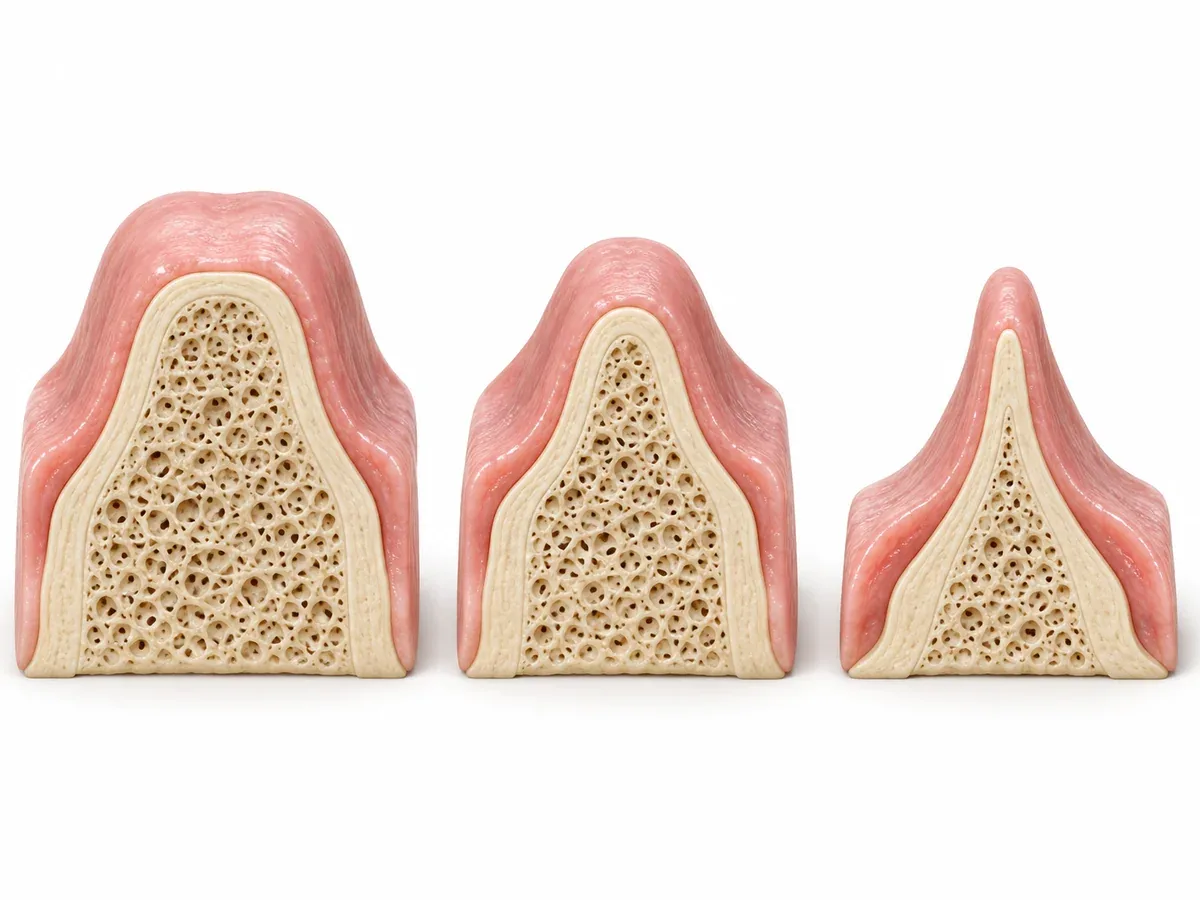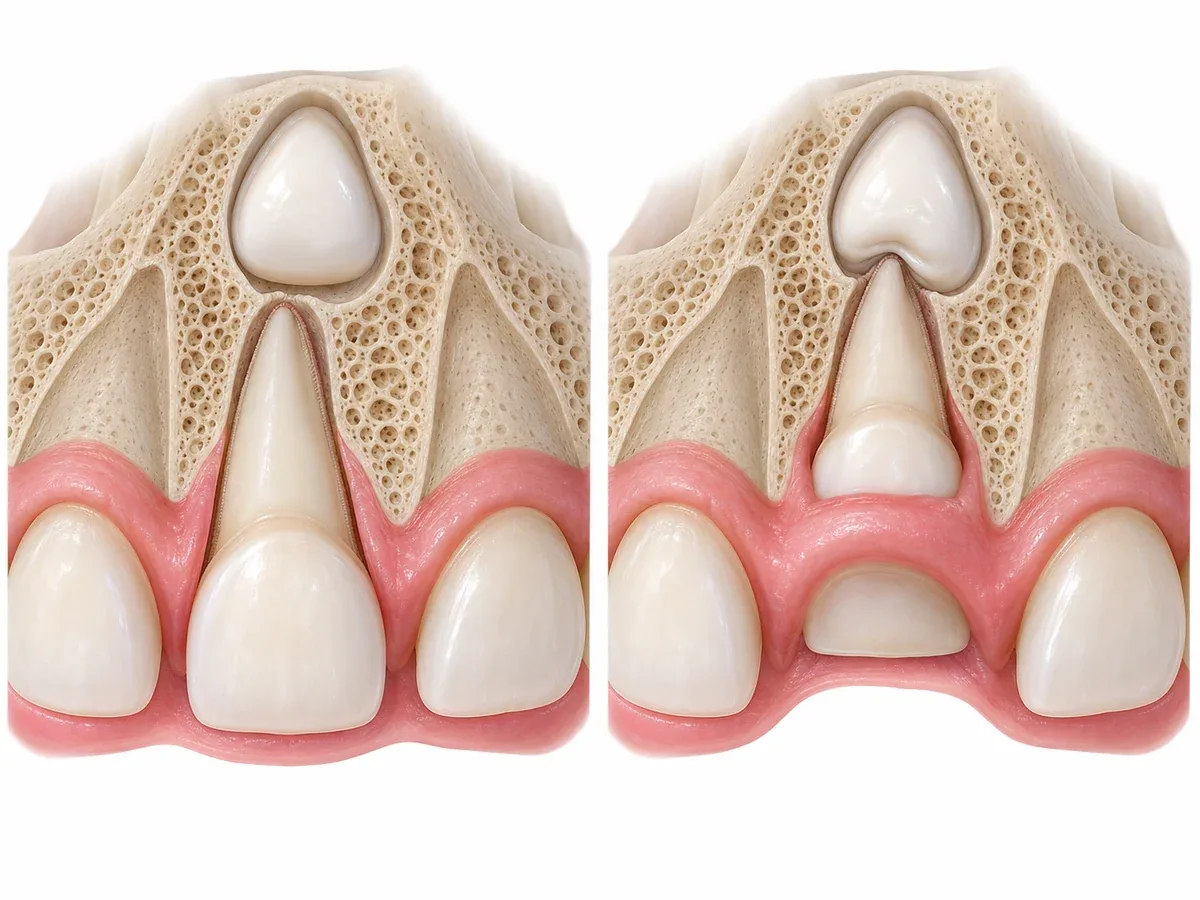
- A wisdom tooth partly covered by gum is likely to cause inflammation between the tooth and the gum.
- Repeated inflammation can swell the face and neck. With pain, extraction along with treating the inflammation is advised.
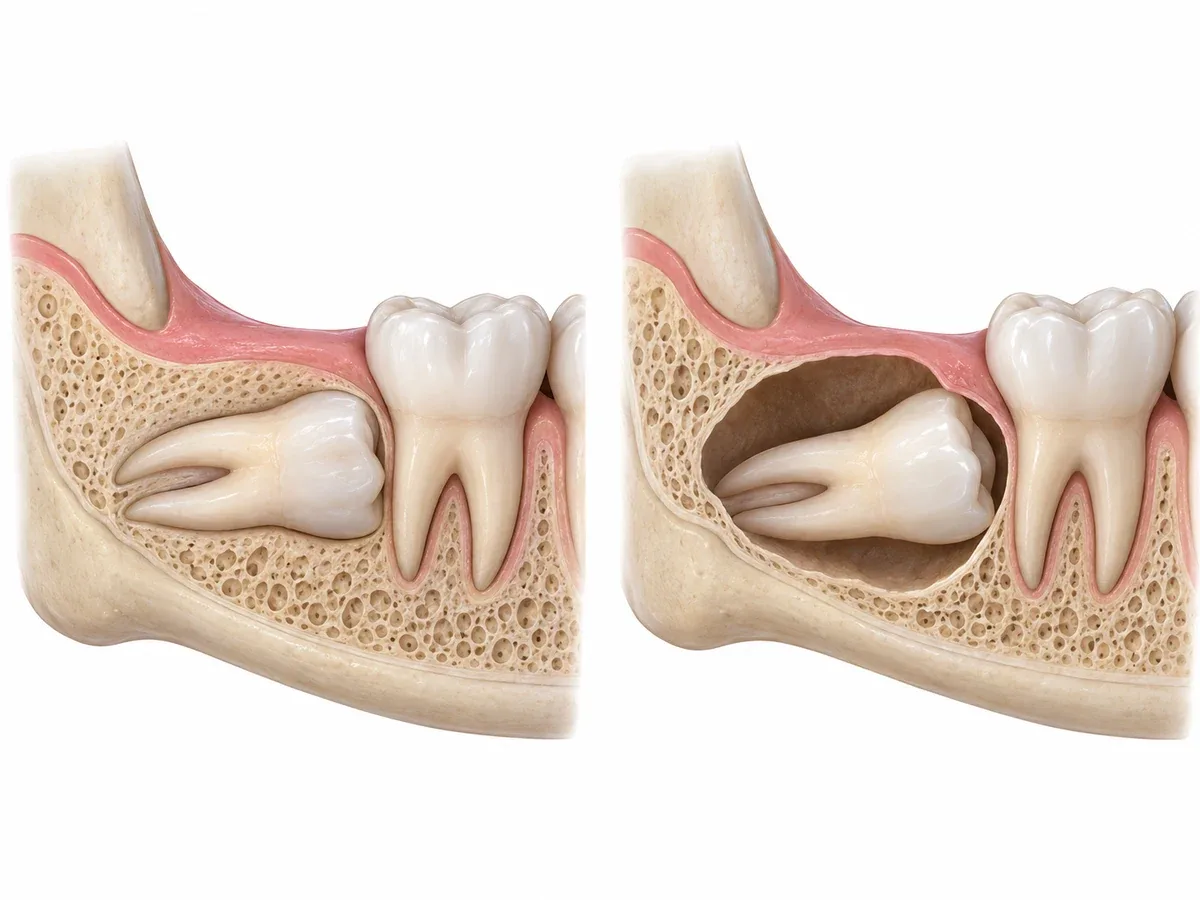
- A buried tooth can form a dentigerous cyst that destroys the jawbone. If it grows, a small impact can break the jaw.
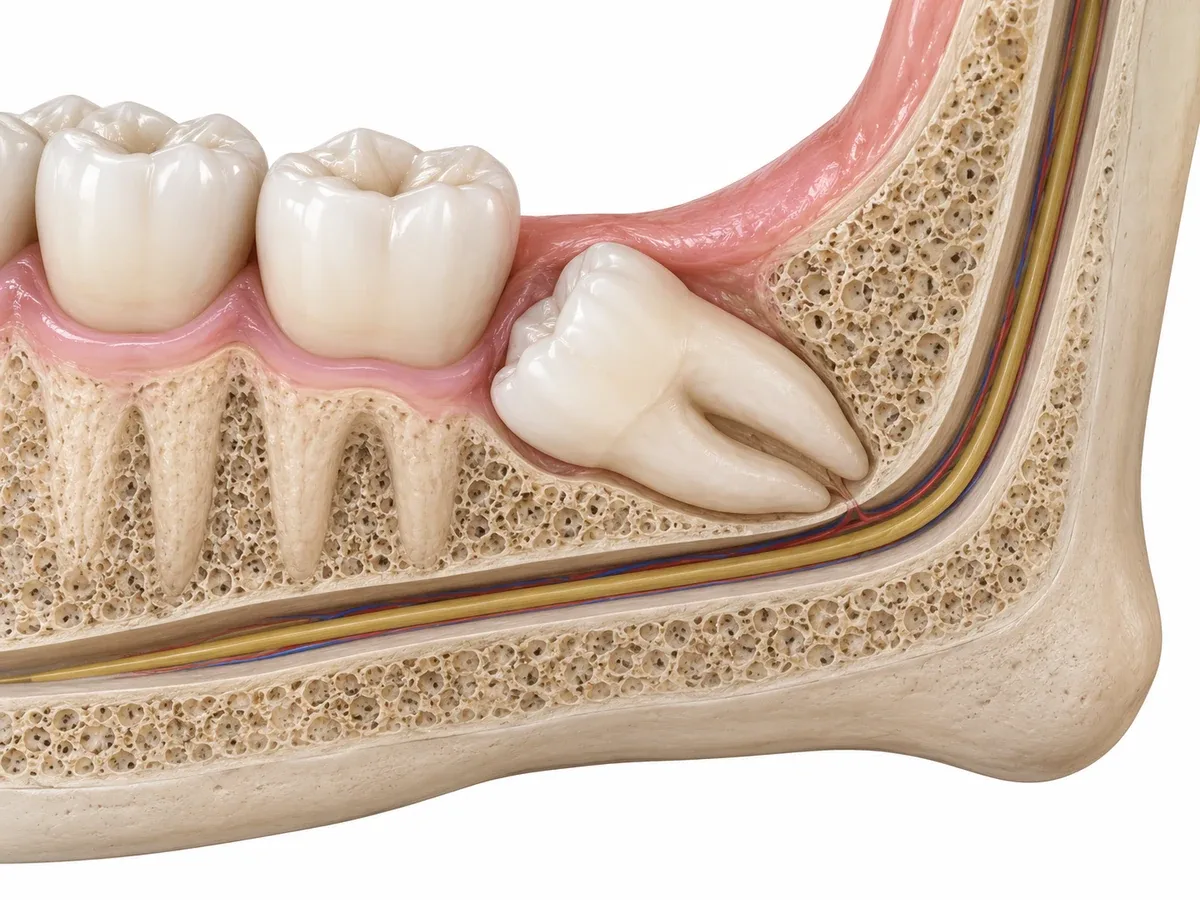
- A tooth buried very deep may be left in place if removal is likely to damage a nerve.
Many patients in Seomyeon, Busan tell us their wisdom tooth area swells up and settles down again and again. "It gets better with medicine," they say, but the published material is clear about how far that cycle can go. For patients living in or visiting Korea, Reset Dental Clinic provides 1:1 English interpretation from the first consultation through the end of treatment.
This column is based on the KDCA national health portal pages on wisdom teeth and tooth extraction. It also uses the Asan Medical Center disease encyclopedia pages on Ludwig's angina and dry socket.
Why do wisdom teeth cause problems?
The KDCA material describes the wisdom tooth as the last molar to come in. People have 32 teeth including wisdom teeth, and wisdom teeth usually appear in the late teens or early twenties.
In dental terms, it is called the third molar. The name "wisdom tooth" comes from the age at which it usually appears.
The problem starts with space. Citing anthropologists, the material says that as diets have shifted to soft, refined foods that need little chewing, jaws have been getting smaller.
Because of this mismatch between jaw size and tooth size, the material states that about 30% of people in most modern populations have no wisdom teeth.
For those who do, the tooth is the last one the jaw forms. If there is not enough room in the mouth, it can stay buried in the jawbone and shift position.
A wisdom tooth that is buried, tilted or half out is where most of the problems below begin. The angle, the depth and the gum over it all shape what happens next.

Does the angle of a wisdom tooth matter?
The material classifies lower wisdom teeth by the direction they tilt. The categories are listed below.
- vertical (upright)
- tilted toward the cheek or toward the tongue
- mesioangular (tilted forward) or distoangular (tilted backward)
- lying sideways, facing the cheek or the tongue
- horizontal, or inverted (upside down)
The material also gives how often each occurs. Figures differ between researchers, but in the lower jaw the mesioangular position is the most frequent, followed by horizontal and vertical.
Distoangular, sideways and inverted positions are relatively rare. The position is read from X-rays, since a buried tooth cannot be seen.
The angle alone does not decide how hard an extraction will be. The material lists several other factors.
| Factor | What the dentist looks at |
|---|---|
| Roots | How many roots there are and how long they are |
| Shape | How far the tooth's shape differs from normal |
| Bone behind the tooth | The condition of the lower jawbone behind the wisdom tooth |
| Nerve canal | The distance to the mandibular canal, which holds a nerve and blood vessels |
| Angle | Which way the tooth tilts or lies |
This is why the same kind of wisdom tooth can be simple for one person and difficult for another. X-rays are used to check these points before any decision.
Why does inflammation keep coming back around a wisdom tooth?
The material is specific here. A wisdom tooth sits at the very back of the mouth, so it is hard to keep clean, traps food easily and can cause bad breath.
For these reasons, wisdom teeth are sometimes removed as a preventive step. Nothing has to be wrong yet for this to be discussed.
In particular, the material says that a tooth partly covered by gum is likely to cause inflammation, mainly between the tooth and the gum. For that case, removal is advised.
A half-erupted tooth is the hardest to clean. Part of it stays under the gum while the rest is exposed.
Then comes the key sentence. If inflammation around a wisdom tooth keeps returning, it can become severe enough to swell the face and neck.
So if there is pain around the tooth, the material advises extraction along with treating the inflammation. Settling down with medicine is not the same as healing.

What happens if a wisdom tooth infection spreads to the neck?
What "severe enough to swell the face and neck" means is explained in the Asan Medical Center material.
Ludwig's angina is an infection in which inflammation in the mouth spreads rapidly into the space just below the jaw. It usually comes from severe decay or gum disease, with bacteria reaching the floor of the mouth.
The material notes that it sometimes develops when inflammation from a wisdom tooth spreads. The main sources are decay and root-tip infection in the lower front teeth or premolars.
The infection spreads very fast. It can block the airway without any clear early symptoms, so it needs urgent treatment.
The typical sign is the tongue being pushed upward, so that it looks like there are two tongues. Other symptoms are listed below.
- neck pain and swelling
- difficulty swallowing
- drooling
- fever
- difficulty breathing
The most serious complication is suffocation from a blocked airway. Diagnosis uses a dental panoramic X-ray and a CT scan of the neck.
Treatment requires hospital admission, antibiotics and close observation. In an emergency, a breathing tube or a tracheostomy is used to keep the airway open.
So watch for these signs when the wisdom tooth area is swollen: swallowing is hard, your mouth will not open well or turning your neck is difficult. Do not simply put up with them; have it seen promptly.
Can a buried wisdom tooth form a cyst?
Another risk in the material is the dentigerous cyst, often called a fluid sac. A buried wisdom tooth can form one.
The cyst destroys the jawbone around it. If it progresses further, it can spread to the neighboring molars, and those teeth may no longer be saved.
The material then adds a warning. If the sac grows, even a small impact can break the jaw, so it must be treated promptly.
These changes usually progress without pain. That is why anyone with a buried wisdom tooth is advised to have regular X-rays, even with no symptoms.
| Spreading infection (Ludwig's angina) | Dentigerous cyst | |
|---|---|---|
| What happens | Inflammation spreads fast into the space below the jaw | A fluid sac forms around a buried tooth and destroys bone |
| Early warning | Can block the airway without clear early symptoms | Usually no pain |
| Main danger | Suffocation from a blocked airway | Jaw fracture from a small impact; spread to nearby molars |
| What is needed | Urgent treatment in hospital | Prompt treatment; regular X-rays if a tooth is buried |
When should a wisdom tooth come out, and when can it stay?
The material starts with this point. If a wisdom tooth has come in straight like a molar and can chew, it does not have to be removed.
For buried wisdom teeth, the material lists the indications for removal. These are the situations in which extraction is considered:
- inflammation of the gum around the crown (pericoronitis)
- a cyst or tumor arising from the tooth
- an infection, or a lesion that started from the tooth
- a mismatch between arch length and tooth size, or to keep orthodontic results stable
- treatment that needs access behind the second molar
- a low chance that the wisdom tooth will work normally after the second molar is removed
The material also lists contraindications, the reasons not to remove it. These include a patient who firmly does not want extraction, and a jaw that has become too hard for general or local reasons.
They also include cases where damage to major nearby structures is expected, or where a large amount of jawbone would have to be removed.
That is why the material concludes that whether to remove a wisdom tooth needs a consultation with a dentist. A tooth buried very deep may be left in place if removal carries a high chance of nerve damage.
If you are planning orthodontic treatment, the list above is relevant. It includes an arch length mismatch and keeping orthodontic results stable, but not every orthodontic case needs the tooth out.
| Category | Cases the material lists |
|---|---|
| No need to remove | It has come in straight like a molar and can chew |
| Indication | Pericoronitis, cysts or tumors from the tooth, infection, lesions from the tooth |
| Indication | Arch length mismatch, or keeping orthodontic results stable |
| Contraindication | The patient firmly does not want extraction; the jaw has become too hard |
| Contraindication | Damage to major nearby structures expected, or a large amount of bone would need removing |
| May be left in place | Buried very deep, with a high chance of nerve damage after removal |
What should you do after a wisdom tooth extraction in Busan?
The KDCA material on extraction says to avoid alcohol and smoking for at least one week afterwards. Possible complications include a broken root, nerve damage, an opening into the sinus, infection and dry socket.
The same material explains that local anesthesia, sedation or general anesthesia can be chosen. If you have heart disease, a blood disorder or diabetes that is not under control, talk with your specialist beforehand.
The Asan Medical Center material explains dry socket in detail. If the blood clot in the socket comes out or dissolves, bone and nerve are exposed, causing infection and severe pain.
It occurs in 2–5% of extraction patients, and the main risk factor is smoking. The material advises stopping smoking for at least two weeks before and after extraction.
The pain usually starts two days after extraction and gets steadily worse. It may spread toward the ear, with bad breath and an unpleasant taste.
Aftercare is simple but matters. Follow these steps:
- Do not brush directly on the extraction site.
- Keep the area clean with water, saline or mouthwash.
- Avoid alcohol and smoking.
- Avoid hard exercise, saunas and hot baths.
- If pain grows worse from around the second day, contact the clinic.

| Item | What the material says |
|---|---|
| Alcohol and smoking | Avoid for at least one week; no smoking for at least two weeks before and after, to help prevent dry socket |
| Extraction site | No brushing on the site; keep clean with water, saline or mouthwash |
| Things to avoid | Hard exercise, saunas and hot baths |
| Dry socket | Occurs in 2–5% of extraction patients; smoking is the main risk factor |
| Pain pattern | Usually starts two days after extraction, gets worse and may spread toward the ear |
Frequently asked questions
If my wisdom tooth does not hurt, can I leave it?
If it came in straight and can chew, the material says it does not have to be removed. If it is buried, though, a dentigerous cyst can grow without pain and destroy bone, so an X-ray check is wise even with no symptoms.
The swelling comes and goes. Is that a problem?
The material says repeated inflammation can become severe enough to swell the face and neck. With pain, it advises extraction along with treating the inflammation, because settling down may be a pause, not healing.
Can removing it damage a nerve?
The material lists the distance to the mandibular canal, which holds a nerve and blood vessels, among the factors that set the difficulty. A deeply buried tooth may be left in place if nerve damage is likely, so we check the distance on X-rays first.
Can I have my wisdom tooth checked in English in Busan?
Yes. We offer 1:1 English interpretation from the first consultation through the end of treatment. The clinic is near Seomyeon Station Exit 2 (5-min walk), opposite Lotte Hotel Busan, and you can call 010-8555-2854 (+82-10-8555-2854 from abroad).
Swelling that settles is not always swelling that has healed.
A wisdom tooth that keeps flaring up, or one buried in the bone,
is worth an X-ray before it becomes urgent.
Some should come out, and some can stay.
If you would like your wisdom tooth checked in Busan, Reset Dental Clinic offers 1:1 English interpretation from your first consultation through the end of treatment. Call 010-8555-2854 to book a consultation.
References
- KDCA National Health Information Portal, "Wisdom Teeth" — definition of the wisdom tooth (third molar) as the last molar to come in, in the late teens or early twenties; about 30% of people in most modern populations having no wisdom teeth as jaws shrink; burial and shifting when space is short; classification of lower wisdom teeth by angle, with mesioangular the most frequent; factors in extraction difficulty; preventive removal, inflammation under a gum flap, face and neck swelling from repeated inflammation; dentigerous cysts and jaw fracture; leaving deeply buried teeth; indications and contraindications for removal
- KDCA National Health Information Portal, "Tooth Extraction" — reasons for extraction; choice of local anesthesia, sedation or general anesthesia; no alcohol or smoking for at least one week; possible complications including root fracture, nerve damage, sinus perforation, infection and dry socket; consulting a specialist beforehand for heart disease, blood disorders or uncontrolled diabetes
- Asan Medical Center Disease Encyclopedia, "Ludwig's Angina" — a fast-spreading infection below the jaw that can block the airway without early symptoms; causes including decay, gum disease and sometimes wisdom tooth inflammation; the raised tongue, neck pain and swelling, difficulty swallowing, drooling, fever and difficulty breathing; panoramic X-ray and neck CT; hospital treatment with antibiotics, and intubation or tracheostomy in emergencies; suffocation from airway blockage as the gravest complication
- Asan Medical Center Disease Encyclopedia, "Alveolar Osteitis (Dry Socket)" — exposure of bone and nerve when the clot is lost; occurrence in 2–5% of extraction patients; smoking as the main factor, with at least two weeks without smoking before and after; pain starting about two days after extraction and spreading toward the ear; aftercare with water, saline and mouthwash, no alcohol or smoking, and avoiding hard exercise and saunas
Written by Reset Dental Clinic Support Team
Medical review Dr. Kim Hyun-joo, Head Dentist · Integrated Dentistry Specialist
Last updated: September 19, 2026
This column is for general information and does not replace diagnosis or treatment for individual patients. If you have symptoms, please see a dentist.