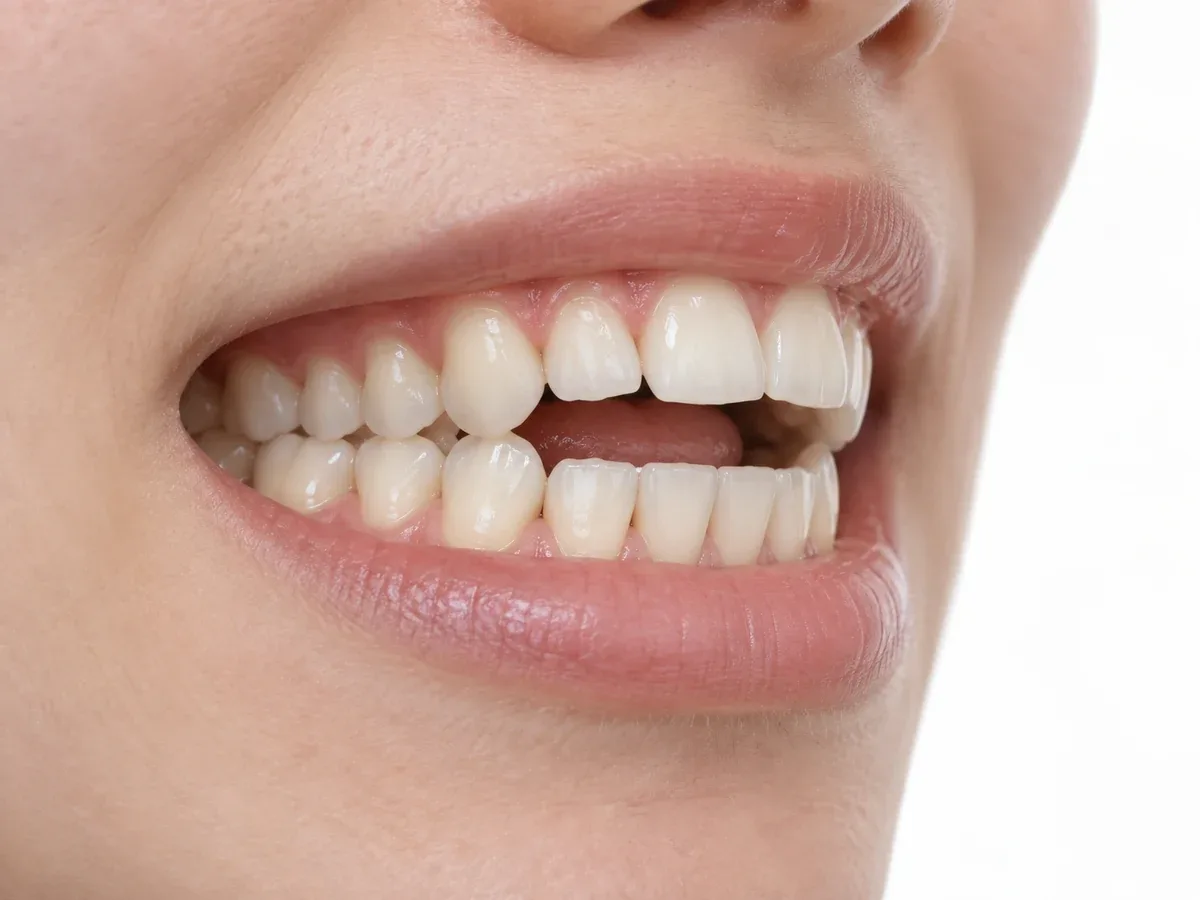
- An open bite means the upper and lower teeth do not meet, often just at the front.
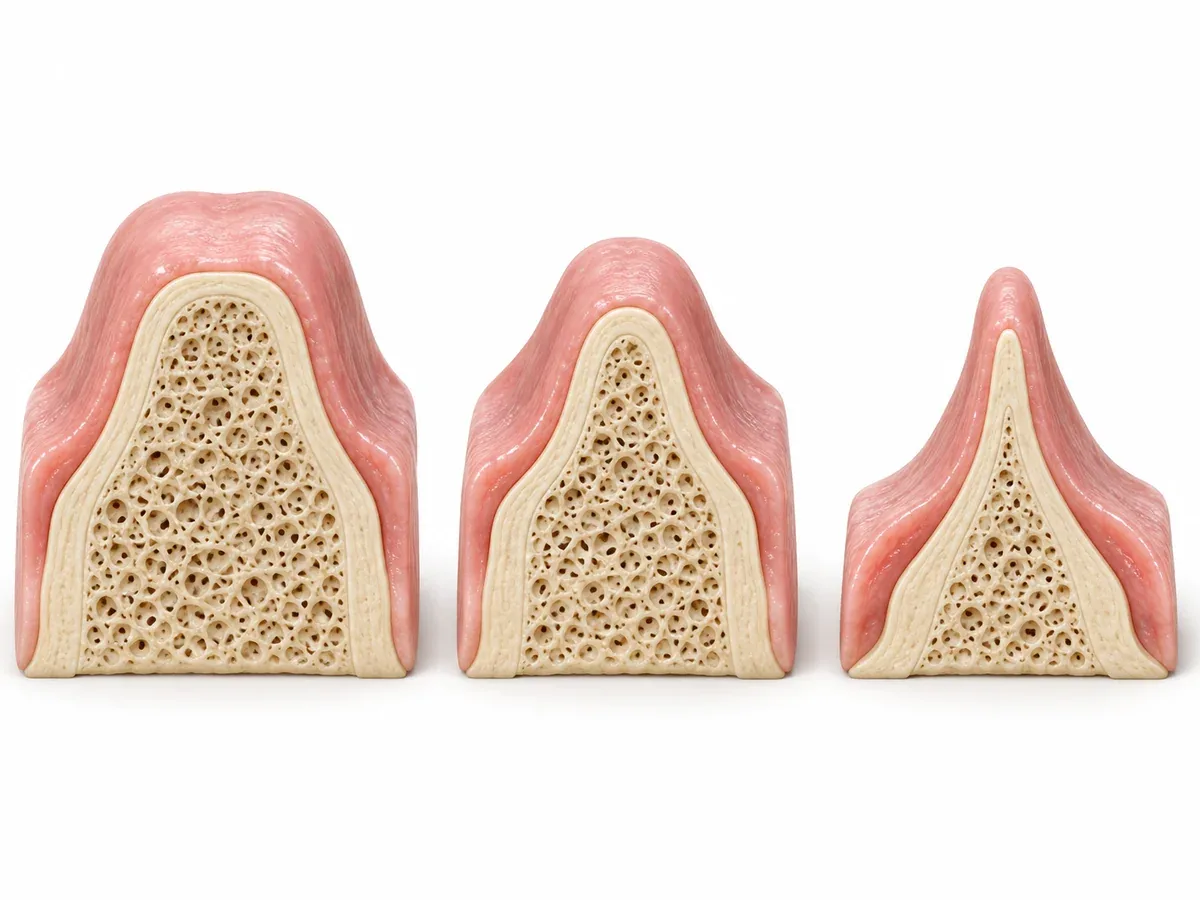
- Thumb-sucking and tongue-thrusting put steady pressure on the gum bone and can change where teeth sit, says Seoul National University Hospital.
- Front teeth that do not meet can be a reason for jaw surgery, but tests decide whether braces alone can help.
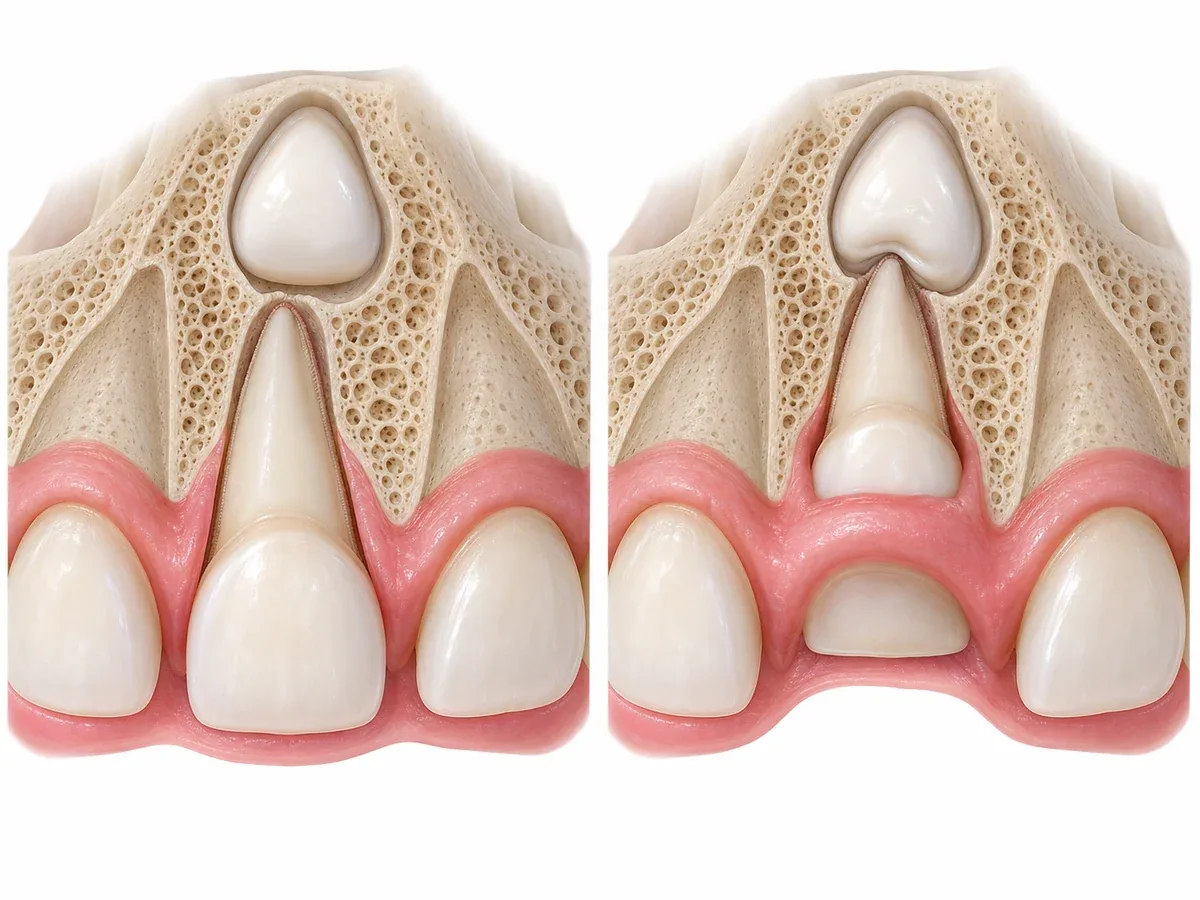
- A dispute Q&A noted that roots can appear shorter with an open bite, and advised regular X-rays of the front roots.
At orthodontic consultations in Busan, we often meet patients whose back teeth bite together while the front teeth leave a gap, so biting through noodles or lettuce is hard. That may be an open bite, and the usual question is whether braces can close it or surgery is needed. The answer depends on why the front teeth are apart.
For patients living in or visiting Korea, we provide 1:1 English interpretation from the first consultation through the end of treatment.
This column draws on hospital and national health portal guides, reports from the dental newspaper, and a consumer agency mediation case.
What is an open bite?
Seoul National University Hospital's malocclusion guide describes an open bite as a state where the upper and lower teeth do not meet.
In some cases the back teeth meet normally, and just the front teeth stay apart. This is what people mean when they say "my front teeth don't touch."
You can get a rough idea in front of a mirror. Close your back teeth gently. If there is a gap between the upper and lower front teeth, or their edges do not touch, it is worth having it checked.
The hospital's orthodontic treatment guide defines an open bite as front teeth that cannot meet and stay open. It lists it alongside two other bite problems:
- Underbite: the lower teeth sit in front of the upper teeth.
- Deep bite: the upper teeth cover too much of the lower front teeth.
- Open bite: the front teeth cannot meet and stay open.
Trouble shows up first in eating and speaking. The national health portal puts it simply: you cannot bite food off with your front teeth.
The malocclusion guide says gaps or poorly placed teeth can make speech harder. A poor bite also makes chewing harder, which can strain the stomach.
A mismatched bite can also strain the jaw joint and nearby muscles. For teenagers, facial imbalance can affect confidence.
Why do the front teeth stay apart in an open bite?
There is no single cause. The malocclusion guide sorts the causes into several groups. These are the ones that matter for an open bite:
- Genetic influence.
- A mismatch in tooth size, jaw size, or the upper and lower jaws.
- Childhood habits such as thumb-sucking or tongue-thrusting.
- Mouth breathing.
- Growth problems from a jaw injury in childhood.
Thumb-sucking and tongue-thrusting keep pressing on the gum bone. The guide says this pressure reshapes the bone, moves the teeth and leads to a bad bite. Mouth breathing also matters, because the position of the head, jaw and tongue shapes how teeth line up.
A specialist textbook on open bite in growing children, reviewed by the dental newspaper, takes a similar view. It names tongue habits, oral habits and the muscles that open the mouth as key causes of open bite during growth.
The book explains that the same open bite can be approached in many ways. Treatment is not one fixed answer but a plan fitted to each patient.
Sometimes the teeth are not the whole story. In a mediation case from the national consumer agency, a university hospital examined a patient whose front teeth did not meet. It found upper front teeth tilted toward the lip and a low tongue position.
The hospital also noted a gummy smile and a steep lower jaw angle, which are skeletal problems. It said jaw surgery might be needed to improve them. In one person, problems of the teeth, tongue and bone can overlap.

| Cause | What the sources say |
|---|---|
| Thumb-sucking or tongue-thrusting | Steady pressure on the gum bone reshapes it and moves the teeth |
| Mouth breathing | The position of the head, jaw and tongue changes how teeth line up |
| Tongue habits, oral habits, mouth-opening muscles | Named by the textbook as key causes during growth |
| Skeletal problems | In the mediation case, jaw surgery might be needed to improve them |
Can braces alone fix an open bite, or is surgery needed?
The national health portal sets out the standard. Jaw surgery is done when a bite problem is too severe for braces alone. It is also used when braces alone cannot fully improve the shape of the face.
Age matters too. The portal says growing children may avoid surgery when orthodontic treatment improves the skeletal problem. For adults who have stopped growing, surgery is needed to correct a skeletal mismatch.
The portal lists situations in which surgery may be needed.
- Trouble chewing, biting or swallowing food.
- Problems with speech.
- Front teeth that do not meet, so food cannot be bitten off.
- Front teeth that meet while the back teeth do not.
- Difficulty closing the lips.
- An asymmetric face, or a severely protruding or receding chin.
Right after the list, however, the portal adds that not everyone in these groups needs surgery. Whether surgery is needed, or braces alone can help, must be decided after several tests.
An orthodontist and an oral and maxillofacial surgeon diagnose together, and the portal suggests talking to the orthodontist first. Based on the tests, you hear the pros and cons of each approach.
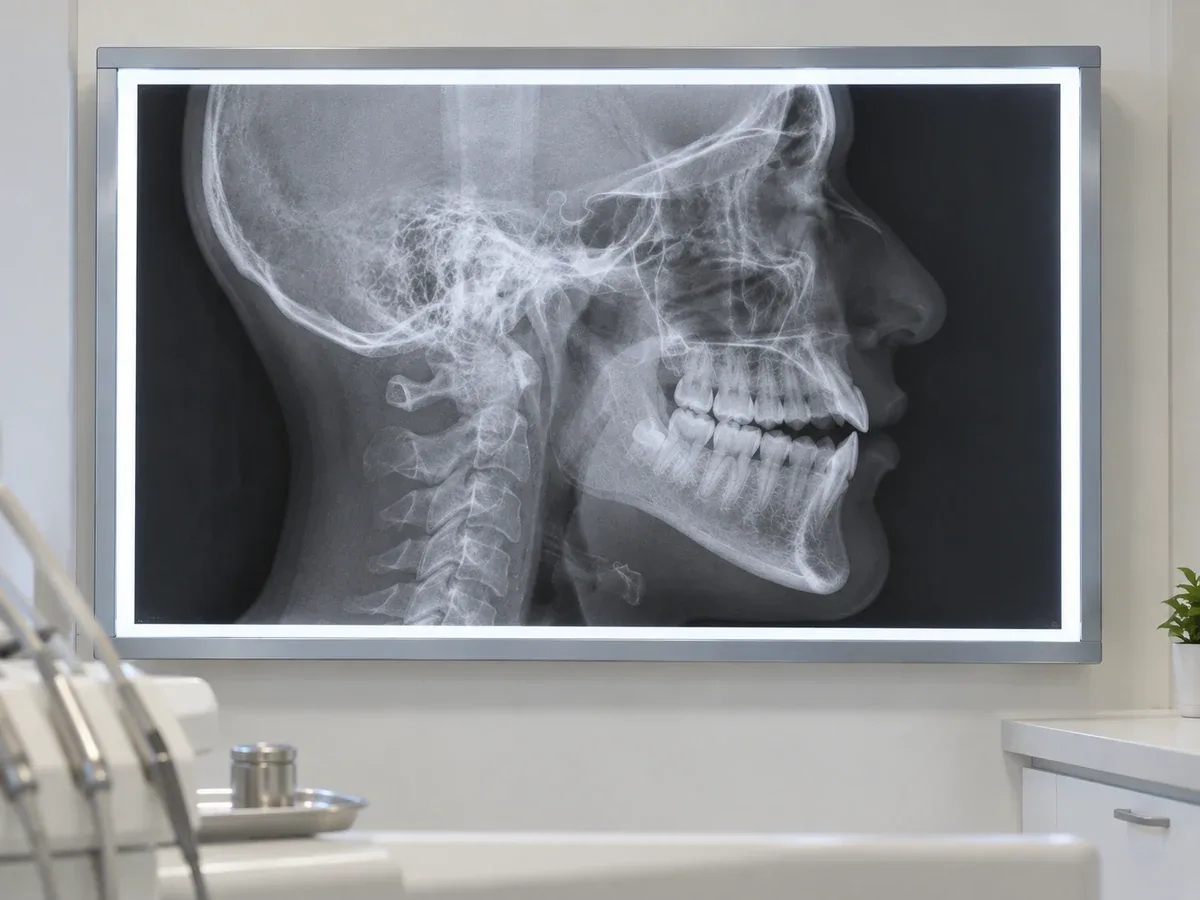
The malocclusion guide describes those tests. After an oral exam and interview, X-rays are taken: a panoramic view, front and side head images, and a wrist X-ray to see the growth stage. Photos of the face and teeth, and tooth models, complete the picture.
Together, these show whether the open bite comes from tilted teeth or from the shape of the jawbone. They also show whether growth is still ongoing.
| Condition | What the sources say |
|---|---|
| Growing child | Orthodontic treatment may improve the skeletal problem and avoid surgery |
| Adult skeletal mismatch | Surgery is needed to improve it |
| Bite problem too severe for braces alone | Jaw surgery is done |
| Front teeth that do not meet | Not everyone needs surgery; several tests decide |
| Braces with surgery | Usually 6 months to 1 year or more before surgery, and 6 months to 1 year after |
Two open bites that look the same may need different paths in a growing child and an adult. One photo cannot answer the surgery question.
How does treatment go when surgery is included?
The national health portal says an orthodontist and an oral and maxillofacial surgeon work together. The orthodontist first moves the teeth into place. The surgeon then moves the jawbone into the right position.
The portal stresses that jaw surgery is functional, not simply cosmetic. When the jawbone moves, the teeth in it move too, and jaw joint movement is strongly affected.
Orthodontic treatment before surgery has three aims:
- Straighten crooked teeth.
- Move the upper and lower teeth to fit their own jawbone.
- Make the upper and lower teeth fit well after surgery.
This stage usually takes 6 months to 1 year or more. The portal says it has become shorter and sometimes ends in 2–4 months. In some cases surgery comes first, and braces finish the work afterward.
Before surgery, impressions, photos and X-rays are taken again. A bite splint is made from them so the teeth meet well after surgery.
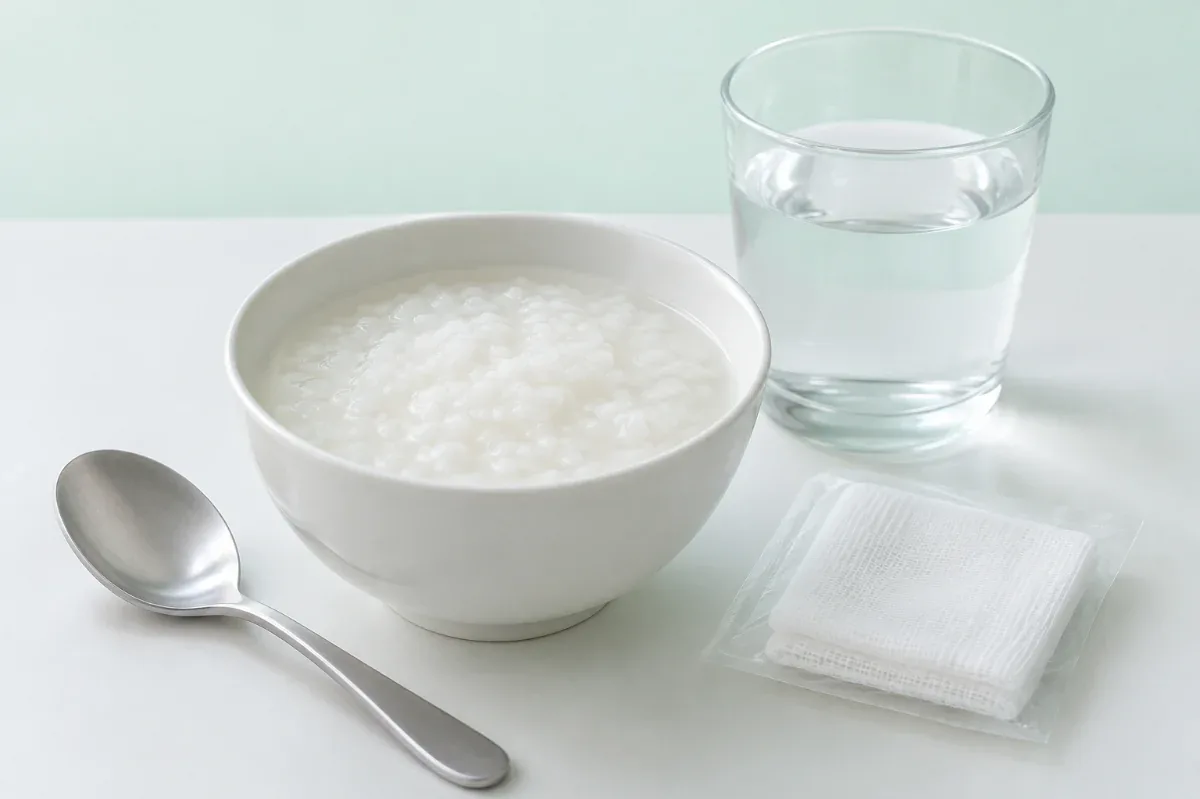
Right after surgery, the lips and cheeks swell a lot, which is normal and soon settles. Today the jawbone is fixed with small screws, so the jaws are not wired shut for long. A liquid diet is used while the jaw is fixed.
The portal says discomfort after surgery is not severe and can be managed with medication. Swelling fades in about 2 weeks.
Orthodontic treatment after surgery usually starts 4–6 weeks later and takes 6 months to 1 year. The remaining tooth movement is finished, and elastics may be used to refine the bite. All of this varies with the teeth and jaws.
If surgery is needed, tell the team about your medications and chronic conditions. It is a long treatment, so the portal advises understanding the process well beforehand.
What do we check when planning open bite treatment in Seomyeon, Busan?
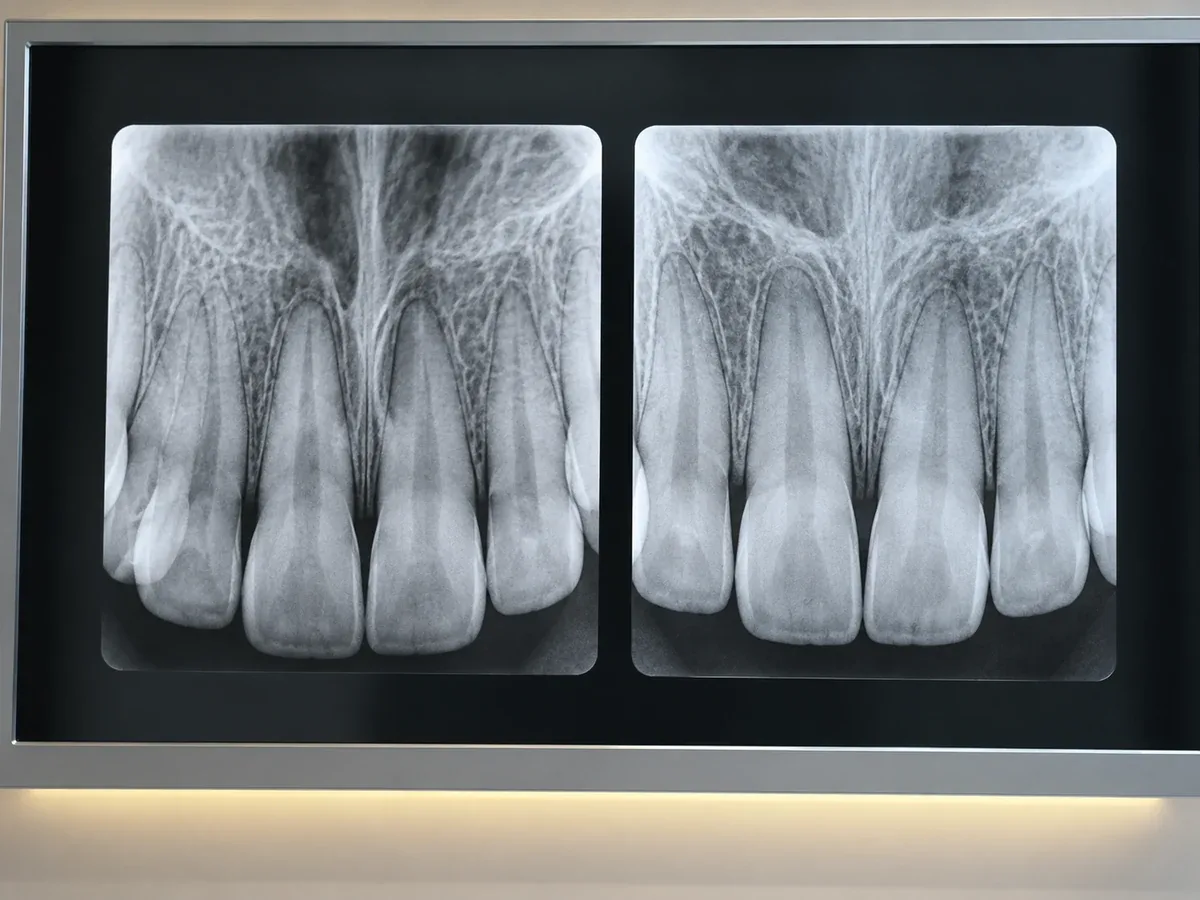
The first is the roots. A dispute Q&A in the dental newspaper, written by a Yonsei University dental professor, raised this point. Most patients in orthodontic treatment show some degree of root resorption, a shortening of the root.
Mild resorption is not a big problem. But if a third or more of the root is lost, function and stability can suffer. Root shortening also occurs in people who never had braces.
No one can predict which tooth will be affected, and a shortened root does not grow back. With an open bite or habits such as nail-biting, roots tend to be shorter than normal. Short roots are also more likely to shorten further during treatment.
So the professor advised checking the roots before treatment. For the front teeth, he recommended regular periapical X-rays, which show root changes more clearly than a panoramic image.
In the Q&A case, the front roots were not clearly imaged before or assessed during treatment. The author wrote that knowing them beforehand would have led to more care.
The second is space and growth. In the consumer agency case, a growing child was treated without extraction. An open bite of 3.0 mm was recorded during treatment.
While wearing a retainer after treatment, the child was diagnosed with an open bite at a university hospital. The expert panel found that extraction should have been done, but non-extraction was pushed through. With extraction, the bite would likely have closed or the gap stayed minor.
The panel also said growing patients need certain explanations in advance. These include lower jaw growth, the outlook with or without extraction, the need for a retainer, and treatment time.
The clinic in that case could not provide photos or models from during and after treatment, and the panel weighed this too. Good records help both patient and clinic.
| What to check | Basis in the sources and cases |
|---|---|
| Length of the front roots | Roots can appear shorter with an open bite |
| Remaining growth | Growing children may avoid surgery |
| Extraction or not | A mediation case faulted forced non-extraction |
| Tongue and habits | Tongue-thrusting and thumb-sucking move the teeth |
| Keeping the result | The relapse in the case was not caused by poor retainer wear alone |
How are habits handled during open bite treatment?
The malocclusion guide puts early childhood habits first in prevention. These include thumb-sucking, tongue-thrusting and lip-biting. It advises spotting them early and helping the child stop.
If needed, a habit-breaking appliance can keep a habit from turning into a bad bite. If an ear, nose and throat problem causes mouth breathing, it should be found and treated. Good posture also matters, as a slouched head during growth can hinder lower jaw development.
If a habit is part of the cause, the plan must cover it, not just tooth movement.
Habits are hard to notice yourself. Family members often see thumb-sucking at bedtime, the tongue pushing forward while talking, or sleeping with the mouth open. Telling us helps find the cause.
The orthodontic treatment guide also says patient cooperation with elastics, appliances and visits is needed. Habit appliances and elastics work when they are worn as instructed.

If you are looking into open bite treatment in Busan, start by finding out why the front teeth are apart. The path depends on whether it began in the teeth, the tongue or the bone. Once the tests are done, we can tell you whether moving teeth is enough.
At Reset Dental Clinic, we first look at the cause with X-rays and models, and explain what braces alone can do. If a habit is involved, we also discuss ways to reduce it.
Frequently asked questions
I am an adult. Can braces alone close my open bite?
The national health portal says an adult skeletal mismatch needs surgery. Yet it also says front teeth that do not meet do not always mean surgery. Tests must first show whether the cause is tilted teeth and tongue position, or the shape of the jawbone.
My child's front teeth are apart. Can we wait?
Start by checking for habits. The hospital guide advises spotting habits such as thumb-sucking or tongue-thrusting early and correcting them. The portal also says growing children may avoid surgery through orthodontic treatment.
Will the open bite come back after braces?
In the mediation case, the expert panel did not blame the post-treatment open bite on the retainer alone. Habits, skeletal pattern and the choice of treatment all play a part. After treatment, a retainer and regular bite checks follow.
Can I get open bite treatment in English in Busan?
Yes. We offer 1:1 English interpretation from the first consultation through the end of treatment. The clinic is near Seomyeon Station Exit 2 (5-min walk), opposite Lotte Hotel, and you can call 010-8555-2854 (+82-10-8555-2854 from abroad).
An open bite is treated by its cause, not by its look.
Teeth, tongue or bone:
finding where it began
decides whether braces alone are enough.
If you are considering open bite treatment in Busan, Reset Dental Clinic offers 1:1 English interpretation from your first consultation through the end of treatment. Call 010-8555-2854 to book a consultation.
References
- Seoul National University Hospital Medical Information, "Malocclusion" — open bite as upper and lower teeth that do not meet, sometimes with normal back teeth and just the front teeth apart; thumb-sucking and tongue-thrusting putting steady pressure on the gum bone, and mouth breathing; diagnosis with an oral exam, panoramic, head and wrist X-rays, photos and tooth models; clear speech as a goal of treatment; treatment usually taking 1–3 years, with surgery for skeletal malocclusion; speech problems from gaps; spotting habits early, habit-breaking appliances and treating ear, nose and throat causes of mouth breathing
- KDCA National Health Information Portal, "Jaw Surgery and Orthodontic Treatment" — jaw surgery when a bite problem is too severe for braces alone; growing children possibly avoiding surgery while adults need it for skeletal mismatch; front teeth that do not meet on the list of reasons for surgery; the note that not everyone needs surgery and tests decide; usually 6 months to 1 year or more of braces before surgery, and 6 months to 1 year after, starting 4–6 weeks after surgery
- Korean Dental Association newspaper Chiui Sinbo, "Clinical Tips for Treating Open Bite in Growing Patients" (May 6, 2026) — review of a specialist textbook on orthodontic treatment of open bite during growth, analyzing tongue habits, oral habits and mouth-opening muscle function as key causes, with a strategy for each; the view that the same open bite can be approached in many ways
- Korean Dental Association newspaper Chiui Sinbo, "Clinical Orthodontic Dispute Q&A (16): Root Resorption" (Nov 18, 2002) — a Yonsei University dental professor's answer on root resorption in a patient with protruding upper teeth and open bite; some resorption in most orthodontic patients, with problems when a third or more is lost; shortened roots not growing back; shorter roots with open bite or nail-biting; regular periapical X-rays of the front teeth
- Korea Consumer Agency dispute mediation case, "Claim for Damages Over Malocclusion After Orthodontic Treatment" — an 11-year-old treated without extraction later diagnosed with a skeletal Class I malocclusion and anterior open bite; a 3.0 mm open bite recorded during treatment; tilted upper incisors, gummy smile and low tongue position; the expert view that extraction should have been done; the finding that poor retainer wear alone could not explain the result; what growing patients should be told in advance
- Seoul National University Hospital Medical Information, "Orthodontic Treatment" — definitions of underbite, open bite and deep bite; the need for patient cooperation with elastics, appliances and visit schedules
Written by Reset Dental Clinic Support Team
Medical review Dr. Kim Hyun-joo, Head Dentist · Integrated Dentistry Specialist
Last updated: September 19, 2026
This column is for general information and does not replace diagnosis or treatment for individual patients. If you have symptoms, please see a dentist.