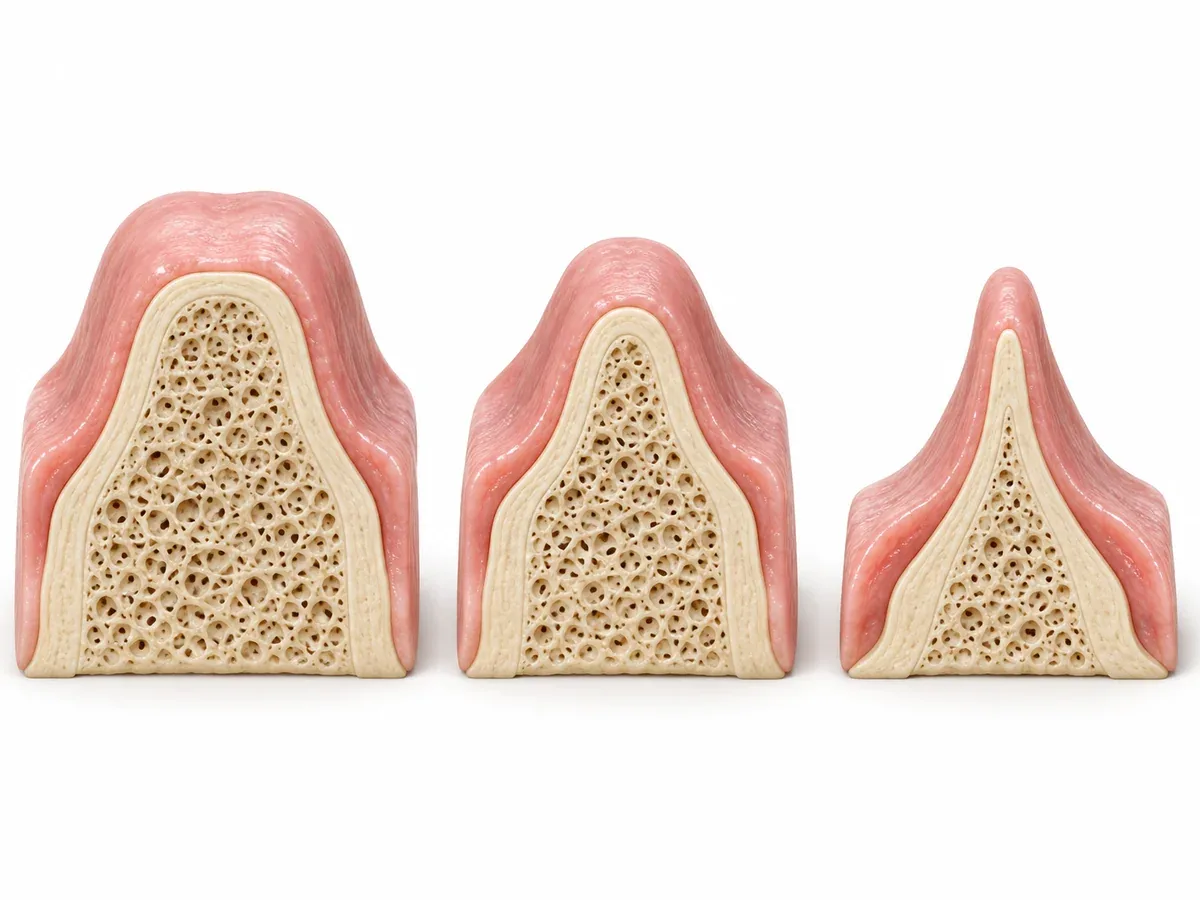
- Dental care continues through cancer treatment, but what we do changes.
- Sites that could become infected are settled before it starts.
- Procedures that open the gum are dated with your oncologist.
- A dry, fragile mouth changes how you clean your teeth.
After a cancer diagnosis there is little room left to think about teeth, yet the mouth is affected right through cancer treatment. This guide from Reset Dental Clinic in Seomyeon, Busan sets out what is done first, what is postponed, and what continues throughout. For patients living in or visiting Korea, we provide 1:1 English interpretation from the first consultation to the end of treatment.
Chemotherapy and radiotherapy act first on cells that divide quickly.
The lining of the mouth renews faster than almost any tissue in the body.
So the mouth becomes sore and dry early. A great many patients go through this.
Over the same period, the blood-forming function falls.
Bleeding takes longer to stop, and resistance to bacteria drops.
Inflammation in the mouth can then become the starting point of an infection in the body.
So the message is not to stay away from the dentist. It is to get the order right.
There is work to do first, work to postpone, and work that runs throughout.
Why see a dentist before cancer treatment starts?
Once cancer treatment is under way, procedures that open the gum become difficult. So we settle any site that could become infected while there is still time.
Deep decay, inflammation at a root tip and advanced gum disease are those sites.
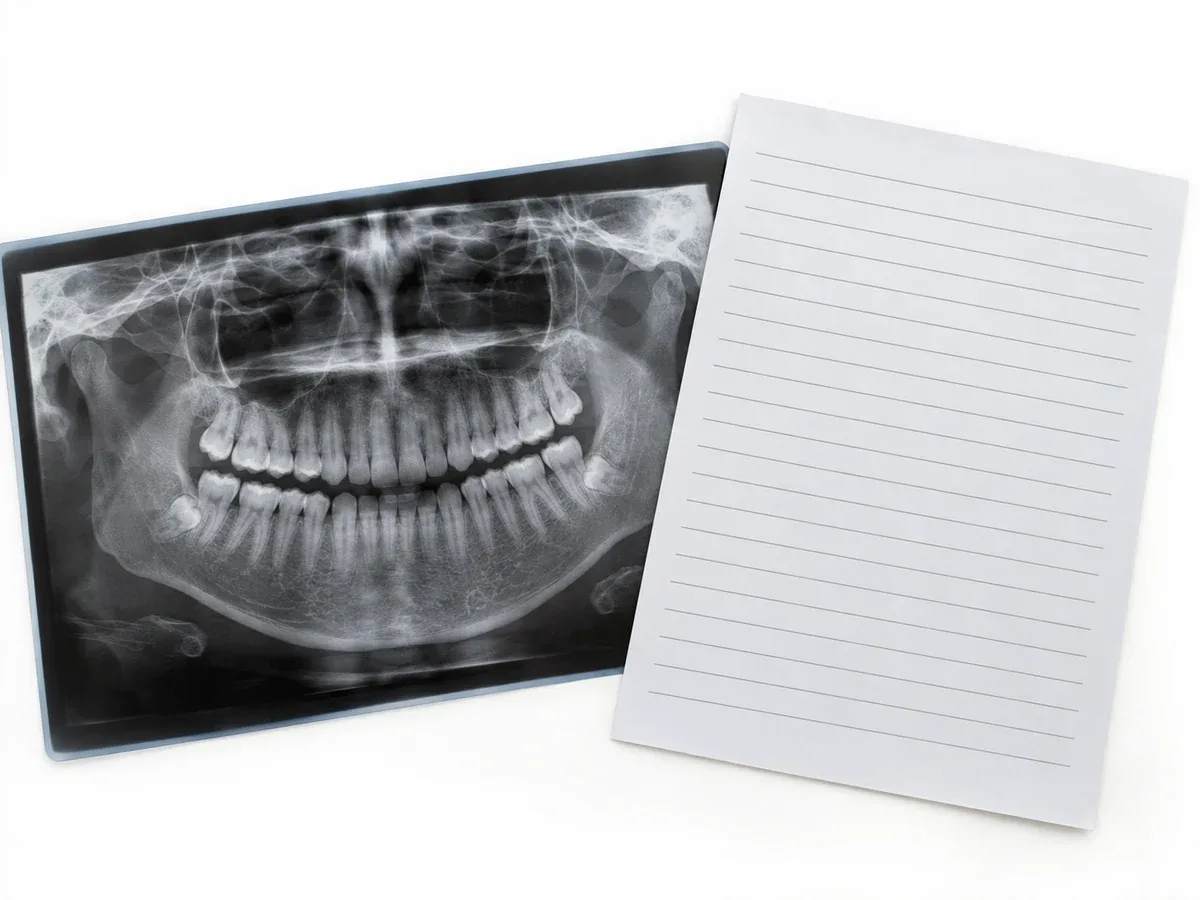
Ill-fitting crowns and sharp tooth edges are smoothed at the same time.
As the lining weakens, those edges rub it and it breaks down more easily.
If you wear a denture, we check the fit and ease any pressure spots.
Many patients start cancer treatment too soon to allow all of that.
In that case we settle one or two of the riskiest sites and leave the rest.
What comes first is decided against the schedule your oncologist has given you.
With about ten days before the start, we try to finish any extraction inside that window.
Healing needs time, and we usually allow around two weeks for it.
Where there is not enough time, we may calm the inflammation instead of extracting.
| Area | Done before treatment starts | Left for later |
|---|---|---|
| Decay | Fill the deep cavities first | Small, shallow spots |
| Gums | Settle severe inflammation | Gum reshaping for appearance |
| Wisdom teeth | Remove ones that swelled often | Buried teeth without symptoms |
| Crowns | Repair sharp or loose ones | Replacement to match colour |
| Implants | Not placed | After treatment is finished |
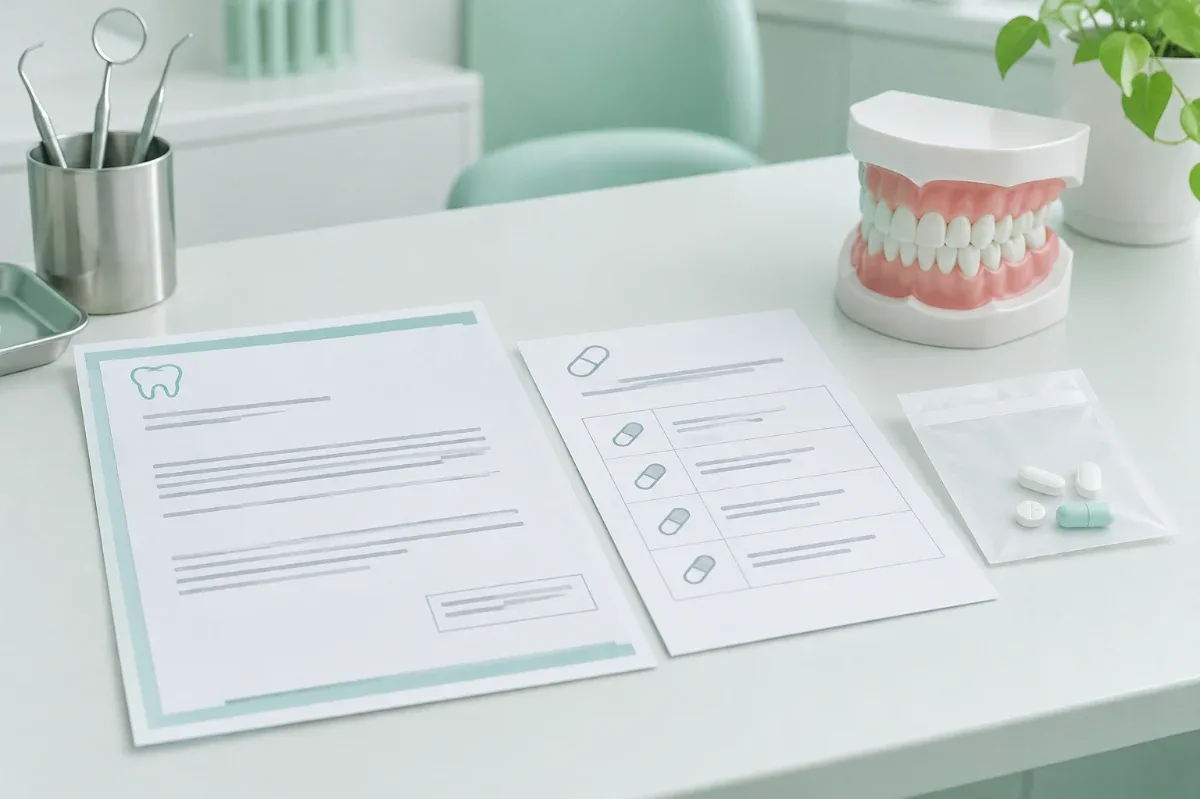
Bringing your test results or a medical certificate makes that conversation much quicker.
What happens in the mouth during cancer treatment?
The most common change is a sore, broken-down lining.
It often appears five to seven days after a dose of chemotherapy.
During a break from the drug the lining grows back, which takes two or three weeks.
Dryness is the next change, with saliva noticeably reduced. Taste often shifts too.
| What happens | When it usually appears | How the clinic helps |
|---|---|---|
| A sore mouth | Five to seven days after a dose | Smooth sharp edges, advise on rinsing |
| A dry mouth | Throughout treatment | Fluoride, saliva substitutes, closer check-ups |
| Changed taste | Rises and falls with each cycle | Switch to a milder toothpaste |
| Slow bleeding | While blood counts are low | Postpone procedures in that period |
| Swelling and abscess | While blood counts are low | Clear infected sites in advance |
These changes do not all arrive together, and they differ between patients.
Dryness, though, is felt by nearly everybody.
That is why dental review carries on during cancer treatment.
We book your visits closer together than usual, generally every two to three months.
Tell us your treatment cycle and we fit the appointment into the gap between doses.
What should I do when my mouth is sore?
First, do not stop cleaning. Many patients give up because it hurts.
Without cleaning, bacteria multiply, and the soreness grows worse and lasts longer.
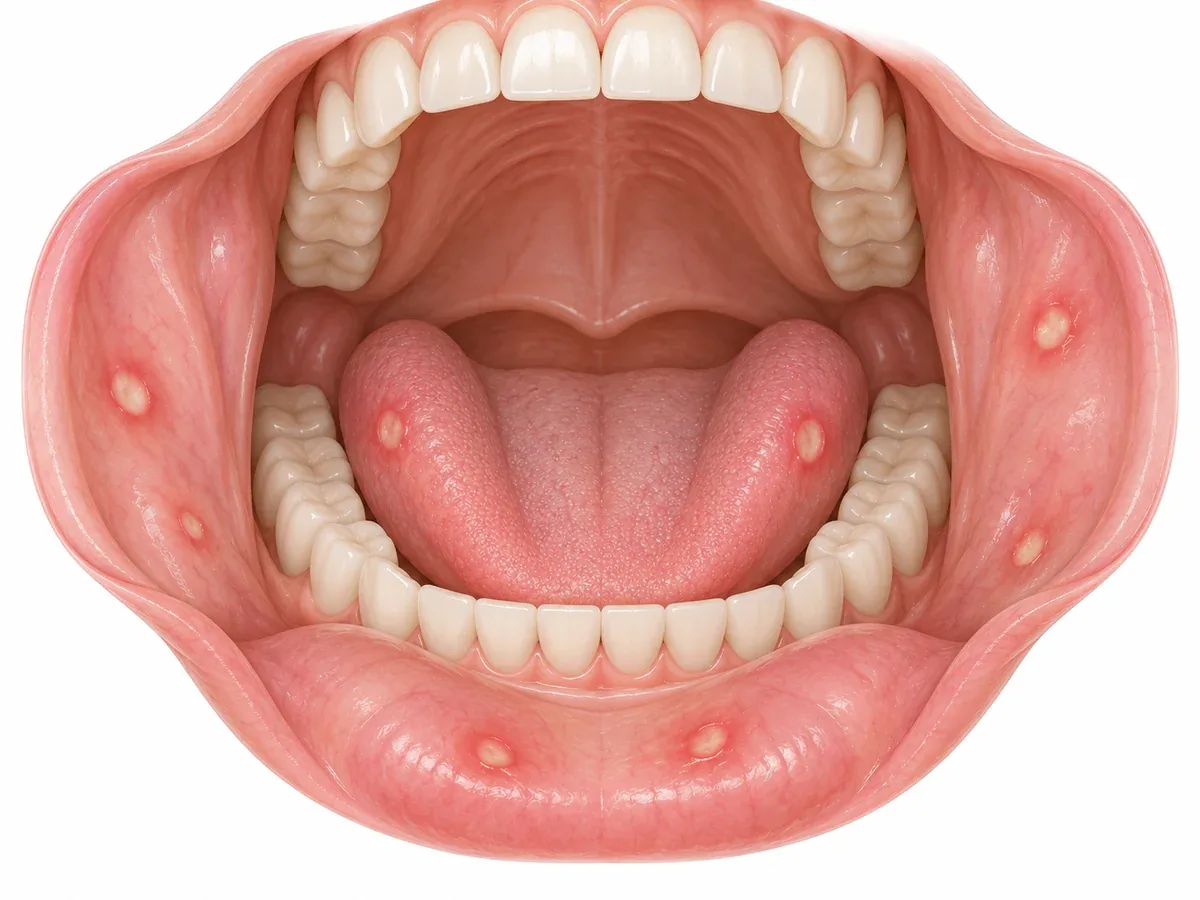
Avoid mouthwash containing alcohol, which dries an already dry mouth further.
If your oncologist has prescribed a rinse, use that one.
Spicy, salty and acidic food hurts more, so sour fruit such as orange and grapefruit is worth avoiding. Very hot and very cold food sting as well.
- Keep cleaning with a very soft brush
- Avoid mouthwash containing alcohol
- Rinse often with lukewarm salt water
- Avoid spicy, salty and acidic food
- Avoid very hot and very cold food
- Keep a balm on your lips
Tell us if a white film appears, or if one patch refuses to heal.
Sometimes a fungal infection has set in on top, which needs its own medicine.
A sore patch that has not healed in two weeks is not left alone. We photograph the site and follow it.
Why does my mouth feel so dry?
The salivary glands are affected as well, so saliva falls and thickens.
Saliva washes food debris away and neutralises acid.
With less of that work being done, decay arrives far faster.
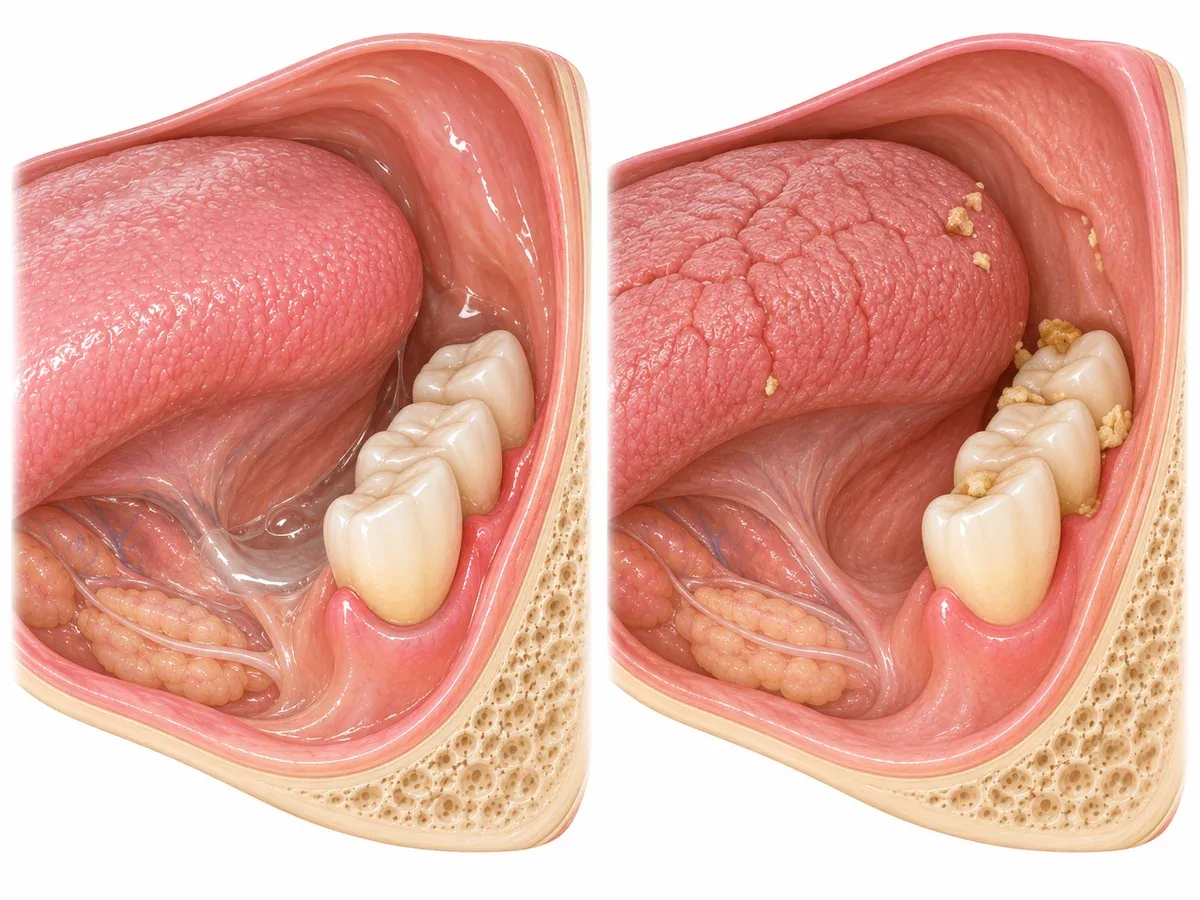
It appears especially near the gum, on the root surface, which is the weaker area.
A dry tongue stings, and taste fades.
So a dry mouth during cancer treatment is managed deliberately rather than tolerated.
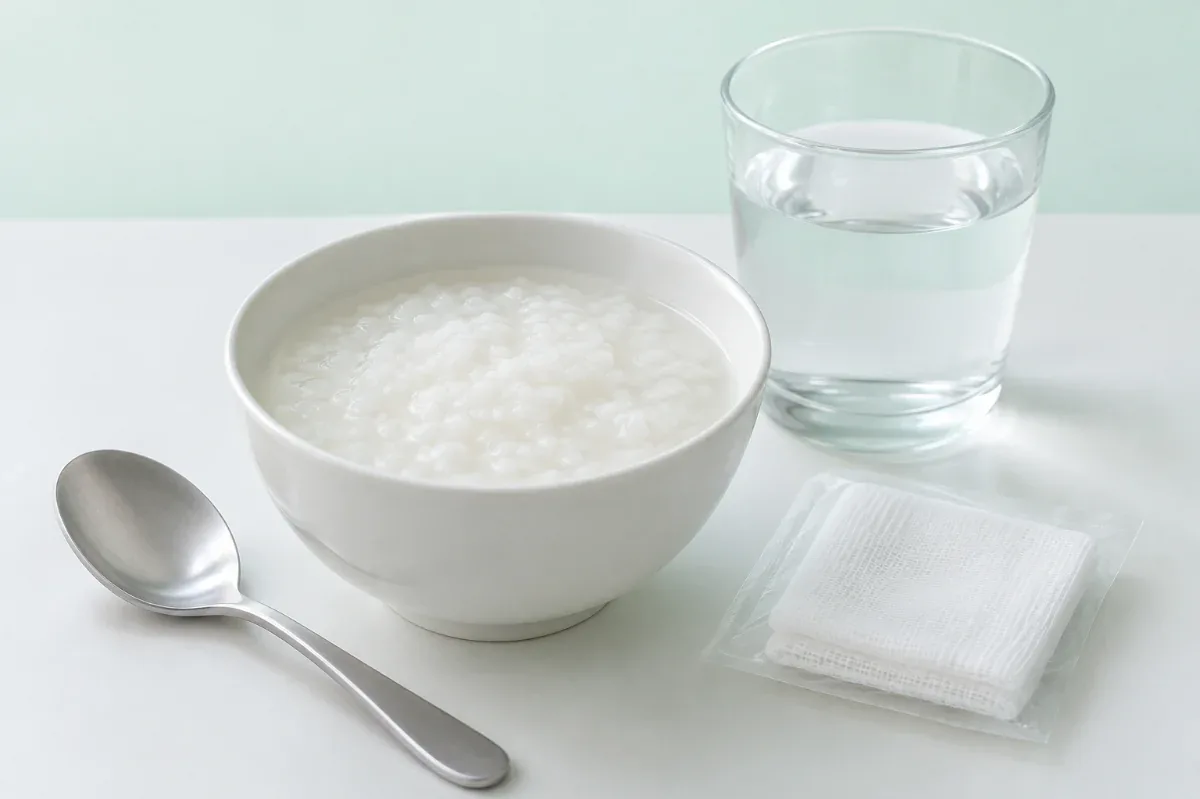
Sipping water often through the day is the most basic step.
Sugar-free gum or sweets can also keep saliva moving.
Some patients use a saliva substitute, which helps particularly at night.
We apply fluoride frequently to harden the outer surface of the teeth.
We also set you up with a fluoride toothpaste or gel to use at home.
Caffeine and alcohol dry the mouth further, so cut them down in that period.
Dryness sometimes stays long after cancer treatment has finished.
Can a tooth be pulled during cancer treatment?
During cancer treatment we postpone it where we can. Occasionally it cannot wait.
In that case we look at the blood counts and set a date.
We aim for a point where white cells and platelets have recovered.
We ask your oncologist for those figures and act on the answer.
Whether to give an antibiotic beforehand also follows your oncologist's view.
- Postpone until after treatment where possible
- If it cannot wait, set the date from blood counts
- Ask the oncologist first
- Watch the bleeding for longer than usual
- Review the site frequently afterwards
Where the trouble is pain, root canal treatment can carry the tooth through.
Settling the inflammation without extracting is often the better route.
Urgent extractions during cancer treatment are rarer than people expect. Most of those periods can be carried with medicine and simple care.
Is radiotherapy to the jaw different?
It is. Patients irradiated around the head and neck are handled separately.
Irradiated bone has a poorer blood supply, so its capacity to heal falls.
Pulling a tooth from that area can leave a site that does not heal well.
So anything due for extraction is removed before radiotherapy begins.
We check which area was irradiated and at what dose first. That record is held by the hospital that treated you, so please bring it.
- Check which area was irradiated
- Look for a route that avoids extraction
- Where extraction is unavoidable, consult the hospital
- Dry-mouth care continues for years
- Keep applying fluoride
Patients irradiated at the jaw have a far drier mouth, and decay then spreads quickly.
Some patients find the mouth opens less widely, and we show them jaw exercises.
All of this is a consequence of the cancer treatment, not a sign that something was done wrongly.
What about the injection that affects the jawbone?
Where cancer has spread to bone, a bone-protecting injection is sometimes given alongside.
That medicine slows bone being broken down, and slows new bone being built as well.
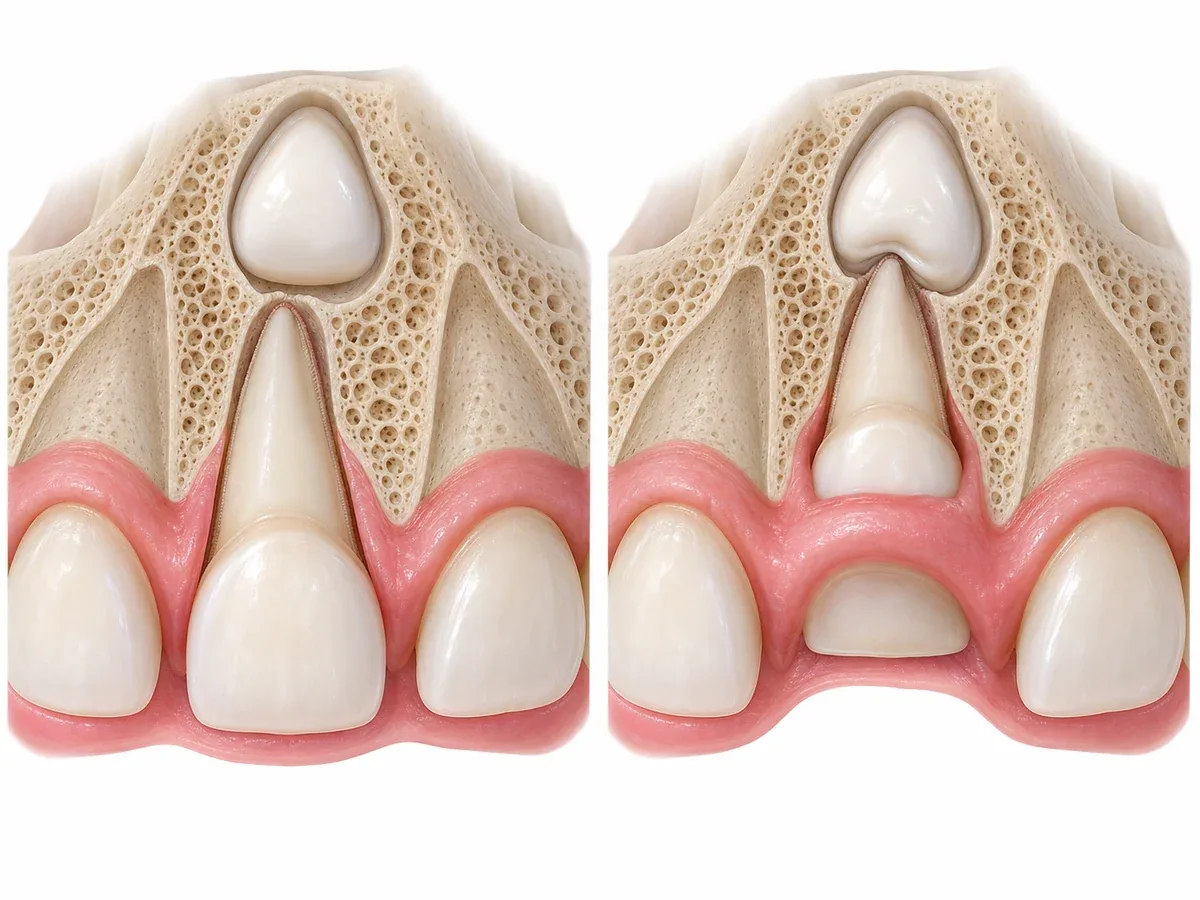
So opening the gum and disturbing the bone can, in rare cases, leave a site that does not heal.
It happens in the jawbone in particular, because oral bacteria reach it.
It is uncommon, yet it lasts a long time once it occurs, so we take care in advance.
If you are already receiving it, please tell us the name of the medicine and how many doses you have had.
| Situation | What we do | What we postpone |
|---|---|---|
| Before the injection starts | Remove teeth due for extraction | Nothing |
| While receiving it | Cleaning and fillings | Extractions and implants |
| When painful or swollen | Settle the inflammation | Procedures that open the gum |
| After it finishes | Discuss timing with the oncologist | Surgery that is not pressing |
The level of risk differs from that of tablets taken for thin bones, and the injection calls for more caution.
So knowing the exact name of the medicine matters. Your pharmacy envelope or prescription is the surest way.
How should I clean my teeth at home?
Through cancer treatment, the thing that matters most is not stopping.
When it hurts, clean more gently and more slowly.
Use a brush with very soft bristles. A children's brush is fine.
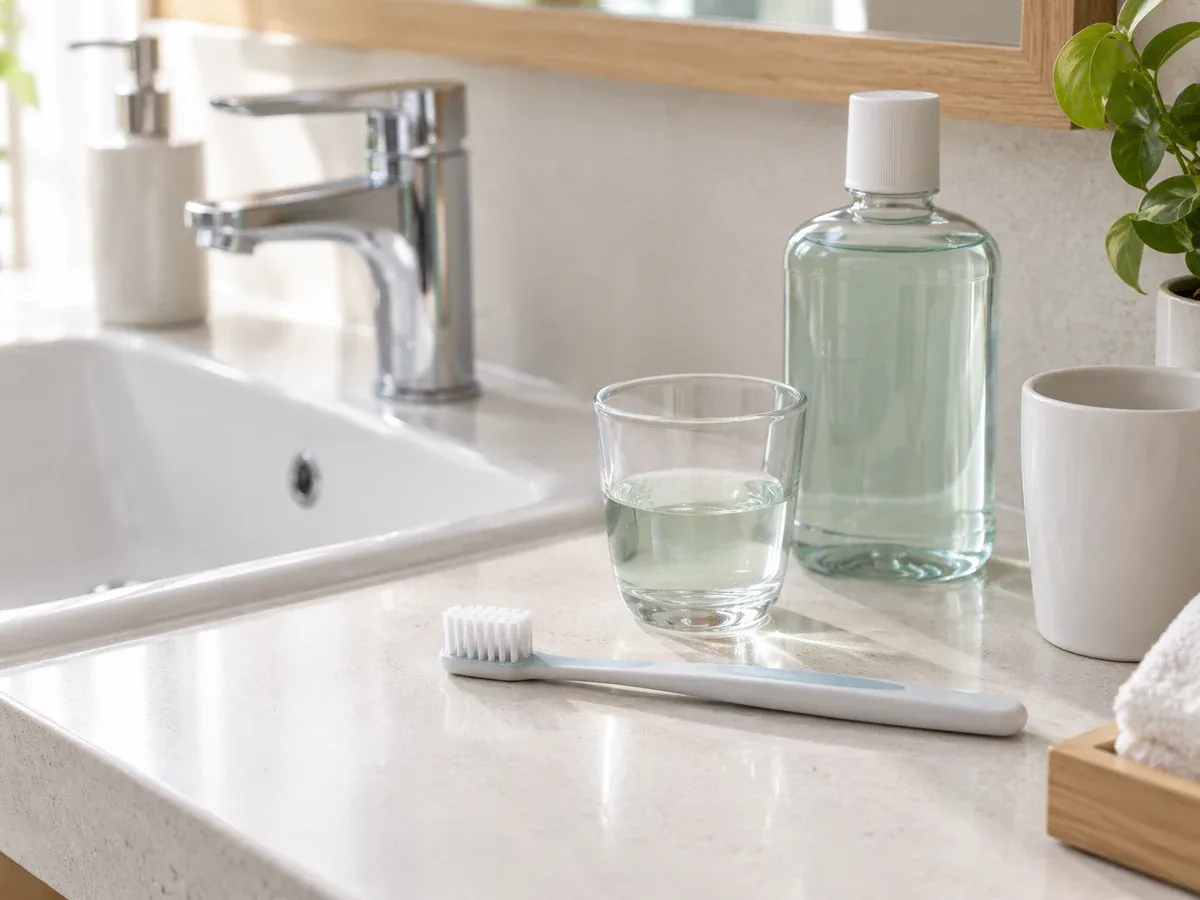
Change to a toothpaste that foams little and tastes mild.
Keep using a fluoride toothpaste, because holding decay back matters here.
If floss hurts, change to a soft interdental brush.
A little bleeding is common. Tell us if there is a lot of it.
- A very soft toothbrush
- A mild toothpaste containing fluoride
- Lukewarm salt-water rinses
- Alcohol-free mouthwash
- Small sips of water through the day
- Lip balm
If you wear a denture, it is better left out at night.
Take it out, clean it and keep it in water, so the pressure spots can rest.
Look in your mouth with a mirror often, which helps you find changes early.
A white film, a red patch or a sore that will not heal can be photographed and brought in.
When does dental work resume in Busan after cancer treatment?
A point arrives when the postponed work can be done.
That is generally once blood counts have returned and the body has recovered.
When your oncologist says it is reasonable, we begin working through the list.
We go in order of urgency. Pain and an inability to chew come first.
Work that takes time, such as an implant, is looked at after that.
- Clear the painful sites first
- Rebuild what you cannot chew with next
- Carry out the postponed gum treatment
- Leave surgery that is not pressing until last
- Review every cavity that appeared along the way
Dry-mouth care carries on after cancer treatment ends, so we keep the check-up interval shorter than usual.
Saliva is among the slowest things to return.
How do we start here?
First we ask what treatment you are having and when it begins.
We confirm the names of your medicines and whether any are given by injection.
We always ask whether you have had radiotherapy to the head or neck.
If a procedure that opens the gum is needed, we write to your oncologist and wait for the reply before setting a date.
- Ask about the treatment and the schedule first
- Confirm medicine names and any injections
- Confirm the irradiated area
- Write to the oncologist, then set the date
- Book check-ups closer together
At each visit we photograph the mouth so changes can be compared.
We do not push to finish everything at once. Your general condition comes first.
Our clinic sits near Seomyeon Station Exit 2, a five-minute walk away, which makes it easy to call in on the way to the hospital.
Dental care and cancer treatment in short
Dental care continues through cancer treatment. What changes is the work and its timing.
Before it starts, sites that could become infected are settled in advance.
Where a tooth is due out, we finish about two weeks ahead to allow healing.
During treatment the mouth becomes sore and dry. Nearly every patient goes through it.
Keep cleaning even when it hurts, because stopping makes the soreness worse.
Avoid mouthwash containing alcohol and rinse often with lukewarm salt water.
Procedures that open the gum are dated from blood counts, with your oncologist.
Patients irradiated at the head and neck have extractions planned with extra care.
If you receive a bone-protecting injection, tell us the name and the number of doses.
Once treatment finishes, the postponed work is done in order of urgency.
Frequently asked questions
Can I have scaling during chemotherapy?
If bleeding is stopping normally, a light scaling is possible. We confirm the counts before deciding.
Must a wisdom tooth come out before cancer treatment?
If it has swollen often, removing it beforehand is the better course. Where time is short, we settle the inflammation instead.
My mouth hurts too much to clean. What now?
Change to a softer brush and rinse often with salt water. Stopping makes matters worse.
Can I be treated in English in Busan during cancer treatment?
Yes. We provide 1:1 English interpretation from the first consultation to the end of treatment. Call 010-8555-2854, or +82-10-8555-2854 from abroad.
Keep the dentist in the plan, and keep the order right.
The mouth is affected right through cancer treatment,
so what is done first and what waits both matter.
For dental care during cancer treatment in Seomyeon, Busan, Reset Dental Clinic supports patients in Korea with 1:1 English interpretation. Call 010-8555-2854 to arrange a consultation.
References
- KDCA National Health Information Portal, "Chemotherapy" — changes in the lining of the mouth and how to manage them
- KDCA National Health Information Portal, "Stomatitis" — care for a sore, broken-down mouth
- KDCA National Health Information Portal, "Dry Mouth" — what happens when saliva falls
- KDCA National Health Information Portal, "Systemic Disease and Periodontal Treatment" — gum care for patients with a systemic condition
Written by Reset Dental Clinic Support Team
Medical review Dr. Kim Hyun-joo, Head Dentist
Last updated: November 3, 2026
This column is for general information and does not replace diagnosis or treatment for individual patients. If you have symptoms, please see a dentist.