- The whole day comes down to protecting the blood clot.
- Eat after the anaesthetic has worn off.
- Start with lukewarm, soft food.
- Straws and cigarettes pull the clot out.
Patients ask what they should eat today as they leave. The answer is simple, and knowing the reason makes it easier to follow. Reset Dental Clinic in Seomyeon, Busan provides 1:1 English interpretation from the first consultation through to the end of treatment.
This column is for patients living in or visiting Korea.
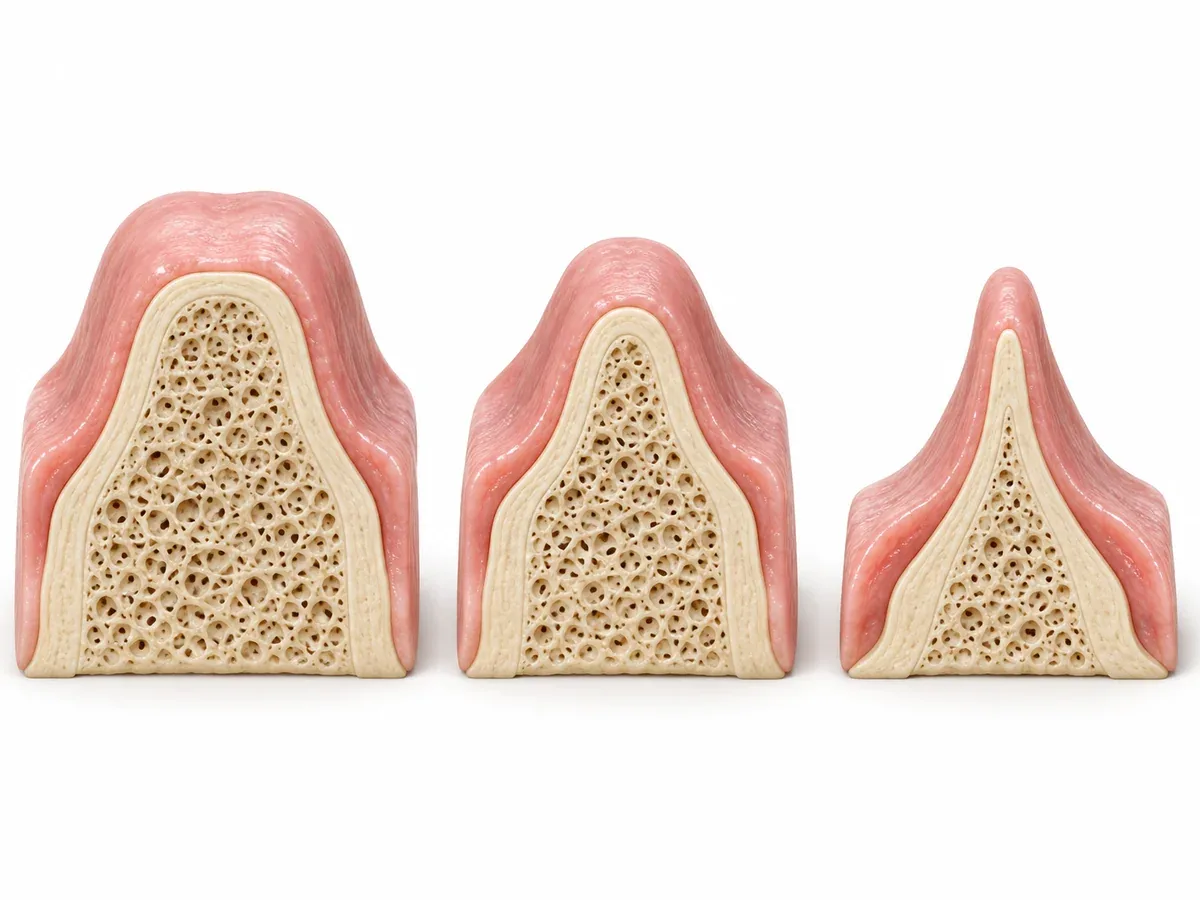
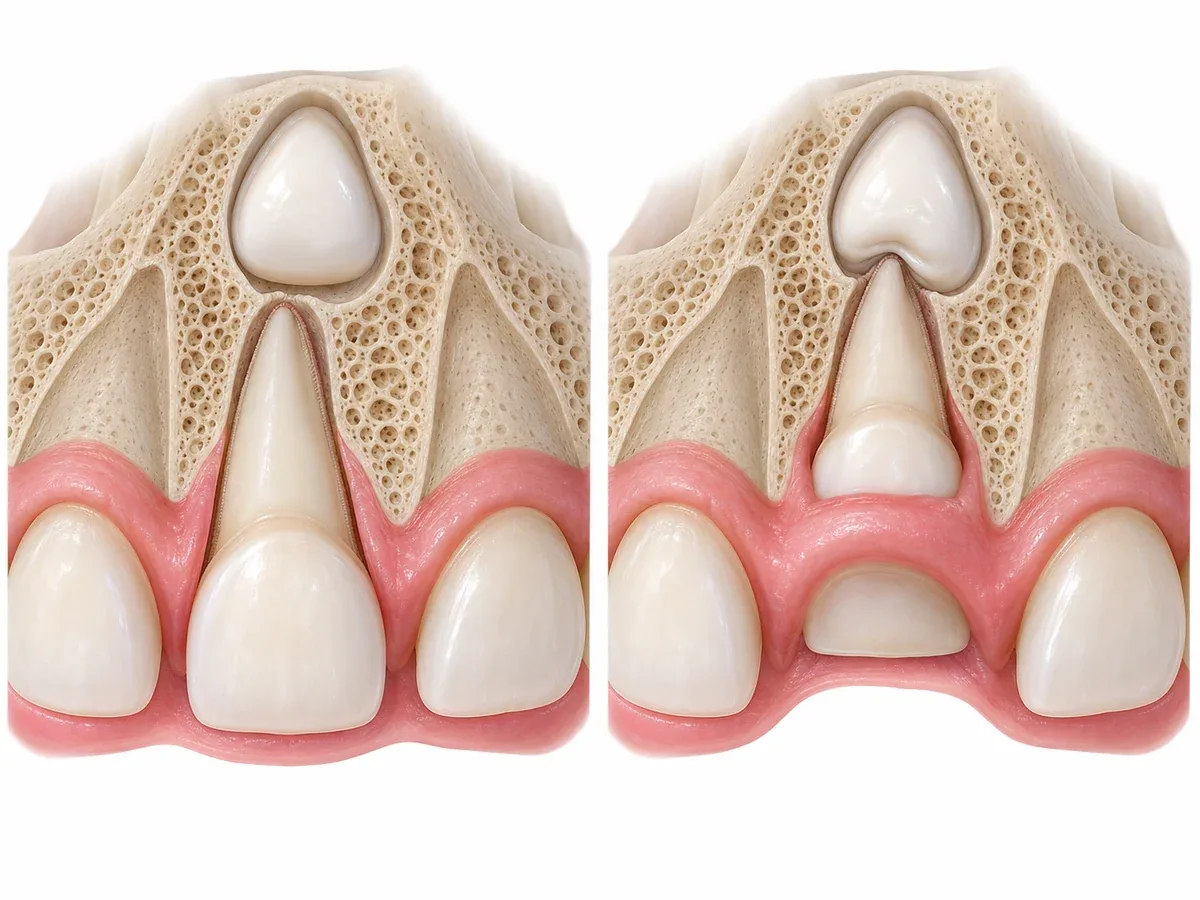
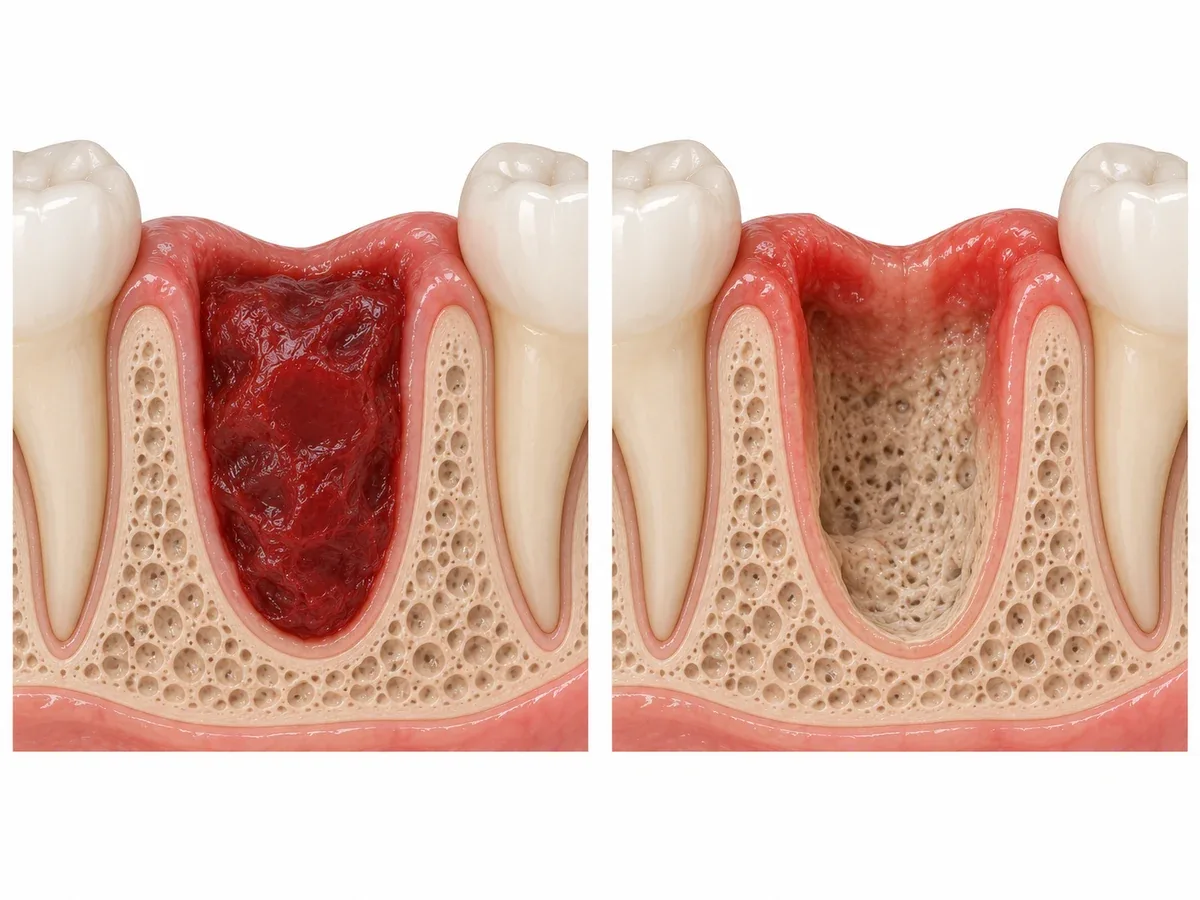
An extraction leaves a hole in its place. It is a small socket surrounded by bone.
Blood pools there and sets into a lump. That lump is the blood clot.
The clot works as a lid over the bone and nerve. It is also the scaffold new tissue grows into.
Healing begins on top of that clot, so the clot comes first. If it is lost, bare bone hurts a great deal.
Almost every instruction for the day of an extraction exists to protect it. What you eat comes from the same reason.
What happens in the socket after an extraction?
What happens in the first hour?
Blood pools for the first few minutes and then sets. Once the clot has settled, the bleeding stops.
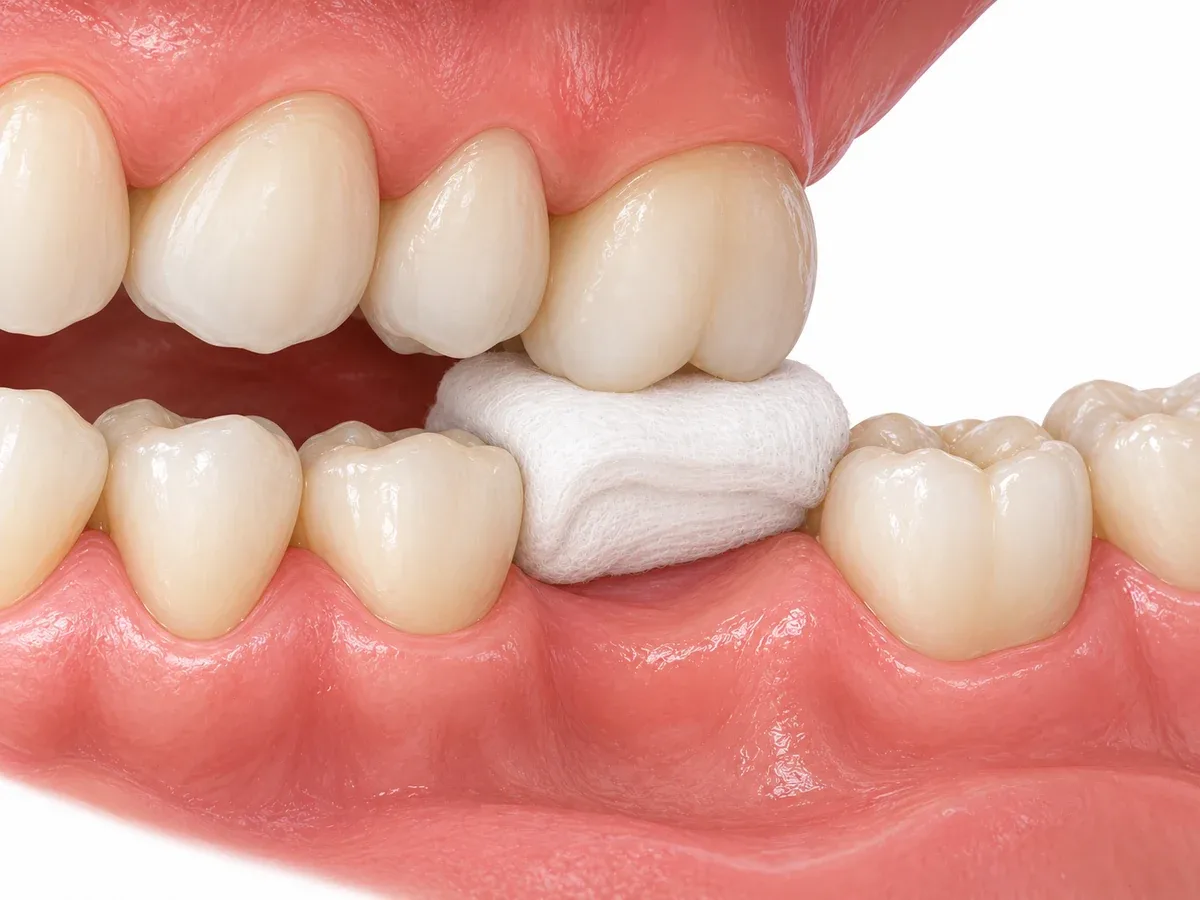
That usually takes thirty minutes to an hour, which is why we ask you to bite on gauze.
What happens over the next two weeks?
A thin film covers the clot within a day or two. New tissue grows in beneath that film.
The gum takes about two weeks to close over. Bone takes several months to fill in.
The surface closes long before the inside does. The clot is the first step.
| When | What happens there | What you should do |
|---|---|---|
| Right after the extraction | Blood pools and sets | Bite firmly on gauze |
| The same day | The clot settles in | Leave it alone |
| Day two | A thin film covers it | Begin rinsing gently |
| One week | The gum narrows | Soft meals |
| Two weeks | The gum has nearly closed | Normal meals |
| Several months | Bone fills in | Regular check-ups |
Which days need the most care?
The first two days are the most delicate. Get through those and the body handles the rest.
That is why the instructions for extraction day are long. Older patients and those with diabetes heal more slowly.
Smoking slows it noticeably. An extraction does not end when the tooth comes out, and knowing what follows makes it less worrying.
What should you eat on the day of your extraction in Busan?
What is safe to eat?
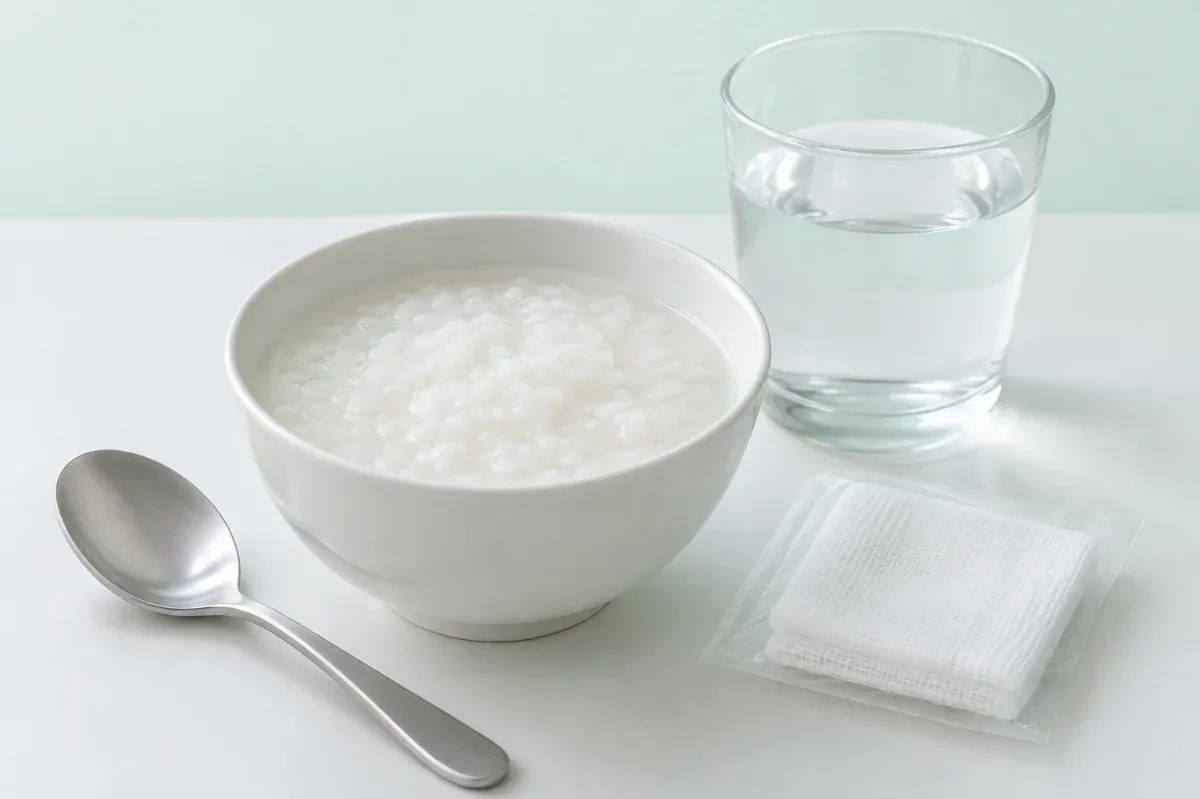
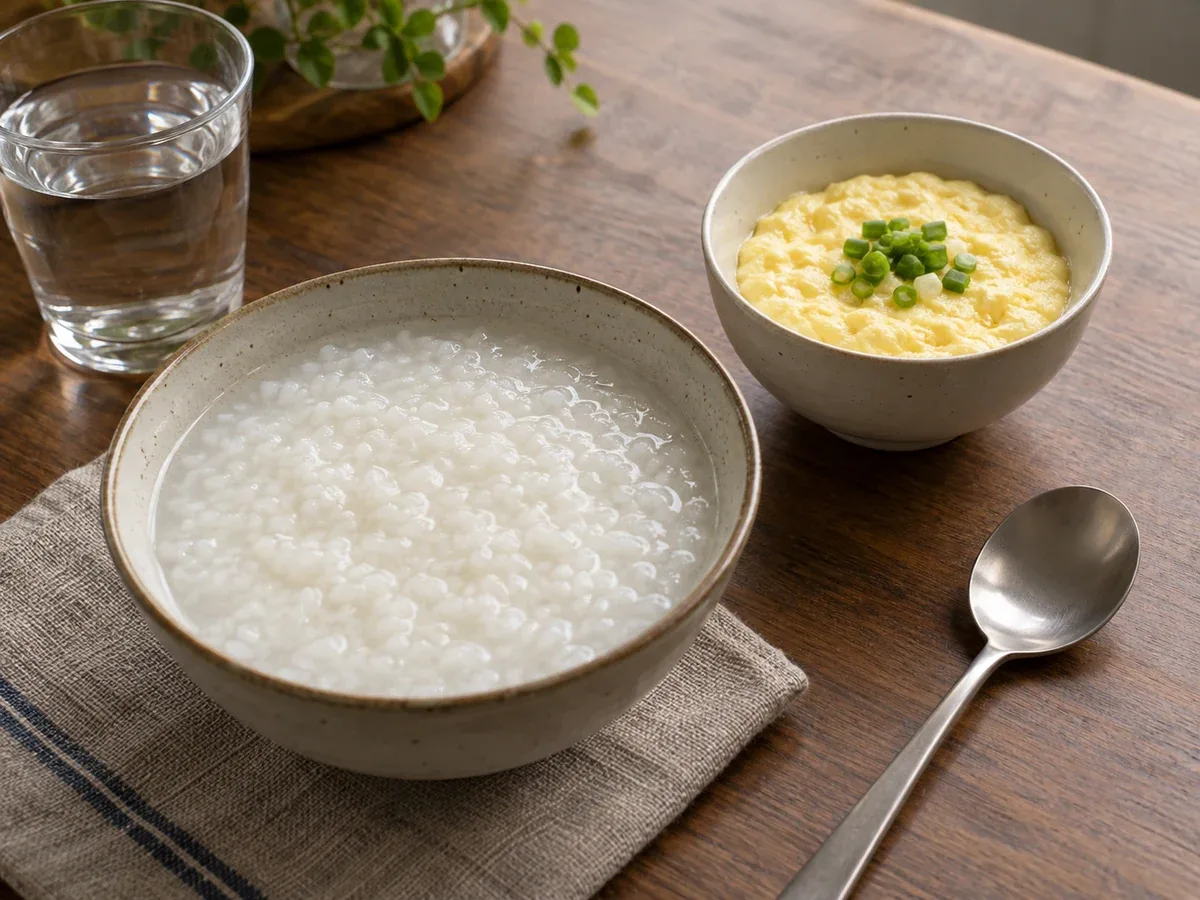
Lukewarm and soft food. Something that needs no chewing is ideal.
Porridge, thin rice gruel, mashed potato and soft tofu all work. Yoghurt and pudding are fine too, cold if you prefer.
What should you avoid?
Hot food, above all. Heat widens the blood vessels there and bleeding can start again.
You can eat rice chewing on the other side, though we do not advise it on the day. Avoid anything grainy, which lodges in the socket.
Sesame, nuts, brown rice and popcorn are the usual culprits.
- Porridge and thin rice gruel
- Mashed potato and pumpkin soup
- Soft tofu and steamed egg
- Yoghurt and pudding
- Blended drinks, taken without a straw
- Lukewarm soup
What about water and medicine?
After eating, let lukewarm water wash gently around the mouth. Do not spit hard; let it flow out.
Missing a meal that day does no harm if you drink enough water. With medicine to take, avoid an empty stomach.
A little gruel before the tablets is better. Patients with diabetes should not skip meals.
| Situation | What to have | What to avoid |
|---|---|---|
| Extraction in the morning | Porridge or gruel for lunch | Hot soup and rice |
| Extraction in the afternoon | Yoghurt or soup for dinner | Meat and nuts |
| Medicine to take | A little gruel first | Tablets on an empty stomach |
| Feeling thirsty | Lukewarm water from a cup | Anything drunk through a straw |
| Wanting something sweet | Pudding or ice cream | Anything with grains in it |
Often just one meal needs care, depending on the time of the extraction. After a morning extraction, dinner can be a little more substantial.
Why wait until the anaesthetic wears off?
What is the risk?
While you are anaesthetised, the lip and cheek have no feeling. Chewing then means you can bite yourself without knowing.
A fair number of patients arrive having bitten the lower lip or inner cheek badly. You also cannot feel a burn from hot food.
How long does it last?
Usually two or three hours, and sometimes as long as four. The lower molar region lasts longer because the block is wider.
Eat once the feeling starts to come back. Touch the lip lightly to check, and if it still feels like someone else's lip, wait.
- The lip and cheek have no feeling
- You cannot tell if you bite yourself
- You cannot feel a burn
- It usually wears off in two or three hours
- Lower molars take longer
What about children?
Watch a child especially closely. Children keep biting a numb lip.
Coming back the next day with a swollen lip is common. Water alone is the safe choice until the feeling returns.
Why are straws, smoking and hot food a problem?
What does a straw do?
Sucking creates negative pressure inside the mouth. That force draws the clot out of the socket.
Without the clot, the bone lies exposed and it hurts a great deal.
Why is smoking worse?
Smoking is the same sucking action, and the smoke slows healing. Spitting hard and rinsing vigorously do the same.
Blowing the nose hard matters after an upper molar. Avoid tobacco for at least three days, a week if you can.
Those days matter most, so if stopping is hard, cut the number down sharply.
- Do not drink through a straw
- Do not smoke
- Do not spit hard
- Do not rinse vigorously
- After an upper molar, do not blow the nose hard
When can you have hot food, alcohol or a sauna?
Avoid hot food on extraction day and start lukewarm the next day. Cool soup and stew first, since steam means it is still too hot.
Skip the sauna and the jjimjilbang on extraction day. Heat widens the blood vessels there.
Rest from hard exercise for two or three days for the same reason. Leave alcohol for three days, as it hinders clotting and clashes with the medicine.
| Item | How long to avoid it | Why |
|---|---|---|
| Hot food | Extraction day | Widened vessels can bleed again |
| Alcohol | Three days | Hinders clotting, clashes with medicine |
| Smoking | Three days to a week | Clot loss and slower healing |
| Sauna and jjimjilbang | One to two days | Heat widens the vessels |
| Hard exercise | Two to three days | Raised blood pressure restarts bleeding |
| Straws | Three days | Suction pulls the clot out |
Those periods assume a routine extraction. A surgical wisdom tooth or several teeth at once needs longer.
Take the painkillers as prescribed. Do not add aspirin on your own, as bleeding can worsen.
Avoid heavy lifting for a couple of days. If a trip is booked, tell us and we will adjust the date.
What should you do if the bleeding carries on?
What is normal?
Saliva tinged pink for about a day is common and can be left alone.
The problem is blood dripping or pooling in the mouth. That needs pressure on the site.
How do you stop it?
Fold fresh gauze, place it on the spot and bite down firmly. Hold it there for thirty minutes without taking it out to look.
Taking it out to check pulls off what was just setting. Without gauze, a clean folded handkerchief will do.
Sit up rather than lie down, and keep your head high. Swallowing rather than spitting also helps the clot form.
- Fold fresh gauze and bite firmly
- Leave it for thirty minutes
- Sit up with your head high
- Hold something cold against the cheek
- Call us if it still does not stop
When should you call?
If two attempts do not settle it, please call. Patients on blood-thinning medicine take longer to stop.
Tell us beforehand and we stitch the site before you leave. Blood on the pillow in the morning needs a look.
When can you eat normally, and how should you brush?
When do normal meals come back?
Soft rice is usually manageable from the third day. Chewing on the other side, it can be earlier.
Most patients are back to normal meals after about a week. If it hurts to chew there, it is still too early.
Does anything change that timing?
Stitches call for more care until they come out, usually between seven and ten days.
A surgical wisdom tooth needs about two weeks. With a bone graft we guide you separately.
- Day three — soft rice
- One week — normal meals
- Stitched — care until they come out
- Surgical wisdom tooth — two weeks
- Bone graft — guided separately
What if food gets into the hole?
There is a period when food lodges in the socket, usually one or two weeks. Flush it out gently with water.
Do not dig at it with a toothpick. We sometimes give you a syringe to rinse it.
A smell from the socket is usually food. Flushing clears it quickly.
How should you brush and rinse?
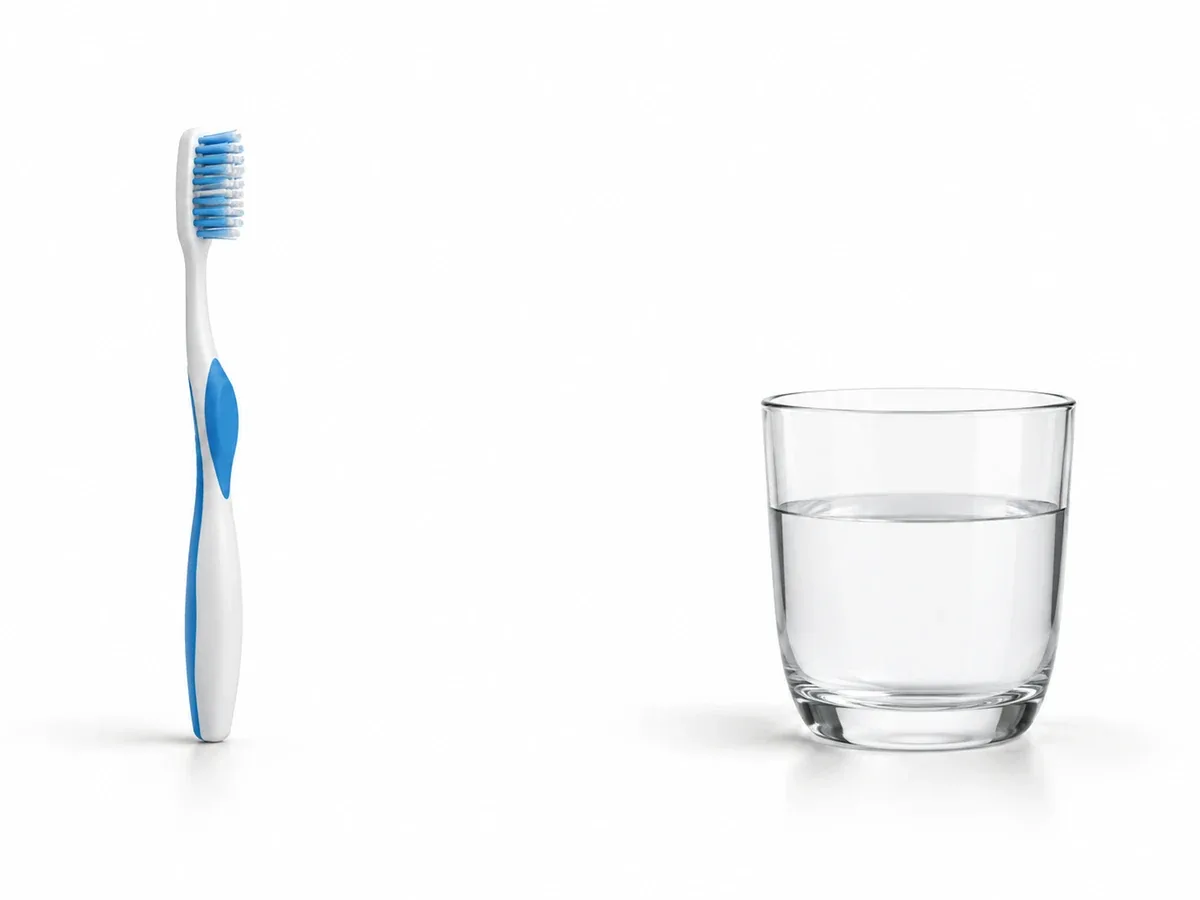
On extraction day, brush everything except the socket. The other teeth are cleaned as usual.
Leaving the mouth uncleaned lets bacteria build up, and the site suffers too. Do not rinse vigorously; hold water and let it flow out.
Alcohol-based mouthwash stings, so leave it for a few days. From the next day, lukewarm salt water is fine, with very little salt.
- On extraction day, brush around the site
- Clean the other teeth as usual
- Do not rinse vigorously
- Lukewarm salt water from the next day
- Avoid alcohol mouthwash for a few days
From about the third day, brush the site gently with a soft brush. A little bleeding is acceptable; heavy bleeding means calling us.
Why might it hurt more a few days later?
When does the pain normally peak?
Pain after an extraction is usually strongest on the second day. Sometimes it grows worse from the third or fourth day instead.
We then consider whether the clot has been lost. With no clot the bone lies bare, and even air hurts.
Patients describe it dragging up towards the ear or temple. It happens more often after smoking or using a straw.
Rinsing the socket and packing it with dressing helps a great deal. It means several visits for changes, and usually settles within two weeks.
- More pain from the third or fourth day
- Painkillers not helping much
- Pain dragging to the ear or temple
- The socket looking empty
- A strong smell
What if there is swelling and fever?
Swelling with a fever is a different matter, pointing towards infection.
We give antibiotics and clean the site out. Either way, please call rather than wait.
Pain beyond a week is not left alone. We open the site and check what remains.
How do we guide you after an extraction?
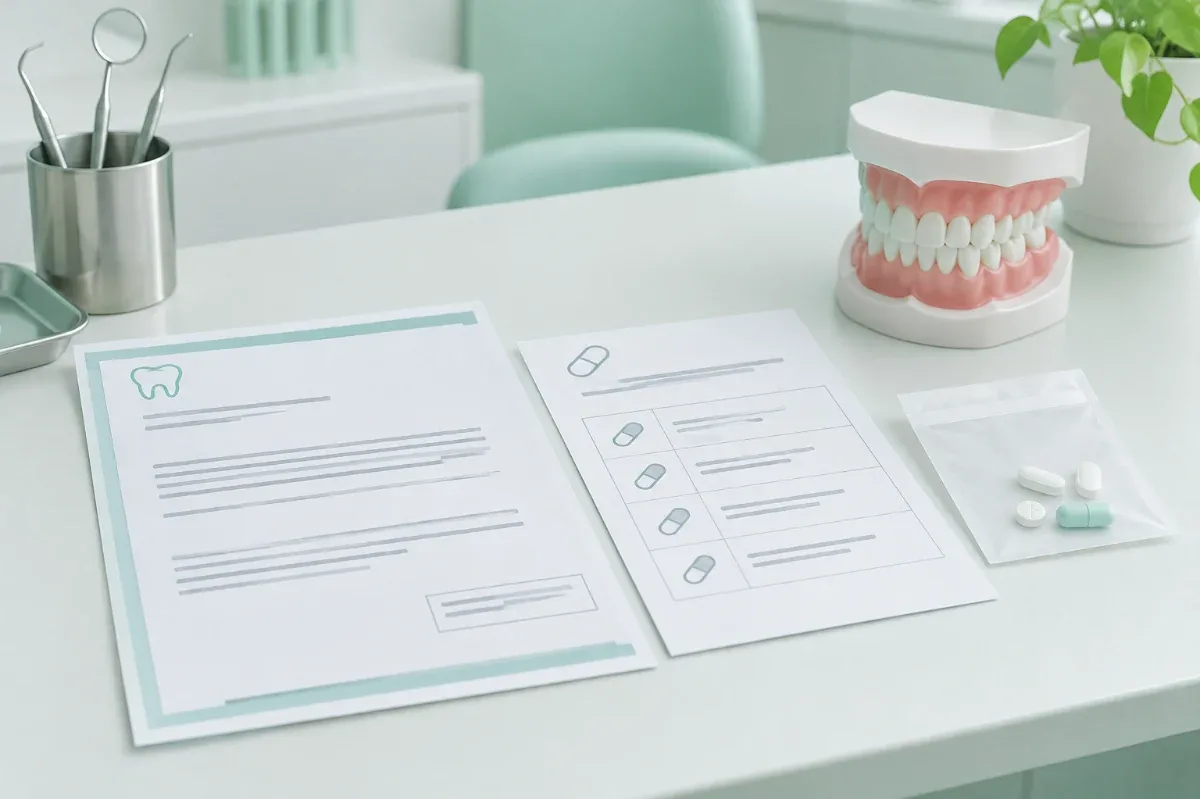
Before the extraction, we write the day's order on paper. How long to bite the gauze and when to eat are on it.
Medicine times are written down as well. We ask beforehand about blood-thinning medicine.
If so, we stitch the site and have you bite the gauze for longer. With diabetes we allow for slower healing.
We sometimes telephone the next day. If stitches were placed, we book the removal date before you go.
- The day's order written on paper
- Medicine times written alongside
- Current medicines asked about first
- Stitches placed where needed
- Next check-up date booked
We also talk about how the gap will be restored. Placing an implant straight away and waiting first are different paths.
We are close to Seomyeon Station, so calling in the next day is easy. Knowing what is normal and what is not matters most.
The clot in the socket is where healing begins.
Wait for the anaesthetic to wear off, eat lukewarm and soft food,
and leave straws and cigarettes alone for three days.
If you have questions about a tooth extraction in Busan, Reset Dental Clinic provides 1:1 English interpretation from your first consultation through to the end of treatment. Call 010-8555-2854 to arrange a visit.
Frequently asked questions
Can I eat right after the extraction?
Wait until the anaesthetic has worn off. Until then you may bite or burn yourself without feeling it.
When can I have coffee, and how long should I avoid straws?
Coffee is fine from the next day, lukewarm rather than hot. Avoid straws for three days, because the suction pulls the clot out.
How long should I avoid smoking, and can I have ice cream?
Avoid tobacco for at least three days, and a week if you can. Ice cream is fine, as long as it has no grains or pieces in it.
Can I have a tooth extraction explained in English in Busan?
Yes. We provide 1:1 English interpretation from the first consultation to the end of treatment, near Seomyeon Station Exit 2, opposite Lotte Hotel Busan. Call 010-8555-2854, or +82-10-8555-2854 from abroad.
References
- KDCA National Health Information Portal, "Wisdom Teeth" — what to expect and how to care for the site afterwards
- KDCA National Health Information Portal, "Dental Local Anaesthesia" — precautions until the anaesthetic wears off
- Journal of the Korean Dental Association, Volume 48, Issue 1, "Complications During and After Dental Treatment in Patients with Systemic Disease" — how bleeding after a procedure is managed
- Daily Dental, "Checking for Continued Bleeding After Implant Placement" — what to look for when bleeding carries on
Written by Reset Dental Clinic Support Team
Medical review Dr. Kim Hyun-joo, Head Dentist
Last updated: November 3, 2026
This column is for general information and does not replace diagnosis or treatment for individual patients. If you have symptoms, please see a dentist.