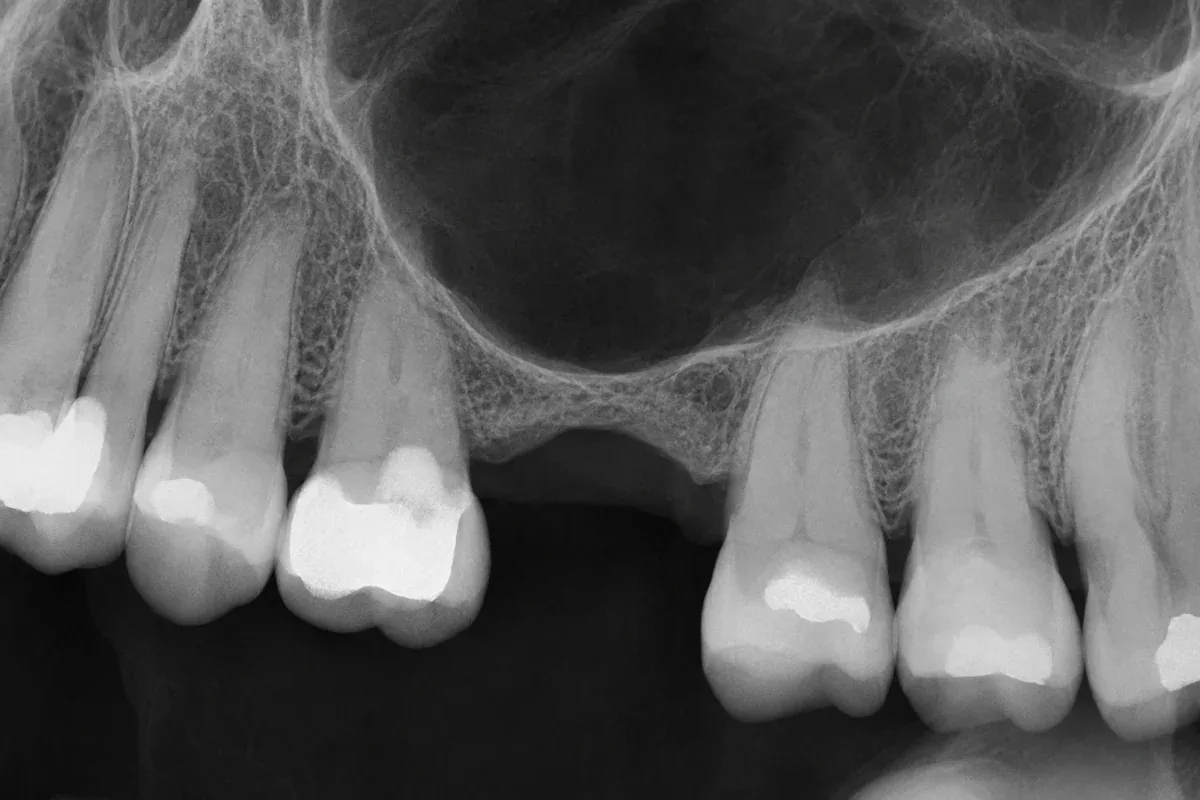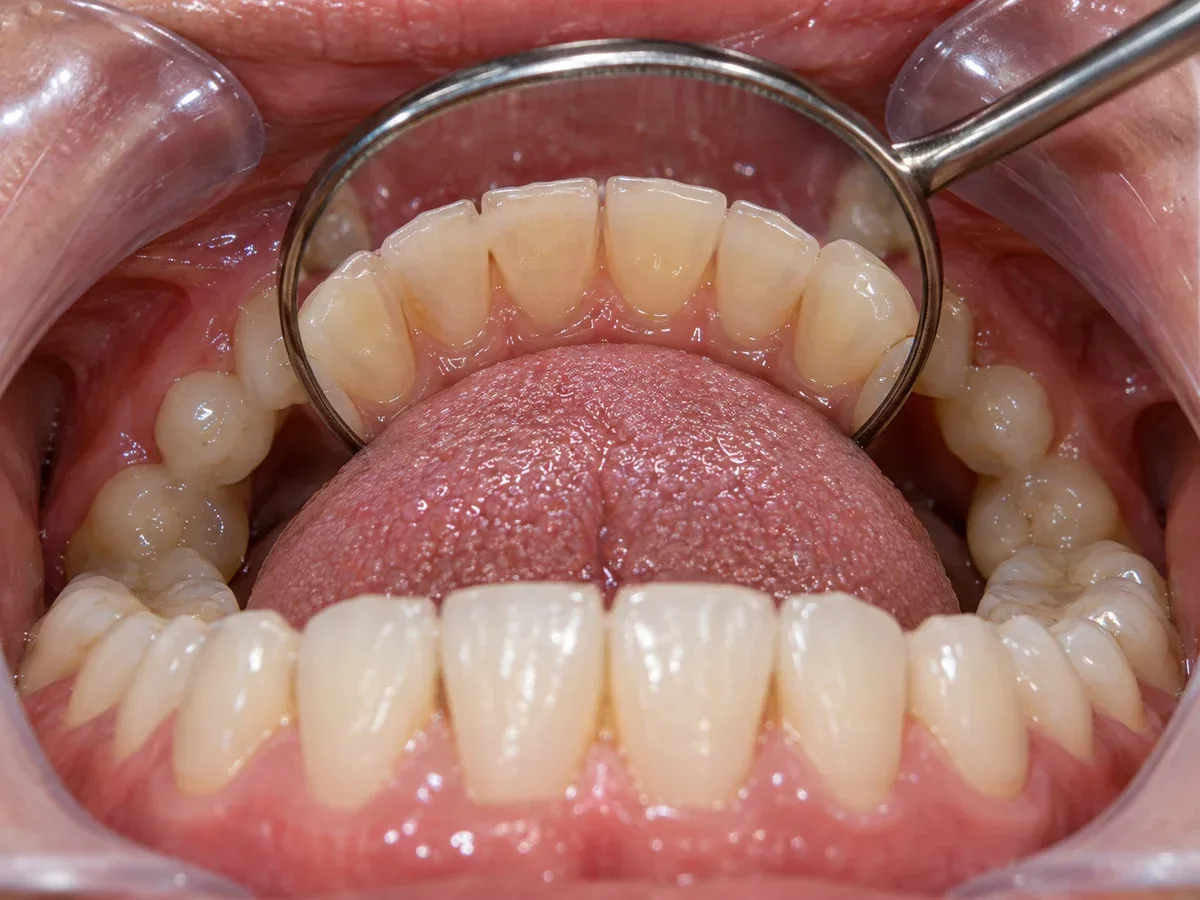
- Ceramic itself hardly absorbs stains.
- The weak spots are the margins and the gum line.
- Resin stains more than ceramic.
- Keeping the surface glossy keeps it clean for longer.
"Can I still drink coffee after treatment?" We hear this question often at Reset Dental Clinic in Seomyeon, Busan. We start by explaining that the answer depends on the material, such as ceramic or resin. For patients from abroad, we provide 1:1 English interpretation from the first consultation through the end of treatment.
A treated front tooth is covered with one of several materials, and results differ by type. This column explains those differences.

Do ceramic teeth absorb stains?
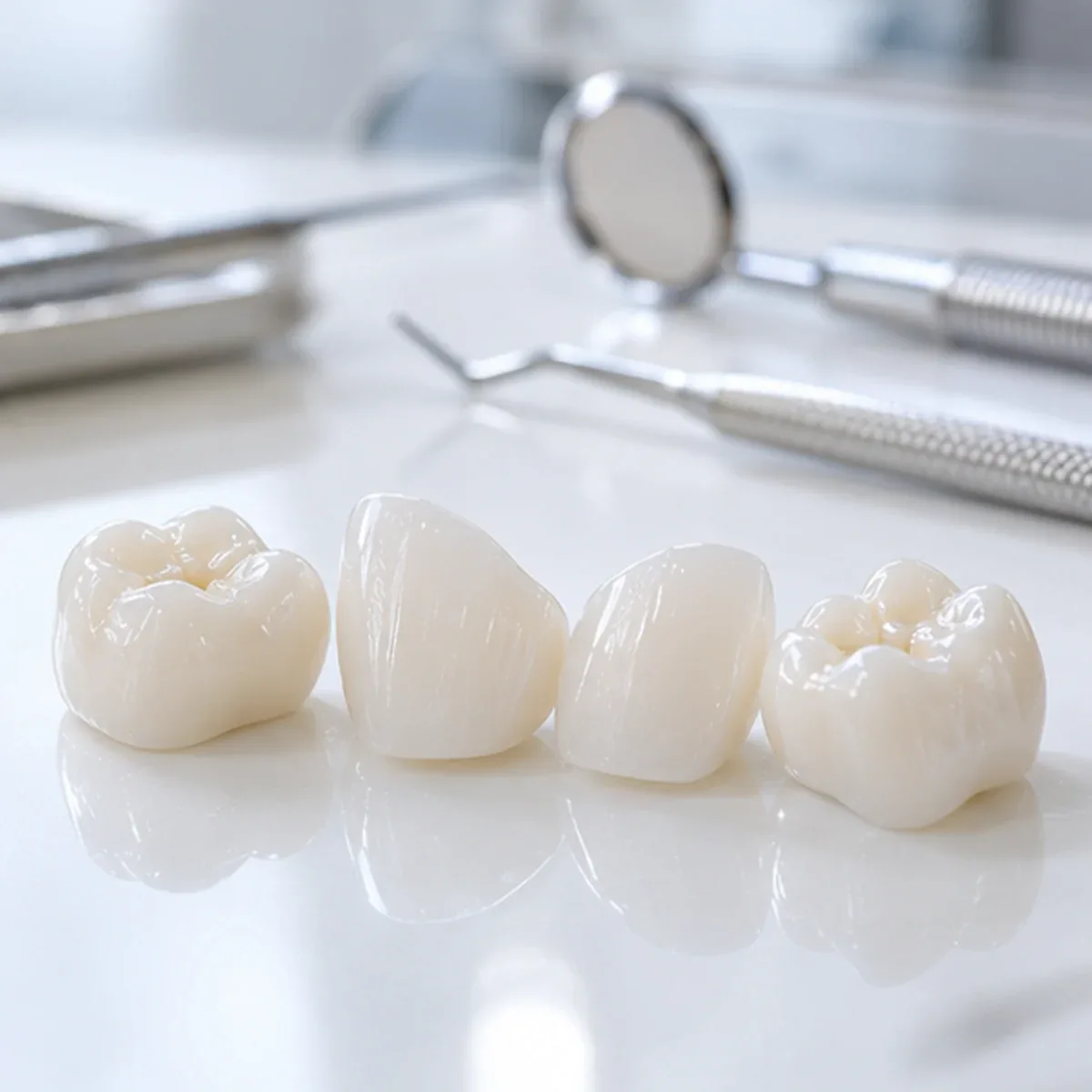
The ceramic itself hardly absorbs any. It is dense like glass, with almost no pores on the surface.
So pigments have nowhere to enter. Ten years later, the color is much the same.
When ceramic looks stained, the cause is usually the margin. This is the line where the material meets the tooth, and stains collect along it.
It looks like a thin band, and from a distance the whole tooth can look darker.
That line is filled with bonding cement, which is softer than ceramic. Over the years, it wears a little, and stains settle into the worn spots.
That is why finishing the margin carefully matters. Resin is different. Its surface has tiny pores, and pigments get inside.
After a few years, resin staining becomes visible. Then the surface is refinished or the resin is replaced.
| Material | How much it stains | Care |
|---|---|---|
| Ceramic | Hardly at all | Check the margins |
| Resin | Develops over several years | Refinish the surface |
| Natural tooth | Develops slowly | Scaling and polishing |
| Temporary tooth | Develops quickly | Fine, as it is short-term |
Temporary teeth stain fast because they are made of a softer material. The rough surface picks up color, sometimes within days.
They are a different material from your final teeth. Please do not judge the result by their color.
The name of your material is in your treatment record. If you do not know what was used, ask us anytime, because knowing the material makes care clearer.
It also matters whether one front tooth was treated or several. A single treated tooth is compared with its neighbors, so differences show sooner and we set shorter check-up intervals.
Why does surface gloss matter so much?
Gloss is the key condition. A smooth surface does not let pigment stay, while a rough one traps it.
Gloss fades over time. We restore it at regular check-ups.
Brushing wears the surface a little. Highly abrasive toothpaste has an effect, and so does a hard-bristled brush.
Avoid products with sand-like grains. Regular toothpaste is enough.
These foods and drinks stain the most:
- Coffee and black tea
- Red wine
- Curry and soy sauce
- Berries and juice
Dark-colored foods generally stain, and hotter drinks stain more easily.

You do not have to give these up. Rinsing afterwards reduces staining a lot, and a sip of water is enough.
Do not hold them in your mouth for long. Sipping slowly over a long time is worse than drinking in one go.
A straw helps the front teeth, because the drink passes them less. It works well for cold drinks. With hot drinks, drink and then rinse.
The first two days and other habits
Be careful for the first two days after bonding. The cement is still settling, and the margins are slightly open.
Avoid dark drinks during that time. After that, you can eat and drink as usual.
Smoking has the biggest effect. Pigments in smoke stick to the surface, especially at the margins, and can show within months.
Some dental mouthwashes also leave color, such as those used for gum treatment. Long use can leave a brownish tint.
Use them for the prescribed period. The tint comes off with polishing.
Loss of gloss is hard to feel even with a fingertip. If the surface feels rough when you run your tongue over it, have it checked, because we judge it under magnification.
Can stains that have set in be removed?
Stains on the surface come off with professional polishing. Stains that have gone inside are different.
With resin, the surface is ground down and rebuilt. If a margin has opened, it is repaired.
Whitening does not work on ceramic. It lightens the natural teeth around it, which creates a color mismatch.
So whiten before treatment. We then match the material to the brighter shade.
| Area | Why it stains | What to do |
|---|---|---|
| Margin line | The cement wears | Refinish at check-ups |
| Near the gums | The brush reaches less | Adjust brushing |
| Between teeth | Floss is used less | Floss every day |
| Whole surface | Gloss has faded | Polish again |
The brush reaches the gum side less. Plaque stays there and attracts color, also in people whose gums have receded slightly.
The root side stains more easily. Give it extra attention when brushing.
Floss is the right tool between teeth, once a day. Use it around ceramic restorations too, and pull it out sideways so it does not catch.
Interdental brushes are for when there is a gap. Water flossers remove large debris, but they cannot replace floss.
If floss keeps catching, the margin is not smooth. Left alone, it will stain, but refinishing in the clinic improves it.
Do not force the floss, or the restoration could come loose.

Whitening toothpaste helps a little with surface stains. However, many are highly abrasive, and daily use dulls the gloss.
Two or three times a week is enough.
A light polish in the clinic shows at once which stains come off and which stay. If any remain, we decide the next step together.
How often should ceramic teeth be checked?
Home whitening products work on natural teeth, but treated teeth stay the same. That widens the color difference.
Please talk to us before using them. We check which tooth is which material first.
Once every six months is standard, and more often if you smoke. We remove tartar, polish the surface and check the margins.
That one visit makes a big difference.
Zirconia does not stain either, and it is even stronger than ceramic. However, it lets less light through.
On front teeth, a thin layer of porcelain is added over it. On back teeth, it is sometimes used alone.
Front and back teeth differ in how visible they are. A small color change shows on a front tooth but not much on a molar.
Back teeth take more biting force, so we choose materials differently. The care is the same.
The same material gives the same result elsewhere in the mouth. The line where the crown meets the gum is what matters, because plaque builds up there easily.
Braces brackets also collect stains, because the area around them is hard to clean. After removal, marks may remain, but polishing usually lifts them.
A dry mouth makes staining worse, because saliva washes pigment away. Some medicines dry the mouth, so drink water often and tell us if your mouth is very dry.
Advertised products are designed for natural teeth, so bring the product you use to show us.
Does drinking water help?
Yes. Water shortens the time pigment stays on the teeth.
Drink water between dark drinks. It works like rinsing right after, and plain water is better than sparkling water.
Brushing right after meals is usually fine. After acidic food, rinse with water and wait about 30 minutes before brushing, including treated teeth.
Some medicines leave color, iron supplements in particular. The dark tint brushes off, and a straw reduces it, but do not stop medication on your own.
The principle is the same for children. Juice and soft drinks are the main causes, and children's teeth have a softer surface, so they stain more easily.
Help children build the habit of rinsing with water.
How we polish and record ceramic teeth
We use fine powder and soft tools, moving through finer stages. Ceramic gets its own dedicated materials, because coarse ones would damage it.
We take photos with a shade guide and note the color on the day of bonding. Each year, we take photos the same way to compare changes.
Scaling does not damage ceramic, but we adjust the technique. Tell us which teeth are treated, and we polish them at the end.
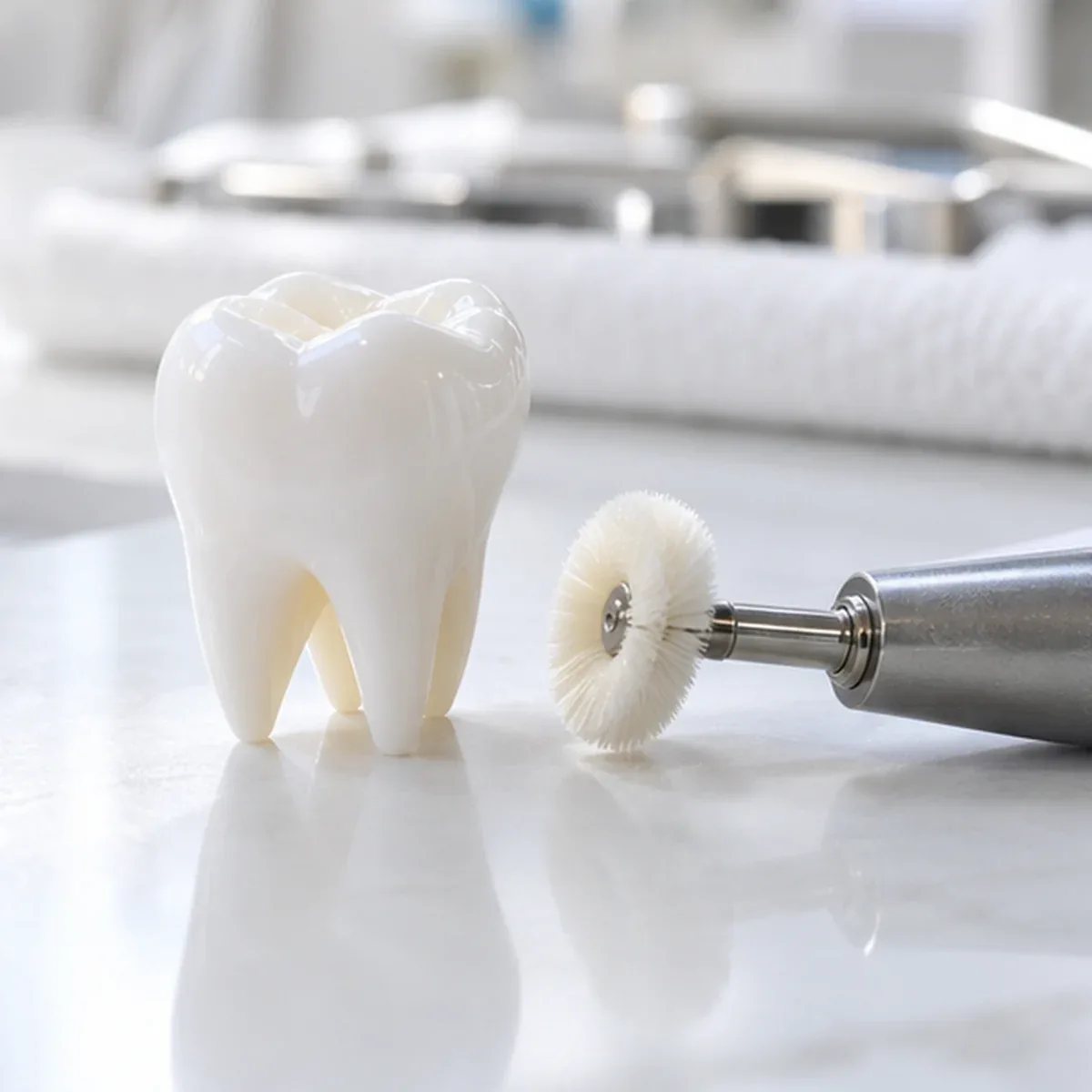
Polishing lifts surface stains, and the tooth looks close to the day it was bonded. Stains that went inside remain, but in most cases polishing is enough.
| Where | What | How often |
|---|---|---|
| Home | Floss and a soft toothbrush | Every day |
| Home | Rinse after dark drinks | Each time |
| Clinic | Scaling and polishing | Every six months |
| Clinic | Margin check and touch-up | At each check-up |
Is staining different from the material itself changing?
Yes. Staining is a surface problem that polishing reverses.
A change in the material is an internal problem, and then the restoration has to be replaced. To tell them apart, we polish first: if the color comes off, it was surface staining.
We also check whether it is at the margin or across the whole tooth, and compare photos.
If one treated tooth stands out, we may treat that tooth alone. If matching is hard, we look at the two central teeth as a pair.
Basic care keeps ceramic looking good longest:
- Floss every day
- Brush with a soft toothbrush
- Rinse after dark drinks
- Have a check-up every six months
Grinding your teeth also matters. It creates fine cracks on the surface where color settles, and edges can wear rough.
A night guard reduces this a lot. Wear it during sleep, rinse it in the morning, and never use hot water, which can warp it.
Will a difference appear over the years?
A little. Natural teeth darken slowly, while ceramic stays the same, and the gap shows after some years.
In the first year or two, it is hard to notice. After about five years, the natural teeth look slightly darker, and polishing and shade matching can fix that.
Before treatment, we set the target shade. If whitening is needed, it comes first, and the material is chosen to match.
Refinishing a margin follows these steps:
- Remove the step with a fine instrument.
- Polish with a fine material.
- Pass floss through to check that it does not catch.
If it does not catch, the margin will resist staining. It usually takes one visit.
Swollen gums bury the margin and make cleaning harder. Settling the gums comes first, and color comes second.
It is not too late to have older ceramic work checked. Polishing alone often helps, an opened margin is repaired, and a changed material is replaced.
There is no fixed replacement period. If the margins are clean, we keep it, and photos from each check-up guide the decision.
Usually no extra tooth is removed. We take off the old material and refine the margin slightly if it has deepened.
What happens at a ceramic check-up in Busan?
Good care makes a big difference. Patients who floss daily have clean margins, while smokers can see staining within months.
Habits matter more than the material. That is why we talk about care first.
It is hard to tell staining from material change by eye, and lighting changes how teeth look. Take photos to compare, and if unsure, come in.
At the first visit, we follow these steps:
- Check which materials are in your mouth and when they were placed.
- Examine each margin and note where floss catches.
- Record the color with photos and a shade guide.
- Explain what to do next, most urgent first.
Spots that need polishing are finished the same day. Replacements are scheduled separately, in an order that suits you.
We check again one week after bonding. Then the next visit is six months later, but come anytime if something feels wrong.
Right after treatment, teeth can look whiter than they are. The mouth stays open for a long time and the teeth dry out, but they return to their shade within hours.
Matching a single tooth is the hardest case. We match color, texture and edge translucency, and exchange photos with the dental lab.
Brushing, flossing and rinsing keep most ceramic restorations looking good. You do not need to give up any food.
Frequently asked questions
Can I drink coffee with ceramic teeth?
Yes. Rinse with water afterwards. Ceramic itself hardly stains, and the margins are the weak spot.
Can stains be removed?
Surface stains come off with polishing. Stains inside the material may require replacement.
Can I whiten my teeth as well?
Do it before treatment. Whitening afterwards creates a color difference. We suggest check-ups every six months.
Can I get ceramic treatment in English in Busan?
Yes, we provide 1:1 English interpretation from the first consultation through the end of treatment. The clinic is near Seomyeon Station Exit 2 (5-min walk), opposite Lotte Hotel. Call 010-8555-2854 (+82-10-8555-2854 from abroad).
Ceramic hardly stains; the margins and gum line do.
Floss and polishing protect those spots.
You do not have to give up coffee; just rinse afterwards.
If you have ceramic front teeth in Busan, Reset Dental Clinic offers 1:1 English interpretation from your first consultation through the end of treatment. Call 010-8555-2854 to book a consultation.
References
- KDCA National Health Information Portal, "All-Ceramic Crowns" — porcelain restorations
- KDCA National Health Information Portal, "Laminate Veneers" — cosmetic treatment of front teeth
- KDCA National Health Information Portal, "Scaling" — tartar removal
- KDCA National Health Information Portal, "Periodontal Disease" — gum disease
Written by Reset Dental Clinic Support Team
Medical review Dr. Kim Hyun-joo, Head Dentist
Last updated: October 21, 2026
This column is for general information and does not replace diagnosis or treatment for individual patients. If you have symptoms, please see a dentist.