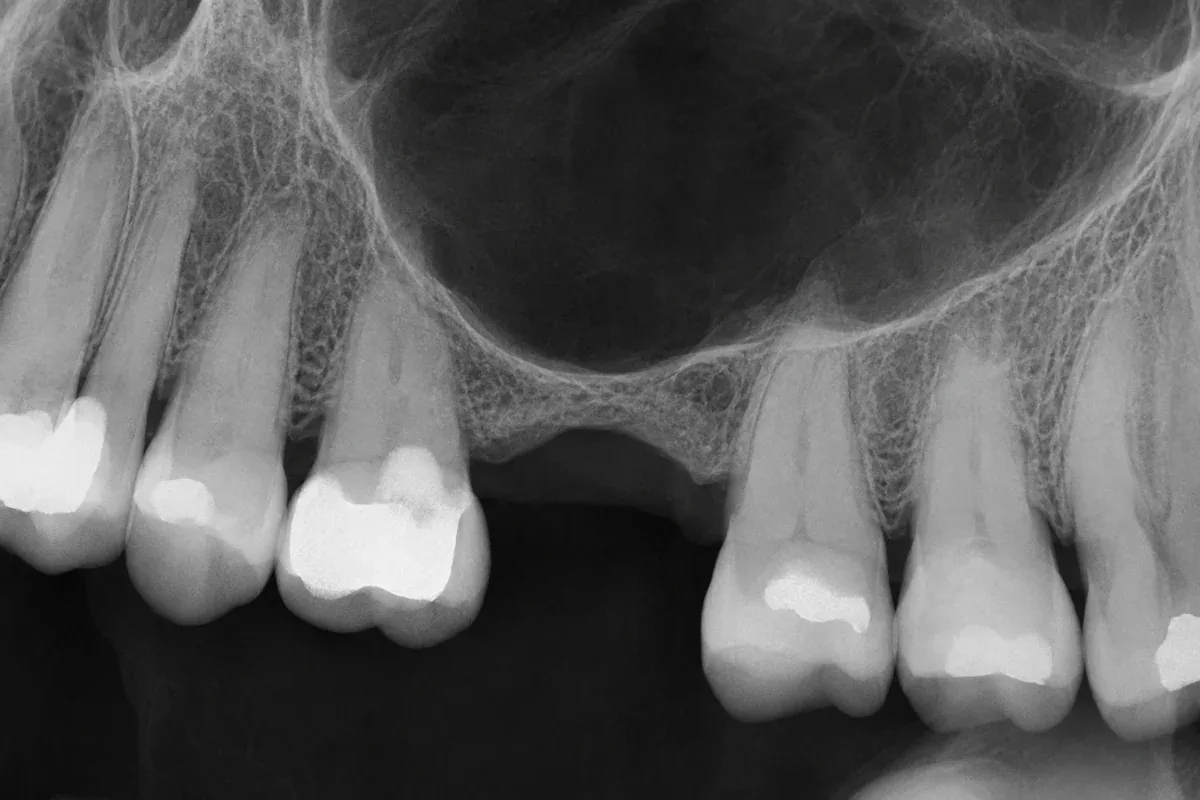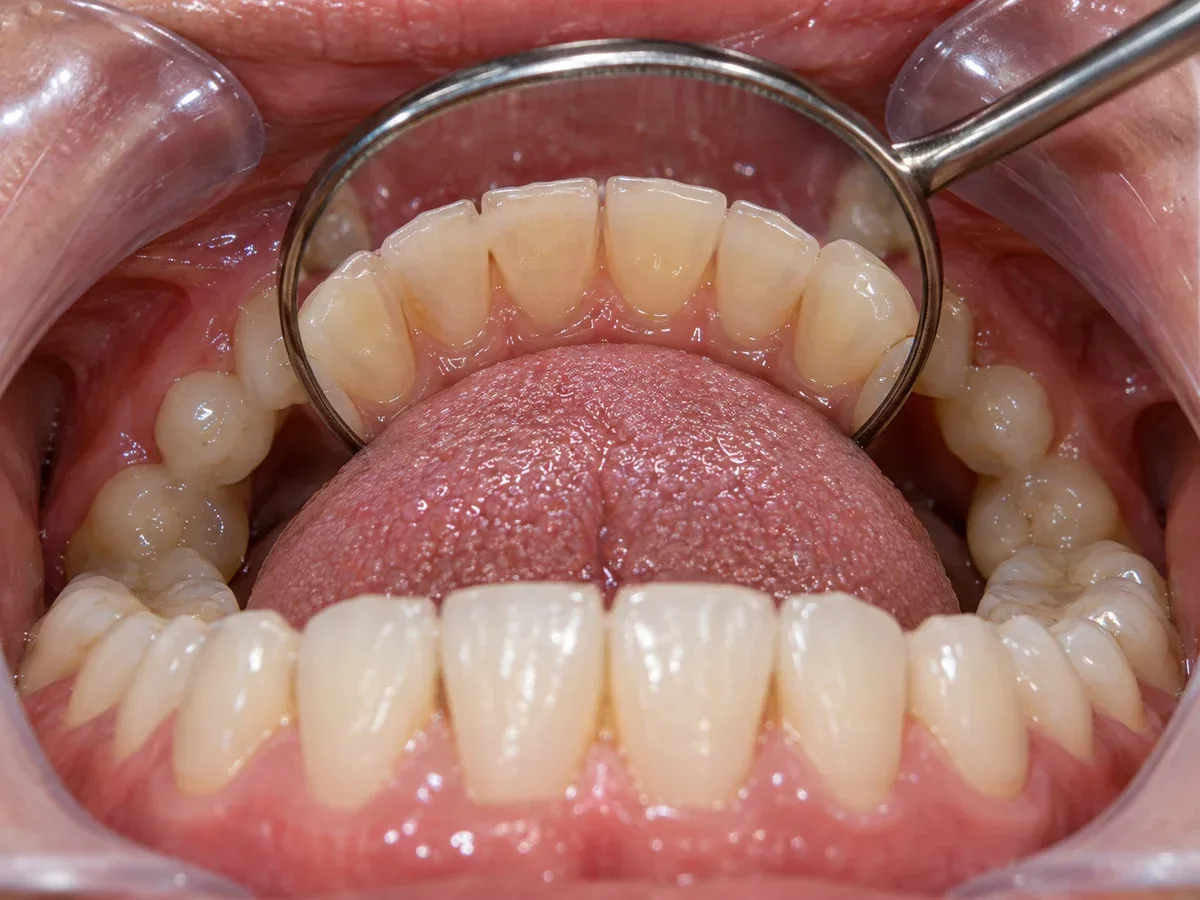
- Your front teeth look different in the mirror and in photos.
- Left and right, distance and lighting are all different.
- Neither view alone is the true one.
- Treatment decisions are made with standardized clinical photos.
"My front teeth look fine in the mirror, so why do they look like this in photos?" We hear this often at Reset Dental Clinic in Seomyeon, Busan. We start by explaining why the two views differ. For patients from abroad, we provide 1:1 English interpretation from the first consultation through the end of treatment.
The mirror shows the face you see every day. A photo is closer to what other people see.
A gap opens between the two. This column explains why.
Why do front teeth look different in the mirror and in photos?
The viewing conditions differ. Distance, angle and light all change, so the same front teeth look different.
The left-right flip matters more than you might think. A mirror reverses the image, while a photo does not.
Faces are slightly different on each side. A photo reveals that difference, so it feels unfamiliar.
Familiarity plays a big part. We are used to the face in the mirror and treat it as our standard, so front teeth in photos bother us more.
The phone lens is another cause. The front camera takes in a wide view, and close up, the center of the face looks bigger.
The nose and front teeth seem to push forward. This is why front teeth look wide in selfies.
Hold the phone at full arm's length or farther, or have someone else take the photo. Distance reduces distortion, and you can crop afterwards.
Lighting affects color most. Under yellow lamps teeth look yellow, and under white fluorescent light they look pale.
Daylight is closest to reality, so stand at a window facing it. Flash washes out color and fine texture, while shade makes teeth darker.
| Factor | Mirror | Photo |
|---|---|---|
| Left and right | Reversed | As they are |
| Distance | Usually close | Depends on the shot |
| Light | The light in the room | Processed by the lens |
| Moment | Seen while moving | One moment frozen |
In front of a mirror, you keep moving and look from your favorite angle. A photo keeps a single moment, which may be an unflattering one.
Smile size changes a lot too. People smile slightly in the mirror but broadly in photos, which shows back teeth and more gum.
A difference between the two views does not mean either one is wrong. The conditions differ, so the results differ.
Does the camera angle change the shape of front teeth?
Yes. From slightly above, front teeth look shorter, and from below they look longer.
Tucking the chin changes them again. Take photos head-on at eye level.
Automatic retouching is a problem for comparisons. Many phones adjust skin and tooth color, so turn retouching off.
Screens also show color differently from device to device. Night mode looks yellower, and brightness changes color too, so compare on the same screen.
Both views show part of the picture. The mirror is a close view and a photo is a distant one, closer to what others see, so we look at both.
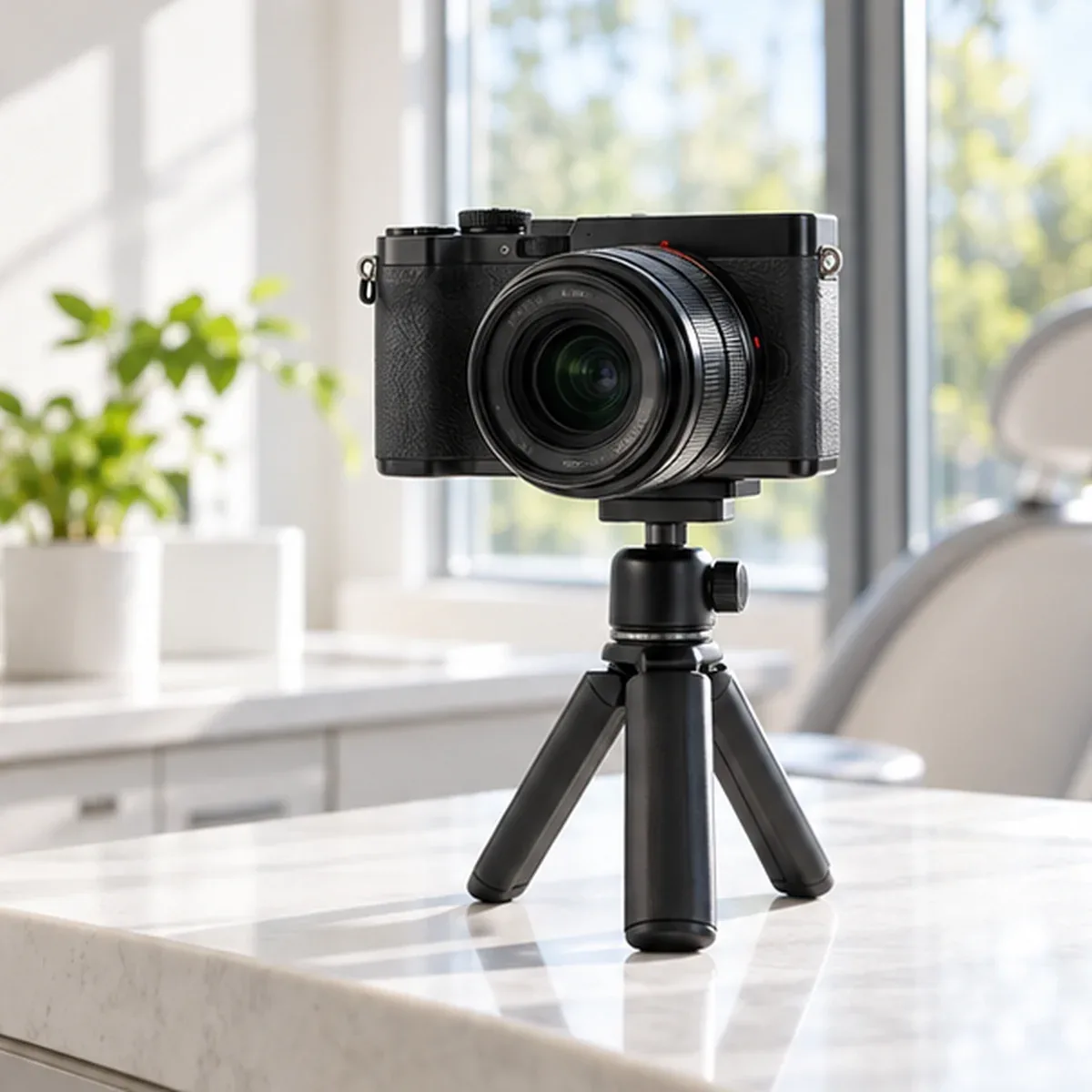
How clinical photos are taken
In the clinic, we fix the conditions: the same distance, angle and light. A lip retractor holds the lips back so before and after can be compared.
Changes can then be measured. We compare length, width and gum line height, and overlay before and after photos to talk about shape rather than feelings.
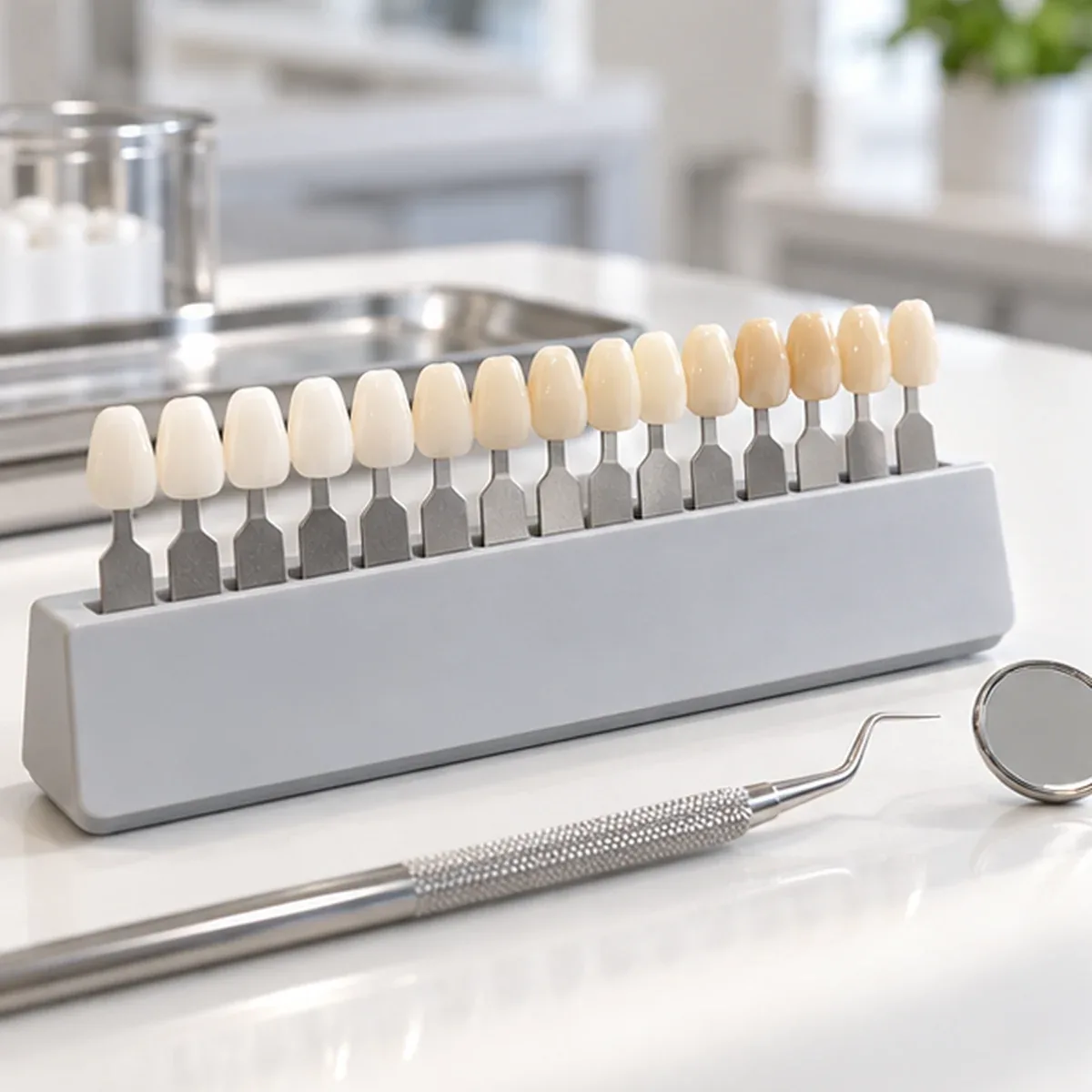
A shade tab is placed beside the teeth in the photo. It acts as a reference even if lighting changes, and the same photo goes to the dental lab for color matching.
| Cause | What happens | What to do |
|---|---|---|
| Short distance | The center looks bigger | Shoot from farther and crop |
| Yellow lamps | Teeth look yellow | Use daylight by a window |
| Auto retouching | Color and outline change | Turn retouching off |
| Angle | Length looks different | Shoot head-on at eye level |
Bringing photos to your consultation helps. They show your everyday smile, which differs from a smile in the dental chair.
We look together at how your front teeth appear in photos and plan from there. These are useful:
- A front-on photo with a broad smile
- A photo taken in daylight
- A photo without retouching
- Older and recent photos
Several photos are better, and different places are fine. The angle shifts a little each time, so we take several on the same day and choose among them.
Why are old photos of your front teeth useful?
They show change over time. Teeth wear slowly, and gums change slowly too.
A photo from ten years ago becomes a reference. Many people say they want to go back to that look.
Old photos are valuable even in poor quality. If length and gum line are visible, that is enough, and graduation or family photos on your phone work too.
Photos are reference material. We review them with an oral exam and study models, and combine all three to set the scope of treatment.
We can also make a mock-up. It is placed in your mouth and photographed, so you see how your front teeth change before treatment starts.
Digital simulations help set the direction but do not match reality. They cannot capture lip movement well, so we use models alongside them.
We photograph the teeth on the day of bonding and again after the gums settle, usually a few weeks later. That becomes the final record, repeated each year under the same conditions.
If before and after photos look different, we check the conditions first. The lighting or angle may have changed, so we retake the photo the same way and then examine that area.
Celebrity photos are welcome but have limits. Face width and lips differ, and the lighting is unknown, so we use them to read what you like rather than copy them.
It helps to sort your concerns like this:
- The teeth look too short or too long
- The color looks dark or yellow
- There seems to be a gap in the middle
- A lot of gum shows
You can also mark these on the photos you bring.
Why do front teeth look yellow in photos?
We suspect lighting first. Indoor lamps are usually yellowish, and wall colors reflect onto the teeth.
Retake the photo by a window. If it still looks the same, we measure the color.
Whitening also shows in photos, though less than in person. Cameras adjust brightness automatically, which narrows the visible difference.
Limits differ from person to person, because natural color differs. Teeth will not become paper white, and very white teeth can look unnatural, so we choose a brightness that suits the face.
| Item | Recommended | Avoid |
|---|---|---|
| Light | Daylight by a window | Yellow lamps and flash |
| Distance | Full arm's length or more | Phone close to the face |
| Angle | Head-on at eye level | From above or below |
| Settings | Retouching off | Auto beauty mode |
Video helps a lot. It shows how your lips move when you speak and captures several moments of a smile.
How much front teeth show depends on the sound you make. Some sounds show just the edges, while others show more, so we check this when setting length.
Age changes it too. Younger people show more upper teeth, and with age the lower teeth show more as the upper lip lengthens.
Color is measured with a shade guide, not by eye. Even if your front teeth look yellow in a photo, the actual shade may differ.

Why do ID photos look more awkward?
The lighting is strong and even, with almost no shadow. Depth is lost, the texture of each tooth disappears, and teeth look flat.
People also smile less, so it differs from their usual look. The distance reduces distortion, but the teeth are too small to judge color.
ID photos still show your overall impression and smile size. We do not use them for comparisons, because lighting and distance are too unusual.
Some patients say their front teeth suddenly stand out after being hidden for a while. Teeth may also have darkened a little, so compare with old photos to see if the change is real.
Smile photos alone are not enough, because back teeth and the bite are hidden. We take separate photos with intraoral mirrors, upper and lower, and plan from them.
We can show you these photos on screen and point out the problem. They stay with your records, and we can give copies if you go to another clinic.
Gums may look red in photos because of real inflammation or because of flash. We check by pressing for swelling, and if they bleed, please see a dentist.
Why do the edges of front teeth look see-through?
This can be natural, because the tips of front teeth are slightly translucent. Against the light, they look more see-through.
Too much translucency can mean wear. We check whether the teeth have become shorter and consider other treatment if so.
We recommend keeping photos from before treatment, because memory fades. Looking at them later makes results easier to judge.
If you would rather not look at photos, that is fine. Intraoral photos are enough at first.
For home records, keep these the same each time:
- The same window
- The same time of day
- The same distance
One photo a month is enough.
Why do front teeth look crooked in photos?
A tilted face is often the cause. A slight head tilt makes the teeth look crooked, so we check the eyes and lip line together.
In the clinic, we draw three reference lines:
- The facial midline
- The line between the eyes
- The lip line
We check whether these agree and adjust the side that is off.
Complete symmetry is rare, because faces are not symmetrical. Forcing it looks unnatural, so we reduce noticeable differences.
Most patients prefer their photos after treatment. Still, we set expectations, because front teeth in photos will vary with conditions.
How much of the upper teeth should show is a matter of taste. Showing most of them looks open, showing a little looks calm, and face length matters too.
We often use the smile line. When the upper edges follow the curve of the lower lip, the smile looks relaxed.
Keeping your head straight for a photo is harder than it seems. Stand with your back to a wall and level your shoulders.
How do we plan your front teeth from photos in Busan?
The two central front teeth are the center. We set their length first and match the side teeth to them, with canines slightly longer.
We look at the approximate ratio of width to length. Too long looks narrow and too short looks square, and the overall impression comes before the numbers.
We take photos several times with temporary teeth in place. Tell us what bothers you at that stage, because changes are easier then.
View the temporary teeth photos at home, where you are relaxed. You can share them with family and bring their opinions.
Opinions often differ, so we choose one standard: the place where you are seen most. At work, that is indoor lighting.
If you have an event such as a wedding, tell us the date early. Allow at least a few weeks, as a few days after bonding is better than right after.
Once treatment is finished, keep one photo. It becomes the reference for your next visit and for comparing front teeth years later.
Frequently asked questions
Which is right, the mirror or the photo?
Both show part of the picture. What others see is closer to the photo.
Which photos of my front teeth should I bring?
A front-on photo with a broad smile in daylight. A short video of you speaking also helps.
Do I have to turn off retouching?
For comparison photos, yes. Retouching changes the color.
Can I get front teeth treatment in English in Busan?
Yes, we provide 1:1 English interpretation from the first consultation through the end of treatment. The clinic is near Seomyeon Station Exit 2 (5-min walk), opposite Lotte Hotel. Call 010-8555-2854 (+82-10-8555-2854 from abroad).
The mirror and the camera see under different conditions.
That is why the same teeth look different.
In the clinic, we match the conditions and look again.
If your front teeth bother you in photos, Reset Dental Clinic in Busan offers 1:1 English interpretation from your first consultation through the end of treatment. Call 010-8555-2854 to book a consultation.
References
- KDCA National Health Information Portal, "Laminate Veneers" — cosmetic treatment of front teeth
- KDCA National Health Information Portal, "All-Ceramic Crowns" — porcelain restorations
- KDCA National Health Information Portal, "Dental Caries" — tooth decay
- KDCA National Health Information Portal, "Scaling" — tartar removal
Written by Reset Dental Clinic Support Team
Medical review Dr. Kim Hyun-joo, Head Dentist
Last updated: October 21, 2026
This column is for general information and does not replace diagnosis or treatment for individual patients. If you have symptoms, please see a dentist.