- Braces pain peaks the day after tightening, not on the day itself.
- It usually settles in three to four days.
- The first adjustment tends to feel the strongest.
- Soft foods and cold things help.
"I had my braces tightened today and it feels fine." Patients often say this, then call us the next day. At Reset Dental Clinic in Seomyeon, Busan, we explain braces pain in advance. For patients living in or visiting Korea, we provide 1:1 English interpretation from the first consultation through the end of treatment.
Orthodontic treatment moves teeth little by little, so you come in for regular adjustments. We change the wire or the pulling force, and the teeth start moving again.
That is when braces pain appears. Everyone feels it, but to different degrees. This column explains when and how it hurts, and what you can do.

When does braces pain start, and how long does it last?
Many people do not know this: the day of tightening is not the worst. Right after, most people feel just a little tightness.
Real braces pain starts a few hours later, in the evening or at night. It peaks the next day, may last into the second day, then eases.
| When | How it feels |
|---|---|
| Day of tightening | A little tight |
| That night | Pain begins |
| Next day | Strongest |
| Day 3 | Starts to ease |
| Day 5 | Usually fine |
| After that | Comfortable until the next adjustment |
This is the usual pattern, give or take a day or two. If it lasts more than a week, call us, as there may be another cause.
What does it feel like?
It is not a stabbing pain but a dull, pressing ache. Teeth feel lifted, and biting feels weak.
Biting into an apple with your front teeth is hard. Even closing your teeth can twinge, so meals become uncomfortable.
Is the first adjustment the worst?
Usually. Your teeth have never been moved, so the first force feels bigger.
After that it eases, as your body adapts and you know what to expect. Stages with stronger force can bring it back, and we tell you beforehand.
Why does it hurt at all?
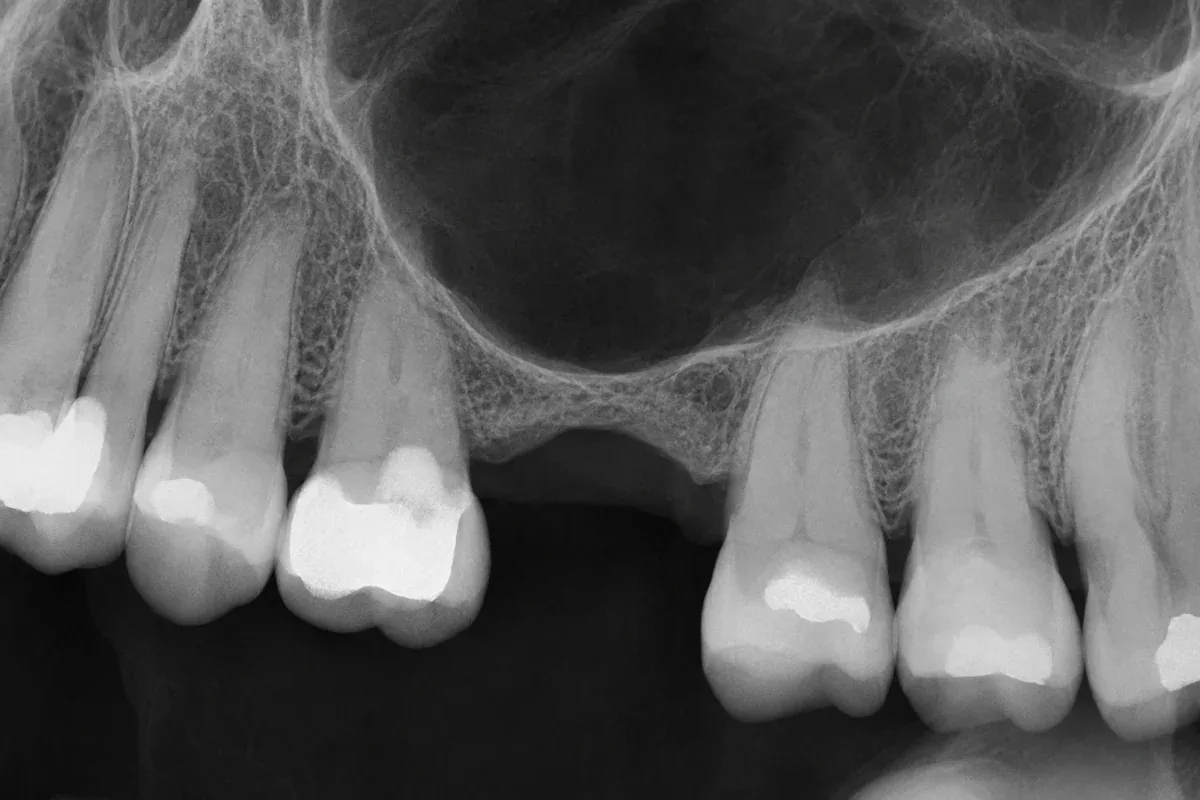
Teeth move within the bone. A thin membrane lies between root and bone; force presses one side and stretches the other.
Bone dissolves on the pressed side and forms on the stretched side. Braces pain comes from this process, so it is normal.
No pain means no movement?
No. Some people feel almost nothing, and their teeth still move well. We check movement on images.
More pain does not mean faster movement either. The two are not linked.
Is it worse for adults?
Adults generally find it harder. Their bone is firmer, so teeth take longer to move, and coping at work makes it more noticeable.
Still, it is bearable. A few careful days and it passes.
What helps ease braces pain?
You may take pain relievers; there is no need to endure it. Your usual one is fine, and we can advise if you tell us which.
Some take one on the evening of tightening, before the pain arrives. If you have an illness or take other medicines, ask us to check for overlap.
Do cold things help?
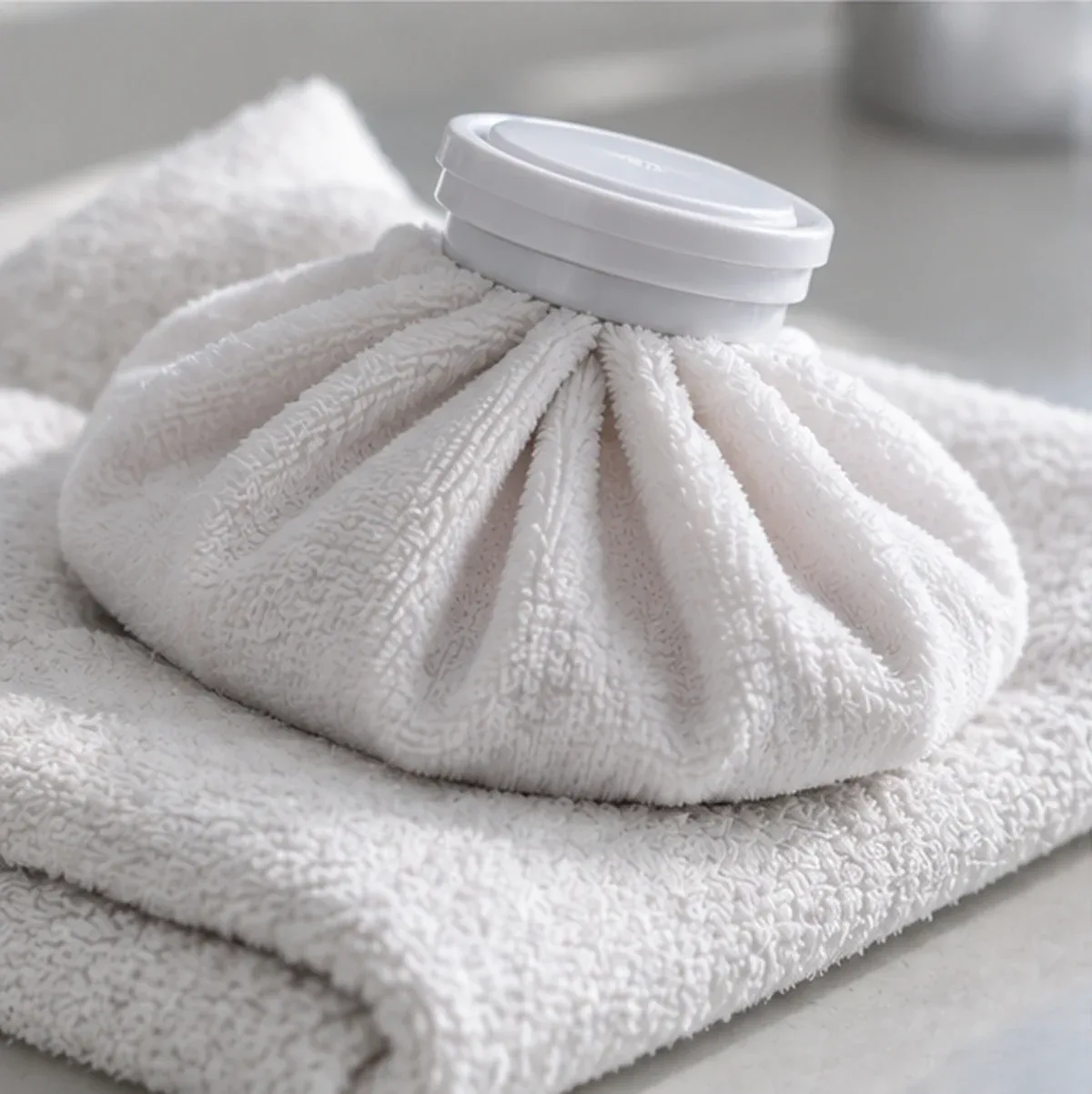
Yes, for many people. Hold cold water in your mouth, or press ice wrapped in a towel to your cheek.
Cold food helps too, and many people enjoy ice cream on tightening day. Heat does the opposite and can make it throb.

What should I eat?
- Porridge and soup
- Soft bread
- Bananas and boiled eggs
- Tofu and steamed egg
- Finely cut meat
Eat these for two or three days after tightening, as they need little chewing force. Cutting your usual food into small bites also helps.
After three or four days you can return to normal.

Are there foods to avoid?
Yes, throughout treatment, not just when it hurts.
| Avoid | Why |
|---|---|
| Hard candy | Brackets come off |
| Chewing ice | The wire bends |
| Tough meat | Needs a lot of force |
| Sticky toffee | Clings to the braces |
| Biting into whole fruit | Force falls on the front teeth |
Fruit is fine if you slice it. A bracket coming off delays the schedule, so take care.
Can the force be lighter?
Yes. If it is too hard, tell us and we can set a lower force, though treatment may take a little longer.
We explain both sides. Sometimes we start light for the first few visits and increase later.
| When | What to do |
|---|---|
| Evening of tightening | You may take a pain reliever early |
| Bad the next day | Apply something cold and rest |
| Hard to chew | Cut food small |
| Cheek rubbing | Apply wax |
| Wire poking | Contact us |
| Over a week | Have it checked |
Remember the last row. Enduring pain is no virtue; tell us and we can adjust.
What about sores, wires and loose brackets?
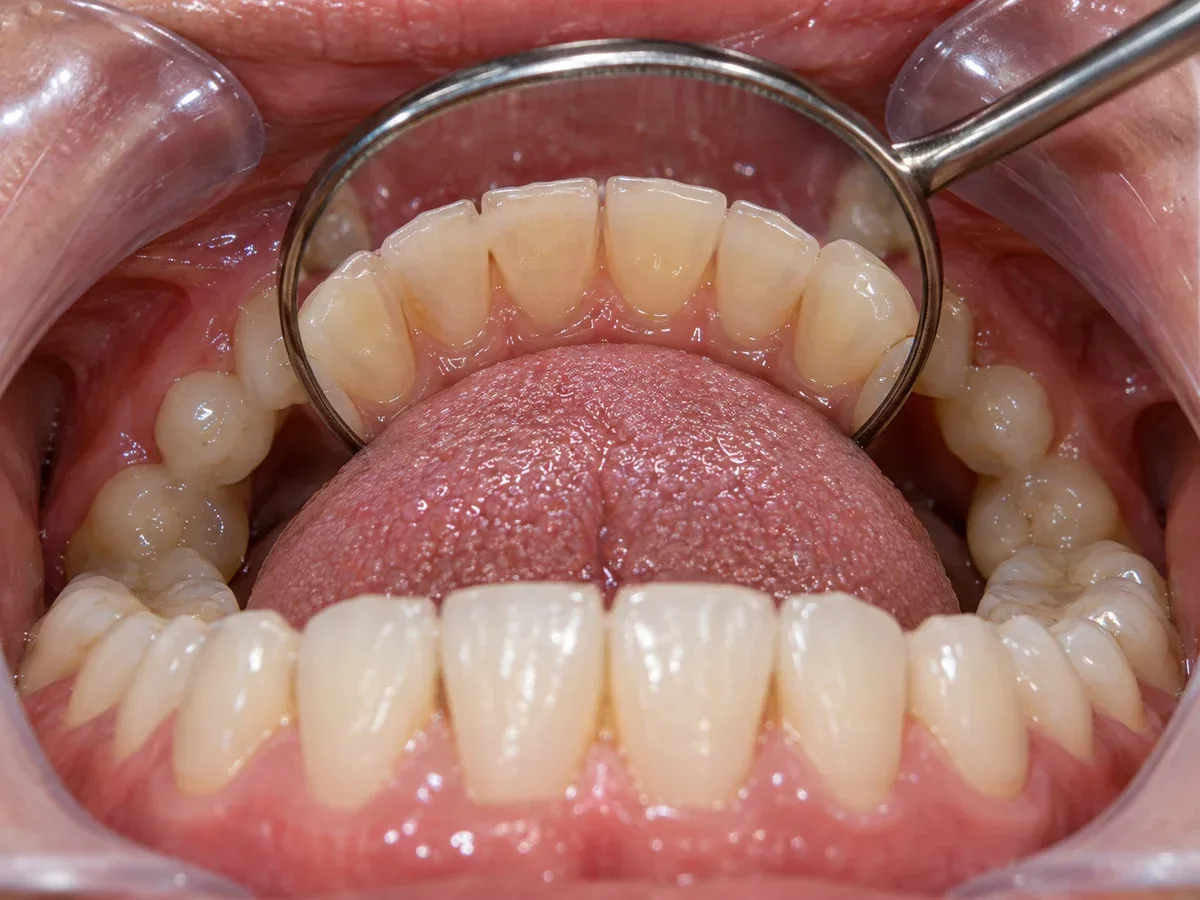
Mouth sores come from braces rubbing the inside of the cheek, often in the first few weeks. This is soft tissue pain, separate from braces pain in the teeth.
Pinch off a little of the wax you were given and press it where it rubs. Rinsing with warm salt water also helps, and the spot toughens within days.
The wire is sticking out
As teeth move, the wire end at the back can grow longer and poke. Do not put up with it; we can trim it quickly.
Do not cut it yourself, as it can get sharper.
A bracket came off and it hurts
A loose bracket moves around and rubs. These steps help with a poking wire or a loose bracket:
- Leave a bracket hanging on the wire in place
- Do not pull it off by force
- Cover the sharp or rubbing spot with wax
- Call us to arrange a visit
Left too long, that tooth stops moving and the whole schedule slips.
My gums look swollen
Slightly puffy gums are common under force. Red, swollen gums that bleed a lot are different: that is gum inflammation.
It comes from poor brushing around the braces, and with braces pain on top it is hard. We will review your brushing, and it settles in a few days.
It hurts too much to brush
You still need to brush; this is when it matters most. Unbrushed gums swell and add to the pain.
Brush gently with a soft brush and rinse with warm water. A few careful days is enough.

My teeth feel loose
Slight looseness is normal during treatment, since the bone around the teeth must change. Teeth firm up once settled, which is why a retainer period is needed.
If a tooth feels very loose, tell us and we will check.
Do clear aligners, elastics and retainers cause braces pain too?
Clear aligners hurt too, but differently. The first day or two with each new aligner feel tightest.
Many find them gentler than wire braces because force spreads evenly. But aligners change every one to two weeks, with a day or two of ache each time.
I don't want to wear them when they hurt
Aligner users often say this. But taking them out makes it worse, as they fit less well when you put them back.
Keep wearing them and the ache passes in a day or two. Wearing them overnight is easiest, as it passes while you sleep.
Elastics made it worse
Some stages use elastics to bring the upper and lower teeth together. At first they ache, even toward the jaw.
You get used to them in days, but taking them off restarts the process. Wear them steadily; on-and-off use repeats the braces pain each time.
Do removal and retainers hurt?
Removal feels tight for a moment, more a pulling surprise than pain. Polishing the teeth afterwards does not hurt, and neither does the retainer.
Retainers do not move teeth, so they rarely hurt. If you skip them and then put them back, they ache, meaning teeth have shifted.
Do not force a retainer in; bring it to us. Wearing it daily avoids this.
A gap has opened between my teeth
Gaps open and close during treatment, especially while closing an extraction space. Braces pain may come with it, as teeth move a lot at this stage. The gap closes in the end.
How do children and adults cope with braces pain in the jaw and head?
Children hurt just as much but cannot always say so. If a child is not eating well, that may be why, so offer soft foods.
Use pain relievers suited to their age, and ask us about the dose. Tell them it will pass in a few days; knowing there is an end helps.
My jaw aches too
Some people feel jaw ache as the bite changes. As teeth move, chewing changes, and the jaw needs time to adapt.
It usually passes. Tell us if your mouth will not open well or clicks loudly. Grinding makes it more noticeable, and we check that too.
Is a headache related?
It can be. Tense jaw muscles can pull up into the head, often in the first days after tightening.
A warm compress or gentle pressure beside the jaw may help. If it continues, we check whether braces pain is the cause.
Can I exercise?
Yes, as usual. Contact sports are different: wear a mouthguard that fits over the braces.
An injury with braces can be serious, as the braces can tear the soft tissue.
How can you plan adjustments around life in Busan?
Book adjustments with the next day in mind. Avoid days before key presentations or events, since that becomes the most painful day.
Many people choose Fridays so they can rest over the weekend. Tell us and we will book to suit you, even on a fixed weekday.
Adjustments are usually every four to five weeks, depending on the stage. Teeth need time to move and settle.
Tightening sooner does not finish sooner and can strain the roots. So we usually keep the interval even if asked to bring it forward, and explain why.
How should I spend the first day with braces?
- Eat lightly that evening
- Take wax home with you
- Keep pain relievers at home
- Keep the next day free
- Get to know your braces in a mirror
At first your tongue keeps finding the braces and may get sore. Speech may feel odd, but both settle within a week.
What should I pack for travel?
- Wax
- An orthodontic toothbrush and floss
- Pain relievers
- Plenty of elastics
- Your retainer in its case
Avoid tightening just before a trip, or the first day of travel becomes the most painful. For a long trip, tell us and we will plan around it.
If a bracket comes off far from home, contact us and we will tell you what to do.
Does everyone hurt like this?
Most people do; they just do not say so. The degree of braces pain varies, even with the same force.
Do not compare. If it is hard for you, that is what counts, and we can adjust.
Braces pain is a sign that teeth are moving, not that something is wrong. It peaks the next day and settles in three or four days.
Treatment can take years, with many adjustments. Knowing when it hurts and when it eases makes each one easier.
Frequently asked questions
How long does braces pain last?
It is worst the day after tightening and usually eases in three or four days. Call us if it lasts over a week.
Can I take pain relievers or use cold?
Yes to both. Do not endure it; holding cold water in your mouth also helps.
The wire is poking, or I want to take my aligners out
Cover the wire with wax and call us. Keep aligners in, as removing them makes it hurt more.
Can I get orthodontic care in English in Busan?
Yes, we offer 1:1 English interpretation from the first consultation through the end of treatment. The clinic is near Seomyeon Station Exit 2 (5-min walk), opposite Lotte Hotel Busan. Call 010-8555-2854 (+82-10-8555-2854 from abroad).
Braces pain means your teeth are moving.
It peaks the next day
and settles in three or four days.
Do not endure it alone.
If braces pain or orthodontic care in Busan concerns you, Reset Dental Clinic offers 1:1 English interpretation from your first consultation through the end of treatment. Call 010-8555-2854 to book.
References
- KDCA National Health Information Portal, "Gum Disease (Periodontal Disease)" — why gums need care during orthodontic treatment
- KDCA National Health Information Portal, "Tooth Decay (Dental Caries)" — how decay forms around braces
- KDCA National Health Information Portal, "Tooth Eruption Disorders" — how teeth settle into position
- National Health Insurance Service, "Scaling Coverage Guide" — once-a-year coverage criteria
Written by Reset Dental Clinic Support Team
Medical review Dr. Na In-chae, Head Dentist · Periodontics Specialist
Last updated: October 21, 2026
This column is for general information and does not replace diagnosis or treatment for individual patients. If you have symptoms, please see a dentist.