

- In a clear aligner dispute, an expert review found that interproximal reduction was a standard step given the patient's teeth.
- The same review found that without it, clear aligner treatment had limits in that case.
- Yet the dental team was held responsible, because the limits, the need for reduction and midline changes were not explained or recorded well enough.
- In another case, excessive reduction and not using attachments when progress was poor were found to be problems.
At Reset Dental Clinic in Seomyeon, Busan, many people considering clear aligners ask whether they just need to wear the trays. Sometimes clear aligner treatment also involves gently reshaping the teeth. For patients living in or visiting Korea, we provide 1:1 English interpretation from the first consultation through the end of treatment.
That reshaping step is called interproximal reduction (IPR). This column looks at three dispute reports in a Korean dental newspaper and at Asan Medical Center's guide to dental arch problems. It explains why IPR is done and what to confirm before you start.
What is interproximal reduction in clear aligner treatment?
Interproximal reduction means thinly smoothing the surfaces where neighboring teeth touch, to create small gaps. Teeth need room to move into.
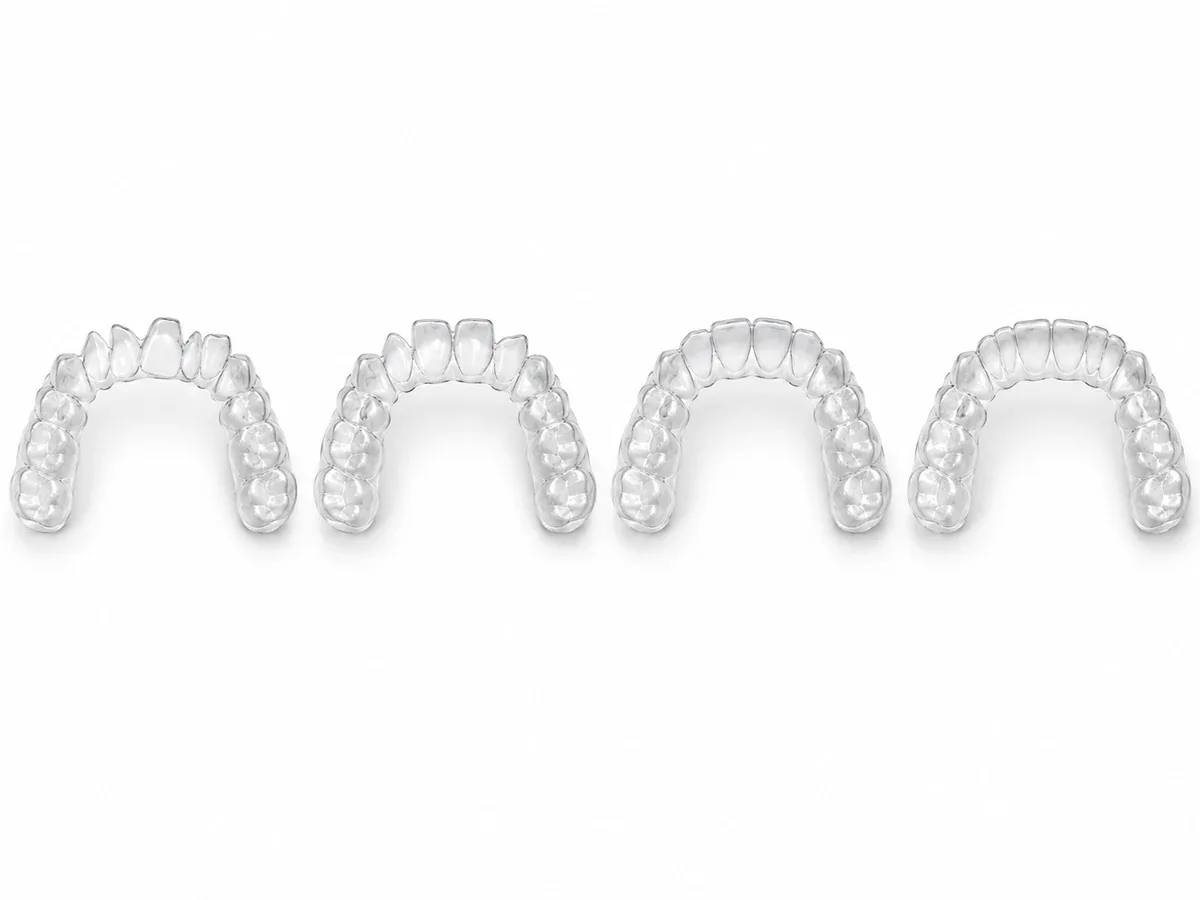
IPR is one way to make a little space without removing a tooth. It is a common tool in clear aligner planning.
A case shared by the national medical dispute mediation agency shows how it is used in practice. The events went in this order:
- The patient visited a dental clinic for clear aligner treatment and had an oral exam and a treatment plan consultation.
- One week later, IPR was done in three places and the first-stage aligner was fitted.
- The patient disliked the IPR, so stages 2, 3 and 4 went ahead without further reduction.
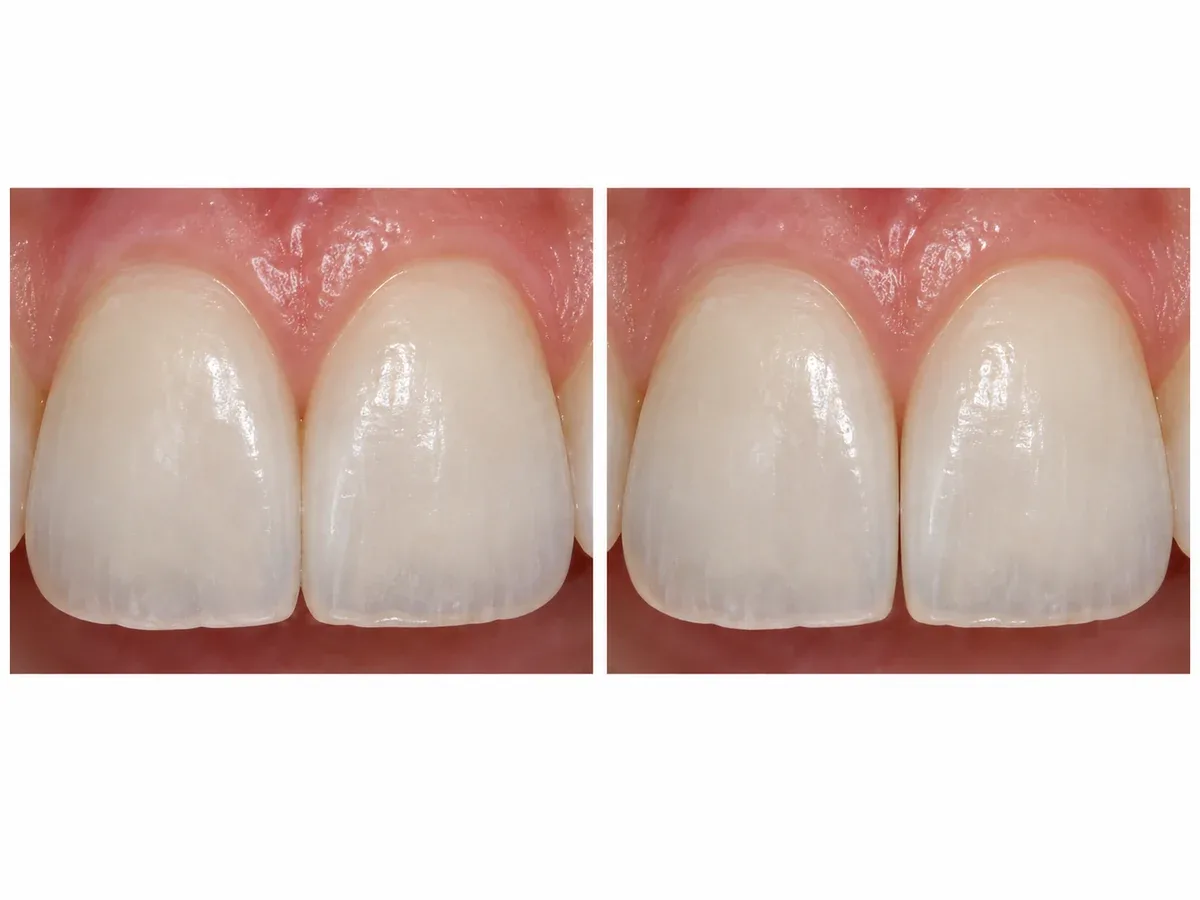
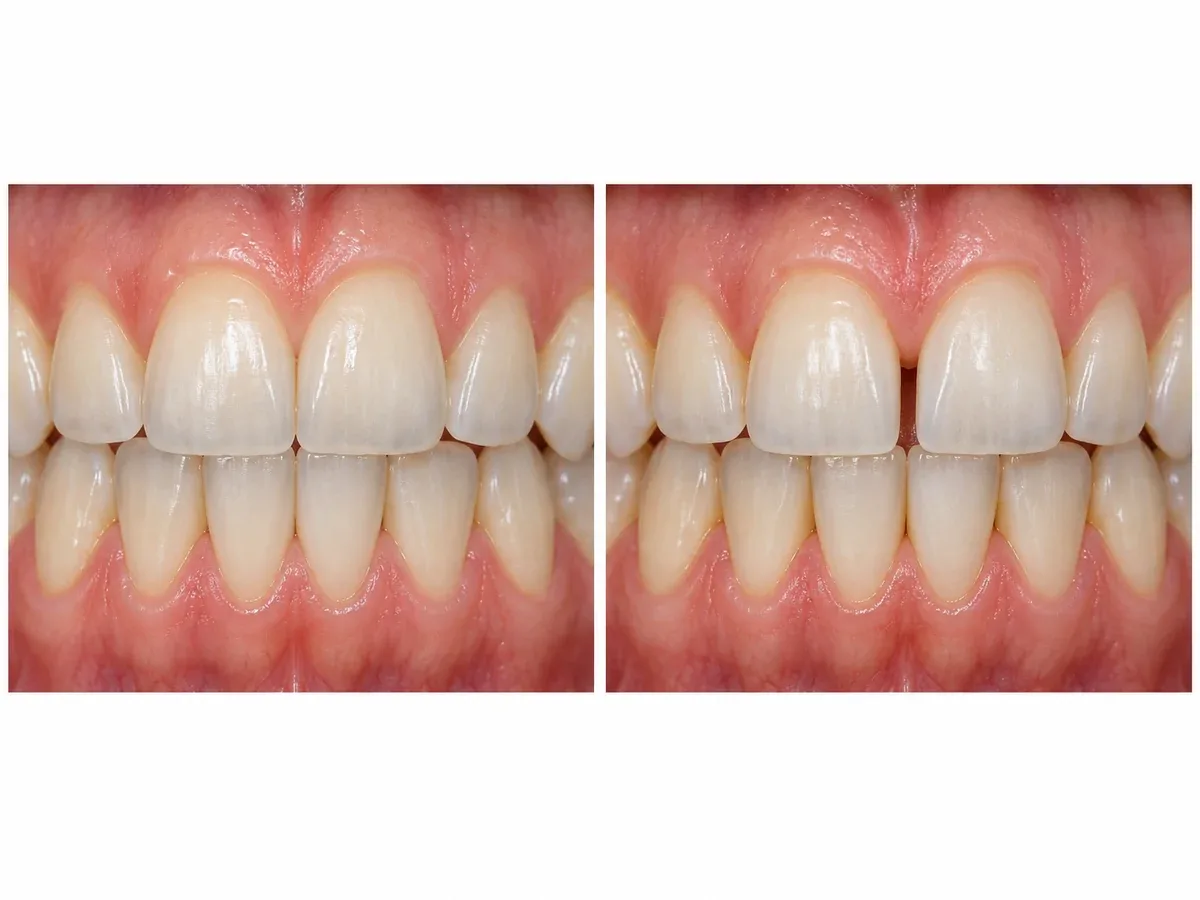
- During this time, gaps opened between the front teeth and the midline shifted.
- After a meeting with the dental team, the patient was fitted with a hard-type fifth-stage appliance.
The case shows what can happen when a planned step is skipped. It also shows why the plan needs to be clear from the start.
| Stage | What happened |
|---|---|
| First visit | Oral exam and treatment plan consultation |
| One week later | IPR in three places, first-stage aligner fitted |
| Stages 2 to 4 | Continued without IPR at the patient's wish |
| Result | Front teeth spread apart and the midline shifted |
| Next step | Hard-type fifth-stage appliance after a meeting |
What did the mediation agency accept, and what did it fault?
The expert review looked at two separate questions. It did not treat the case as simply right or wrong.
First, it found that given the patient's oral condition, the IPR was a standard step. It also found that without IPR, clear aligner treatment had limits in this case. In other words, the procedure itself was not improper.
However, the agency found that the dental team had not explained or recorded enough about these points:
- the limits of clear aligner treatment
- the treatment process and the need for IPR
- possible changes in the dental midline
For that reason, it held the dental team responsible. The problem was the explanation and the records, not the IPR.
The report also quoted an agency official. Orthodontic treatment takes a relatively long time, so building trust with the patient matters throughout.
The official added that orthodontics carries a duty for the process and also for the result. So the dental team should explain fully and have the patient sign a consent form.
When does reduction become a problem?
In another case, the Korea Consumer Agency made the decision. The patient had clear aligner treatment for four years.
During that time, the dentist in charge changed several times without prior explanation. The teeth had been reduced excessively before treatment. Attachments were not used, even though the treatment was not working well.
Despite the long treatment, the patient ended up with these problems:
- a Class II malocclusion (a bite where the upper teeth sit too far forward)
- tooth sensitivity
- jaw joint problems, with pain and clicking when chewing
- wider gaps between the teeth
- back teeth tipping over
Because of these side effects, the patient needed orthodontic treatment again.
The agency's dispute settlement committee said that even with clear aligner treatment, attachments should have been used when needed. After checking clinical photos of the mouth, it also found the IPR had been excessive.
It concluded that the dental team had not met its duty of care and ordered compensation. An agency official added that the patient's condition had not been checked closely every 4–6 weeks, and this was also a problem.

| Point | Mediation agency case | Consumer Agency case |
|---|---|---|
| IPR | A standard step given the patient's oral condition | Excessive reduction before treatment was faulted |
| What was faulted | Too little explanation and record of limits, need for IPR and midline change | Not using attachments when progress was poor |
| Outcome | The dental team was held responsible | Compensation was ordered |
The change of dentist also matters. The problem was not the change itself, but that it happened without explanation.
In long treatment, it is fair to ask who would take over your case and how your records would be passed on.
Why are attachments used with clear aligners?
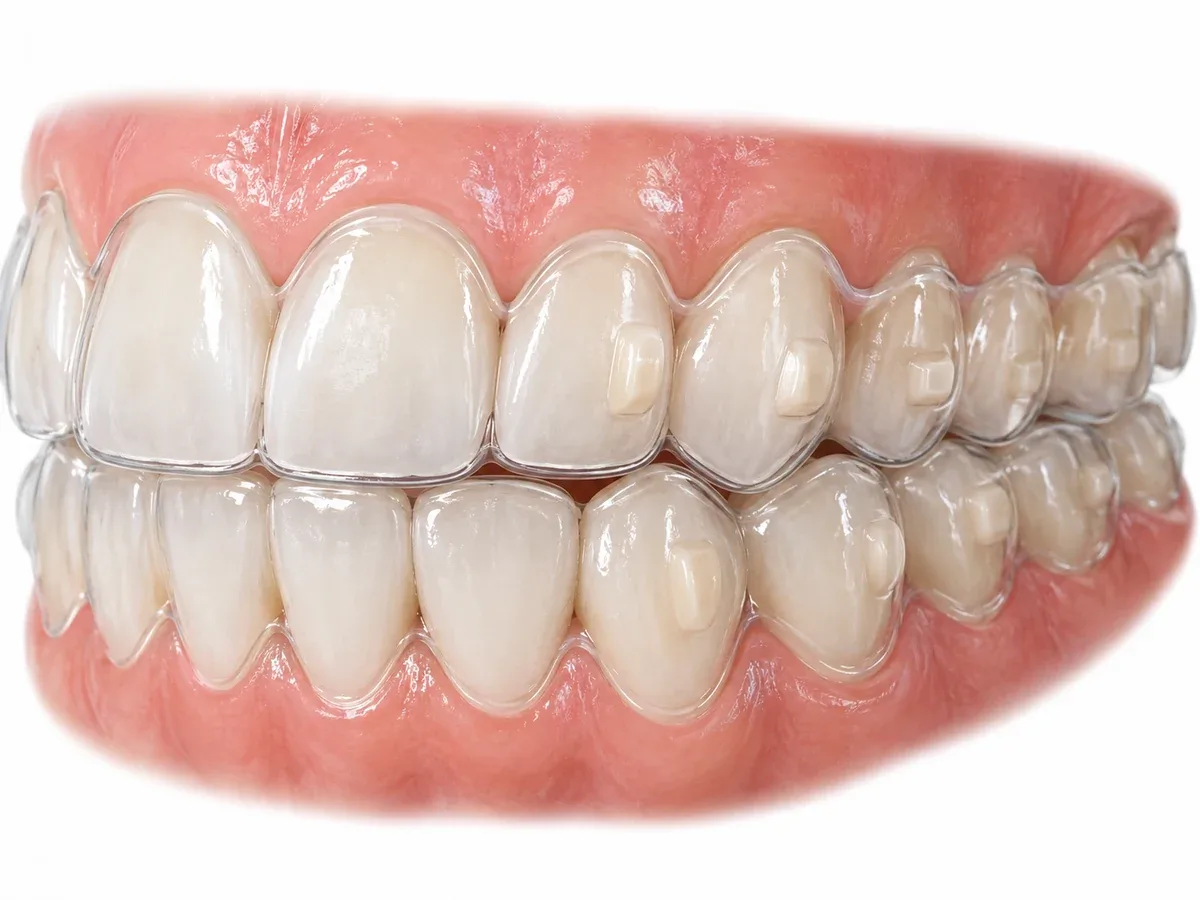
Some tooth movements are hard to achieve with a clear tray alone. The tray needs something to push against.
In those cases, small attachments are bonded to the tooth surface. They give the aligner a place to grip and apply force.
This is exactly the point the Consumer Agency raised. When progress was poor, attachments should have been used.
If you picture clear aligner treatment as "just wearing trays with nothing attached," check this before you start. Ask whether attachments, or a switch to another appliance, may be needed.
The first case offers a similar lesson from another angle. When the planned IPR was skipped, the team moved to a hard-type appliance to deal with the gaps and midline shift.
In both cases, the tray alone was not the whole plan. Knowing the possible extra steps in advance makes later changes easier to understand.
How is the need for space diagnosed?
Asan Medical Center's guide to dental arch problems explains how orthodontic diagnosis is made. It lists these records:
- X-rays that show the whole head and all the teeth
- photos of the face and the inside of the mouth
- dental models taken from the teeth
With these records, the dentist can see the problems in the overall relationship between the teeth and jaws. The guide notes that tooth size and jaw size are set by genes and cannot be changed.
The guide also says that tooth position problems depend partly on esthetic standards. So the judgment involves personal views and needs a careful exam and consultation.
Whether IPR is needed, and how much, comes from this diagnosis. It should not be decided on the day the trays arrive.
These records matter later as well. As one of the dispute cases below shows, without first-visit records and X-rays it becomes hard to judge afterwards whether the care was appropriate.
What do these dispute cases teach patients?
The third report cited in this column described another orthodontic dispute handled by the mediation agency. It involved long-term treatment and a malocclusion that remained at the end.
In that case, there were no first-visit records or X-ray images. So it was hard to judge whether the care had been appropriate.
There was also no consent form. The dental team was held responsible for insufficient explanation.
| Case | Main finding | What it points to |
|---|---|---|
| Clear aligners and IPR | IPR was standard, but limits, IPR and midline change were not explained or recorded enough | Explain planned steps and their limits |
| Four-year clear aligner treatment | Excessive IPR, no attachments when needed, no close check every 4–6 weeks | Measured reduction, the right tools, regular checks |
| Long-term orthodontics | No first-visit records, X-rays or consent form | Records and written consent |
Put side by side, the three cases share a pattern. The disputes grew where explanation, records or follow-up fell short.
For patients, that turns into a few practical habits:
- ask for planned steps, such as IPR, to be explained before they start
- ask what the appliance can and cannot do in your case
- make sure first-visit records, photos and X-rays are taken
- agree on how often progress will be checked
- ask to be told in advance if the dentist in charge changes
None of this is about doubting your dentist. It simply keeps both sides working from the same plan.
What should you agree on before clear aligner treatment in Busan?
Both cases point to the same thing. The key issue was not whether a procedure was right or wrong, but explanation and records.
At your consultation, we suggest confirming these points:
- whether IPR is planned, and if so, in how many places and by how much
- how far treatment can go without it
- whether attachments or a different appliance might be needed
- whether the midline may change during treatment
- how often you will come in for check-ups
A third dispute report gives the same advice. A legal affairs director of the Korean Dental Association said treatment should start with an accurate diagnosis, realistic and achievable goals and a full explanation of side effects.
Treatment should then begin after written consent. During treatment, patients should also be kept informed of their current condition, the plan and the expected remaining time.
| Item | What to ask |
|---|---|
| IPR | Is it planned, and how many places and how much? |
| Without IPR | How far can treatment go? |
| Appliances | Could attachments or another appliance be needed? |
| Midline | Could it change during treatment? |
| Check-ups | How often will progress be checked? |
Frequently asked questions
Does IPR weaken the teeth during clear aligner treatment?
The expert review in the report found that, given the patient's oral condition, the IPR was a standard step. What caused problems was reduction that went too far, and too little explanation and record-keeping. How much, and in how many places, is the key question.
What happens if I refuse IPR?
The review found that without IPR, clear aligner treatment had limits in that case. After the patient refused, the front teeth spread and the midline shifted, and the appliance was changed. You can say no, but the achievable result may then be different.
How often should progress be checked?
A Consumer Agency official named not checking the patient closely every 4–6 weeks as a problem. That was the standard raised in that case rather than a fixed rule, but it shows why agreeing on an interval matters.
Can I get clear aligner treatment in English in Busan?
Yes. We offer 1:1 English interpretation from the first consultation through the end of treatment. The clinic is near Seomyeon Station Exit 2 (5-min walk), opposite Lotte Hotel Busan, and you can call 010-8555-2854 (+82-10-8555-2854 from abroad).
With clear aligners, the plan matters as much as the trays.
Whether to reshape, how much, and what may change
should be explained and written down
before the first tray goes in.
If you are considering clear aligner treatment in Busan, Reset Dental Clinic offers 1:1 English interpretation from your first consultation through the end of treatment. Call 010-8555-2854 to book a consultation.
References
- KDA newspaper Dailydental (Chiui Sinbo), "Clear aligners: explaining and recording IPR and treatment limits is essential" — a clear aligner dispute shared by the national medical dispute mediation agency; IPR in three places one week after consultation, the patient's refusal, and the front-teeth gap and midline shift that followed; the review that IPR was standard and that treatment without it had limits; responsibility for insufficient explanation and records; and the official's comments on trust, the duty for results and consent forms
- KDA newspaper Dailydental (Chiui Sinbo), "Clear aligner treatment: care needed with attachments and IPR" — a clear aligner damages case shared by the Korea Consumer Agency; four years of treatment with unexplained changes of dentist, excessive IPR and no attachments despite poor progress; the resulting Class II malocclusion, sensitivity, jaw joint pain and clicking, wider gaps and tipped back teeth; the committee's findings and order of compensation; and the point about not checking every 4–6 weeks
- KDA newspaper Dailydental (Chiui Sinbo), "Set treatment goals and agree in advance for orthodontic treatment" — a long-term orthodontic dispute shared by the national medical dispute mediation agency; responsibility for insufficient explanation without a consent form; keeping patients informed of their condition, plan and remaining time; and advice to set realistic goals, explain side effects and start after written consent
- Asan Medical Center Disease Encyclopedia, "Dental Arch Relationship Problems" — definition; tooth and jaw size set by genes; diagnosis with head and dental X-rays, face and intraoral photos and dental models; orthodontic treatment to correct tooth position; and why esthetic judgment needs a careful exam and consultation
Written by Reset Dental Clinic Support Team
Medical review Dr. Kim Hyun-joo, Head Dentist · Integrated Dentistry Specialist
Last updated: September 19, 2026
This column is for general information and does not replace diagnosis or treatment for individual patients. If you have symptoms, please see a dentist.


