

- An underbite is a lower jaw that is abnormally large with a bad bite. A long jaw with a normal bite is classed separately.
- When the whole lower jaw sticks out, sagittal split ramus osteotomy is done, with orthodontics before and after.
- Orthodontics first moves tilted teeth back to their proper place, so they meet well after surgery.
- The surgery usually needs a hospital stay of 4 to 5 days and general anesthesia. Swelling rises for 2 to 3 days, then slowly goes down after 4 to 5 days.
At Reset Dental Clinic in Seomyeon, Busan, we often hear underbite surgery described as shaving down the jaw. The medical sources describe something closer to moving the jawbone and lining up the teeth. For patients living in or visiting Korea, we provide 1:1 English interpretation from your first consultation through the end of treatment.
This column explains what kind of surgery it is and what needs to be prepared. It is based on two guides from Asan Medical Center, on underbite and on abnormal jaw growth.
We also use the national health portal's guide on jaw surgery and orthodontics. Finally, we draw on a Korean Dental Association newspaper report on disputes over orthodontic treatment.
What counts as an underbite?
The sources start by defining the terms. A lower jaw that is larger than the upper jaw is commonly called an underbite.
More precisely, an underbite (mandibular prognathism) is when the lower jaw is abnormally large compared with the upper jaw, and there is a bad bite (malocclusion). When the jaw is simply long and there is no bite problem, it is classed as a long jaw or an enlarged chin.
This distinction matters because the part that needs treatment is different. Whether the teeth meet properly or not changes the nature of the treatment.
The sources also give a way to diagnose it. When the upper first molar does not meet the lower first molar and sits too far back, it is diagnosed as a Class III malocclusion.
In a normal bite, the upper front teeth slightly overlap the lower ones. In an underbite, the lower teeth usually sit in front of the upper teeth.

| Term | What the sources say |
|---|---|
| Underbite (mandibular prognathism) | The lower jaw is abnormally large compared with the upper jaw, with a bad bite |
| Long jaw or enlarged chin | The jaw is long, but there is no bad bite |
| Class III malocclusion | The upper first molar does not meet the lower first molar and sits too far back |
What causes an underbite?
The sources say an underbite usually develops when the lower jawbone grows too much. The size and shape of the jawbone are inherited.
So if someone on either side of your family has an underbite, you are more likely to have one too. The guide on abnormal jaw growth adds childhood habits, injury and abnormal muscle action as possible causes.
An underbite can also be linked with certain habits and general conditions. The guide lists these:
- pushing the tongue forward (tongue thrusting)
- resting the chin on the hand
- breathing through the mouth
- general conditions such as cleft lip and cleidocranial dysplasia
What an underbite can cause
The guide also describes symptoms. In severe cases, it can be hard to close the mouth.
- Chewing can be impaired because of how the teeth are arranged.
- Poor chewing can lead to indigestion and stomach problems.
- Speech can become unclear.
- An imbalance in the jaw joint can cause jaw pain.
- The face can look long, and the jaw joint may click or hurt.
These symptoms explain why the sources treat an underbite as more than a matter of looks. It affects how you eat, speak and move your jaw.
How is underbite surgery done?
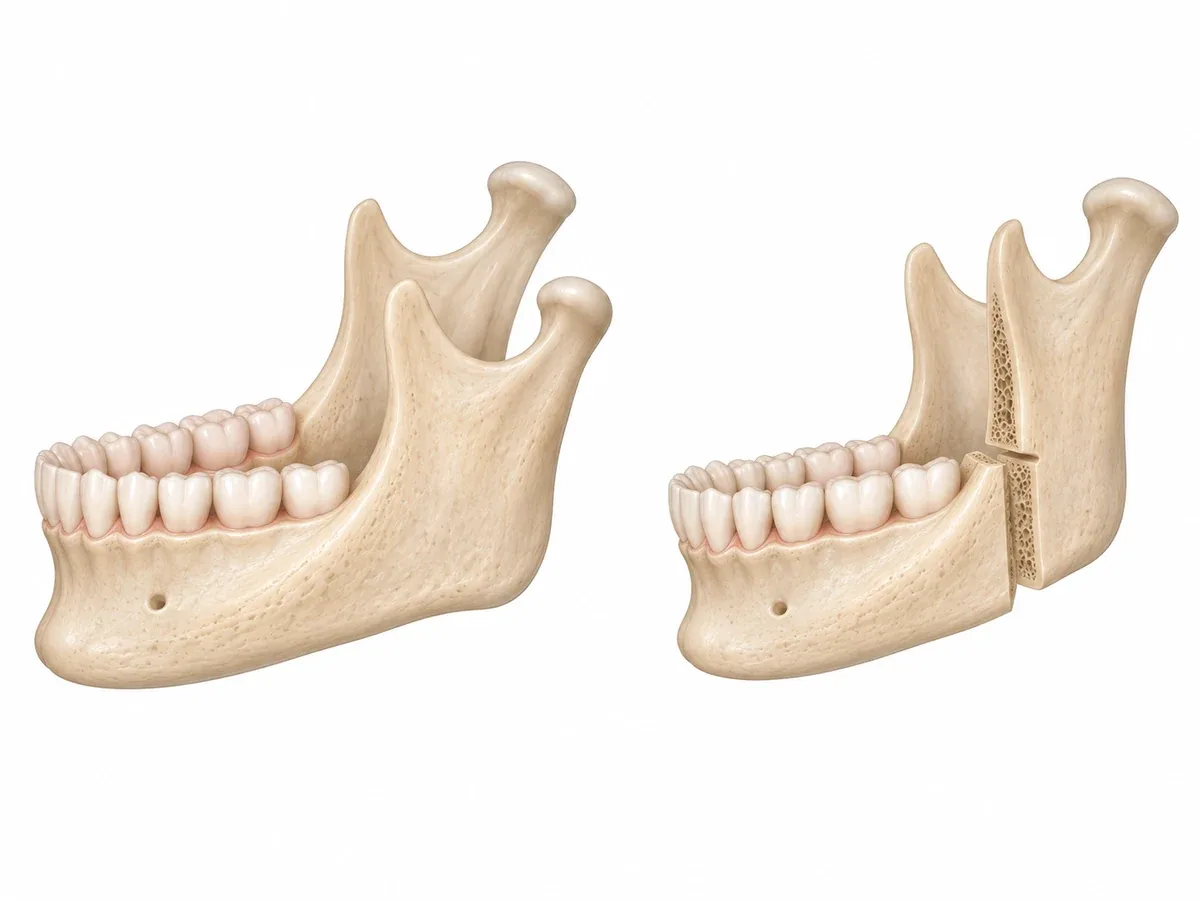
The surgery named in the sources is sagittal split ramus osteotomy (SSRO). It is used when the whole lower jaw is large and sticks out, not just the chin.
In that case, the whole jaw has to be moved back. So this jaw surgery is done together with orthodontic treatment before and after surgery.
The guide adds an important point. This surgery is quite different from chin surgery (genioplasty), which works on the chin alone.
So you first need to understand clearly which surgery you are a candidate for. According to the guide, that is how you get the result you want.
The surgery is done through cuts made inside the mouth. The lower jaw is then moved back according to the plan.
In some cases, the upper and lower teeth are tied together for a short time after surgery. During that time, the mouth cannot open.
Why does orthodontic treatment come before underbite surgery?
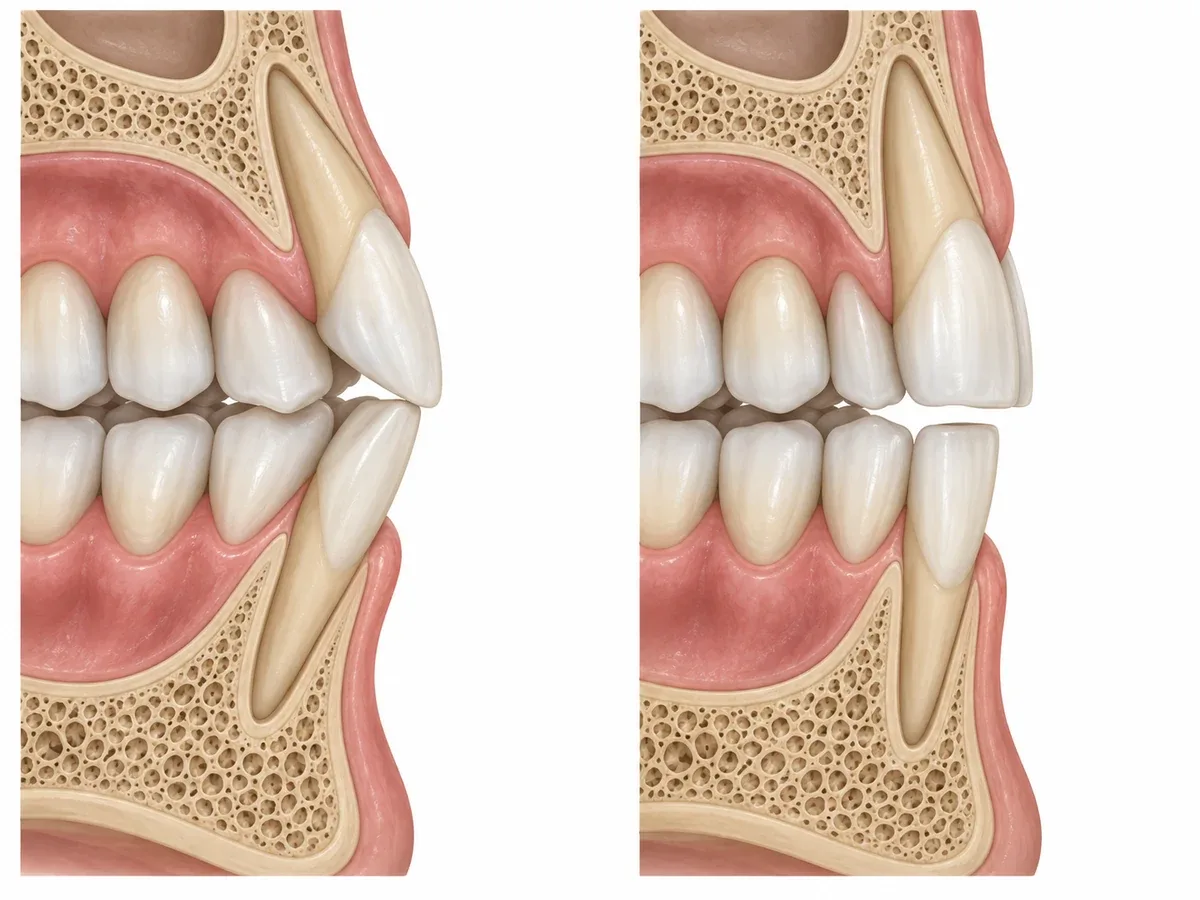
The guide is clear on this. Orthodontics before surgery moves teeth that have tilted to make up for the jaw mismatch back to their proper place. This prepares the upper and lower teeth to meet well after surgery.
This tilting is called compensation. When the jaws do not match, the teeth tilt as they grow, trying to meet somehow.
If those tilts are left as they are and the jaw alone is moved, the teeth will not meet properly. That is why the teeth are straightened first.
The national health portal says the same. It gives three aims for orthodontics before surgery:
- line up crooked teeth
- move the upper and lower teeth into the right position on their own jawbones
- balance the upper and lower teeth so they meet well after surgery
It also adds a warning. If surgery is done without first correcting the teeth, it may be hard to place the jawbone where it should go.
Even if surgery is forced through, the jawbone position may shift afterward. The result may then be unsatisfying.
How long this takes differs from person to person. The guide says it depends on each patient's teeth and skeletal condition.
Who treats an underbite, and does everyone need surgery?
The national health portal says jaw surgery is done by an orthodontist and an oral and maxillofacial surgeon together. Usually the orthodontist first moves the teeth into the right place.
The surgeon then moves one jaw, or both jaws, into the correct position. The two work as a team from start to finish.
The guide also makes a firm statement. Jaw surgery is not simple cosmetic surgery; it is functional surgery with many factors to consider.
The jaw is closely linked with how the teeth meet. When the jawbone moves, the teeth set in it move too, and the movement of the jaw joint is strongly affected.
Asan Medical Center's guide says underbite surgery can restore balance to the face and create a more harmonious shape. Even so, the same sources define it as functional surgery. It is about fitting the bite and jaw joint movement together, not just reshaping.
| Item | What the national health portal says |
|---|---|
| Orthodontist | Moves the teeth into the right place before surgery |
| Oral and maxillofacial surgeon | Moves one jaw, or both jaws, into the correct position |
| Growing children | Orthodontics may improve a skeletal problem and help avoid surgery |
| Adults who have stopped growing | Surgery is needed to correct a jaw mismatch |
| Nature of the surgery | Functional surgery, not simple cosmetic surgery |
Timing depends on growth
The path also depends on age. In growing children, orthodontic treatment may improve a skeletal problem and help avoid surgery.
In adults who have stopped growing, surgery is needed to correct a jaw mismatch. The national health portal adds that jaw surgery is done when the bite problem is too severe for orthodontics alone, or when orthodontics alone cannot fully improve the face.
What is recovery like after underbite surgery?
We will pass on the numbers exactly as the sources give them. The surgery usually needs a hospital stay of about 4 to 5 days and general anesthesia.
Swelling increases gradually for 2 to 3 days. After 4 to 5 days, it slowly starts to go down.
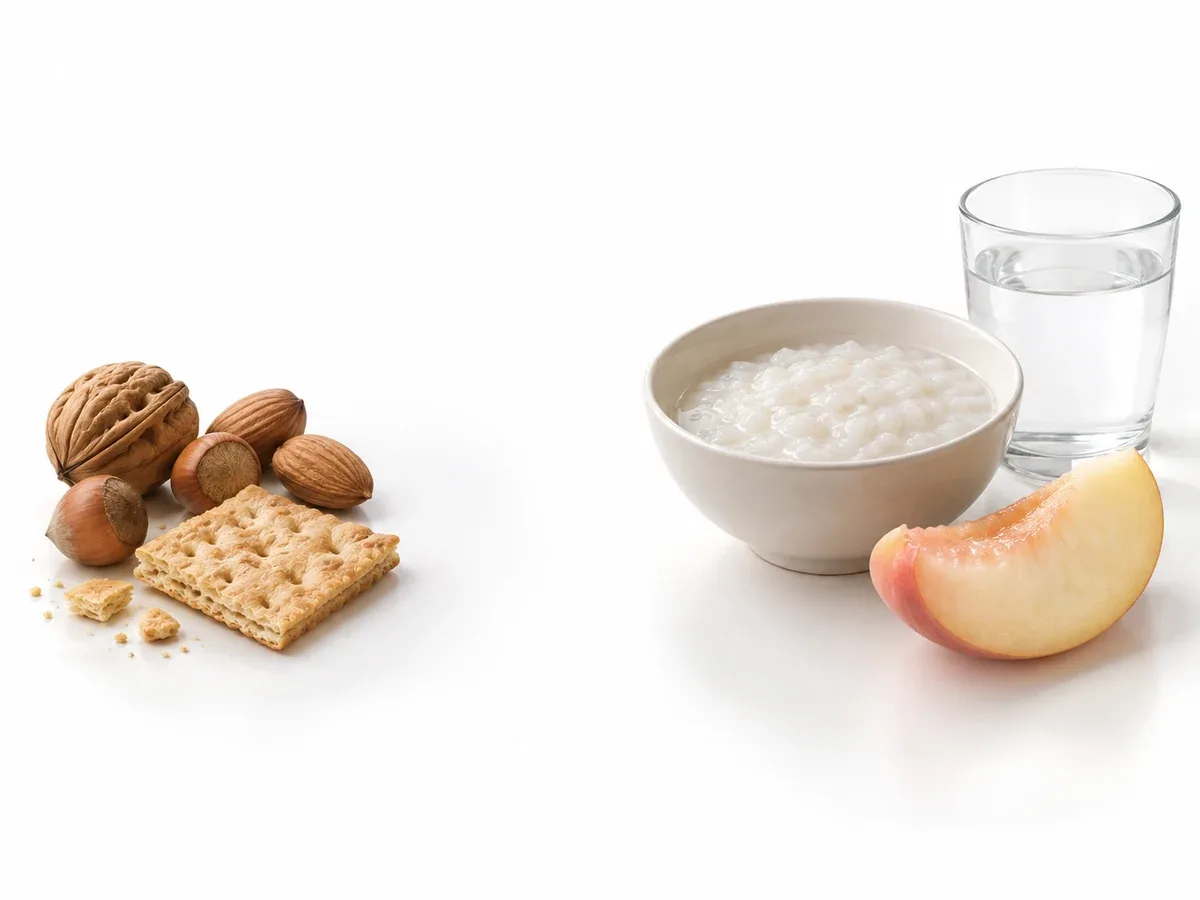
Ice packs and keeping the upper body raised help the swelling settle. For about 3 to 4 weeks, it is advisable to eat soft food and rinse with an antiseptic mouthwash.
While swelling remains, it is not unusual for the area to feel strange or numb. This gradually improves, and after about two weeks, daily life and social activities are possible.
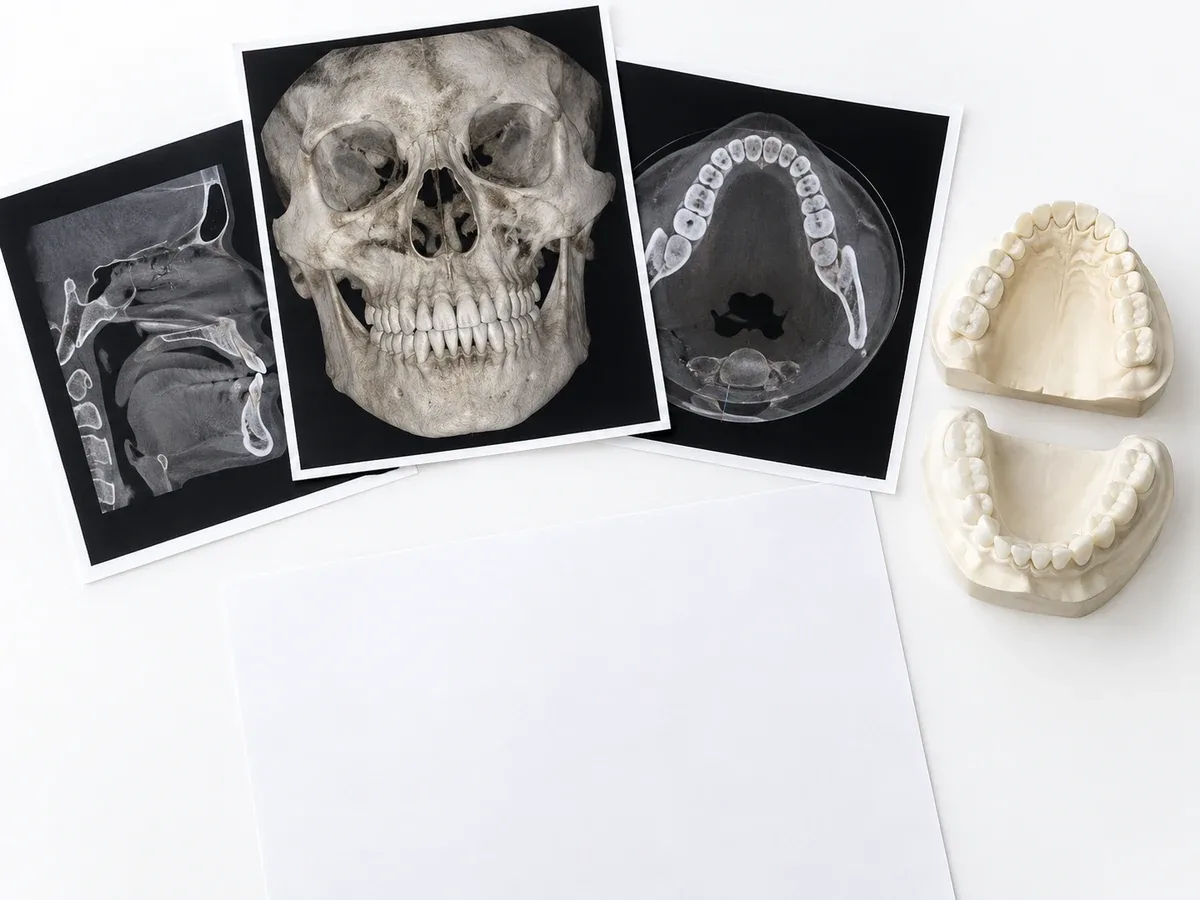
Planning happens before any of this. The guide on abnormal jaw growth says a 3D CT scan can now show the structure from the skin down to the bone. Precise measurements and simulations are done when planning surgery.
| Item | What the sources say |
|---|---|
| Hospital stay | Usually about 4 to 5 days, with general anesthesia |
| Swelling | Increases for 2 to 3 days, then slowly goes down after 4 to 5 days |
| Food | Soft food for about 3 to 4 weeks, with an antiseptic rinse |
| Back to daily life | Daily life and social activities are possible after about two weeks |
What should you check before starting underbite treatment in Busan?
A Korean Dental Association newspaper report looked at disputes over long orthodontic treatment and bad bites. The cases were shared by Korea's national medical dispute mediation agency.
In one case, there were no records or X-rays from the first visit. That made it hard to judge whether the care had been appropriate.
There was also no consent form, and the explanation given was not adequate. The conclusion was that the clinic was responsible for failing to explain properly.
The report notes that there can be a gap between what a patient expects and what a dentist can achieve. Advice from the dental association and the dental academy followed from that.
- Get an accurate diagnosis before treatment starts.
- Agree on a realistic goal that can be achieved.
- Hear a full explanation of possible side effects, then give written consent.
- Have any history of jaw joint problems checked and recorded before orthodontics.
- Have a detailed jaw joint examination as part of the orthodontic diagnosis.
For an underbite, these steps matter even more. Treatment can run from orthodontics to surgery and back to orthodontics.
Frequently asked questions
Can't I just have my chin shaved for an underbite?
The sources separate the two clearly. When the whole lower jaw is large and sticks out, the whole jaw has to be moved back, so sagittal split ramus osteotomy is done. The guide says this is quite different from chin surgery, so knowing which one you need comes first.
Can orthodontics alone fix an underbite?
It can depend on growth. The national health portal says growing children may avoid surgery by improving the skeletal problem with orthodontics, while adults who have stopped growing need surgery. Which applies to you is judged by growth stage and how severe the skeletal problem is.
Will my jaws be wired shut?
The guide says that in some cases, the upper and lower teeth are tied together for a short time after surgery. This is not done in every case, and the length and method depend on the surgical plan. Hearing about it in advance can make it easier to prepare.
Can I get an underbite consultation in English in Busan?
Yes. We offer 1:1 English interpretation from the first consultation through the end of treatment. The clinic is near Seomyeon Station Exit 2 (5-min walk), opposite Lotte Hotel Busan, and you can call 010-8555-2854 (+82-10-8555-2854 from abroad).
Underbite surgery moves the jaw and lines up the teeth.
Orthodontics prepares the teeth first,
and the surgery is chosen by what needs to move.
It is functional surgery, not simple reshaping.
If you are thinking about treatment for an underbite in Busan, Reset Dental Clinic offers 1:1 English interpretation from your first consultation through the end of treatment. Call 010-8555-2854 to book a consultation.
References
- Asan Medical Center Disease Encyclopedia, "Underbite (Class III malocclusion)" — definition and distinction from a long jaw, causes, symptoms, diagnosis, sagittal split ramus osteotomy with orthodontics before and after surgery, why orthodontics comes first, and the hospital stay, swelling and recovery
- KDCA National Health Information Portal, "Jaw Surgery and Orthodontic Treatment" — when jaw surgery is done, growing children versus adults, teamwork between orthodontist and oral and maxillofacial surgeon, jaw surgery as functional surgery, and the three aims of orthodontics before surgery
- Asan Medical Center Disease Encyclopedia, "Abnormal Jaw Growth" — overgrowth and undergrowth of the jaws, causes, underbite symptoms, and diagnosis and surgical planning with 3D CT
- Korean Dental Association newspaper Dailydental (Chiui Sinbo), "Set Treatment Goals and Agree in Advance for Orthodontics" — dispute cases over long orthodontic treatment, missing first-visit records and consent, and advice on diagnosis, realistic goals, written consent and jaw joint checks before orthodontics
Written by Reset Dental Clinic Support Team
Medical review Dr. Kim Hyun-joo, Head Dentist · Integrated Dentistry Specialist
Last updated: September 19, 2026
This column is for general information and does not replace diagnosis or treatment for individual patients. If you have symptoms, please see a dentist.


