- Korea's national health insurance covers dental implants for members and dependents aged 65 or over, up to two implants per person in total.
- Under the standard in force since February 1, 2025, the crown must be porcelain-fused-to-metal (PFM) or zirconia.
- Extra surgery such as bone grafts is not covered, and people with no teeth left in a jaw are currently excluded.
- In September 2026, a government committee approved extending coverage to seniors with no teeth from January 2027. Rules can change, so check the latest version before treatment.
"Can anyone get an implant on health insurance?" "Is the third one not covered?" We hear these questions often at Reset Dental Clinic in Seomyeon, Busan. For patients living in or visiting Korea, we provide 1:1 English interpretation from your first consultation through the end of treatment.
The rules have changed several times, so different guides may reflect different dates. This column is based on sources checked up to September 16, 2026. Our main sources are the National Health Insurance Service (NHIS) and the Health Insurance Review and Assessment Service (HIRA).
Who can get dental implants covered by health insurance?
According to the NHIS, coverage is for national health insurance members or dependents aged 65 or over. The program began on July 1, 2014.
At first it was for people aged 75 or over. The age dropped to 70 in July 2015, then to 65 in July 2016.
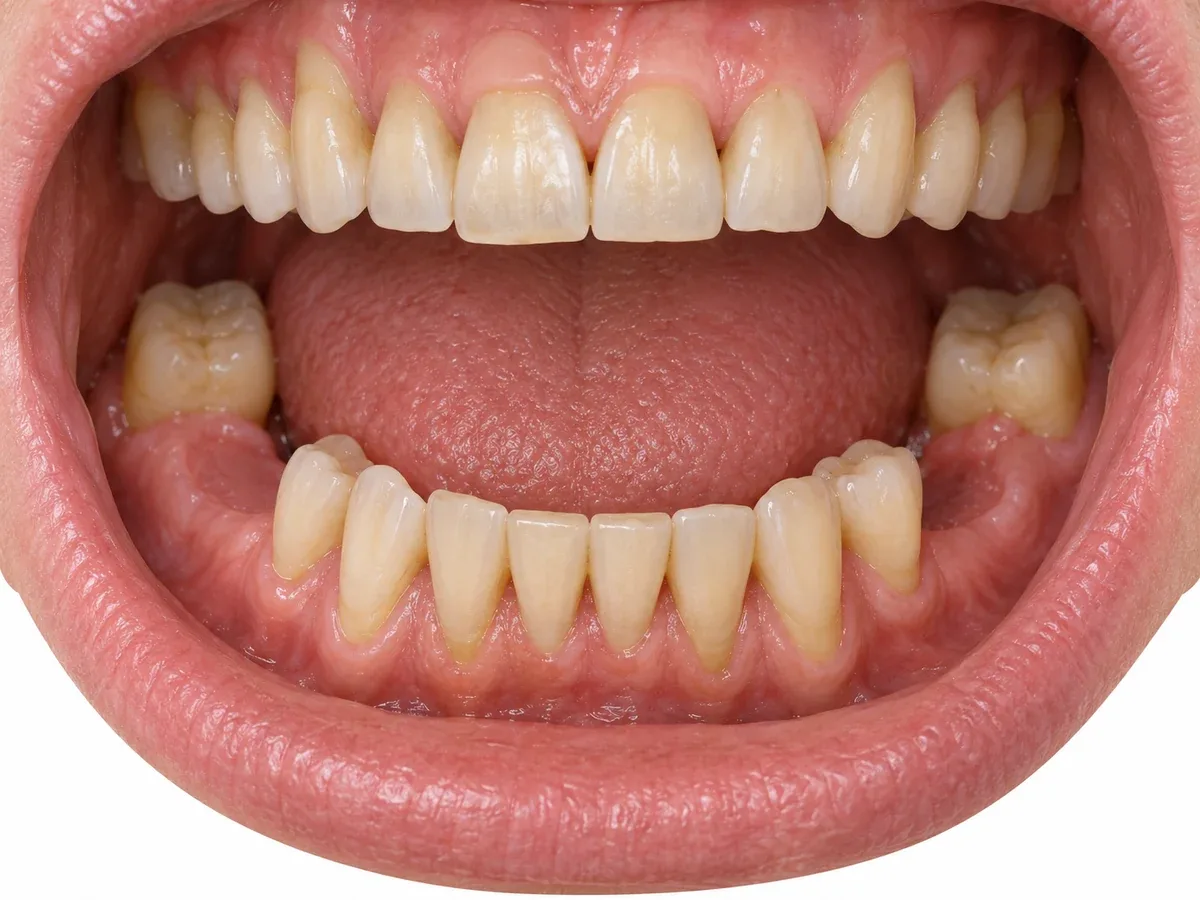
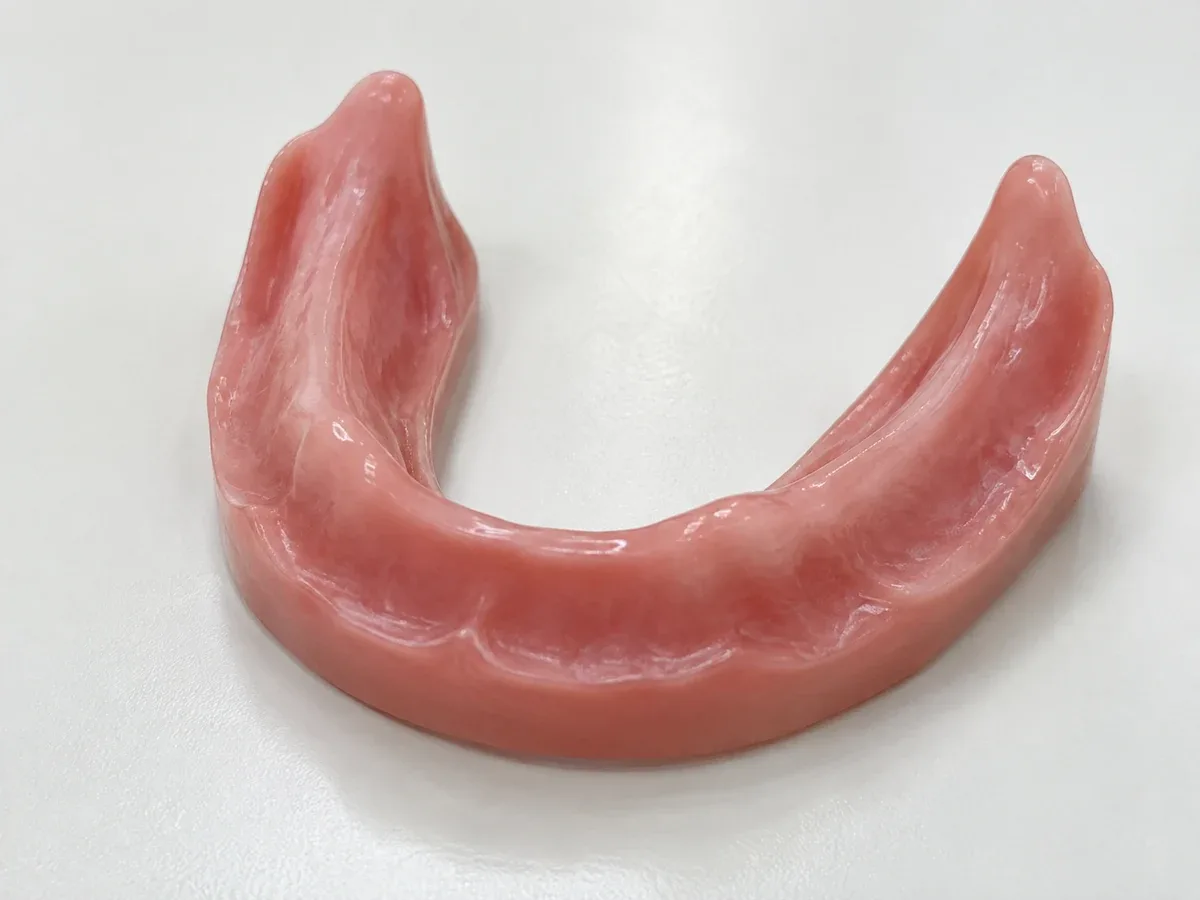
The condition is being partially edentulous, meaning some teeth remain in the upper or lower jaw. The NHIS Q&A says that people with no teeth at all in a jaw are excluded. They are covered for full dentures instead.
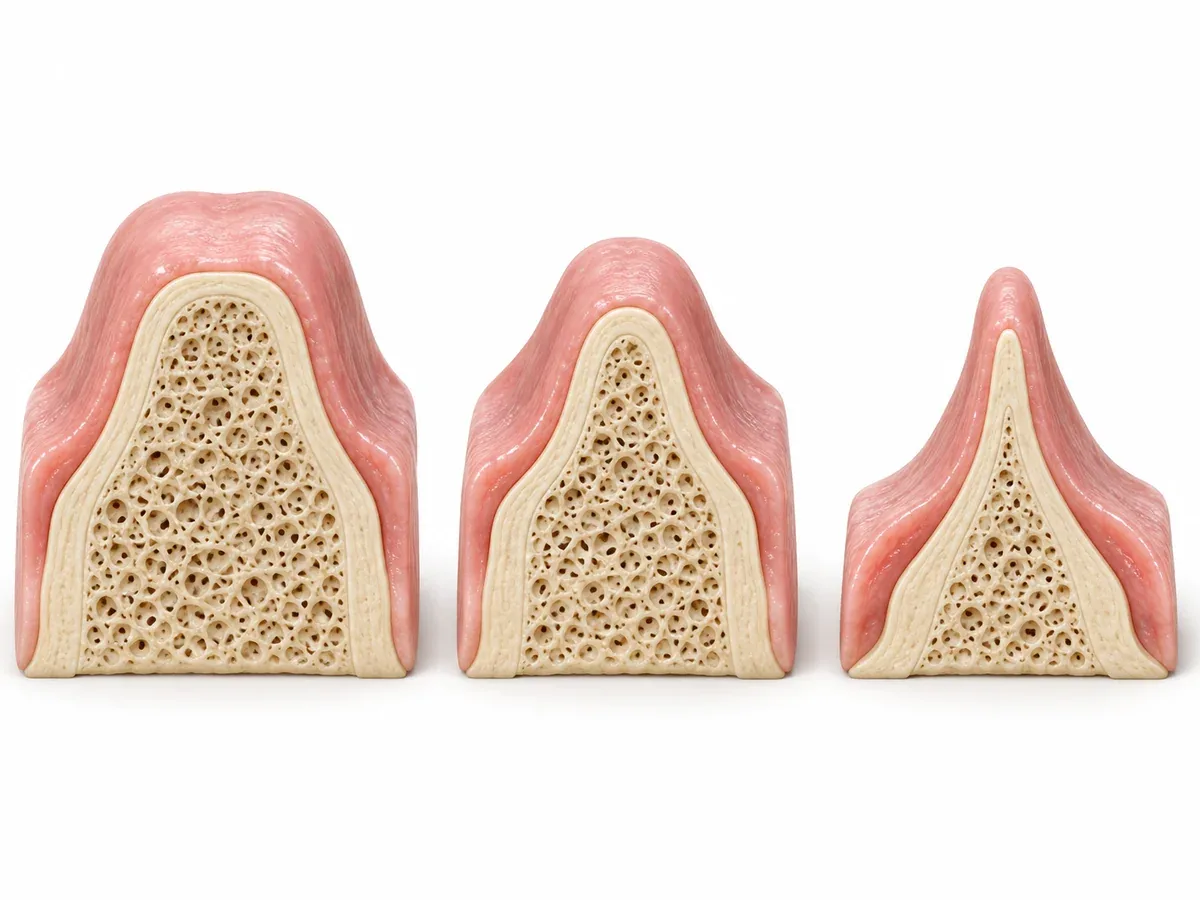
A jaw where no tooth shows above the gum is also treated as a full-denture case. This includes cases where much bone has been lost, or where roots buried in the gum are hard to remove for health reasons.
However, a jaw with no natural teeth but existing implants counts as partially edentulous. It is therefore eligible.
You must be registered with the NHIS before treatment starts. The Q&A says pre-registration helps prevent duplicate claims. It works in this order:
- The dentist examines you and decides whether you are eligible.
- You apply for registration at the clinic that will treat you. The clinic usually does this for you.
- The NHIS receives the application and reports the result.
- The clinic confirms the registration, then treatment begins.
According to the Q&A, the registration includes:
- the patient's resident registration number and name
- the tooth number to be treated and the start date
- the dentist's name and license number
- the clinic's provider code
Sometimes a clinic refers you elsewhere before registering, because it cannot do the procedure. The Q&A says that day's consultation can still be billed in that case.
You can also apply yourself at an NHIS branch office, by visit, mail or fax.
How many implants are covered, and where?
The HIRA standard sets health insurance coverage at two implants per person. This is a total over your whole life, not a yearly allowance. The NHIS Q&A notes that you do not need to have both in the same year.
There is no limit on location. The NHIS says coverage applies to every tooth position in both jaws.
It used to be different. Before July 1, 2015, back teeth were covered, while front teeth qualified when the dentist judged back-tooth placement unworkable.
There are exceptions. If the dentist stops treatment for unavoidable medical reasons, it does not count toward the two. If the patient cancels the registration, it does count.
Sometimes an implant fails to bond with bone. In that case, you can re-register the same tooth number and redo the fixture placement stage once.
The standard also defines what counts as re-placement. Placing the fixture again during the same surgery is part of one process, not a re-placement. The Q&A says that if another clinic redoes it, treatment can restart from stage 1 or 2 after re-registration.
So a third implant falls outside this coverage. Sometimes two implants support a three-tooth bridge. The Q&A says the two implants are covered, but the crown hanging in the middle is not.
Which materials must be used?
The materials rule is in the HIRA standard, Notice 2025-23, in force since February 1, 2025. To be covered by health insurance, a two-piece implant must be placed in the jawbone and restored with an approved crown.
Two-piece means the fixture, acting as the root, and the abutment, the connecting post, are separate. The crown must be PFM or zirconia.
Zirconia was added by the Ministry of Health and Welfare's Health Insurance Policy Deliberation Committee on December 27, 2024. The release said implant crowns were gradually shifting from PFM to zirconia.
Before that, PFM was the sole covered option. That is why some guide pages still list just PFM. The previous notice (2023-56) also covered PFM alone.

Not every two-piece product is covered. The Q&A says two-piece materials are split into covered and non-covered items by the official materials list.
The standard also sets which parts are counted separately. The fixture and abutment are counted on their own.
Other parts, such as the cover screw and healing abutment, are included in the procedure. The crown material is included too.
What is not covered by health insurance?
The standard says the whole procedure is not covered in any of these cases:
- treatment for a patient with no teeth in the jaw
- placement through the upper jaw into the cheekbone
- a one-piece implant, where fixture and abutment are a single unit
- a restoration made of anything other than a PFM or zirconia crown
Restorations that are not crowns fall under this too. One example is an overdenture, a denture that clips onto ball-shaped abutments. The Q&A lists it as not covered.
Some items are partly excluded. A custom abutment, milled to fit you, is not covered. The procedure itself still is.
The Q&A says extra surgery such as bone grafts or a sinus lift is not covered. In that case, the extra surgery is excluded, while the rest of the procedure is covered.
It adds that extra surgery is not needed in every case. It is done selectively, when truly necessary.
The Q&A explains why. Extra surgery is more difficult and carries more risk. Experts advised that when an older patient would need it, a partial denture should be considered first.
| Item | Coverage |
|---|---|
| Implant meeting the conditions | Covered, two per person in total |
| No teeth in the jaw, or placement into the cheekbone | Whole procedure not covered |
| One-piece implant, or a crown other than PFM or zirconia | Whole procedure not covered |
| Custom abutment | Not covered (the procedure is covered) |
| Extra surgery such as bone graft or sinus lift | The extra surgery is not covered |
| Middle crown of a bridge on two implants | Not covered |
How does treatment proceed under health insurance?
Patients pay a share of the covered cost, and the share differs by eligibility group. Implants are excluded from the annual out-of-pocket ceiling, while covered partial dentures are included in it.
Treatment is divided into three stages, each billed separately:
- diagnosis and treatment planning
- fixture placement
- crown restoration
If treatment stops before the crown, billing covers the stages done so far. The Q&A says this applies even when the patient has to stop for unavoidable reasons.
The stages are meant to be done in order. Each stage is not a single day; it groups several visits together.
Consultations are included in each stage. Extracting the tooth to be replaced is not included, and is billed separately.
As a rule, moving to another clinic mid-treatment makes coverage difficult. If the move is not your fault, such as the clinic closing, you can re-register at the new clinic.
A health insurance implant can be combined with a covered partial denture. The NHIS guide states this clearly.
The KDCA's denture page says the same. When a partially edentulous patient has two implants, a partial denture that includes those implants can also be covered.

Sometimes a registration needs changing or stopping after it is made. The table below sums up the Q&A. Once a cancellation is processed, you can register at another clinic.
| Situation | What the Q&A says |
|---|---|
| Wrong tooth number registered | The number cannot be changed; cancel and register again |
| Cancelling a registration | Same day: the clinic cancels it; later: submit a form to the NHIS |
| Termination | The patient alone can apply; it counts toward the two |
| Stopping treatment | For failed bonding, applied by the registered clinic; not possible after stage 3 is billed |
| Re-registration | For failed bonding or clinic closure, with the same tooth number |
What about aftercare once treatment ends?
The standard sets a three-month aftercare period after the crown is fitted. The Q&A says it runs from the day after the final crown is fitted and care instructions are given.
During this time, checkups at the same clinic are unlimited. If the crown breaks and is repaired or remade, there is no separate treatment charge. A prescription can be issued if needed.
The NHIS explains the reason. Patients are 65 or older, and they need guidance on caring for the new crown.
The Q&A also covers temporary cementing. A temporarily cemented crown counts as a finished restoration, so stage 3 can be billed. But repeated temporary cementing beyond three months, without final cementing, is not billable.
After three months, crown-related maintenance is not covered by health insurance. Treatment or surgery for gum disease around the implant is billed under the relevant covered items.
One more point is worth knowing. Even an implant placed without coverage is covered for treatment of disease around it. This applies regardless of age.
What changes from 2027 for patients in Korea?
The dental newspaper reported that the 15th Health Insurance Policy Deliberation Committee met on September 8, 2026. It approved health insurance coverage for seniors aged 65 or over with no teeth, starting January 2027.
According to the article, seniors with no teeth can now receive coverage for up to two implants as well.
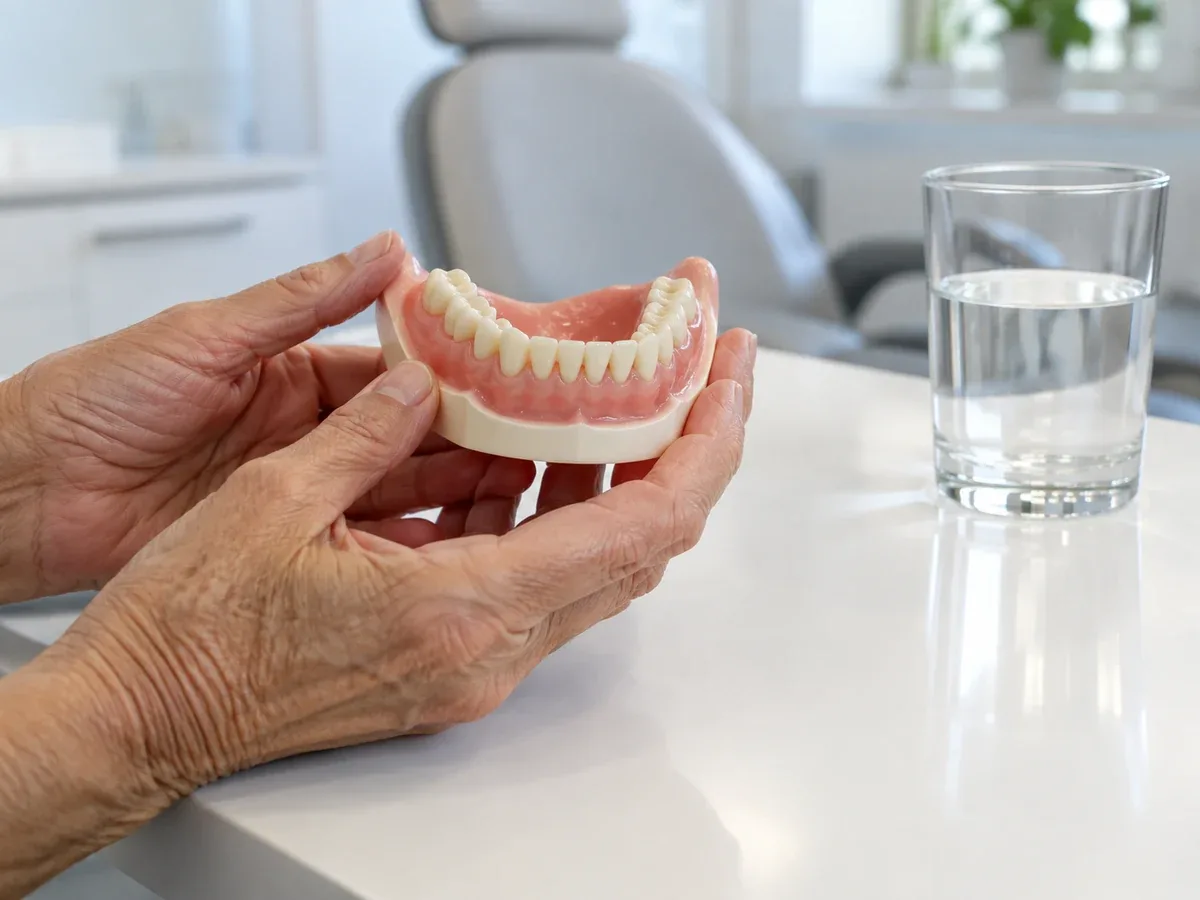
There is a condition. Those who already received a covered full denture must wait seven years from that denture. The KDCA notes that a covered denture can be remade once every seven years.
The Korean Dental Association said that, once the notice is revised, a partial denture after implants in a toothless jaw will be possible. But an overdenture that clips onto implants will be entirely non-covered, both implants and denture. It urged caution.
The details will be fixed in an official notice. It is safest to check with the NHIS again around the start date.
| Item | Current rule | From January 2027 |
|---|---|---|
| Who | Aged 65+, partially edentulous | Also seniors aged 65+ with no teeth |
| Number | Two per person in total | Up to two for seniors with no teeth too |
| No teeth in the jaw | Excluded, covered for full dentures instead | After a covered full denture, seven years must pass first |
Use of the program has grown sharply. The dental newspaper reported a 2023 HIRA analysis.
Implant surgery patients aged 65 or over rose from about 429,000 in 2016 to over 805,000 in 2022, up 87.6%.
In the same analysis, patients aged 65–69 more than tripled, from 140,000 to 430,000. Meanwhile, denture patients aged 65 or over fell from about 333,000 in 2016 to about 265,000 in 2022.
Checking these points before your consultation helps gauge eligibility quickly.
- whether you are 65 or over
- how many covered implants you have had before
- whether any teeth remain in the jaw to be treated
- if you had a covered full denture, when it was made
In short, the current conditions are age 65 or over, some teeth left in the jaw, two implants in total and approved materials. Extra surgery is not covered.
To find out whether you qualify for health insurance coverage, call 010-8555-2854. After an exam, we explain your eligibility and the registration steps.
Frequently asked questions
Can I get a covered implant in a jaw with a covered partial denture?
Yes. The NHIS Q&A says health insurance can cover an implant in that jaw. This applies when a tooth holding the denture becomes loose or is lost.
Does a failed implant use up one of my two?
The registered clinic records a stop for failed bonding, then re-registers the same tooth number. The fixture placement stage can then be redone once. Another clinic can also redo it after confirming that record.
If I need a bone graft, is nothing covered?
No. The extra surgery is not covered, but an implant that meets the conditions is still covered by health insurance.
Can I get this treatment in English in Busan?
Yes, we provide 1:1 English interpretation from your first consultation through the end of treatment. The clinic is near Seomyeon Station Exit 2 (5-min walk), opposite Lotte Hotel Busan. Call 010-8555-2854 (+82-10-8555-2854 from abroad).
Health insurance covers two implants in total for people aged 65 or over.
Some teeth must remain in the jaw for now,
approved materials must be used,
and the rules for toothless jaws change in 2027.
If you want to check your health insurance options in Busan, Reset Dental Clinic offers 1:1 English interpretation from your first consultation through the end of treatment.
References
- Health Insurance Review and Assessment Service, "Dental Implant (Per Tooth) Coverage Standard" (Notice 2025-23, effective February 1, 2025) — coverage for partially edentulous patients with two-piece implants and PFM or zirconia crowns; two per person in total; three-month aftercare period; billing by stage; one re-placement after failed bonding; custom abutments not covered; whole procedure not covered for toothless jaws, cheekbone placement, one-piece implants or other crown materials; the previous notice covered PFM alone
- Ministry of Health and Welfare press release, "Expanding Dental Implant Crown Materials and Coverage of Caries Tests" (December 27, 2024) — the committee's decision to add zirconia to PFM for implant crowns, given the gradual shift toward zirconia
- National Health Insurance Service, "Dental Implant Coverage Guide" — eligibility from age 65 and its history; start date July 1, 2014; partially edentulous patients; two per person in all positions; combination with partial dentures; exclusion from the out-of-pocket ceiling; three treatment stages; registration steps
- National Health Insurance Service, "Dental Implant Coverage Q&A" — why toothless jaws are excluded; total of two over a person's life; extra surgery not covered while the implant is; failed bonding and re-registration; changing clinics; bridge pontic not covered; implants in a jaw with a covered partial denture; the three-month aftercare period
- Korean Dental Association newspaper Dailydental (Chiui Sinbo), "After 10 Years of Effort, Health Insurance for Implants in Toothless Jaws" (September 9, 2026) — the September 8, 2026 decision to cover seniors aged 65+ with no teeth from January 2027; up to two implants; seven-year wait after a covered full denture; overdentures entirely non-covered
- Dailydental (Chiui Sinbo), "Implant Patients Aged 65+ Top 800,000 Last Year" (August 2, 2023) — HIRA analysis showing implant surgery patients aged 65+ rose from about 429,000 in 2016 to over 805,000 in 2022, up 87.6%
- KDCA National Health Information Portal, "Removable Prostheses (Dentures)" — a partial denture including two covered implants can also be covered; a covered denture can be remade once every seven years
Written by Reset Dental Clinic Support Team
Medical review Dr. Na In-chae, Head Dentist · Periodontics Specialist
Last updated: September 19, 2026
This column is for general information and does not replace diagnosis or treatment for individual patients. If you have symptoms, please see a dentist.