- A news report says researchers in Japan developed a tooth regrowth drug that blocks USAG-1, a protein that stops teeth from growing.
- It targets congenital anodontia: 6 or more of the 28 adult teeth missing from birth.
- The first trial checks safety in 30 adult men. It does not test results in patients yet.
- Teeth lost to decay or gum disease are not mentioned. Commercial use is targeted for 2030.
"I heard there is a drug that makes teeth grow back. Is it true?" Patients at Reset Dental Clinic in Seomyeon, Busan ask us this, and we answer with 1:1 English interpretation from the first consultation to the end of treatment.
Research on tooth regrowth is indeed under way. But you also need to see what the research targets and what stage it has reached.
We pass on the May 2024 Dailydental report on a Japanese tooth regrowth drug, exactly as written. Then we set out what you can do today, using KDCA National Health Information Portal pages on decay, extraction, tooth autotransplantation and dental implants.
What is the tooth regrowth research about?
The report says Kitano Hospital in Japan and Toregem BioPharma in Kyoto announced the development on May 2. It describes the method in one line.
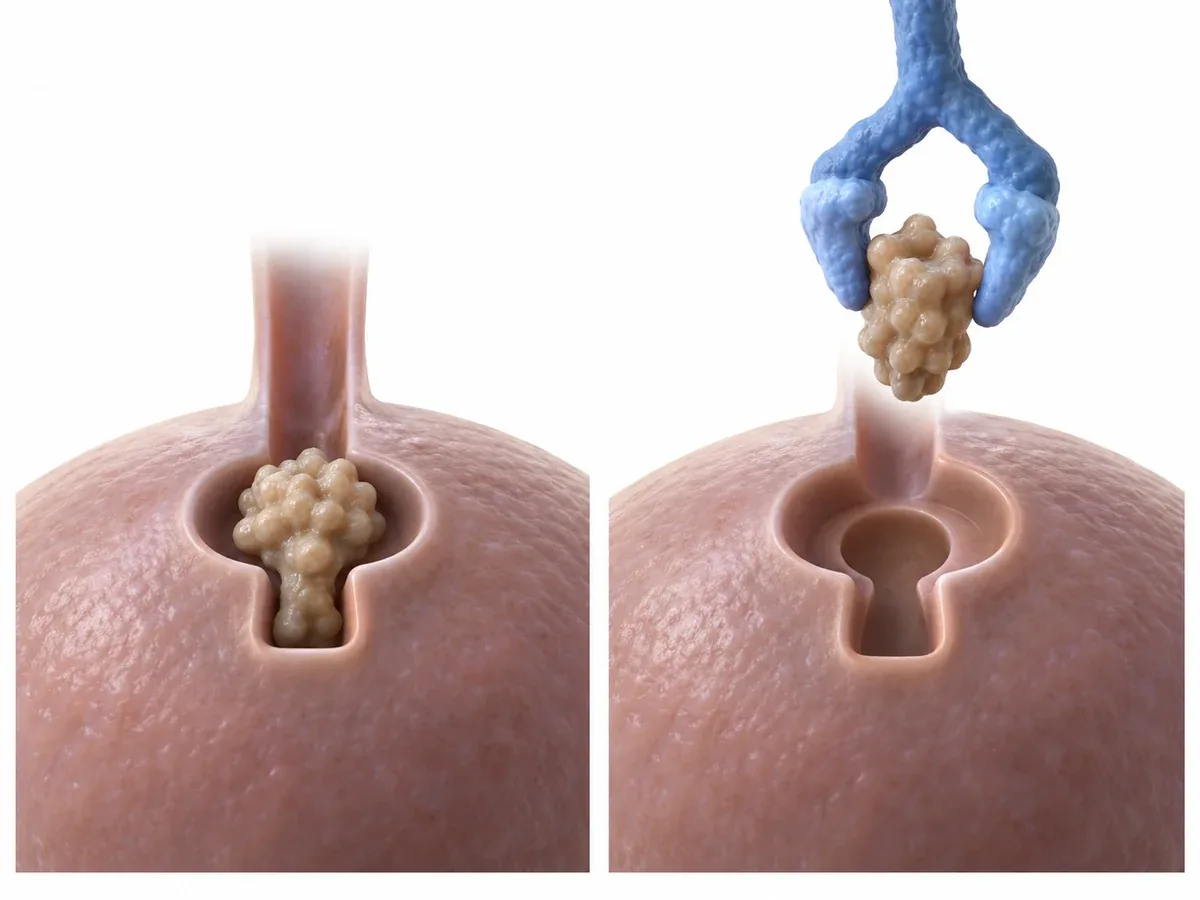
The tooth regrowth drug uses an antibody to block the action of USAG-1, a protein that stops teeth from growing.
Let us explain the terms first. An antibody is a protein the body makes to attach to a specific target.
Antibodies designed to attach to one specific protein are already used as medicines for other conditions. In this research, the target is USAG-1, a protein that works to hold back tooth growth. In other words, the drug blocks the blocker.
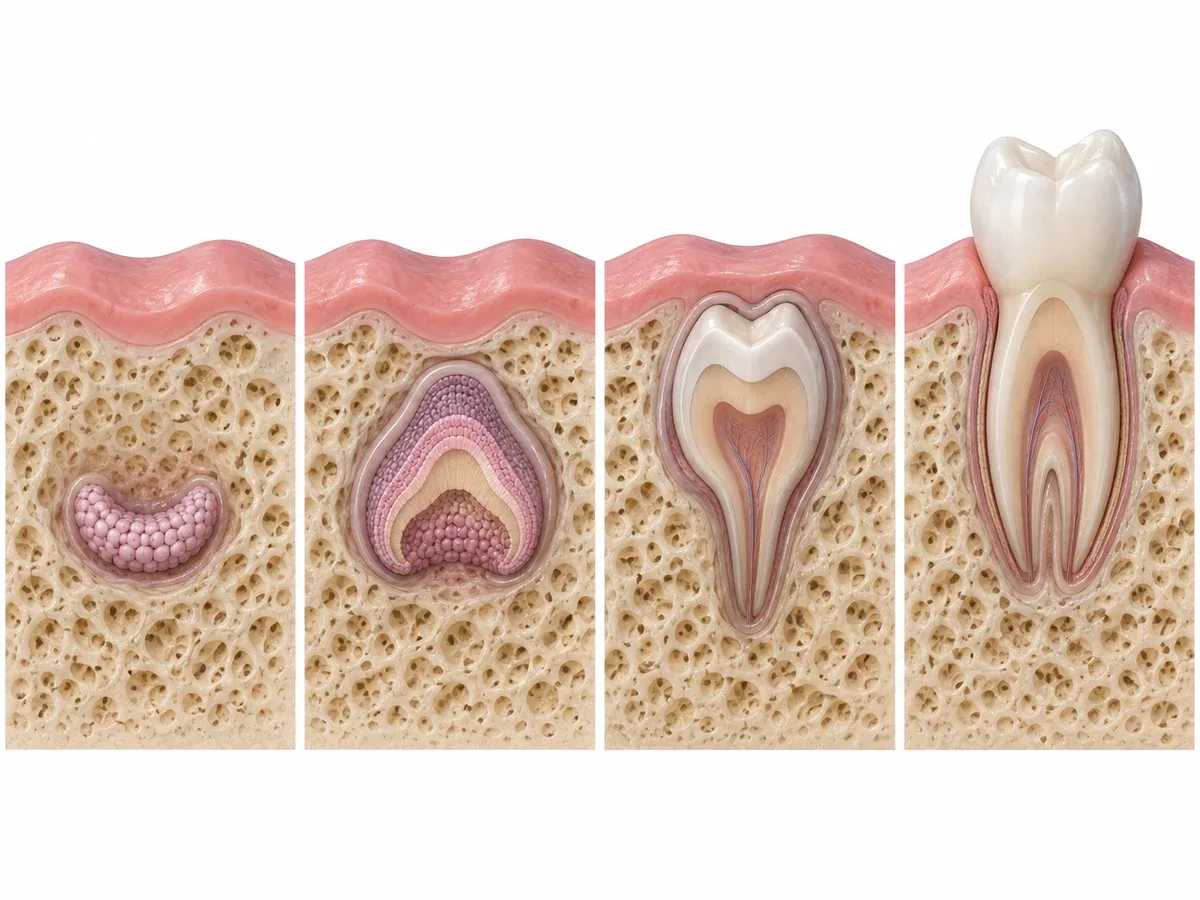
There is one condition behind all this. A tooth bud, ready to grow, has to remain inside the jawbone.
The report says earlier animal studies succeeded in activating tooth buds inside the jawbone and making teeth grow. The drug did not create something new; it set something paused back in motion.
This difference explains exactly what the tooth regrowth drug is aimed at.
Who is the tooth regrowth drug meant for?
This is the key point. The report names the target condition as congenital anodontia.
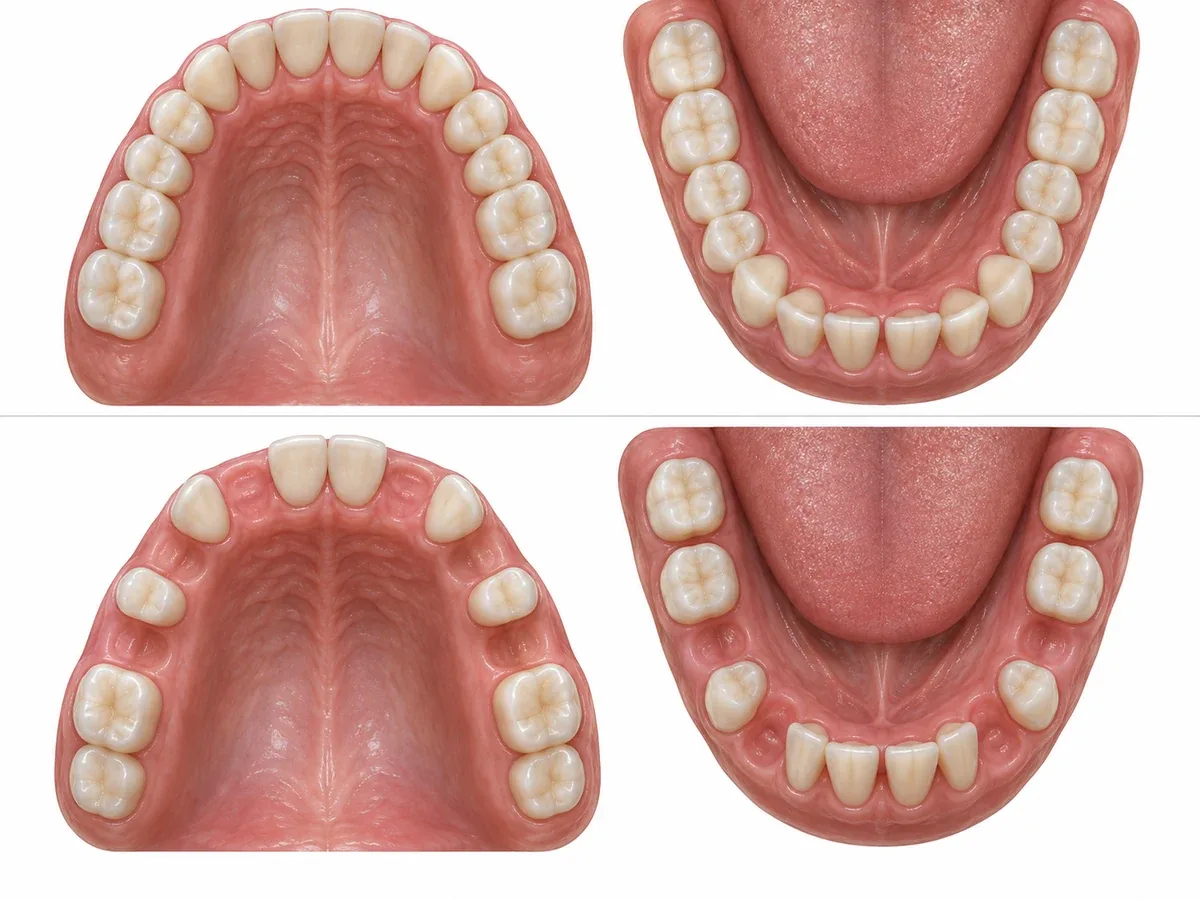
It explains that congenital anodontia means fewer teeth develop from birth. An adult normally has 28 teeth, excluding wisdom teeth, and the condition is suspected when 6 or more are missing.
So the tooth regrowth drug was not presented as a way to bring back teeth lost later to decay, gum disease or accidents. The target in the report is teeth that never came in.
This links back to the condition above. The research targets tooth buds that stopped growing and remain inside the jawbone. What a tooth regrowth drug could do where a tooth has already been removed is not stated in the report.
The report gives no figure for how common congenital anodontia is. It offers the definition alone, and we will not add a number by guessing.
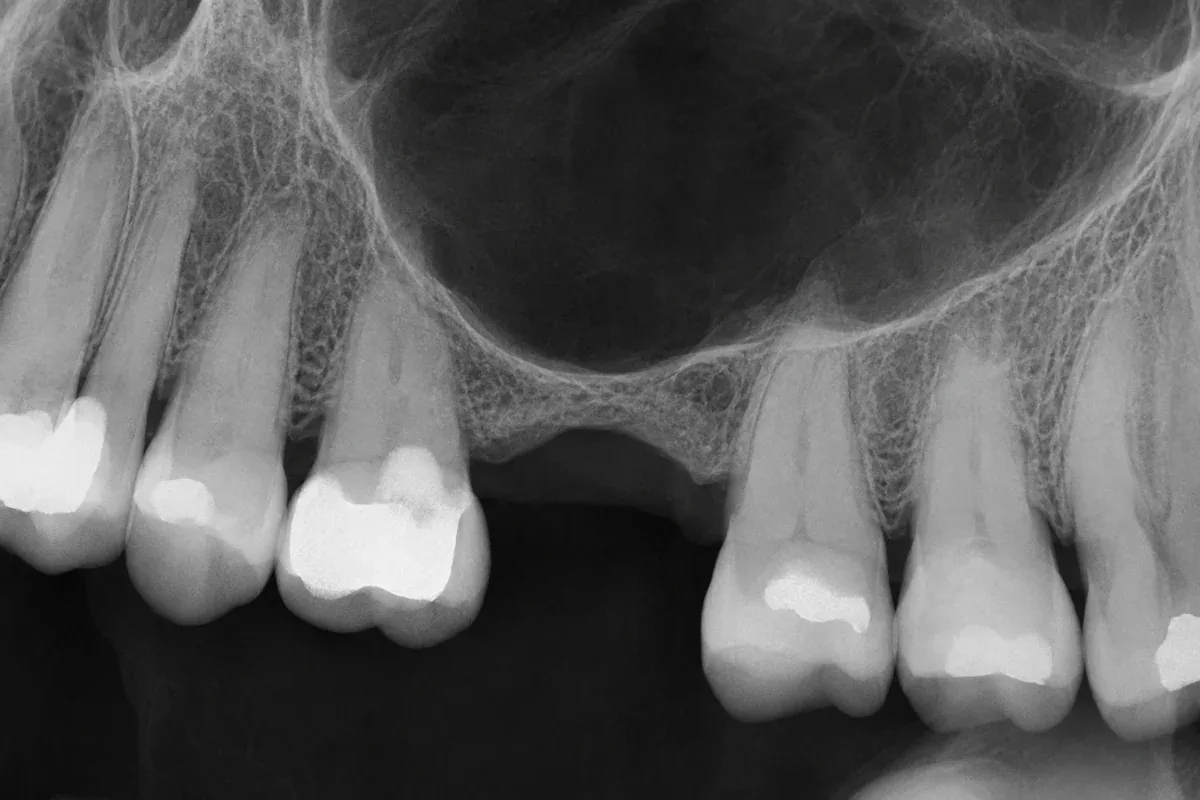
What if there is no tooth bud at all? The report does not mention that case, so we cannot answer it. Whether a tooth exists inside the jawbone, however, can already be checked with an X-ray today.
If your child has few teeth, remember that the 28-tooth rule is the one quoted in the report. A real check starts with an X-ray at a dental clinic. Depending on the child's age, a tooth may simply not have come in yet, or may not exist.
What stage has the tooth regrowth drug reached?
We pass on the schedule in the report exactly as written. The report was published in May 2024.
| Stage | What the report says |
|---|---|
| Animal studies | Succeeded in activating tooth buds inside the jawbone and making teeth grow |
| First clinical trial | From September of that year, a trial to check safety in humans, with 30 adult men aged 30 and over |
| Second clinical trial | Planned for the following year in children aged 2–7 with congenital anodontia |
| Commercial use | Target year: 2030 |
Please read the table in order. The report says the purpose of the first tooth regrowth trial is to check safety in humans.
That means it is not a stage for proving that tooth regrowth works. It first checks whether the drug is safe to use in people.
That is why the first trial involves 30 adult men aged 30 and over, not the children who hope to grow teeth. The report does not explain why this group was chosen, so we will not add a reason.
Giving the drug to the real target patients, children aged 2–7, is listed as the next stage.
The target for commercial use is 2030. Please read "target" exactly as it is written.
Clinical trials can change schedule or stop at any stage, depending on results. What the report gives is a plan and a target, not a fixed timeline.
What does the report not say about tooth regrowth?
To keep expectations realistic, here is what is missing too. The following points do not appear in the report.
- That the drug can be used by people who lost teeth to decay, gum disease or accidents
- That a new tooth will grow where a tooth has already been removed
- That it will replace implants or dentures
- When it might become available in Korea
- Any result showing teeth actually grew in people during a trial
There is a reason to list what is missing. As tooth regrowth news spreads, it is easily shortened to one line: teeth grow back.
If you trust that one sentence and delay the treatment you need now, your remaining teeth can get worse while you wait.
Support tooth regrowth research as research. But make today's decisions based on today's conditions.
Nor is there any reason to think brushing can be skipped once a tooth regrowth drug arrives. The report targets teeth missing from birth, and decay and gum disease will still develop as they do now.
| In the report | Not in the report |
|---|---|
| Target: congenital anodontia, teeth missing from birth | Use for teeth lost to decay, gum disease or accidents |
| Animal studies activated existing tooth buds | Teeth growing where no bud exists |
| First trial checks safety in humans | Any result of teeth growing in people |
| Commercial use targeted for 2030 | A fixed date, or replacing implants and dentures |
How can you protect the teeth you have now?
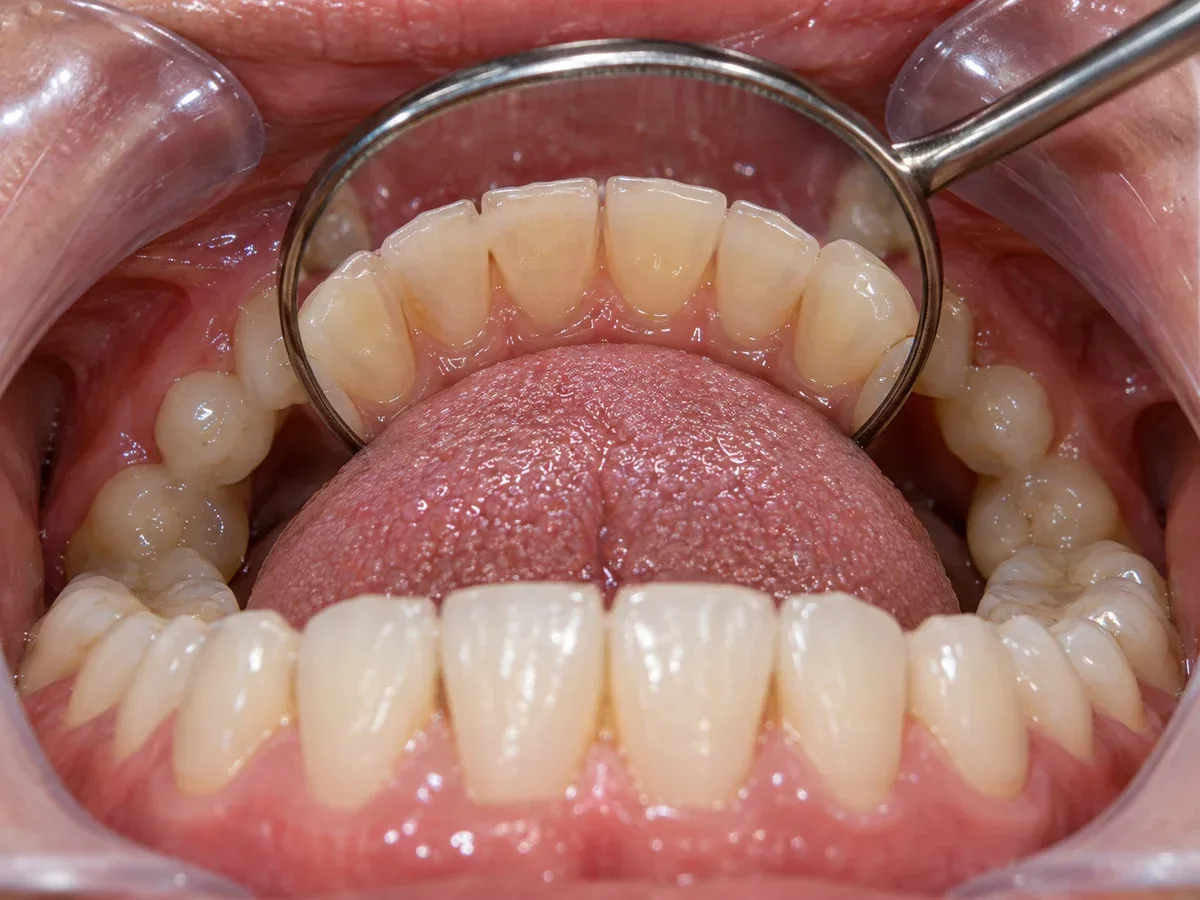
Whatever happens with tooth regrowth, there is an order to things. First comes keeping the teeth you have, then filling any gap.
The decay page describes tooth decay as a disease in which acid, made when mouth bacteria break down sugar, dissolves and destroys the tooth. It calls regular dental visits an effective way to prevent and manage decay.
It also notes that early decay causes almost no pain, so no pain does not mean all is well. As decay goes deeper, teeth become sensitive to cold and sweet foods, and pain near the nerve can be hard to bear.
The advice on eating habits is specific. The page says to cut down on snacks between meals, and to choose foods like these when you do snack.
- Fruit
- Vegetables
- Nuts
- Cheese
In other words, how often you eat matters as much as what you eat. Decay that has already formed is filled with a material chosen by its size and position.
- Amalgam
- Composite resin
- Glass ionomer, which contains fluoride and helps prevent decay
- An inlay, made precisely over two visits
Next, take a second look before any extraction. The extraction page lists cases where a tooth is removed, such as decay too severe to treat or bone loss that makes a tooth very loose.
Read the other way, if a tooth has not reached that stage, saving it comes first. Care after an extraction is also set out clearly.
- Keep biting on the gauze for about 1 hour 30 minutes.
- Use an ice pack for 1–2 days.
- Avoid alcohol and smoking for at least a week.
- Avoid using a straw for 3 days.
These steps matter because of complications such as dry socket, which brings a bad smell and severe pain 3–5 days after extraction.
What are the options for a missing tooth in Busan today?
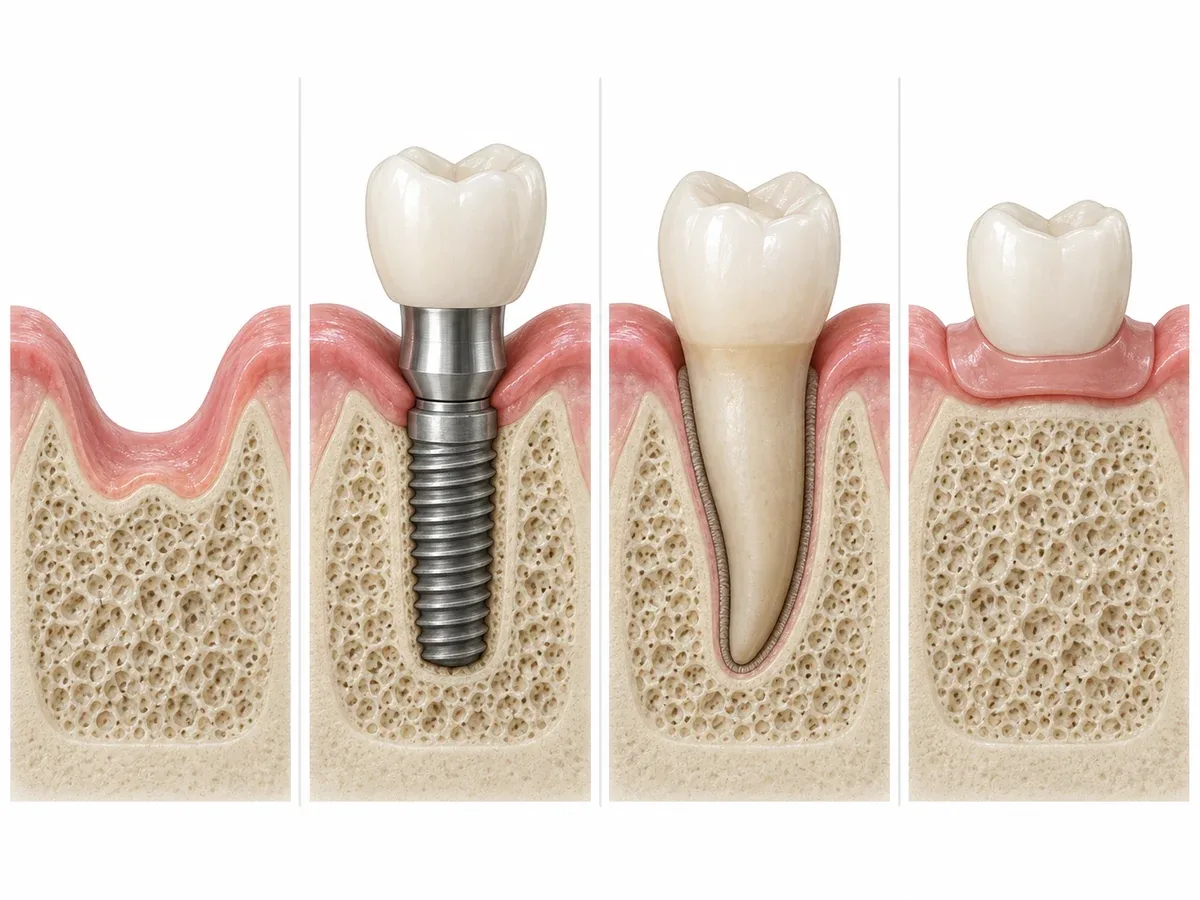
One option is to move one of your own teeth. Tooth autotransplantation means moving another healthy tooth of yours into the gap where a tooth was lost, and a wisdom tooth is the usual candidate.
The page says clinical studies report a 5-year survival rate of over 80%. It adds conditions: results are better under age 30, there should be no gum disease, and success drops the longer it has been since the extraction.
So this option suits people who meet those conditions. It is not for everyone.
The other option is a dental implant. The page describes it as placing an artificial tooth root in the bone in place of a lost tooth, then attaching an artificial tooth.
Its core principle is osseointegration, where the titanium root bonds with the bone and becomes one with it. Treatment usually takes about 3–4 months, and longer if a bone graft is needed.
The page states clearly that an implant does not last forever. Smoking is directly linked to failure, and long-term use needs careful hygiene and regular checkups.
In practice, that means avoiding excessive chewing force and using floss and interdental brushes as well. An implant is not a treatment you place and then forget.
| Option | What it involves | Conditions and cautions |
|---|---|---|
| Keeping your teeth | Regular visits, fewer snacks, fillings for decay | Early decay causes almost no pain |
| Tooth autotransplantation | Moving your own healthy tooth into the gap | Better under 30, no gum disease, sooner after extraction |
| Dental implant | An artificial root in the bone, then an artificial tooth | About 3–4 months; smoking linked to failure; regular checkups |
Put these side by side and one thing stands out. Every current method either protects what you have or fills the gap with something else.
The tooth regrowth research in the report looks down a different road, but it is still at the first gate. It is better not to mix the two stories.
Frequently asked questions
Should I wait for a tooth regrowth drug instead of getting an implant?
The report says nothing about replacing implants, and it names congenital anodontia as the target. It does not mention teeth lost to decay or gum disease, so it is not a sound reason to wait.
Does 2030 mean it will be available then?
The report gives a plan that targets commercial use of the tooth regrowth drug in 2030. It is not a fixed date. Even if it arrives then, the patients named in the report are those with congenital anodontia.
Can adults grow new teeth?
The evidence in the report is that animal studies activated tooth buds already inside the jawbone. The report gives no result of teeth growing in people. The first trial's stated purpose is to check safety in humans.
Can I get treatment in English in Busan?
Yes, we provide 1:1 English interpretation from the first consultation to the end of treatment. The clinic is near Seomyeon Station Exit 2 (5-min walk), opposite Lotte Hotel Busan. Call 010-8555-2854 (+82-10-8555-2854 from abroad).
Tooth regrowth research is real.
But the target in the report is
teeth that never came in from birth,
and the stage is a first trial that checks safety.
It is too early to be a reason to wait.
Make today's decisions on today's conditions.
If you have a missing or damaged tooth in Busan, Reset Dental Clinic offers 1:1 English interpretation from the first consultation to the end of treatment. Call 010-8555-2854 to book a consultation.
References
- KDA newspaper Dailydental (Chiui Sinbo), "Japan's Tooth Regeneration Drug Development Draws Attention" (May 14, 2024) — the May 2 announcement by Kitano Hospital and Toregem BioPharma of Kyoto; blocking USAG-1 with an antibody; earlier animal studies that activated tooth buds in the jawbone; the definition of congenital anodontia (6 or more of 28 adult teeth missing, excluding wisdom teeth); a first trial from September checking safety in 30 adult men aged 30 and over; a planned second trial in children aged 2–7 with congenital anodontia; and a target of commercial use in 2030
- KDCA National Health Information Portal, "Tooth Decay" — decay as acid from mouth bacteria breaking down sugar and dissolving the tooth; almost no pain at first and more sensitivity and pain as it progresses; regular dental visits as an effective way to prevent and manage decay, with a visit every 6 months after treatment
- KDCA National Health Information Portal, "Tooth Extraction" — cases that call for extraction, such as decay too severe to treat, bone loss causing severe looseness, orthodontic reasons, and extra or impacted teeth blocking normal growth
- KDCA National Health Information Portal, "Tooth Autotransplantation" — moving your own healthy tooth into the gap; wisdom teeth or premolars removed for orthodontics as donor teeth; a 5-year survival rate of over 80% in clinical studies; and better results under age 30, with gum health and time since extraction affecting success
- KDCA National Health Information Portal, "Dental Implants" — an artificial root placed in bone with an artificial tooth attached; the three parts of an implant; osseointegration of titanium with bone; treatment usually taking 3–4 months, longer with a bone graft; implants not lasting forever and smoking being directly linked to failure; and the need for careful hygiene and regular checkups
Written by Reset Dental Clinic Support Team
Medical review Dr. Na In-chae, Head Dentist · Periodontics Specialist
Last updated: September 19, 2026
This column is for general information and does not replace diagnosis or treatment for individual patients. If you have symptoms, please see a dentist.