- When another clinic will not look after a dental implant placed elsewhere, the reason is usually parts standards, not goodwill. Screws and tools differ by manufacturer.
- That is why the implant placement certificate is the clearest key to a solution. Take a photo of it now.
- Even without the certificate, there are ways forward. Panoramic X-rays, CT scans and parts matching narrow down the maker.
- The biggest risk is doing nothing. Peri-implantitis often progresses with almost no symptoms.
"The clinic that did my dental implant has closed." We hear this often at Reset Dental Clinic in Seomyeon, Busan, and it deserves a clear answer. This guide explains what to check now and in what order to act. For patients living in or visiting Korea, we provide 1:1 English interpretation from the first consultation through the end of treatment.
Maybe the clinic shut down, or the dentist changed. Maybe you moved far away. Or another clinic told you it cannot treat an implant it did not place.
Let us be clear from the start: this article is not meant to criticize other clinics or fellow dentists. There are structural reasons for turning such cases away, explained below. Even so, we believe no patient should be left with nowhere to go.
Why won't other clinics treat a dental implant placed elsewhere?
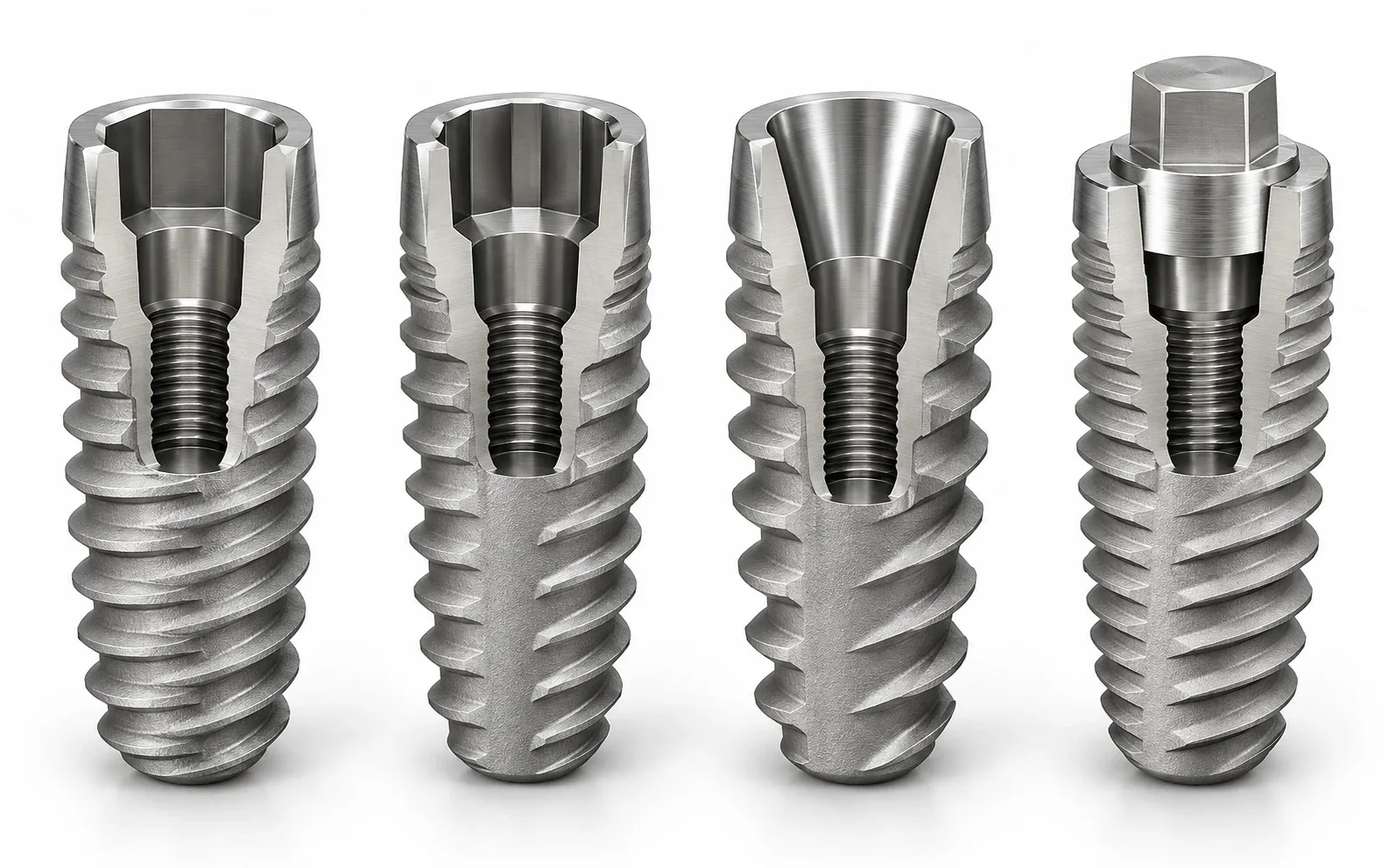
The main reason is that they cannot identify the parts. A dental implant is an assembly. A fixture is placed in the jawbone, and a connector (the abutment) and the crown are screwed on top of it.
The standards of this connection differ from one manufacturer to another. Hundreds of implant brands are sold around the world.
The shape and diameter of the screw, the tightening torque and the dedicated driver all vary by product. The crowns you can see may look alike. The connection hidden under the gum can be a completely different piece of hardware.
Imagine getting a flat tire on an imported car. The nearest garage has no wrench that fits its wheel bolts. That is not a question of the mechanic's skill. It is a question of tools.
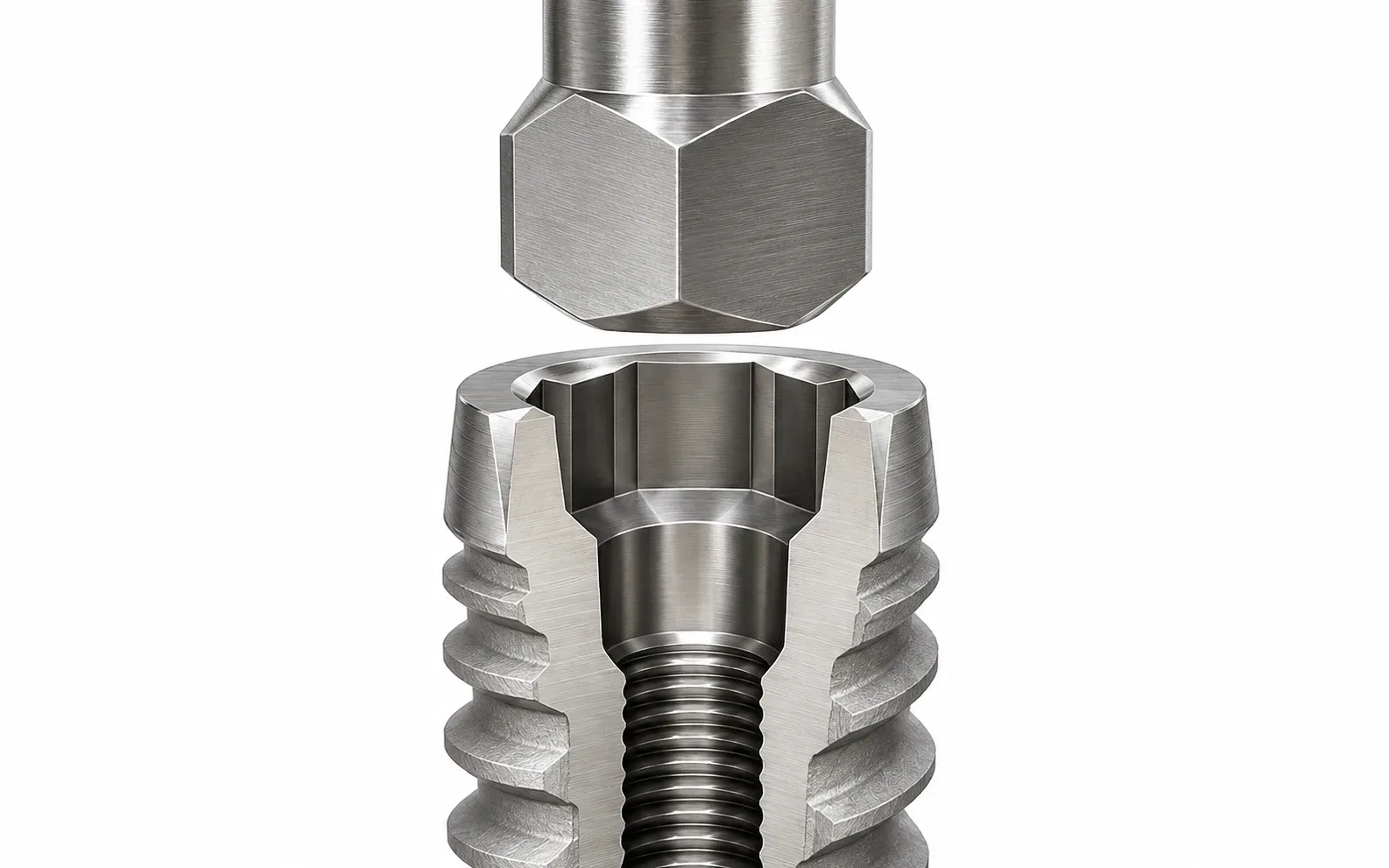
Forcing a dental implant screw with the wrong tool can strip its thread or break it. If a broken screw cannot be removed from the fixture, even a fixture well fused to the bone may have to come out.
In other words, the situation can end up worse than before anyone touched it. That is why many clinics step back carefully.
One more factor adds to this: dental implant copies that are not officially distributed products. They may copy the outer shape of a widely used Korean product while using a different inner screw standard. An X-ray alone makes them very hard to tell apart.
| What differs | Why it matters |
|---|---|
| Screw shape and diameter | The wrong part will not fit the fixture |
| Tightening torque | Each product needs its own setting |
| Dedicated driver | A mismatched tip can strip or break the screw |
| Copies of known brands | Similar outside, different inside; hard to tell apart on an X-ray |
What should you check first, and in what order?
There is an order to follow. Take these four steps one at a time to identify your dental implant.
1. Find your implant placement certificate
This document is issued by the clinic where you had surgery. It may be called a "genuine product certificate" or an "implant placement certificate."
It lists the manufacturer, product name, diameter, length and a unique product number. This one sheet solves most problems.
2. If you find it, take a photo right away
Put it in a drawer, and you may not find it when you need it. Take a photo with your phone and save it in your photo album.
It also helps to share a copy in your family group chat. Paper gets lost, but photos stay.
3. Ask your former clinic for copies of your records
If the clinic is still open, you can get copies of your treatment and surgery records.
If it has closed, the records may have been transferred to the local public health center. It is worth asking there.
4. Check your current condition with a panoramic X-ray and 3D CT
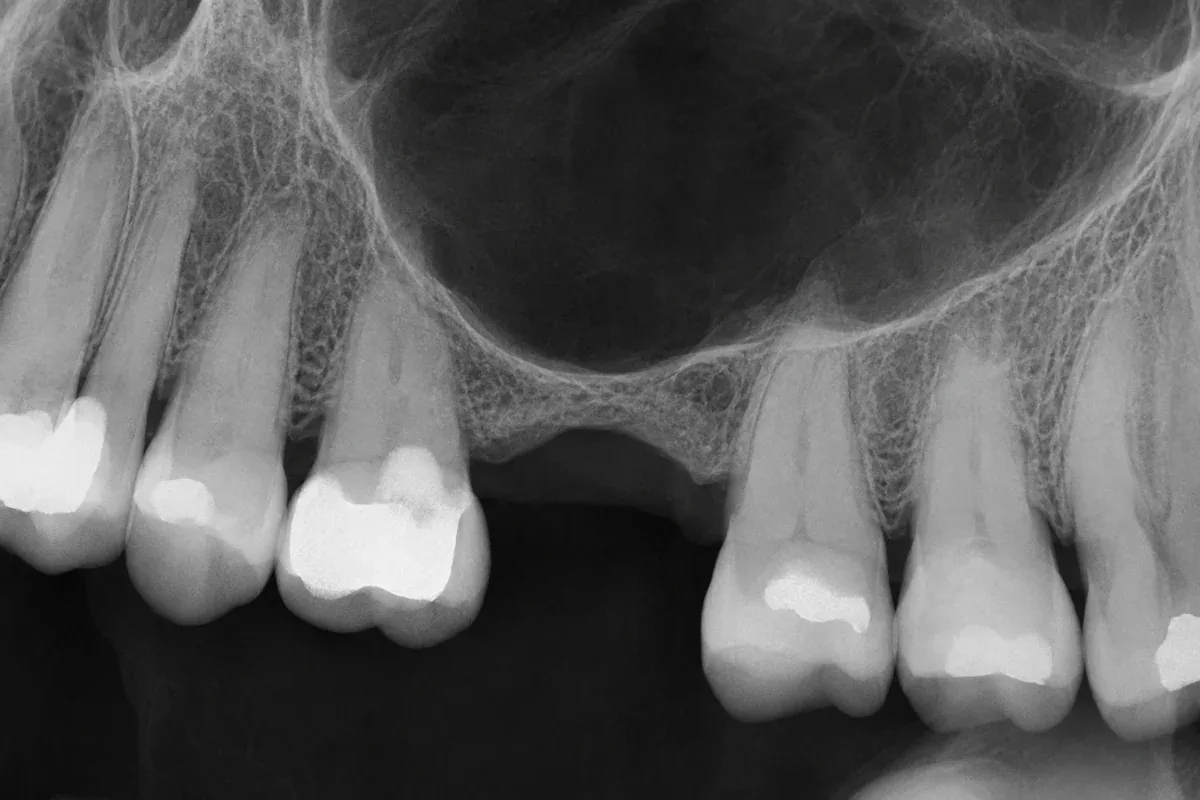
Even without documents, images tell us a lot. The fixture's length and diameter, its thread pattern and the shape of the connection help narrow down the manufacturer group.
At the same time, we assess how much bone remains and how far any inflammation has spread.
- Find the implant placement certificate.
- Photograph it and keep a copy in more than one place.
- Request copies of your records from the former clinic, or ask the local public health center if it has closed.
- Have a panoramic X-ray and 3D CT to check the implant, the bone and any inflammation.
What is written on a dental implant placement certificate?
It helps to know what each item on the certificate does. Then you know which parts must not be cut off when you take the photo.
Most important is the manufacturer and product name. It decides the connection standard and the dedicated tools.
The product number matters more than people expect. Even within one product line, a different generation can use different parts.
| Item | What it tells us | Why it is needed |
|---|---|---|
| Manufacturer and product name | Which company and which product line | Decides the connection standard and dedicated tools. This is the most important item. |
| Diameter | How thick the fixture is | The basis for matching the size of the abutment and screw |
| Length | How deep it sits in the bone | Used to confirm the product against the X-ray and CT |
| Product number and barcode | The number for the production batch | Different generations within one line use different parts, so this pins it down |
| Site and date of placement | Where and when it was placed | Tells implants apart if several were placed at different times |
When you photograph the certificate, make sure these details are in the frame:
- the manufacturer and product name
- the diameter and length
- the product number or barcode
- the site and date of placement

How do we identify an unknown dental implant at our clinic in Busan?
Losing the certificate does not mean there is nothing to be done. In fact, more patients arrive without documents than with them.
We read the panoramic X-ray and 3D CT to analyze the shape of the fixture. Then we compare it with the parts we hold, one by one, to narrow down the manufacturer.
Our in-house dental lab helps a great deal here. Our lab technician and dentist can test real parts together.
With this method, we have solved several cases involving products close to 20 years old. Some involved products no longer distributed in the country.
Not every case can be solved, though. If the parts cannot be found in the end, we consider other options.
- making a new crown or restoration
- keeping the connection and remaking the upper part
- first treating any inflammation, which can start right away
What should you do first in your situation?
The right first step depends on why you cannot go back to your original clinic.
If the clinic has closed, the certificate and the transferred records are your starting point. If the clinic is still open under a new dentist, you can ask it directly.
If another clinic turned you down, find out why. The answer is different for a parts problem and for a condition problem.
If your dental implant is loose or swollen, do not wait for paperwork. Treating the inflammation comes before identifying the parts.
| Your situation | What to do first |
|---|---|
| The clinic has closed | Find the placement certificate, and ask the local public health center whether your records were transferred. |
| The dentist has changed | The clinic still exists, so you can request your records and the product details. |
| You moved far away | Ask your former clinic to reissue the certificate or send the product details, and pass them to your new clinic. |
| Another clinic turned you down | Find out whether the reason was the parts or your condition. The answer changes the next step. |
| It feels loose or swollen | Treating inflammation is more urgent than identifying parts. See a dentist first. |
What happens if you leave it alone?
This is the choice that worries us most with a dental implant. Peri-implantitis progresses with almost no pain.
A natural tooth has a periodontal ligament around its root. When inflammation spreads, it sends a signal as discomfort when chewing. A dental implant does not have that structure.
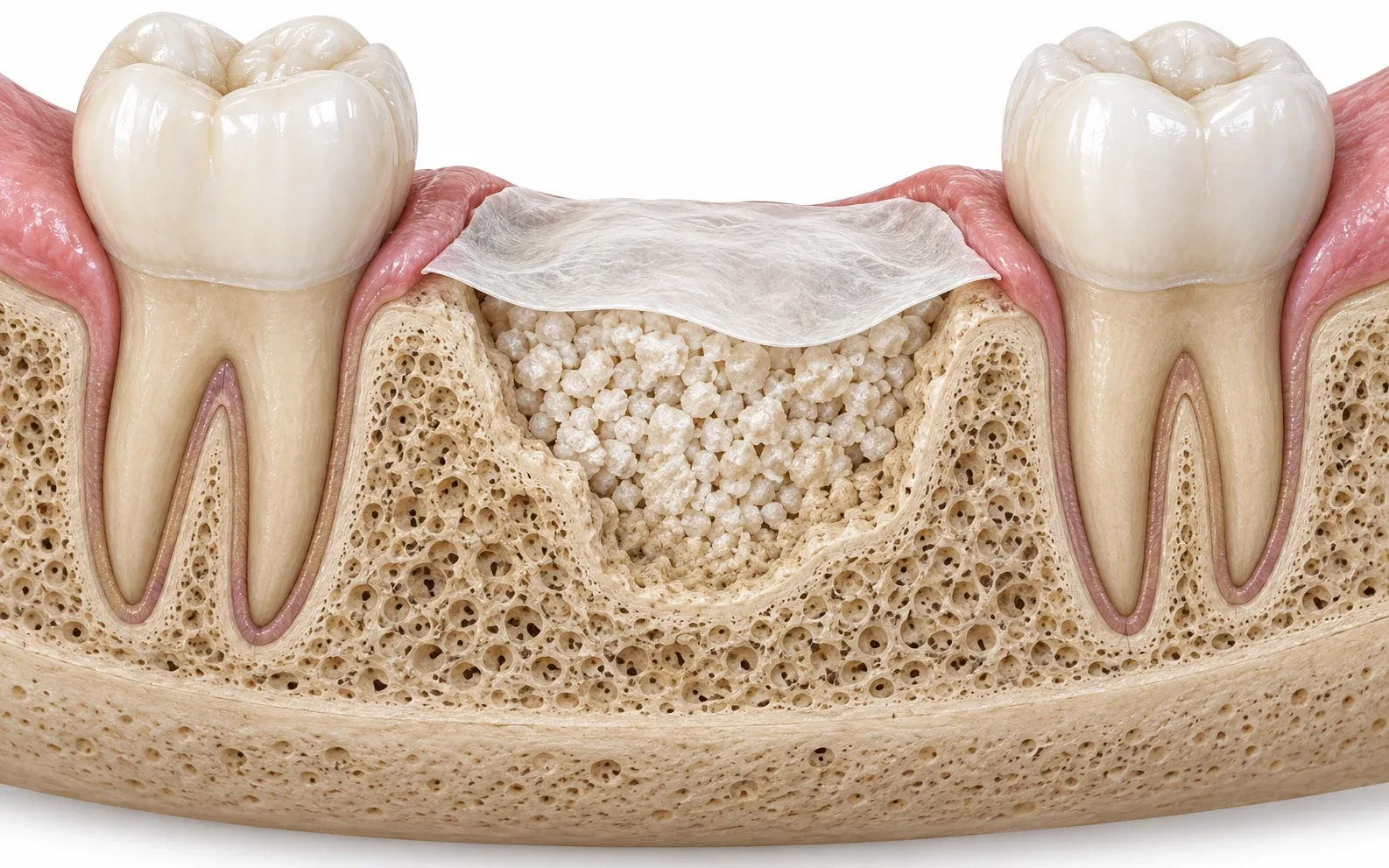
So by the time patients feel something, much of the bone around the fixture has often already dissolved. Jawbone that is lost does not come back by itself.
To place a new implant in the same spot, bone must be rebuilt first. That adds treatment time and burden.

A slightly loose dental implant screw may just need tightening. Put it off, and it can turn into removing the fixture and starting again with a bone graft.
Even if the parts cannot be found, treatment for the inflammation can start now. This should come first.
If your dental implant feels loose but does not hurt, treat it as urgent. Looseness may be a sign that a lot of bone has already been lost. The sooner it is checked, the more can be kept.
What should you check before getting a new dental implant?
There is a way to avoid this situation altogether. At the consultation, check three things.
- Ask which company's product will be used. The key is whether it is steadily distributed in the country, so that parts can be found later. If a clinic cannot answer clearly, it is wiser to look elsewhere.
- Check that you will receive a placement certificate. Be sure to get it after surgery, and photograph it on the spot.
- Ask how aftercare works. The fee for an implant should cover diagnosis, surgery, sterilization and 10 to 20 years of shared care, not just the fixture.
If a clinic cannot explain its aftercare plan, it is worth thinking again.
A dental implant is not a factory product that is placed and then forgotten. It becomes part of your body for 10 or 20 years.
Knowing the product name today makes future repairs simpler. It is a small step that saves a lot of trouble later.
Frequently asked questions
My implant clinic closed. Can another clinic look after my dental implant?
Yes. Maintenance such as tightening a screw or replacing a crown is easier when the product can be identified. The certificate is the fastest route; without it, we check through imaging and parts matching.
I have no certificate. Does the implant have to be replaced?
No. Having no documents and needing a new implant are two separate things. If the fixture is well fused to the bone, we first look at solving the upper restoration.
I was told the parts are discontinued. Is there any hope?
Compatible parts sometimes remain even for discontinued lines. Not every case is possible, so we give you a clear answer after checking.
Can I get dental implant care in English in Busan?
Yes, we provide 1:1 English interpretation from the first consultation through the end of treatment. The clinic is near Seomyeon Station Exit 2 (5-min walk), opposite Lotte Hotel Busan. Call 010-8555-2854, or +82-10-8555-2854 from abroad.
We also look after implants placed at other clinics.
First we check the remaining bone and any inflammation with panoramic X-rays and 3D CT.
After identifying the parts, we explain what is possible and what is difficult
until it makes sense to you.
If you need help with a dental implant in Busan, we offer 1:1 English interpretation for patients living in or visiting Korea. Call 010-8555-2854 to book a consultation.
References
- KDCA National Health Information Portal, "Dental implants" — definition of implants and osseointegration, treatment time, care and complications
- KDA Dental News, "65% of implant patients have experienced peri-implant disease" (17th Gum Day, Korean Academy of Periodontology) — prevalence and risk factors of peri-implant disease, maintenance intervals
- KDCA National Health Information Portal, "Gum disease (periodontal disease)" — how gum inflammation progresses to the jawbone
- KDCA National Health Information Portal, "Systemic disease and periodontal treatment" — general health factors such as smoking and diabetes, and the gum tissues
- KDA Dental News, "Implant patients aged 65 and over exceed 800,000 last year" — growth in the number of implant patients in the country
Written by Reset Dental Clinic Support Team
Medical review Dr. Na In-chae, Head Dentist · Periodontics Specialist
Last updated: September 19, 2026
This column is for general information and does not replace diagnosis or treatment for individual patients. If you have symptoms, please see a dentist.