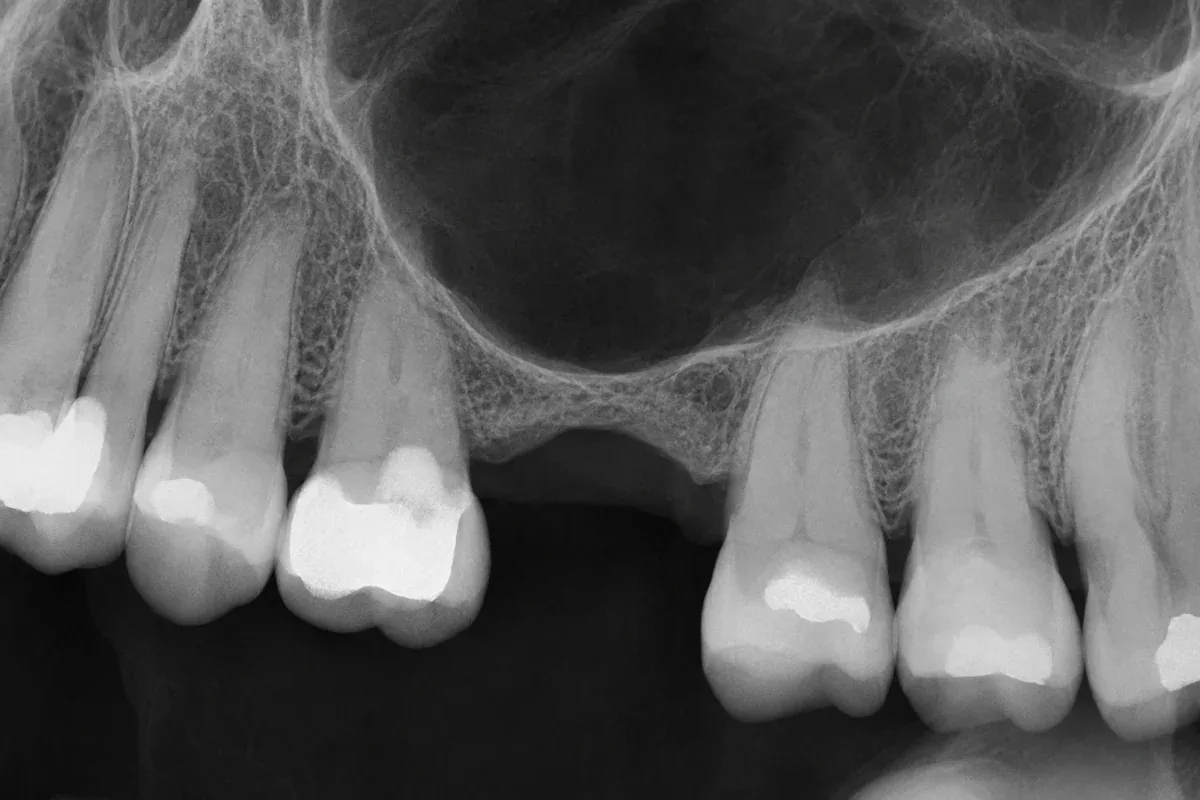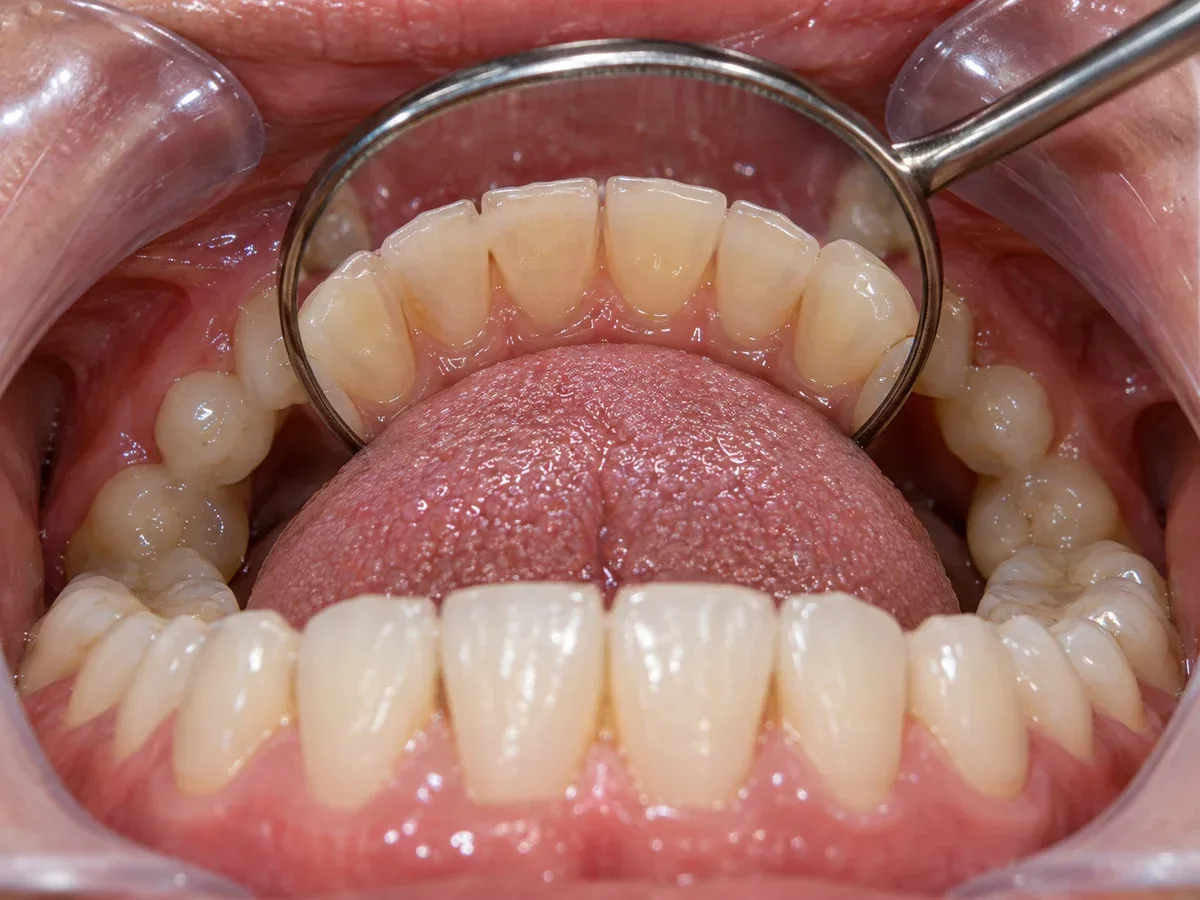
- The most common cause of dry mouth is medication. About 500 drugs can reduce saliva.
- Do not simply blame age. The source links a dry mouth more to medicines and illness.
- Most people feel little until saliva falls below half of normal.
- A dry mouth decays faster. The source calls fluoride the most effective tool against decay caused by low saliva.
Many patients at Reset Dental Clinic in Seomyeon, Busan, say their mouth stays dry however much water they drink, or that dryness wakes them at night. It is an easy symptom to shrug off. For patients living in or visiting Korea, we provide 1:1 English interpretation from the first consultation to the end of treatment.
Yet when saliva drops, a great deal changes inside the mouth. This guide explains the causes of dry mouth and how to manage it. It draws on the KDCA National Health Information Portal pages on dry mouth, tooth decay, oral disease prevention, bad breath and fluoride application.
What does saliva actually do?
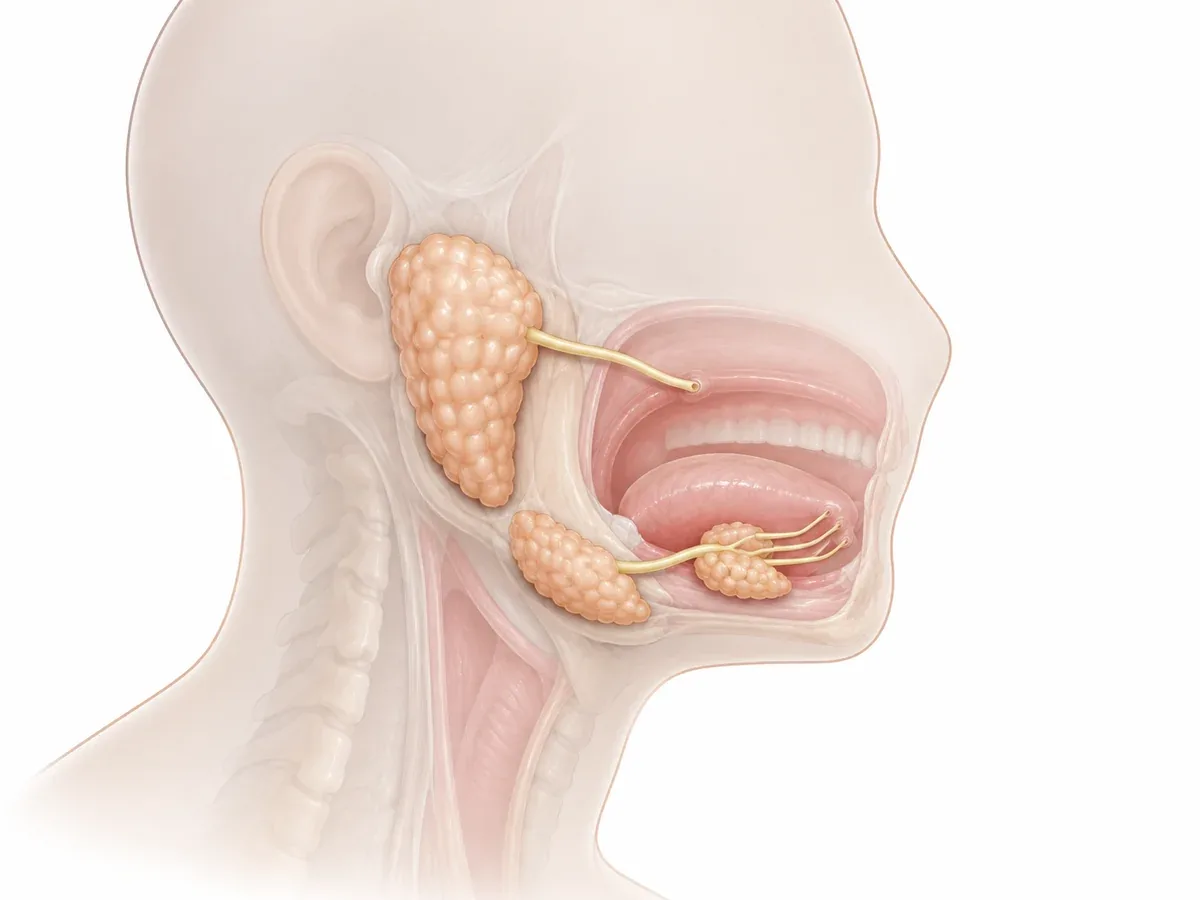
It is easy to think of saliva as just water that keeps the mouth wet. The source lists these functions of saliva:
- keeping the acidity (pH) of the mouth close to neutral
- supplying the calcium and phosphate ions that teeth need
- protecting the lining of the mouth and the teeth from harmful substances
- lubricating the mouth for chewing, swallowing and speaking
- starting the digestion of carbohydrates with its enzymes
- fighting germs with antibodies (immunoglobulins), lactoferrin and other substances
- dissolving flavors so that we can taste food
According to the source, a healthy adult produces about 1,000–1,500 mL of saliva a day. If any of these functions weakens, conditions in the mouth change.
Dentists worry most about the first three. Saliva balances acid, feeds the teeth with minerals and shields their surface.
Water alone cannot do these jobs. That is why dry mouth needs care beyond simply drinking more.
Why does dry mouth happen, and is medication to blame?
The source opens with a clear statement. Medication is the most common cause of dry mouth.
About 500 drugs are known to reduce saliva or change its makeup. Many are antihistamines used for allergies, or drugs acting on the central nervous system, such as treatments for depression and insomnia. Blood pressure medicines, antidepressants, diuretics and antihistamines are also named together in the source.
Older adults complain of dry mouth most often. The source points out that many of them take at least one medicine that affects saliva.
If you take several medicines, think back to when your dry mouth began. Did it start around the time a medicine was changed?
One point needs to be clear. Please do not stop or reduce your medicine on your own.
The source says the dose should be adjusted in consultation with a specialist, and that decision belongs to the doctor who prescribed it. The dental side of the work is to know this and protect the mouth.
The source lists other causes as well:
| Type | What it includes |
|---|---|
| Primary | Disease of the salivary glands themselves, such as tumors, infection, radiation therapy or Sjögren's syndrome |
| Secondary | The glands are healthy, but saliva drops because of drug side effects, vitamin deficiency, anemia, diabetes or aging |
| Other factors | Mouth breathing from a blocked nose, dehydration, gland surgery or nerve damage, smoking, poorly controlled diabetes, thyroid disease, hepatitis C, and fear, anxiety or depression |
Radiation therapy for head and neck cancer is described in more detail. Radiation directly damages the glands and cuts off their blood supply. The damage depends on the dose and is lasting, but some recovery usually happens over 6–12 months.
Sjögren's syndrome is an autoimmune disease. Immune cells called lymphocytes invade the salivary and tear glands, causing chronic inflammation and poor secretion.
It is most common in middle-aged women, with a male-to-female ratio of 1:9. The source says it can be suspected when dry eyes appear along with dry mouth. If both your mouth and eyes feel dry, please tell us.
Why don't you notice until half your saliva is gone?
This is the most striking point in the source. The salivary glands have a large reserve.
So most people feel little discomfort until saliva drops to half of normal or less. Put the other way, if dry mouth already bothers you in daily life, your saliva has likely dropped a lot.
The source names three signs that saliva has really decreased:
- your mouth feels dry even while eating
- you need water to swallow dry food
- swallowing feels uncomfortable
Reported rates vary widely between studies. The source gives the figures below.
| Item | Figure |
|---|---|
| Daily saliva in a healthy adult | About 1,000–1,500 mL |
| Point where symptoms usually start | Saliva at 50% of normal or less |
| Reported prevalence | 0.9–64.8%, depending on the study |
| People aged 50 and over | About 10% |
| People aged 65 and over | About 30% |
Even so, the source views dry mouth in older people as a result of medicines or chronic illness rather than aging itself. That means there is often a cause worth looking for.
Why does dry mouth make teeth decay faster?
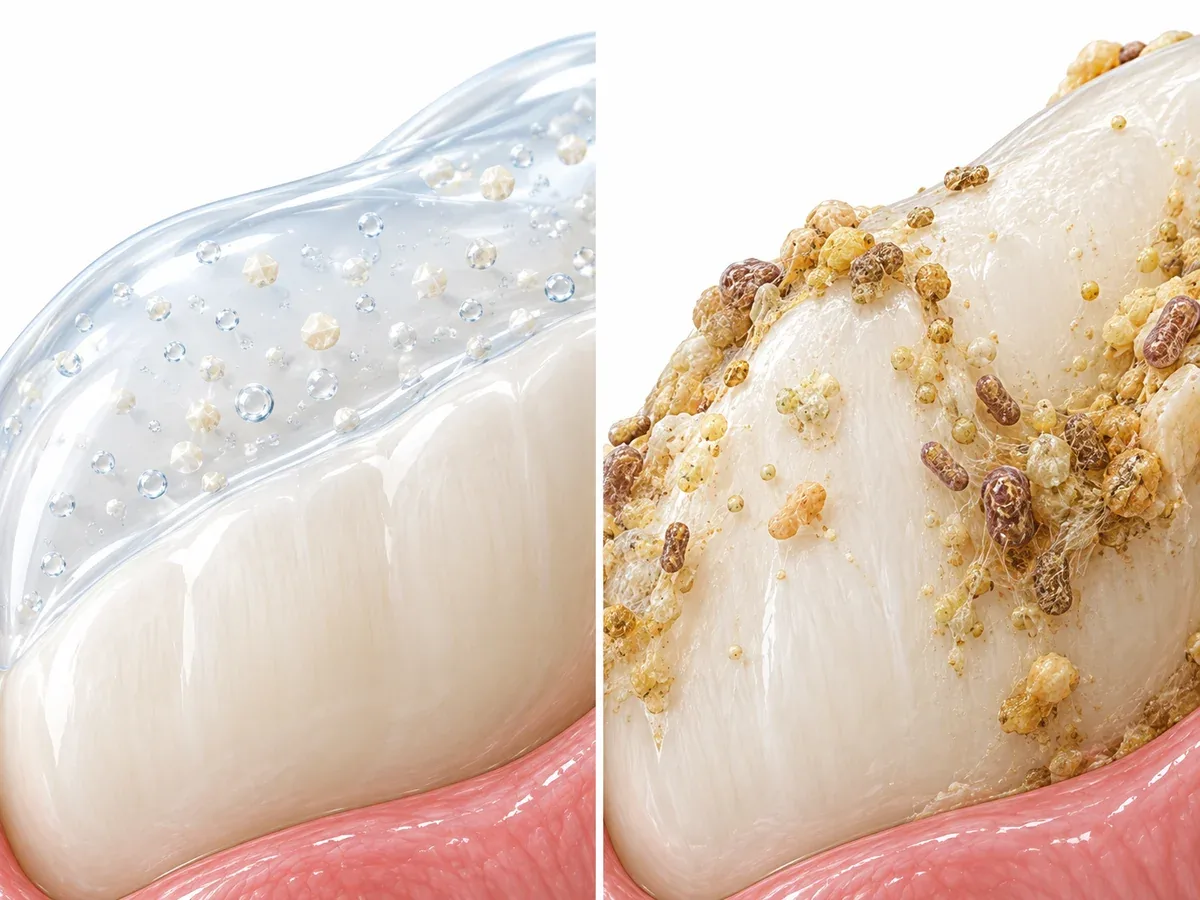
The KDCA page on tooth decay explains the link. Less saliva has a large effect on plaque formation.
With less saliva, carbohydrates stay in the mouth longer as food debris. The balancing work of saliva also weakens, so the mouth stays acidic for longer. In these conditions, decay can progress faster.
The oral disease prevention page makes the same point. One condition that keeps decay-causing bacteria high is "when saliva does not flow well, or oral function declines." Dry mouth is not just uncomfortable; it gives bacteria one more advantage.
The dry mouth page lists common findings at an exam. These include a dry lining of the mouth, a cracked tongue that has lost its small bumps, and food debris stuck to teeth and gums. Tooth decay, mouth sores, oral thrush and cracked corners of the lips are also on the list.
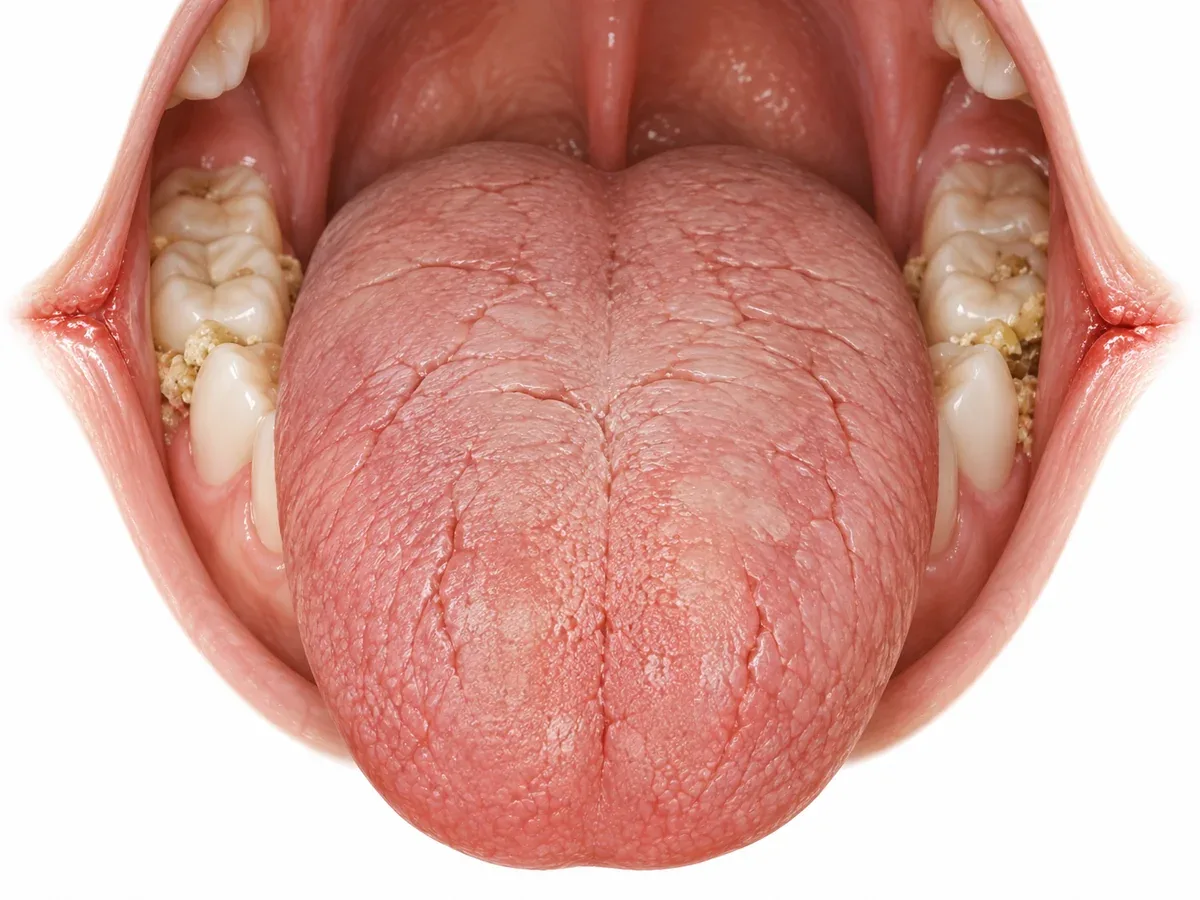
The gums suffer too. The source says dry mouth makes tooth decay and gum disease (periodontitis) more likely to start or worsen.
Where gums have receded and roots are exposed, there is a new weak point. The prevention page says that as gums shrink with age, decay can appear again on the root surfaces.
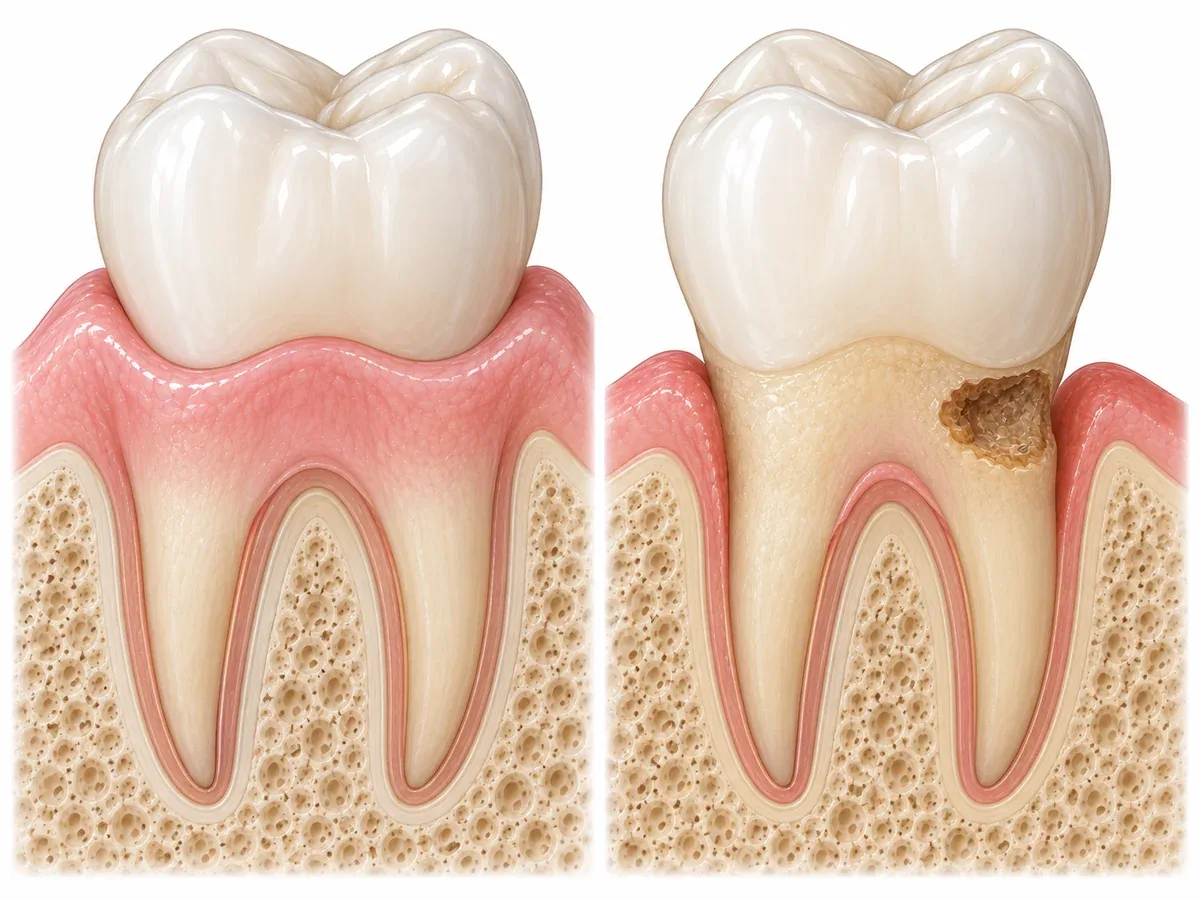
Bad breath often follows as well. The KDCA page on bad breath lists dry mouth among the causes inside the mouth. With less saliva, antibacterial and protective functions drop, odor-causing bacteria multiply and sulfur compounds spread more easily.
So rather than masking the smell, it makes sense to treat the dry mouth itself.
What will a dentist in Busan check for dry mouth?
The source starts diagnosis with a careful medical history. It lists the actual questions used:
- Do you have trouble swallowing food?
- Does your mouth feel dry even while eating?
- Do you drink water to swallow dry food?
- Do you feel there is too little saliva in your mouth?
- Do your lips or the inside of your cheeks feel dry?
The source adds that other conditions must be checked, such as high blood pressure, diabetes, nerve disease and thyroid disease. Current medicines must be checked as well. Bring a list of the medicines you take, and this step becomes much more accurate.
Next, the dentist examines the mouth. If needed, saliva flow is measured (sialometry).
The source calls this the decisive objective test. However, the method is not standardized and takes time, so it is not widely used.
In a healthy adult at rest, total saliva flow is at least 0.15 mg (0.1 mL) per minute. Symptoms appear when flow drops by 50% or more.
Blood tests may be done to find the cause. If Sjögren's syndrome is suspected, a small salivary gland is taken from under the lining of the lower lip for a biopsy.
Dry mouth care you can do at home
The source's sections on self-care and prevention can be summed up in a few habits.
- Sip water often. About 1.5–2 L a day is suitable, and small, frequent sips work better than drinking a lot at once. Letting ice chips melt slowly also helps.
- Chew for longer. Saliva normally flows at 0.25–0.35 mL per minute, but chewing food well raises it to as much as 4 mL per minute. Sugar-free gum and sour fruit also stimulate the glands.
- Use a humidifier, especially at night while you sleep.
- Brush at least 3–4 times a day, and keep your lips moist with a lip moisturizer.
- If you wear dentures, disinfect them every day so fungus does not grow.
- When gland function is very low, gel or spray artificial saliva can be used as needed, though its effect does not last long.
The source also lists things to avoid. These are caffeinated drinks, alcohol, tobacco, spicy or dry food, and acidic food.
Two traps deserve attention. First, the source warns that mouthwash containing alcohol can make the mouth even drier. If you rinse often because of dry mouth, check the ingredients.
Second, sucking candy does stimulate saliva. But the source is firm that food high in fructose promotes decay, so sugar-free gum is the safer choice.
Medicines that stimulate saliva also exist, such as pilocarpine and cevimeline. The source says they help patients who still have some gland function left. They can cause sweating, nausea and low blood pressure, and they must not be used by people with asthma, glaucoma or stomach ulcers.
These are not medicines to choose yourself. They are a decision for your doctor after an examination.
How does fluoride protect a dry mouth, and how often should you visit?
One sentence in the dry mouth page stands out. "Fluoride is the most effective means of preventing tooth decay caused by reduced saliva."
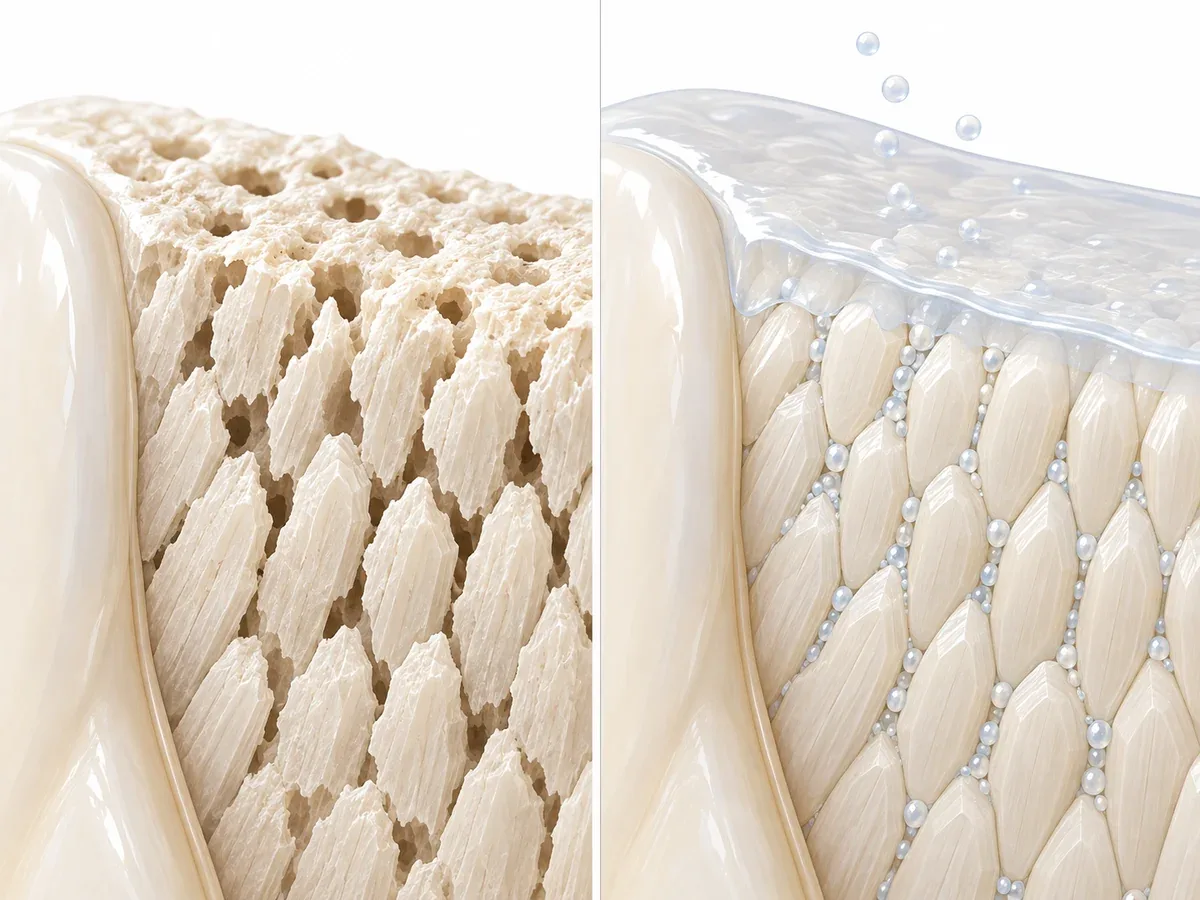
The KDCA page on fluoride application explains why. Fluoride ions enter the enamel and stabilize its crystal structure, which then resists the acid made by decay-causing bacteria.
Fluoride also has an antibacterial effect that disrupts colonies of decay-causing bacteria. Applied fluoride reaches just the outer layer of enamel and wears away over time. So repeat application every 3–6 months is recommended.
There is a coverage rule worth knowing. For people enrolled in Korean national health insurance, the fluoride page says professional fluoride application is covered for patients with dry mouth. Coverage also includes patients who had head and neck radiation, patients with Sjögren's syndrome, and people with certain brain, mental or autistic disabilities.
Fluoride at home matters too. The prevention page names fluoride toothpaste as a very useful method. After brushing, spit out the leftover toothpaste without rinsing, because fluoride remaining at a low level keeps helping damaged teeth recover.
Visits for dry mouth are usually closer together than general advice. The table below compares the intervals given in the sources.
| Situation | Suggested interval |
|---|---|
| No oral disease | Checkup every year |
| Recent dental treatment | Checkup every 6 months |
| Dry mouth | Scaling and fluoride every 2–3 months |
| Dry mouth self-care guidance | Regular checkups every 6 months help prevent complications |
The dry mouth page explains why the interval is shorter. Tooth surfaces can erode and thin in people with dry mouth, so visits every 2–3 months for scaling and fluoride are advised. The exact interval depends on your condition.
Frequently asked questions
I drink plenty of water, but my mouth is still dry. Why?
Water wets the mouth but cannot take over the work of saliva. Saliva balances acid, supplies calcium and phosphate and fights germs, and water contains none of that. So dry mouth still needs separate care for decay and gums.
My medicine seems to be the cause. Can I stop taking it?
Please do not stop it on your own. The source says the dose should be adjusted in consultation with a specialist, so talk to the doctor who prescribed it. In the meantime, we protect the mouth with fluoride and shorter checkup intervals.
Isn't dry mouth just part of getting older?
It is common, affecting 30% of people aged 65 and over. Still, the source views it as a result of medicines or chronic illness rather than aging itself. That means there is room to find a cause.
Can I get dry mouth care in English in Busan?
Yes. We offer 1:1 English interpretation from the first consultation through the end of treatment. The clinic is near Seomyeon Station Exit 2 (5-min walk), opposite Lotte Hotel Busan, and you can call 010-8555-2854.
A dry mouth is more than
an uncomfortable feeling.
When saliva stops doing its work,
decay and gum disease speed up,
and the change happens quietly.
Bring the list of medicines you take.
Sorting out the cause is the first step.
If you have dry mouth in Busan, Reset Dental Clinic offers 1:1 English interpretation from the first consultation through the end of treatment. For patients living in or visiting Korea, call 010-8555-2854 (+82-10-8555-2854 from abroad).
References
- KDCA National Health Information Portal, "Dry Mouth (Xerostomia)" — seven functions of saliva and 1,000–1,500 mL daily flow; medication as the most common cause, with about 500 drugs involved; antihistamines, central nervous system drugs, diuretics and antidepressants; primary and secondary causes; radiation therapy and Sjögren's syndrome; prevalence of 30% at 65+ and 10% at 50+, linked more to drugs and chronic illness than aging; no discomfort until flow falls below 50%; history questions and exam findings; sialometry (0.15 mg per minute); self-care, artificial saliva, pilocarpine and cevimeline; scaling and fluoride every 2–3 months; fluoride as the key tool against decay from low saliva
- KDCA National Health Information Portal, "Tooth Decay" — reduced saliva and plaque formation; carbohydrates staying longer and acidity lasting longer, so decay progresses faster; the buffering, protective and lubricating roles of saliva
- KDCA National Health Information Portal, "Preventing and Managing Oral Disease" — poor saliva flow as a risk factor for decay bacteria; root-surface decay after gum recession; spitting out fluoride toothpaste without rinsing; more frequent fluoride for older adults with low saliva; checkups every year, or every 6 months after treatment
- KDCA National Health Information Portal, "Bad Breath (Halitosis)" — dry mouth as an oral cause of bad breath; how low saliva lets bacteria grow and sulfur compounds spread; smoking and drinking as causes of ongoing dryness; sugar-free gum and humidifiers as prevention
- KDCA National Health Information Portal, "Fluoride Application" — how fluoride stabilizes enamel crystals and resists acid, and its antibacterial effect; professional fluoride gel and varnish and aftercare; repeat every 3–6 months; national health insurance coverage for dry mouth, radiation therapy and Sjögren's syndrome patients; benefits for adults at high risk of decay
Written by Reset Dental Clinic Support Team
Medical review Dr. Kim Hyun-joo, Head Dentist · Integrated Dentistry Specialist
Last updated: September 19, 2026
This article is general information and does not replace diagnosis or treatment for individual patients. If you have symptoms, please see a dentist.