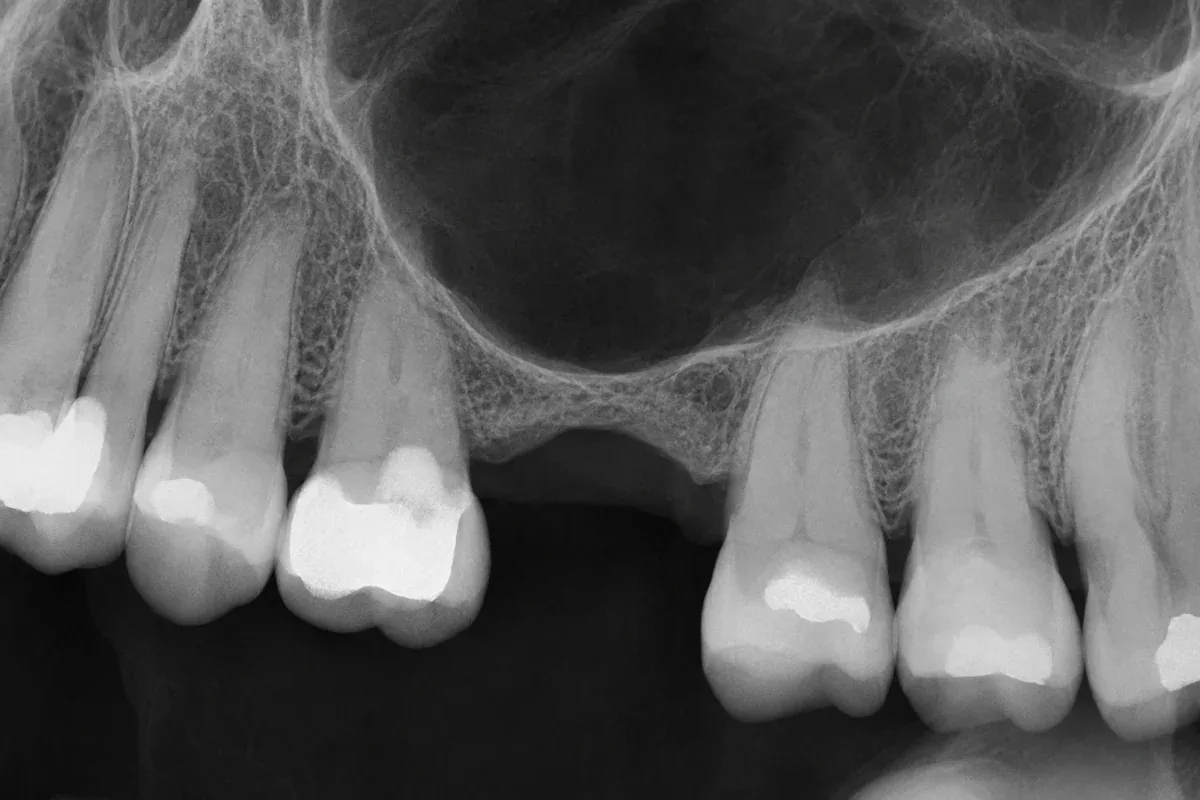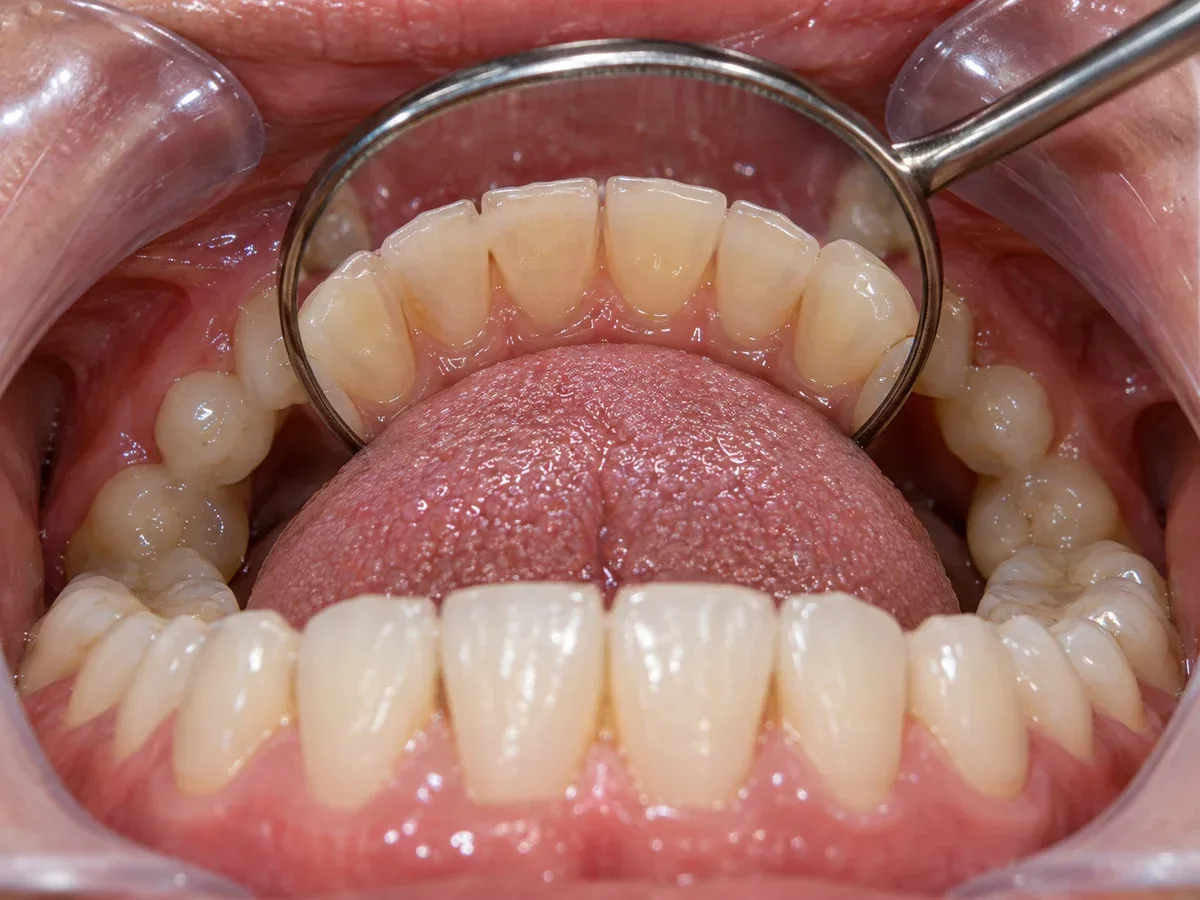
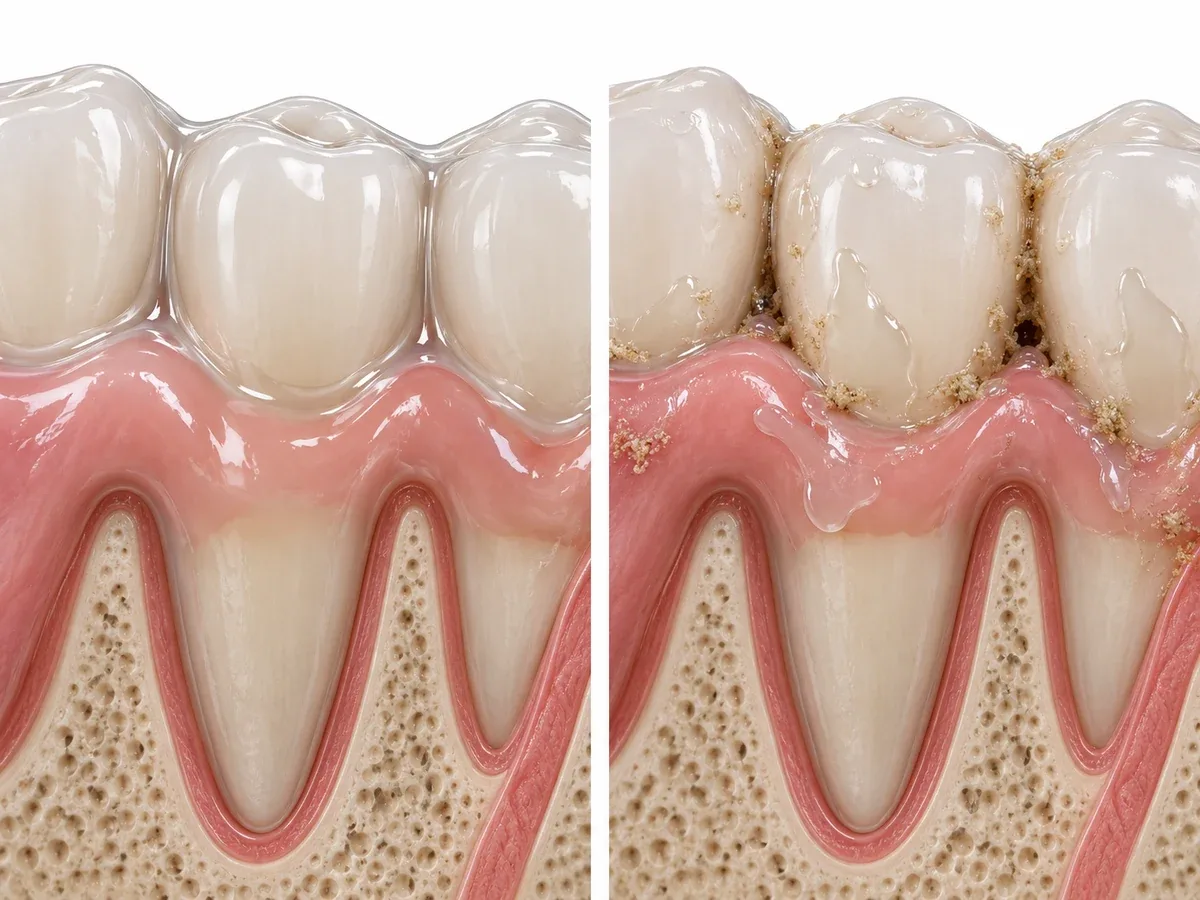
- For older adults, where decay starts changes. When gums recede a lot, decay can appear again on the root surface of the tooth.
- Dry mouth may not be caused by age itself. It affects 30% of people aged 65 and over, but it is thought to come more from medicines or chronic illness than from aging.
- With dentures, getting used to them takes longer than making them. Adjusting can take weeks to months, and it differs from person to person.
- Japan, which became a super-aged society earlier, uses home visits and team care across specialties. A Korean report suggests a similar approach is needed in Korea.
Some older adults ask what the point of dental visits is at their age. Others have heard that you need the dentist more as you get older. At Reset Dental Clinic in Seomyeon, Busan, we answer both with 1:1 English interpretation from the first consultation to the end of treatment.
Rather than deciding which view is right, this column sets out what actually changes in the mouth with age. We follow what the sources say.
We draw on KDCA National Health Information Portal pages on preventing oral disease, dry mouth and removable dentures. We also use a report by the Korean Academy of Geriatric Dentistry on care models for older adults in Japan, published in the KDA newspaper Dailydental.
Why does tooth decay move to the roots in older adults?
In younger people, decay usually starts in the grooves of the back teeth or between teeth. For older adults, this map changes.
The page on preventing oral disease says it plainly. As people age and their gums recede a lot, decay can appear again on the root surface of the tooth.
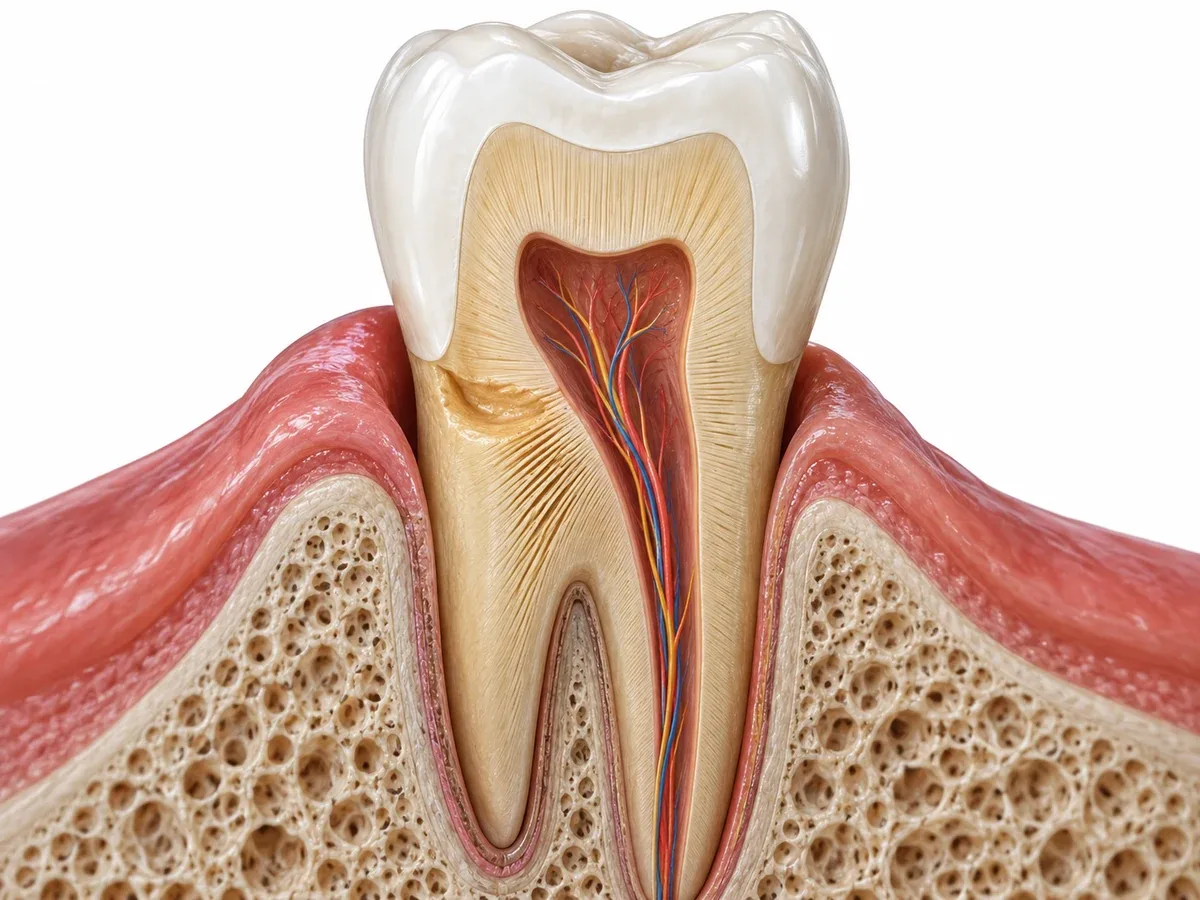
The reason lies in the structure of the tooth. The part above the gum is covered by enamel, a very hard outer shell.
The root surface that shows when gums recede has no enamel. So under the same conditions, it breaks down more easily.
This is how someone who never had a cavity can suddenly need several fillings after 70. It is not a sign of poor care. The places that need cleaning have simply moved.
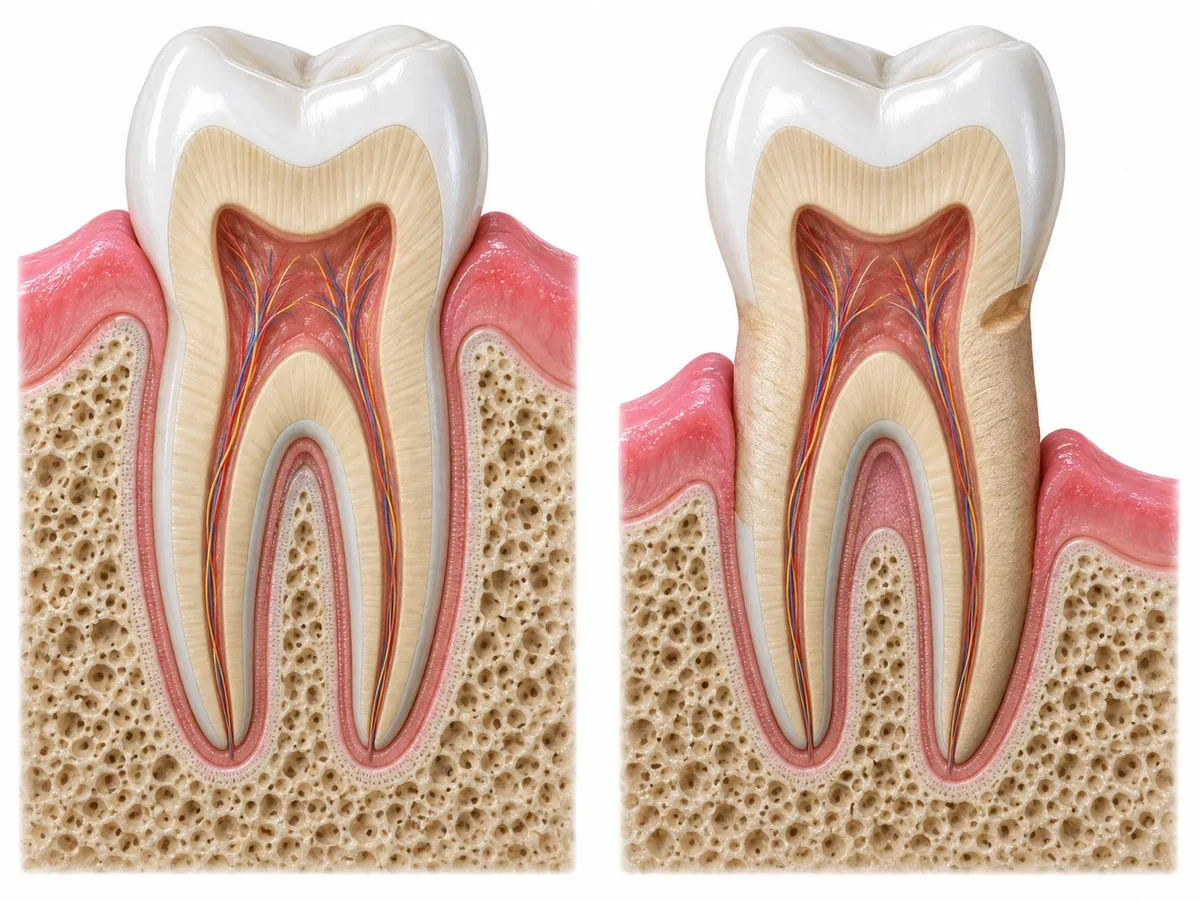
Root decay also looks different. It tends to spread sideways along the gumline in a wide, shallow dish, rather than digging deep in one spot.
How should older adults change brushing and fluoride use?
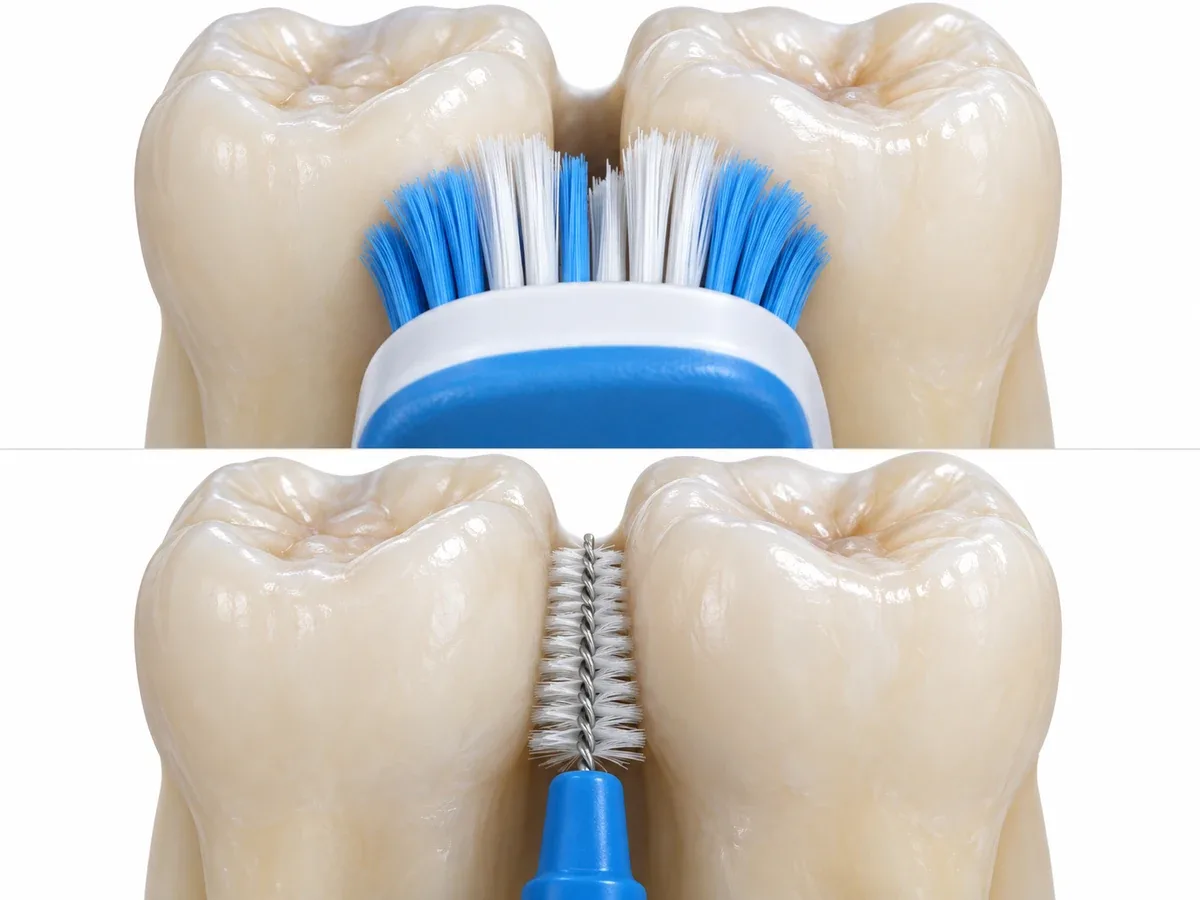
The way older adults clean has to change too. The same page says that when bone around the teeth shrinks and the gaps between teeth widen, a toothbrush can no longer clean them well.
In that case, it says, you should add an interdental brush. Toothbrush bristles pass over a wide gap without touching its side walls.
There are also areas where floss alone is no longer enough. Read a widening gap as a sign to add one more cleaning tool.
How often you use fluoride changes as well. The page says fluoride should be applied more often for children and teenagers with a lot of decay, and for older adults whose saliva flow is low.
At home there is one simple habit the same page recommends. It is easy to start today.
- Brush with a fluoride toothpaste.
- Spit out the leftover toothpaste.
- Do not rinse with water afterwards, so the fluoride stays on the teeth.
- Toothbrush: still the base of daily care.
- Interdental brush: added when the gaps between teeth have widened.
- Fluoride toothpaste: spit, but do not rinse.
- Professional fluoride: applied more often when saliva flow is low.
Is dry mouth just part of aging?
The dry mouth page is clear on this point. Dry mouth is common enough to affect 30% of people aged 65 and over.
Even so, the page says it is thought to come more from medicines or chronic illness than from aging itself.
For older adults, medicines play a large part. The page says about 500 medicines can reduce saliva or change what saliva contains. Many antihistamines and drugs acting on the central nervous system can cause dry mouth.
Older adults tend to take more medicines at once, so it is natural that more of them have a dry mouth. But if the cause is a medicine rather than age, there may still be room to act.
Please do not stop any medicine on your own. Talk it over with the doctor who prescribed it.
Less saliva does not just make the mouth uncomfortable. The page says decay and gum disease (periodontitis) develop or worsen more easily, and fungal infection and tongue pain can follow.
Put this next to root decay, and it explains why the mouth suddenly needs more attention with age. The page's advice is simple.
| Point | What the source says |
|---|---|
| How common | Seen in 30% of people aged 65 and over |
| Main causes | Medicines and chronic illness, more than aging itself |
| Medicines involved | About 500 kinds, including many antihistamines and central nervous system drugs |
| What can follow | Decay, periodontitis, fungal infection and tongue pain |
| What helps | Regular fluoride, a dental checkup every 6 months, sugar-free gum to stimulate saliva |
Why do dentures take longer to get used to than to make?
The page on removable dentures sets expectations clearly. Treatment can take at least several months, and sometimes more than a year.
It then adds a key sentence. Getting used to speaking, chewing, the foreign-body feeling and soreness takes weeks to months, and the pace differs from person to person.
Knowing this in advance matters. Many older adults put their dentures in a drawer because the first week feels uncomfortable, yet the source talks about weeks to months, not days.
On function, the page says dentures work at about 20–30% of natural teeth. Please do not read this as a disappointing number. Read it as a guide to where your goals should sit.
Dentures are not something you make once and forget. The page says the jawbone (alveolar bone) where teeth are missing keeps shrinking, so dentures that fit well at first gradually loosen over the years.
That is why it advises regular dental visits for checks and repairs when needed. If a denture still hurts after months, or has become loose, it may need adjusting rather than more time.
| Point | What the source says |
|---|---|
| Treatment period | At least several months, sometimes more than a year |
| Getting used to them | Weeks to months, differing by person |
| Function | About 20–30% of natural teeth |
| Fit over time | The jawbone keeps shrinking, so the fit loosens over the years |
| Insurance | From age 65, national health insurance covers one denture per arch every 7 years |
The page also gives simple daily steps for denture wearers.
- Take the dentures out at night and let the gums rest for at least 8 hours.
- Keep them stored in water while they are out.
- Visit the dentist regularly for checks and repairs.
What can Korea learn from Japan about dental care for older adults?
The Korean Academy of Geriatric Dentistry visited a combined medical and dental hospital in Fukuoka, Japan, and reported on it in Dailydental. Please read it as an example of what a dental clinic can change for older adults, not as the one right model.
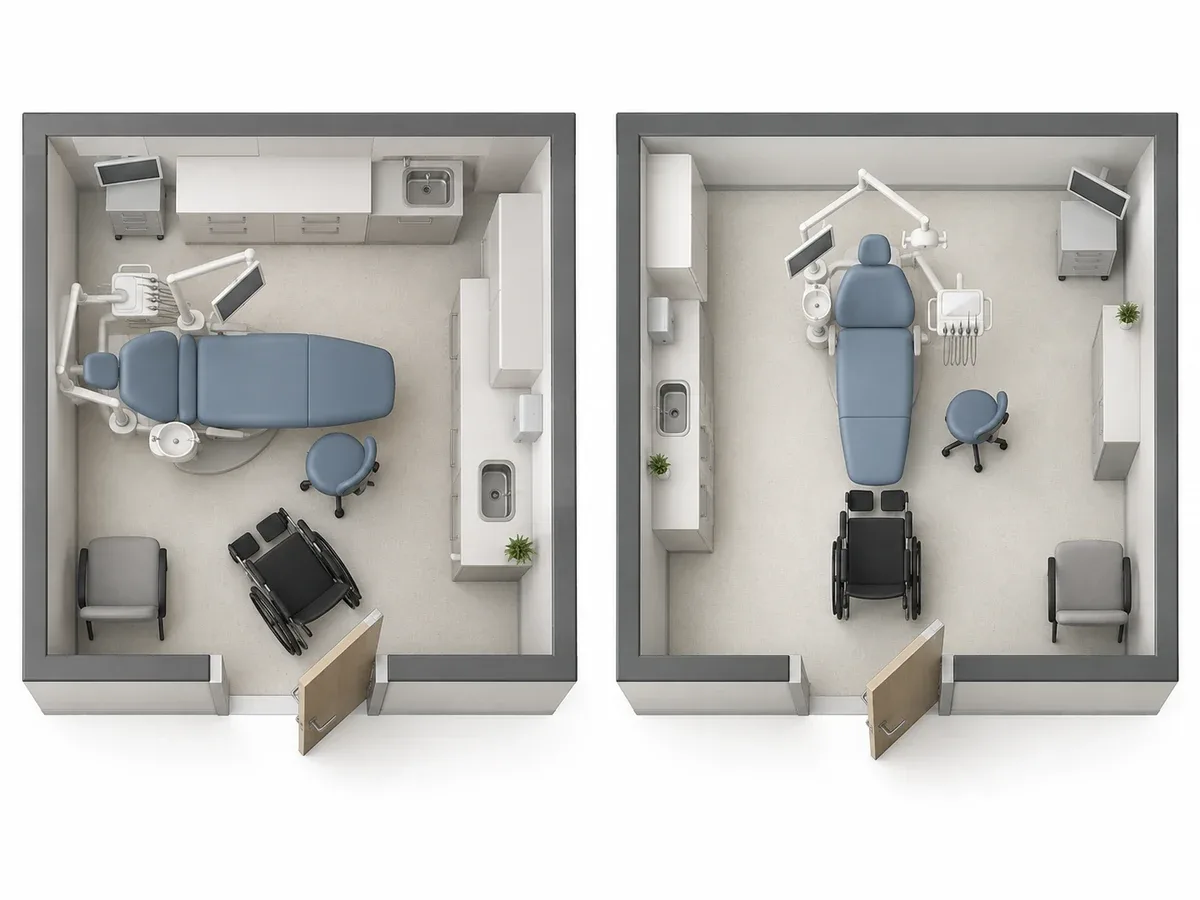
The layout of the treatment room is different from the start. The report says the dental chairs face the entrance to cut out needless movement from the moment a patient enters.
That way, a patient in a wheelchair can approach directly without turning around. It is not a question of treatment skill but of which way the chair faces.
The scope of care is wide too. The dental team assesses the anatomy of the mouth, tongue movement and swallowing ability.
Ear, nose and throat doctors and speech therapists review throat function and the swallowing reflex. The treatment plan is then made through a multidisciplinary approach, so the dental team helps care for swallowing problems.
The report says this setting helps manage age-related oral problems more effectively, such as swallowing problems, dry mouth and gum disease.
Care also reaches beyond the hospital. The report describes these services:
- Dental staff visit the attached care facility regularly for scaling and denture adjustments.
- Staff there also receive oral hygiene education.
- Patients who cannot move easily get dental treatment in their own room or living space.
The report calls for a multi-sided strategy in Korea based on Japan's example. It lists home visits, links with care services, community oral health programs and work with senior care facilities.
This also means these services are still being built here. For now, the practical advice is to sort out dental problems while you can still come to a clinic.
What should families watch for at home?
A research team at the University of Tokyo left advice that underpins this section. Weakening oral function is hard for patients to notice themselves, so regular dental checkups to find and ease symptoms matter.
Older adults tend to shift slowly toward what feels easier. So family members often notice changes first.
Here are the changes from the sources, turned into things you can see at the table and the sink.
| What to look for | Where it comes from |
|---|---|
| More frequent choking or coughing during meals | The Tokyo team's point that weakening oral function is hard to notice yourself |
| Reaching for water often, or leaving dry food | Dry mouth, seen in 30% of people aged 65 and over, and trouble swallowing or speaking |
| Eating without wearing dentures | Getting used to dentures takes weeks to months, and shrinking bone loosens the fit |
| Yellowish hollows near the gumline of front teeth | Decay can appear again on root surfaces when gums recede |
| Using a toothbrush alone | An interdental brush should be added when gaps widen |
One more point. This table is not a diagnostic checklist.
A match does not mean there is disease, and no match does not mean all is well. Please use it simply as a way to start talking about a dental visit.
Some older adults wonder whether treatment is worth it at their age. We are not trying to add treatment; the sources show that dental care shifts from filling teeth toward chewing, swallowing and upkeep. What not to do can be decided together, too.
Frequently asked questions
I never had decay, but suddenly I have several cavities. Why?
The place where decay starts may have changed. The source says that when gums recede a lot, decay can appear again on root surfaces, which have no hard enamel layer. It is not a sign of poor care; the conditions have changed.
How often should older adults see a dentist?
The prevention page recommends a checkup every year with no disease, and every 6 months after recent treatment. The dry mouth page says a checkup every 6 months helps prevent complications. If you have a dry mouth or wear dentures, the shorter interval is the safer choice.
Can older adults with limited mobility still get care?
In the Japanese example, dental staff visit care facilities and treat patients in their living spaces. Such services are still developing here, so conditions are not the same. That is why we suggest sorting out dental problems while a clinic visit is still possible.
Can my parents get dental treatment in English in Busan?
Yes, we provide 1:1 English interpretation from the first consultation to the end of treatment. The clinic is near Seomyeon Station Exit 2 (5-min walk), opposite Lotte Hotel Busan. Call 010-8555-2854 (+82-10-8555-2854 from abroad).
With age,
the map of the mouth changes.
Decay moves down toward the roots,
saliva decreases and gaps widen.
Where you clean, and with what, needs to change too.
These changes are hard to notice yourself.
Family members can take a second look.
If you are arranging dental care for older adults in Busan, Reset Dental Clinic offers 1:1 English interpretation from the first consultation to the end of treatment. Call 010-8555-2854 to book a visit.
References
- KDA newspaper Dailydental (Chiui Sinbo), "An Oral Care and Treatment Model for Older Adults Found in Super-Aged Japan" (Korean Academy of Geriatric Dentistry) — dental chairs placed facing the entrance so wheelchair users can approach without turning; a multidisciplinary plan in which dentistry assesses oral anatomy, tongue movement and swallowing while ENT and speech therapy review throat function and the swallowing reflex; a setting for managing swallowing problems, dry mouth and gum disease; regular visits to a care facility for scaling, denture adjustment and hygiene education; home dental treatment for patients with limited mobility; and a call for a multi-sided strategy including home visits, care links, community programs and work with senior care facilities
- KDCA National Health Information Portal, "Preventing and Managing Oral Disease" — decay appearing again on root surfaces when gums recede with age; adding an interdental brush when gaps widen; more frequent fluoride for older adults with low saliva flow; spitting out fluoride toothpaste without rinsing; and checkups every year with no disease or every 6 months after recent treatment
- KDCA National Health Information Portal, "Dry Mouth" — dry mouth seen in 30% of people aged 65 and over, thought to come more from medicines or chronic illness than from aging; about 500 medicines that reduce or change saliva, including many antihistamines and central nervous system drugs; decay, periodontitis, fungal infection and tongue pain as consequences; fluoride as an effective way to prevent decay from low saliva; and checkups every 6 months and sugar-free gum
- KDCA National Health Information Portal, "Removable Dentures" — treatment taking several months to over a year; adjustment to speaking, chewing, foreign-body feeling and soreness over weeks to months; dentures working at about 20–30% of natural teeth; bone shrinkage loosening the fit and the need for regular checks and repairs; removing dentures at night for at least 8 hours and storing them in water; and insurance coverage once per arch every 7 years from age 65
- KDA newspaper Dailydental (Chiui Sinbo), "Trouble Chewing Meat and Frequent Choking Linked to Higher Risk of Death" (University of Tokyo research team) — the team's advice that weakening oral function is hard for patients to notice, so regular dental checkups to identify and ease symptoms are important
Written by Reset Dental Clinic Support Team
Medical review Dr. Na In-chae, Head Dentist · Periodontics Specialist
Last updated: September 19, 2026
This column is for general information and does not replace diagnosis or treatment for individual patients. If you have symptoms, please see a dentist.