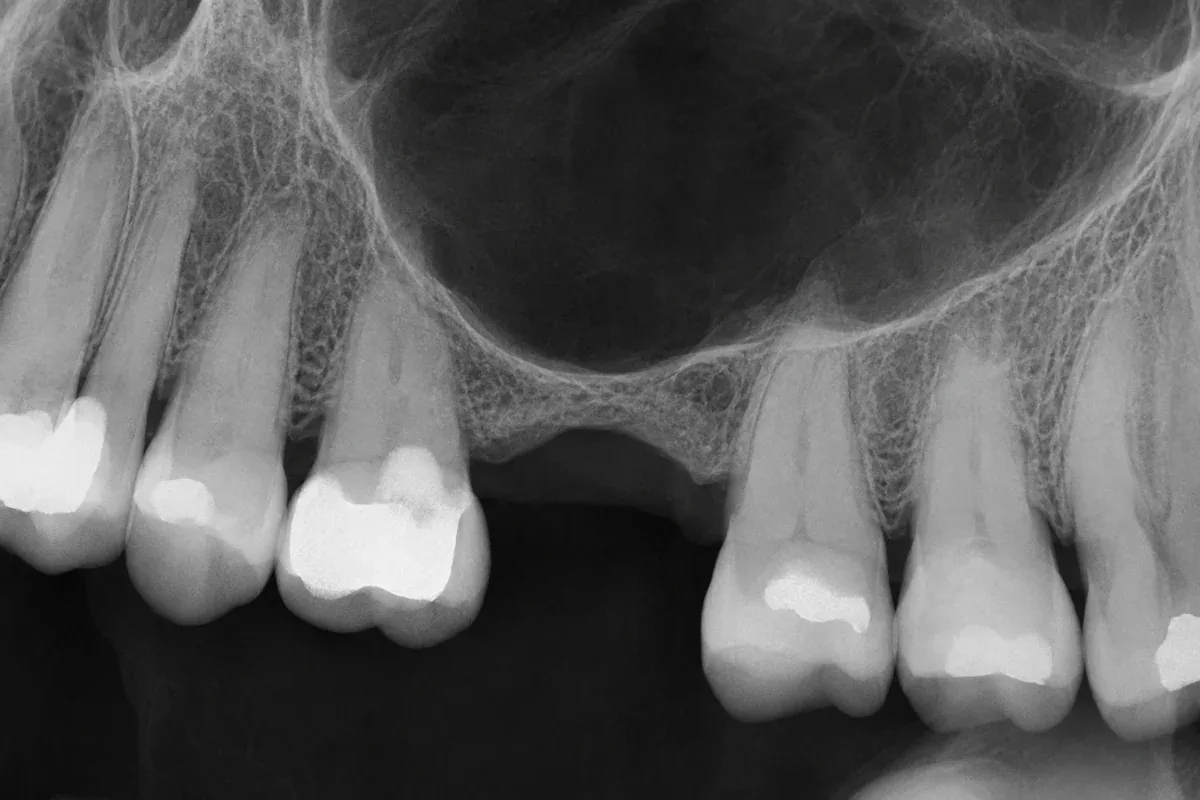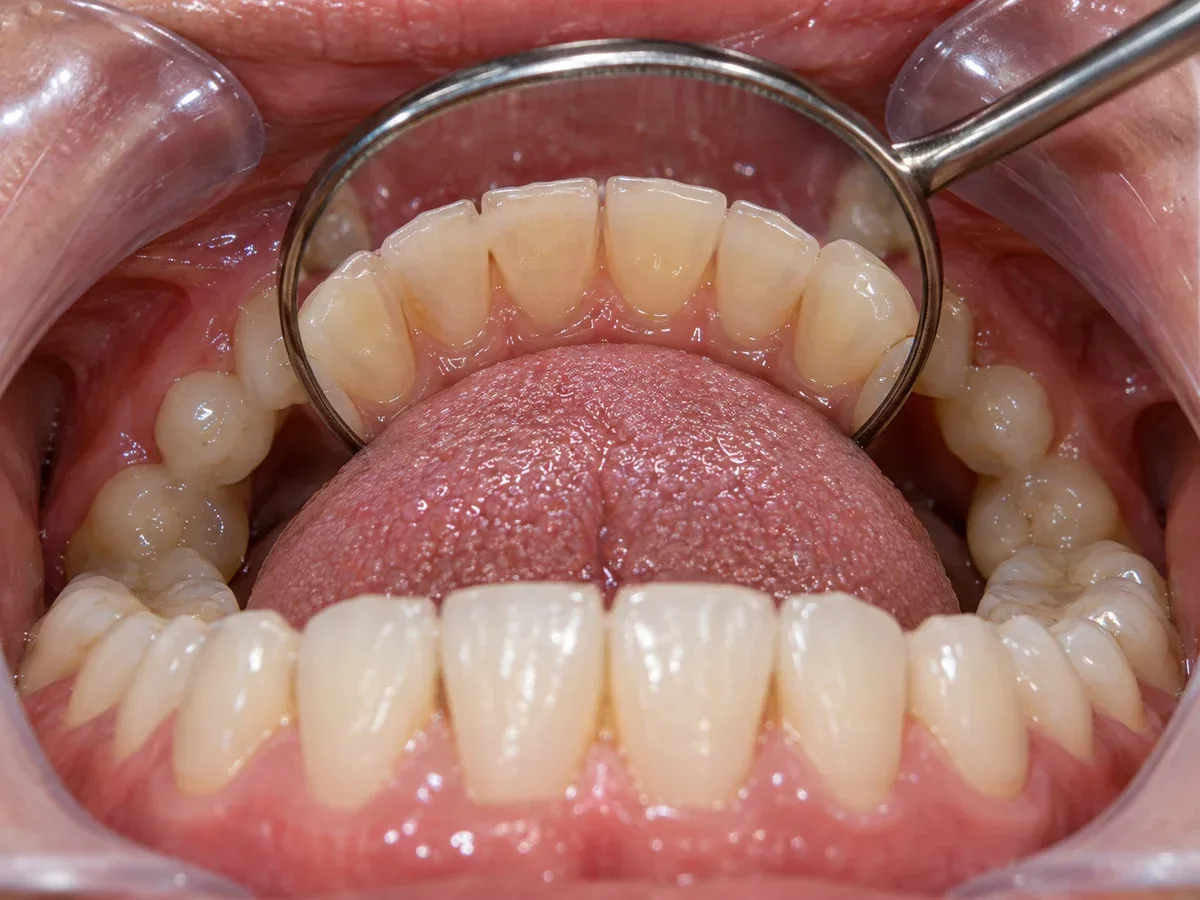
- Scaling does not grind teeth down. It removes plaque and tartar and smooths rough surfaces so they build up less easily.
- Sensitivity comes from root surfaces that tartar used to cover. It usually eases within one to two weeks.
- Teeth that look longer or gappy are a sign of swollen gums settling down. The gaps were hidden, not newly made.
- With gum disease, the KDCA material recommends scaling at least every six months.
Some patients at Reset Dental Clinic in Seomyeon, Busan tell us their teeth feel more sensitive since scaling. Others say gaps have opened between their teeth, and some put off their next cleaning because of it. For patients living in or visiting Korea, we provide 1:1 English interpretation from the first consultation through the end of treatment.
This column draws on the Korea Disease Control and Prevention Agency (KDCA) pages on scaling, sensitive teeth, gum disease and oral disease prevention. We explain what scaling removes and why the feelings afterwards happen.
What does scaling actually remove?
The KDCA material explains the order clearly. After eating, small bits of food left on teeth combine with bacteria to form plaque.
Over time, plaque absorbs calcium from saliva and hardens into tartar, also called calculus. Scaling physically removes these hardened deposits.
It also smooths rough tooth surfaces so that plaque and tartar do not stick again as easily. In short, it removes deposits, not tooth.
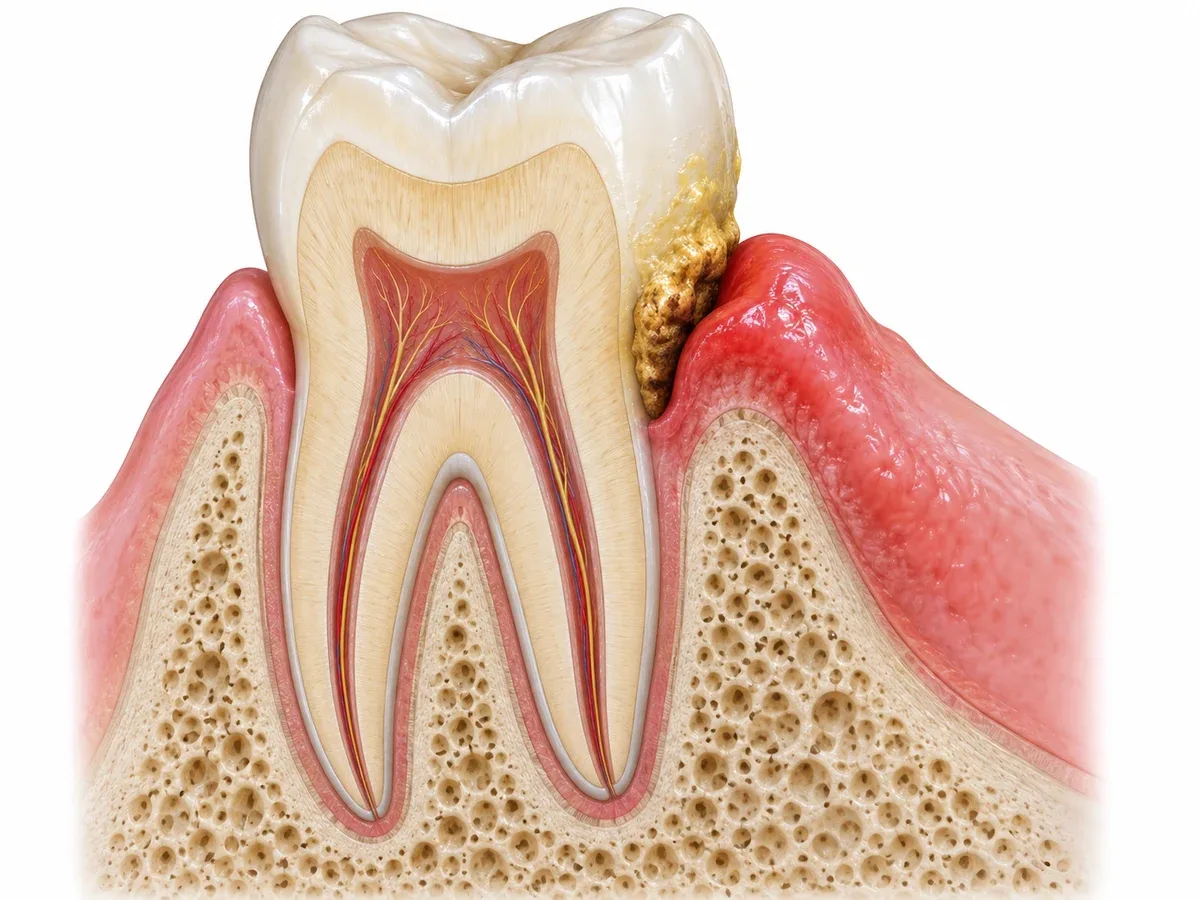
The material also explains where scaling fits in dental care. It is the basic step of gum (periodontal) treatment. It mainly removes plaque and tartar above the gumline, and it is also done to prevent disease.
An ultrasonic scaler is usually used. You may feel slight sensitivity or a prickling pain, but it is rarely strong enough to need local anesthesia.
For people with strong dental fear or high pain sensitivity, it can be done with local anesthesia or conscious sedation.
The material notes that mild pain, bleeding or sensitivity can appear during the cleaning. In most cases these are temporary and fade quickly.
Why do teeth feel sensitive after scaling?
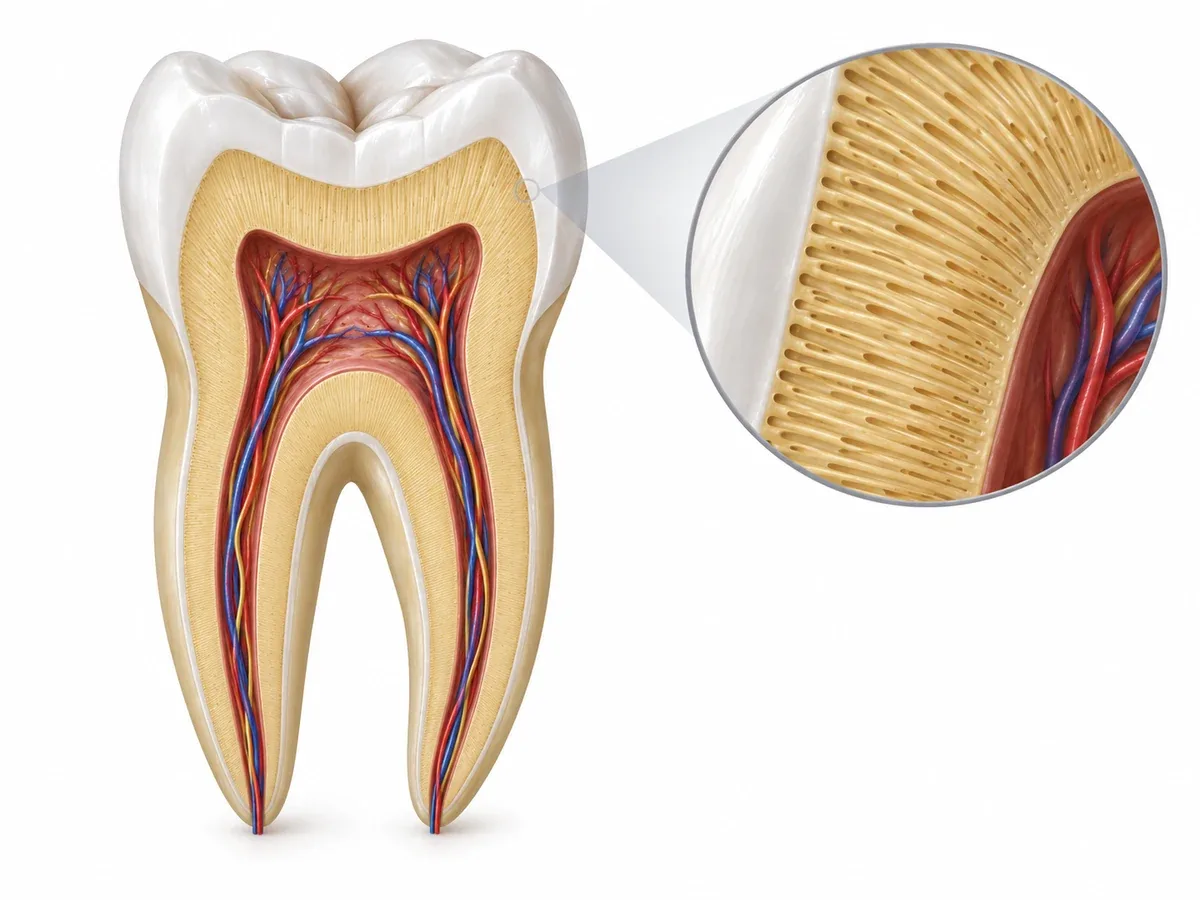
The KDCA page on sensitive teeth answers this in more detail. A tooth is made of enamel, dentin, cementum and pulp.
Enamel and dentin have no nerves. But dentin is made of many tiny tubes, so it lets stimuli pass through very easily.
It carries temperature and pressure quickly to the nerve in the pulp. That is why cold food can make a tooth feel sensitive.
So why do teeth feel more sensitive after scaling? The material says tartar near the gumline is removed, and the root surface underneath is exposed. The tooth then feels sensitive for a while.
The material compares it to taking off a thick coat and feeling the cold. Also, cementum, which protects the dentin on the root, wears away much more easily than enamel.
So this sensitivity is not new damage caused by the cleaning. It is an area that was already exposed and has lost its cover. The material reports that 60–98% of people with gum disease also have tooth sensitivity.
In other words, tartar removal does not create the sensitivity. It reveals a condition that was already there.
The material also gives a timeline. Teeth may react to hot or cold after scaling, but this mostly eases gradually over one to two weeks. Without another cause, it usually goes away within a few weeks.
If discomfort stays strong, the cause should be found, and other problems such as decay should be checked. It is something to tell your dentist about, not something to put up with.
Why do teeth look longer or gappy after scaling?
This part is often misunderstood. The KDCA FAQ answers two common questions directly.
The first asks whether teeth can feel longer or looser after scaling. The answer is yes, and it is a natural result of swollen gums settling down.
As gum inflammation heals, the gums can feel as though they have moved down. Teeth may wobble a little more for a while after tartar removal, but they settle as the inflammation goes down. If the wobbling continues, further gum treatment may be needed.
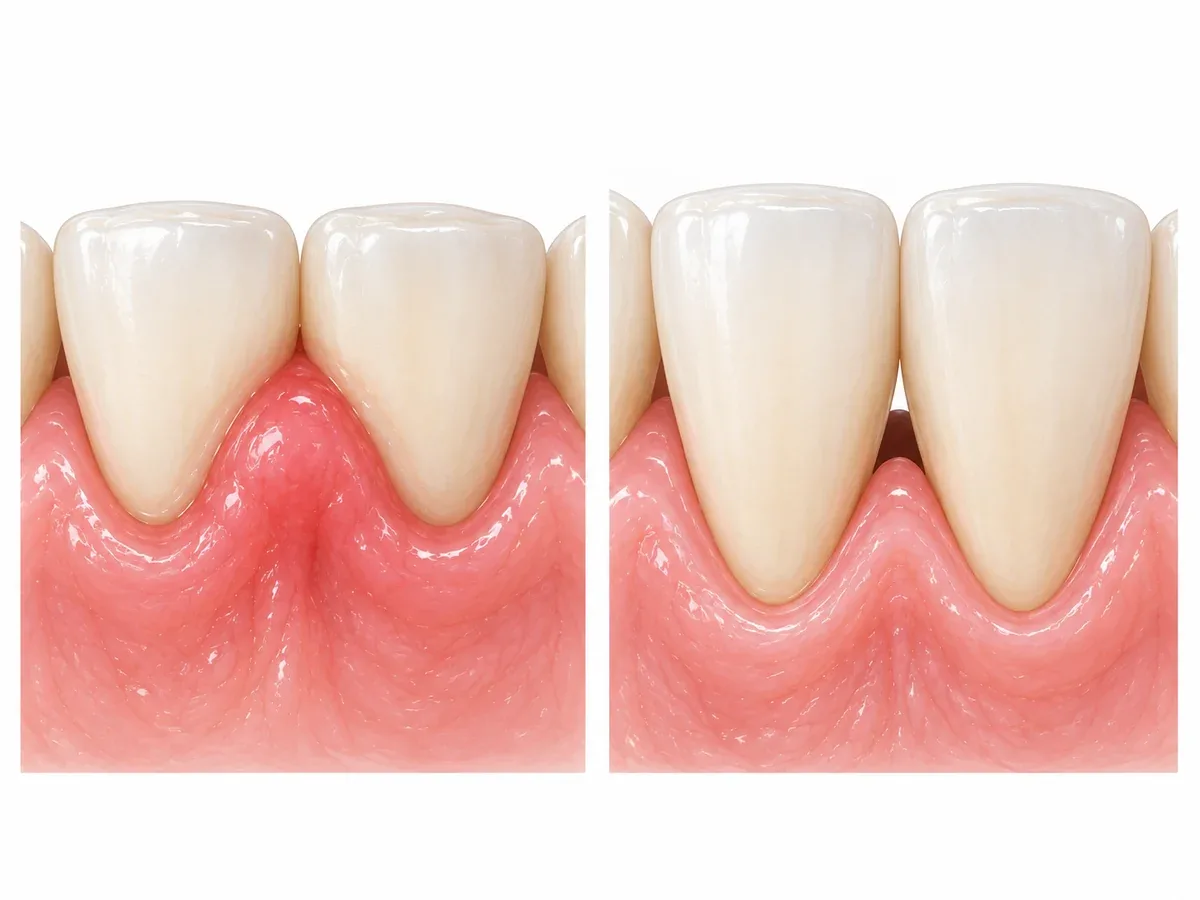
The second question asks whether gaps can open up and trap food after scaling. When inflammation clears and swelling goes down, the spaces between teeth can look wider.
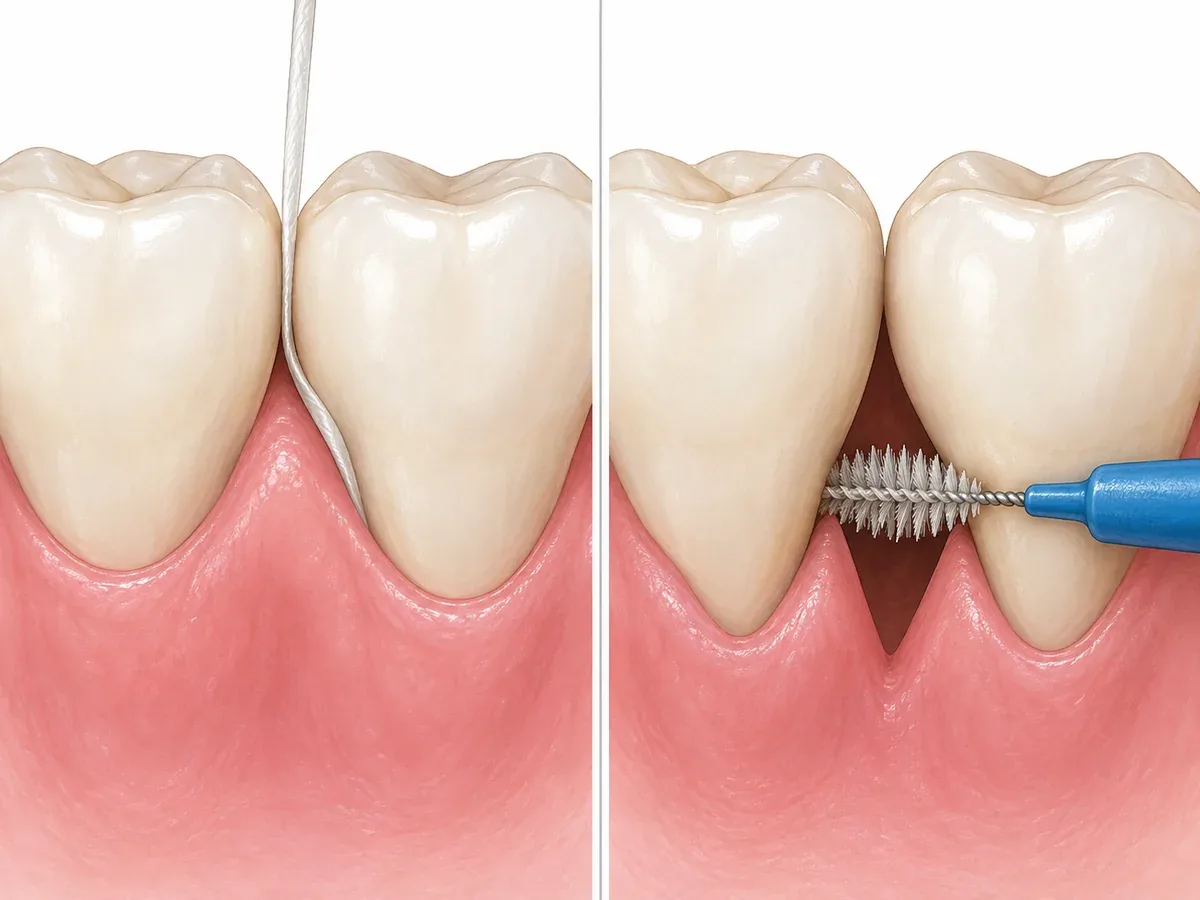
The material explains that teeth narrow toward the root, so seeing spaces between them is part of normal healing. If the gaps trap food, floss or interdental brushes can keep them clean.
One thing needs to be clear. The gum disease page says that when periodontitis damages the bone supporting the teeth, the gums recede. More food gets stuck between teeth, and at that stage, full recovery is difficult.
So real gum recession does happen. But it is not caused by the cleaning; it had already developed and became visible as the swelling went down. Putting off treatment delays the moment you notice it, but it does not bring the bone back.
| What you notice | Why it happens | Usual course |
|---|---|---|
| Sensitivity to hot or cold | Root surfaces once covered by tartar are exposed | Mostly eases over one to two weeks |
| Teeth look longer | Swollen gums settle down | A normal part of healing |
| Gaps between teeth | Teeth narrow toward the root, and swelling no longer hides the space | Normal healing; clean with floss or interdental brushes |
| Slight wobbling | Inflammation is settling | Settles as inflammation goes down |
When is scaling alone not enough?
The KDCA material divides gum disease into an early stage, gingivitis, and an advanced stage, periodontitis.
It states that early gum disease can be treated with scaling alone. Advanced gum disease needs further gum treatment after scaling.
| Stage | Possible symptoms |
|---|---|
| Early (gingivitis) | Gums bleed when brushing; gums feel swollen or puffy when tired; gums around teeth turn red |
| Advanced (periodontitis) | Gums bleed when touched; heavy swelling and pus; strong bad breath; exposed roots; loose teeth that make chewing hard; teeth that seem to spread apart or shift |
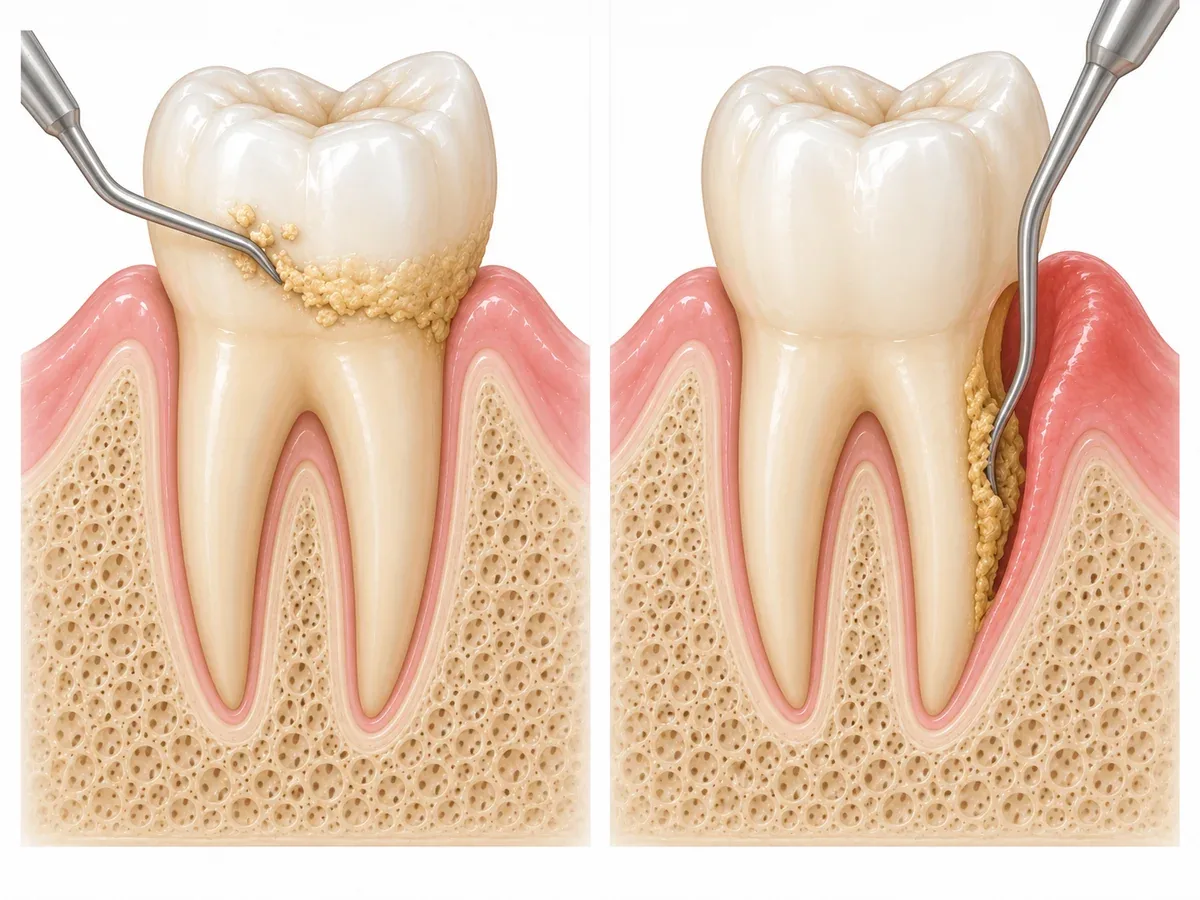
The material also describes the extra treatment. Tartar and plaque above the gum can be removed by standard cleaning. Deposits below the gum need deeper treatment, such as root planing.
Root planing removes tartar and some cementum left on the root, making the root surface smooth. If you were told to come back after your cleaning, it usually means moving on to this step.
Regular visits for tartar removal are, according to the material, a key way to stop gum disease from progressing.
How often should you get scaling in Korea?
The scaling page gives three points to guide timing:
- With poor oral hygiene, disease-causing bacteria in plaque can increase again within one to two months.
- With severe, poorly controlled gum disease, tartar removal every three months is needed.
- With gum disease, tartar should be removed at least every six months.
The gum disease page points the same way. Gum disease can easily return when care slips, so check-ups every three to six months are needed.
Once tartar forms, brushing alone cannot fully remove it. So the page recommends regular check-ups and tartar removal at least once a year.
The oral disease prevention page adds that the right timing depends on how well each person cares for their teeth. It should be set after an examination.
| Situation | Suggested interval |
|---|---|
| General care | At least once a year, with regular check-ups |
| Gum disease present | At least every six months |
| Gum disease under follow-up | Check-ups every three to six months |
| Severe, poorly controlled gum disease | Every three months |
For people enrolled in Korean national health insurance, the KDCA material and a Dailydental report on the National Health Insurance Service set these conditions.
- subscribers and dependents aged 19 and over are covered
- coverage is once per calendar year, from January 1 to December 31
- an unused turn does not carry over to the next year
- your own scaling record can be checked on the NHIS website or mobile app
The NHIS calls tartar removal a basic form of preventive care for dental health. It also advises booking early, since clinics get busy near the end of the year.
What should you tell the dentist before scaling in Busan?
The KDCA material lists cases to report before scaling. Your dentist may need extra advice from your doctor or may take extra steps. Please tell us if any of these apply:
- you take blood thinners, such as aspirin, Plavix or warfarin
- you have a condition that lowers platelets, such as liver cirrhosis, liver cancer, leukemia, thrombocytopenia or cancer treatment
- you need antibiotics beforehand, for example because of an artificial heart valve or joint replacement
- you have uncontrolled high blood pressure or diabetes
The material also lists points for aftercare:
- do not keep spitting out saliva to check for bleeding, because it can actually slow clotting
- if bleeding continues two to three days later, visit the dentist to find the cause
- come back if your gums swell or become painful, as extra care may be needed
These signs are uncommon, but they are worth acting on. A short visit is easier than waiting.
Brushing matters as well. Proper brushing gently stimulates the gums and removes plaque where teeth meet gums. Brushing one area too hard, however, can injure the gums.
The material recommends brushing at least twice a day with fluoride toothpaste for two minutes or more, checking in a mirror. Floss suits tight gaps, and interdental brushes help where the gaps have widened.
Frequently asked questions
Does scaling shave down my teeth?
The KDCA material defines scaling as removing plaque and tartar from tooth surfaces and smoothing rough areas. It does not describe it as cutting the tooth itself. Root planing, a deeper step, removes tartar and some cementum from the root, so ask your dentist which step you are having.
Can the gaps close again?
If the gap appeared because swelling went down, that is the natural shape of your teeth. The material explains that teeth narrow toward the root, so seeing space between them is part of normal healing. If bone has already been destroyed, the material says full recovery is difficult, and an examination tells the two apart.
Do I need scaling if I have no symptoms?
The gum disease page calls it a chronic disease that progresses silently. When symptoms finally appear, treatment is often no longer possible. A Korean national survey reports that 23.4% of adults aged 19 and over have gum disease, rising steeply after their 40s.
Can I get scaling in English in Busan?
Yes. We offer 1:1 English interpretation from the first consultation through the end of treatment. The clinic is near Seomyeon Station Exit 2 (5-min walk), opposite Lotte Hotel Busan, and you can call 010-8555-2854 (+82-10-8555-2854 from abroad).
The unfamiliar feelings after scaling
are usually not something new,
but something that was hidden.
As the material says, sensitivity
mostly settles within a few weeks.
What changed is not your gums, but their cover.
If you are due for scaling in Busan, Reset Dental Clinic offers 1:1 English interpretation from your first consultation through the end of treatment. Call 010-8555-2854 to book before the year-end rush.
References
- KDCA National Health Information Portal, "Scaling" — how plaque absorbs calcium from saliva and becomes tartar, the definition of scaling as the basic step of gum treatment, ultrasonic scalers and pain levels, early versus advanced gum disease symptoms, conditions to report beforehand, bleeding, pain, sensitivity, wobbling and receding feelings that usually fade within one to two weeks, swelling settling as normal healing, and intervals of one to two months, three months, once a year and at least every six months
- KDCA National Health Information Portal, "Sensitive Teeth (Dentin Hypersensitivity)" — the structure of enamel, dentin, cementum and pulp, dentin tubules carrying stimuli to the pulp, temporary sensitivity after gum treatment as roots are exposed (like taking off a thick coat), cementum wearing more easily than enamel, and sensitivity in 60–98% of gum disease cases
- KDCA National Health Information Portal, "Gum Disease (Periodontal Disease)" — gingivitis versus periodontitis and the difficulty of full recovery, gum recession and food trapping after bone damage, scaling above the gum and root planing below it, gum disease as a silent chronic disease, 23.4% prevalence in adults aged 19 and over, check-ups every three to six months and scaling at least once a year, and yearly insurance-covered scaling from age 19
- KDCA National Health Information Portal, "How to Prevent and Manage Oral Disease" — why scaling is needed and setting its timing by each person's oral care, floss versus interdental brushes when bone loss widens gaps, brushing at least twice a day with fluoride toothpaste for two minutes in front of a mirror, and check-up intervals
- KDA newspaper Dailydental, "Don't Miss This Year's Insurance-Covered Scaling" — the National Health Insurance Service guidance on coverage for subscribers and dependents aged 19 and over once a year, unused turns not carrying over, scaling as basic preventive care, booking early to avoid the year-end rush, and checking records on the NHIS website and app
Written by Reset Dental Clinic Support Team
Medical review Dr. Na In-chae, Head Dentist · Periodontics Specialist
Last updated: September 19, 2026
This column is for general information and does not replace diagnosis or treatment for individual patients. If you have symptoms, please see a dentist.