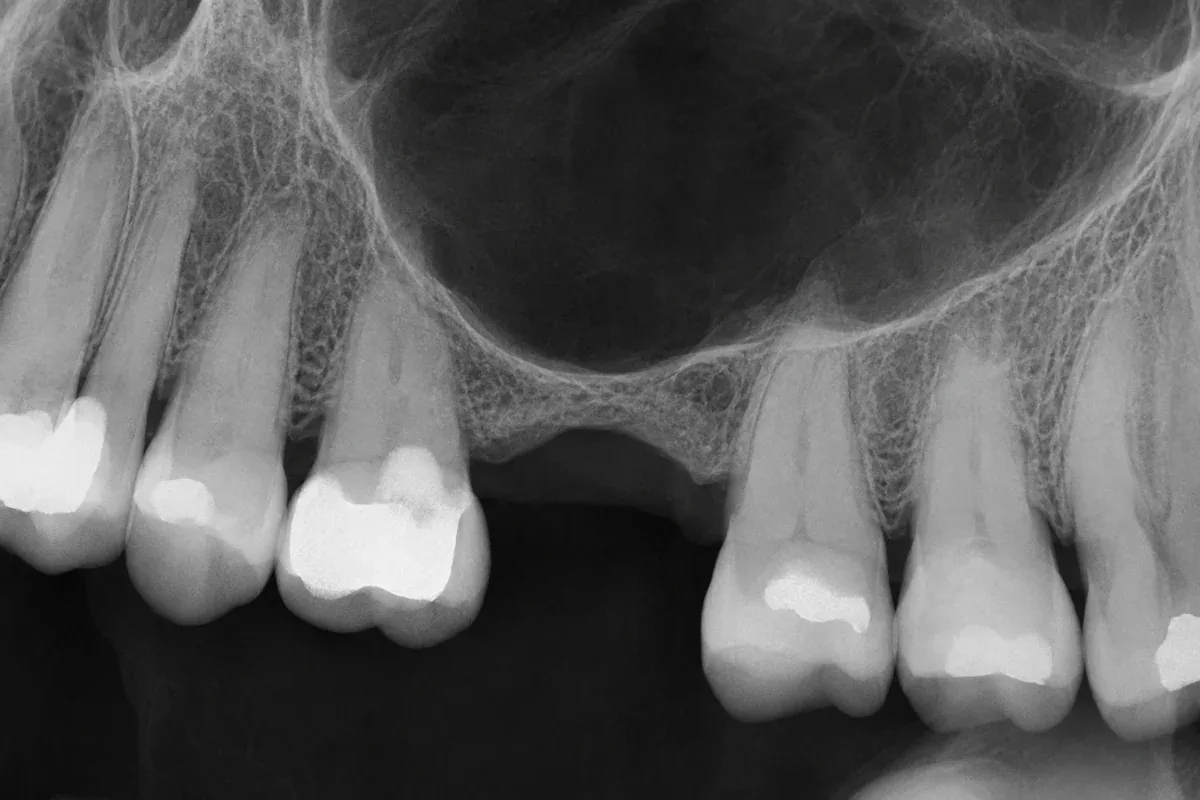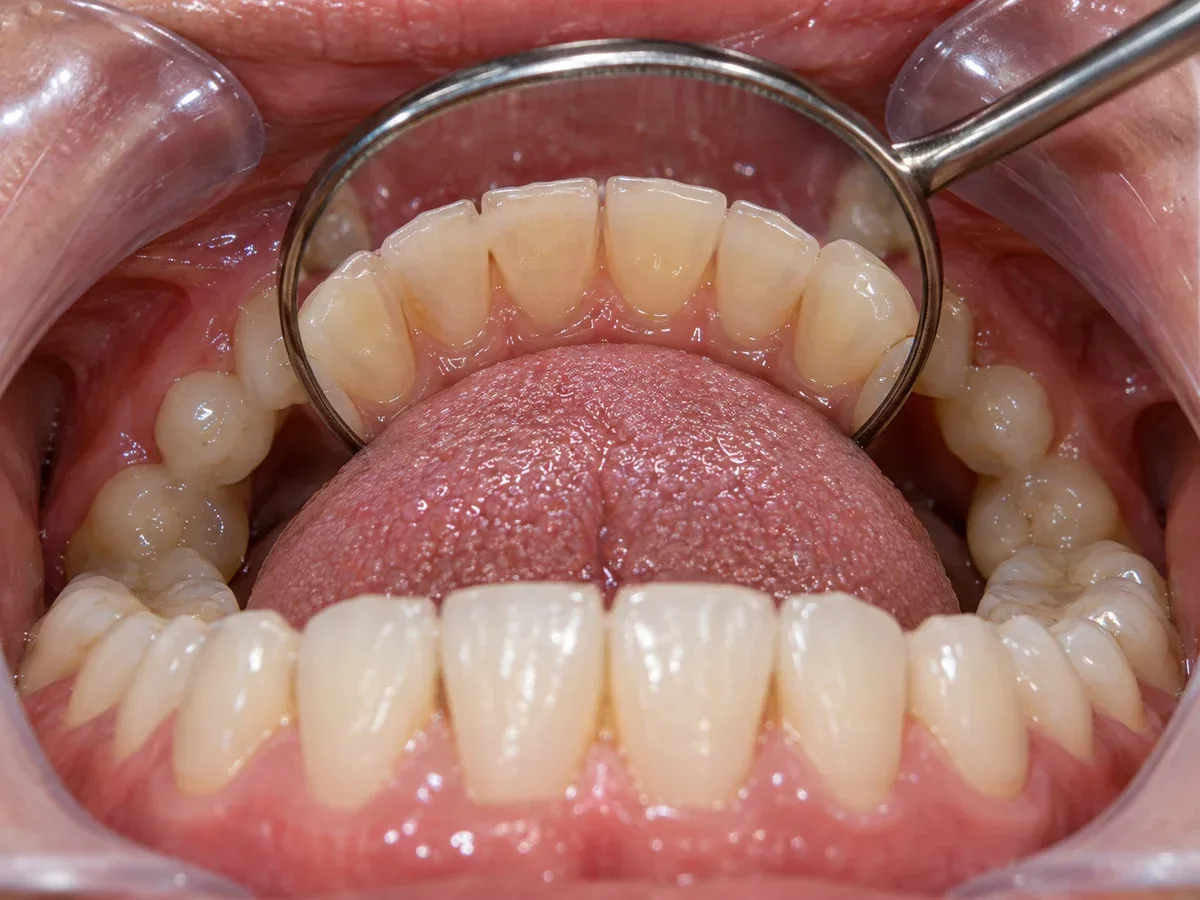
- Sources describe a pleasing profile as the lips sitting 2–4 mm behind a line from the nose tip to the chin tip. Lips in front of it often mean a protruding mouth.
- If the jawbone is in a normal position and just the teeth are tipped forward, orthodontic treatment can help.
- If the gums and bone stick out too, or the protrusion is severe, orthodontic treatment and surgery are both needed.
"My mouth sticks out, so will orthodontic treatment pull it back?" We hear this often at Reset Dental Clinic in Seomyeon, Busan. For patients living in or visiting Korea, we offer 1:1 English interpretation from the first consultation through the end of treatment.
The honest answer is that it moves back for some people and less for others. It depends on what is sticking out.
This column draws on Seoul Asan Medical Center's disease encyclopedia pages on protruding mouth, jaw growth problems and dental arch problems. It also uses the Korean government health portal's page on jaw surgery and orthodontic treatment.
What is a protruding mouth?
The sources describe a protruding mouth as the mouth or gums sticking out. The medical term is bimaxillary protrusion.
The gums and teeth in the upper and lower front area push forward. The gums show a lot when smiling, and the lips do not close easily without effort.
The sources list four signs:
- many teeth show at rest
- a lot of gum shows when you smile
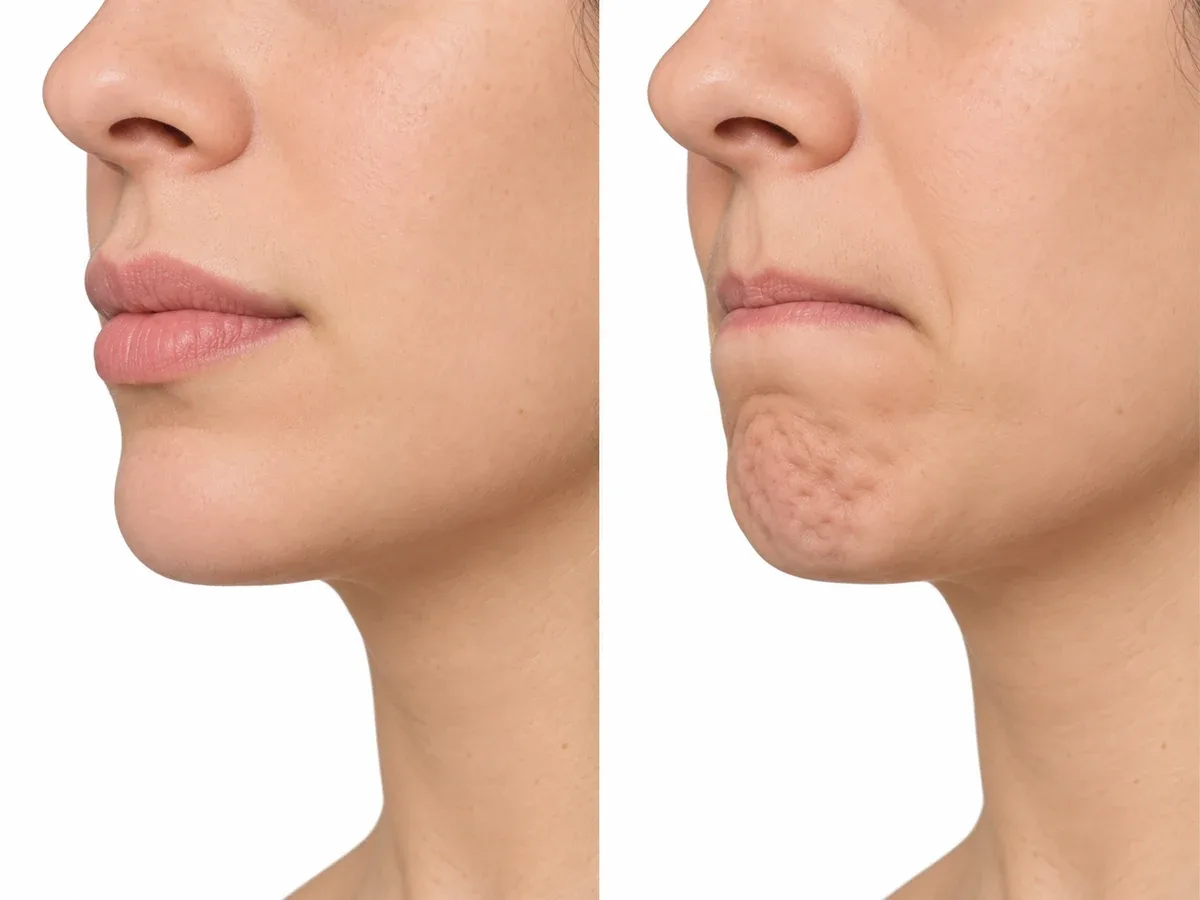
- a wrinkle like a peach pit forms on the chin when you close your lips on purpose
- people say you look angry
Patients who tell us "my chin tenses when I close my mouth" usually fit this picture.
A protruding mouth is about where the teeth and bone sit, not just about looks. That is why the cause has to be found before any plan is made.
How can you check your profile yourself?
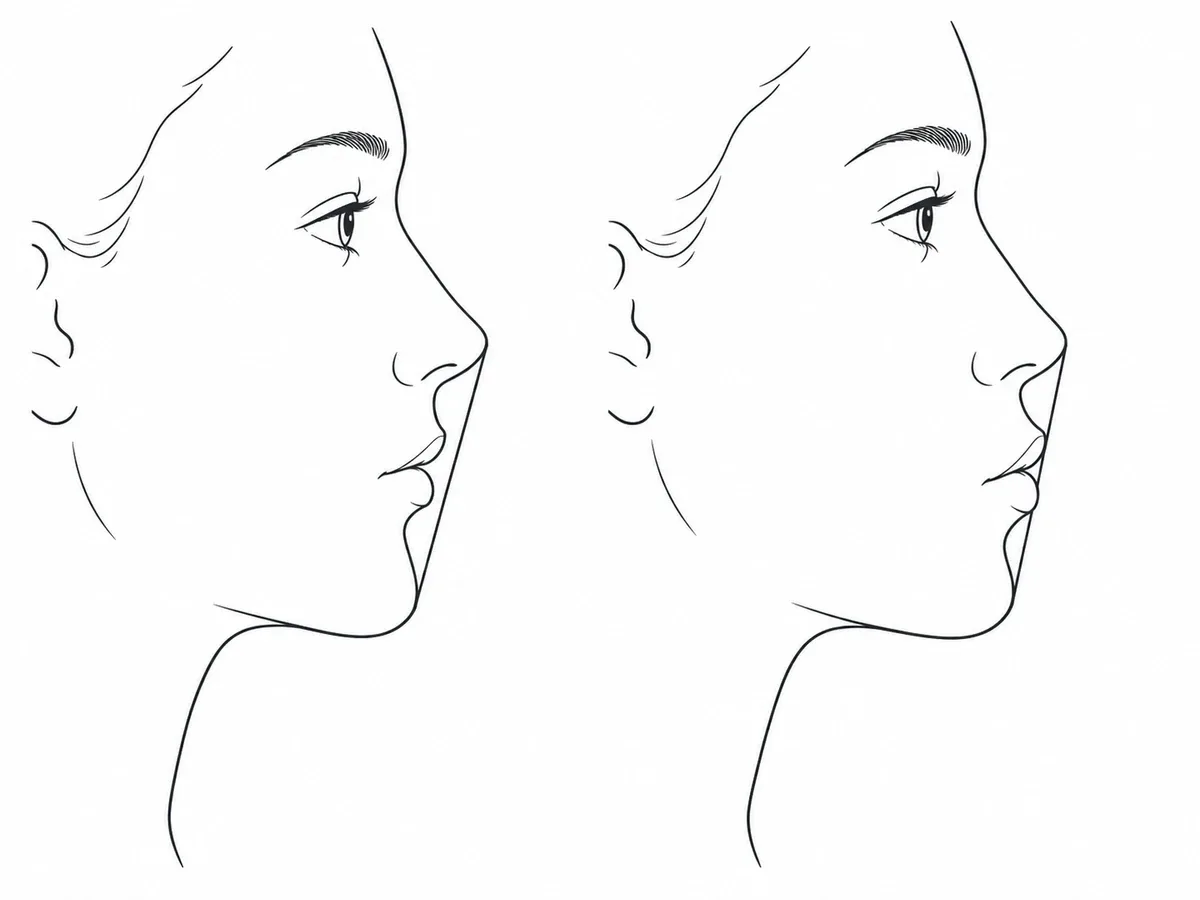
The sources give two visual checks. The first is to draw a line from the tip of the nose to the tip of the chin in profile.
A pleasing mouth has the lips 2–4 mm behind this line. If the lips are in front of it, it is often a protruding mouth.
The second is the height of the lip tip. In profile, a protruding mouth is suspected if the lip tip is higher than the middle of the nostril, or even higher than the nose tip.
| Check | What to look for |
|---|---|
| Nose-to-chin line | Lips 2–4 mm behind the line look balanced; lips in front of it often mean protrusion |
| Lip tip height | Protrusion is suspected if the lip tip is higher than the middle of the nostril, or than the nose tip |
Still, these are rough visual guesses. In practice, how far the front teeth are tipped and where the jawbone itself sits must be seen separately with photos and X-rays.
That is also why the source mentions 3D CT, which shows the structure from the skin surface down to the bone for an accurate diagnosis.
What causes a protruding mouth?
The source says a protruding mouth is strongly influenced by genes. If a parent has a protruding mouth structure, a child is more likely to have one.
The more important point is that it can appear without a family history. The source lists four childhood habits:
- pushing the tongue forward
- thumb or finger sucking
- biting the nails or lips
- breathing through the mouth
These habits can create a protruding mouth or make an existing one worse.
The dental arch page says the same. The size of the teeth and jaws is set by genes and cannot be changed. But habits like tongue thrusting, finger sucking and mouth breathing can change where the teeth sit.
So habits belong on the side of things that can change. The same page gives two pieces of practical advice:
- correct bad habits such as tongue thrusting and mouth breathing early
- treat cavities promptly so the teeth keep their place
The page also notes that bite problems are increasing, linked to cavities and the early loss of baby teeth. That is one more reason to treat cavities in children early, as the page advises.
A skeleton that has already formed will not return to its place through habit changes alone. For a growing child, though, correcting these habits early is worthwhile.
When can orthodontic treatment help, and when is surgery needed?
This is the heart of this column. The source divides cases into two paths.
First, if the jawbone is in a normal position and just the teeth are tipped forward, orthodontic treatment can help. Standing the front teeth upright changes the shape of the mouth.
Second, if the gums and bone stick out along with the teeth, or the protrusion is severe, orthodontic treatment and surgery are both needed. Moving teeth cannot move the bone they sit in.
The source adds one more sentence. When someone who needs surgery tries orthodontic treatment alone, the teeth often tip backward, but the mouth often does not move back as much as hoped.
This fork in the road is the first thing to talk through in any consultation.
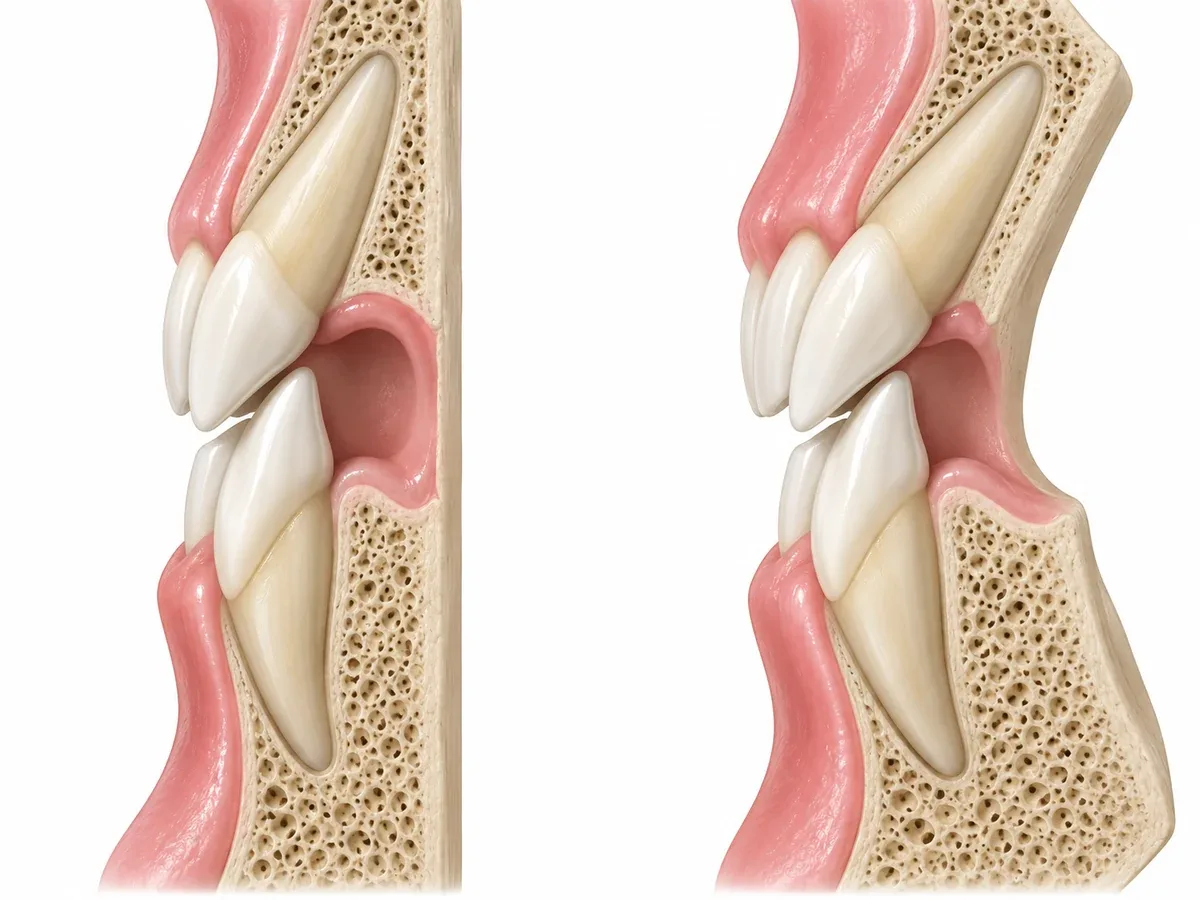
| Condition | What the source says |
|---|---|
| Jawbone in a normal position, teeth tipped forward | Orthodontic treatment can help |
| Gums and bone protrude too, or protrusion is severe | Orthodontic treatment and surgery are both needed |
| Surgery is needed, but braces alone are tried | Teeth tip back, but the mouth often does not move back as much as hoped |
Why does it matter whether growth has finished?
The government health portal adds timing to the picture. Jaw surgery is done when the bite problem is too severe for orthodontic treatment alone. It is also done when braces alone cannot fully improve the shape of the face.
The portal goes on. In growing children, orthodontic treatment may improve skeletal problems and avoid surgery. In adults who have finished growing, surgery is needed to correct a skeletal mismatch.
That is why the options differ for a 12-year-old and a 25-year-old with the same protruding mouth.
The dental arch page makes a similar point. Growing teenagers can often finish with orthodontic treatment alone. But if bone growth goes wrong, surgery may be needed once they are adults.
Jaw surgery is done jointly by an orthodontist and an oral and maxillofacial surgeon. Usually the orthodontist first positions the teeth, and then the surgeon moves the jawbone into place.
The portal stresses that jaw surgery is not simple cosmetic surgery. It is functional surgery that must weigh many factors, because the teeth move with the jawbone and jaw joint movement is affected too.
When surgery is part of the plan, treatment usually runs in the order below.
- orthodontic treatment before surgery, to place the teeth where they need to be
- jaw surgery, to move the jawbone into the right position
- orthodontic care after surgery, to settle the bite
The portal explains that without orthodontic treatment before surgery, it is hard to place the jawbone where it is wanted. So the orthodontic phase is not an optional extra.
What does surgery for a protruding mouth involve?
The surgery the source names as commonly used for a protruding mouth is anterior segmental osteotomy (ASO). It is done through cuts inside the mouth.
A premolar is removed, and that space is used to move the front teeth, canines and their bone backward.
Because the position of the teeth changes, orthodontic care is needed before and after surgery, and the teeth are often extracted in advance. If the mouth sticks out but the chin sits back, chin surgery may be done at the same time.
The source also gives numbers on recovery. It describes the surgery as relatively safe and simple, since it does not move the jaw joint and involves the front teeth area alone.
Even so, it remains surgery under general anesthesia with a hospital stay.

| Item | What the source says |
|---|---|
| Anesthesia | General anesthesia |
| Hospital stay | Usually about 3–4 days |
| Swelling | Peaks on days 2–3 and starts to go down after days 4–5 |
| Return to daily life | Usually possible after about 10 days to 2 weeks |
What should be agreed before orthodontic treatment starts in Busan?
Dailydental, the Korean Dental Association's newspaper, reported an orthodontic dispute shared by the national medical dispute mediation agency. A patient treated with braces for about six years complained that a bite problem remained afterward.
The agency found it hard to judge the care, because there were no first-visit records or X-ray images. Still, it noted that the bite problem remained, the original treatment goal was not met, and no other cause was shown.
It also found that there was no consent form and no adequate explanation. With orthodontic treatment, patients must clearly understand their current teeth, the plan and the expected treatment time. The agency held the clinic responsible for insufficient explanation.
Two pieces of advice in the article apply directly to consultations for a protruding mouth.
- Patient expectations and what the dentist can achieve may differ. Before starting, explain the diagnosis, a realistic goal and side effects, and begin after written consent.
- Before orthodontic treatment, check and record any history of jaw joint problems, and examine the jaw joint in detail at diagnosis.
For a protruding mouth, the key is to agree in advance on what can change and by how much.
Frequently asked questions
Won't orthodontic treatment alone move my mouth back a little?
If the front teeth are tipped forward, standing them up makes a difference. But if the bone sticks out too, the teeth may tip back while the mouth does not move back as much as hoped. The first step is finding out which case you are.
Is a protruding mouth different from a receding chin?
The sources separate them. With a receding chin, the lower jawbone sits back and is small, so the chin seems to be missing. In profile, the nose tip, lips and chin tip can look like one straight line.
Bimaxillary protrusion is different: the lower jaw has not moved back, but the front gums and teeth push forward. Both can make the mouth look forward, yet the part to treat is different.
How long does orthodontic treatment take?
It differs from person to person. The portal says the orthodontic phase needed before jaw surgery depends on each patient's teeth and skeleton. So we give a timeline after reviewing diagnostic records, not before.
Can I get orthodontic treatment in English in Busan?
Yes. We provide 1:1 English interpretation from the first consultation through the end of treatment. The clinic is near Seomyeon Station Exit 2 (5-min walk), opposite Lotte Hotel Busan, and you can call 010-8555-2854 (+82-10-8555-2854 from abroad).
Whether orthodontic treatment moves the mouth back depends on what is sticking out.
Tipped teeth can be stood upright.
Bone that sticks out needs a different plan.
If your mouth looks forward and you are in Busan, Reset Dental Clinic offers 1:1 English interpretation for patients in Korea. Call 010-8555-2854, and we will start by finding out which case you are.
References
- Seoul Asan Medical Center Disease Encyclopedia, "Protruding Mouth (Class II malocclusion)" — definition as bimaxillary protrusion; signs such as gummy smile, strained lip closure and a peach-pit chin; genetic influence and habits such as tongue thrusting, finger sucking, nail or lip biting and mouth breathing; the nose-to-chin line with lips 2–4 mm behind it; orthodontics when just the teeth are tipped and surgery with orthodontics when bone protrudes or protrusion is severe; anterior segmental osteotomy with premolar extraction, general anesthesia, a 3–4 day stay, swelling peaking on days 2–3 and return to social life in about 10 days to 2 weeks
- KDCA National Health Information Portal, "Jaw Surgery and Orthodontic Treatment" — when jaw surgery is done; surgery may be avoided in growing children but is needed for skeletal mismatch in adults; joint treatment by orthodontist and oral and maxillofacial surgeon; jaw surgery as functional, not simply cosmetic; pre-surgical orthodontics and time varying with each patient
- Seoul Asan Medical Center Disease Encyclopedia, "Jaw Growth Problems" — overgrowth and undergrowth of the jaws; receding chin and how it differs from bimaxillary protrusion; causes including genes, childhood habits, injury and muscle function; diagnosis with 3D CT, measurement and simulation
- Seoul Asan Medical Center Disease Encyclopedia, "Dental Arch Relationship Problems" — tooth and jaw size set by genes while tooth position can change with habits; orthodontics alone for growing teens unless bone growth goes wrong; correcting bad habits early and treating cavities promptly
- Korean Dental Association newspaper Dailydental, "Set treatment goals and agree in advance for orthodontics" — a long-term orthodontic dispute case, missing records and consent form, responsibility for insufficient explanation, and advice to explain realistic goals with written consent and to check the jaw joint before treatment
Written by Reset Dental Clinic Support Team
Medical review Dr. Kim Hyun-joo, Head Dentist · Integrated Dentistry Specialist
Last updated: September 19, 2026
This column is for general information and does not replace diagnosis or treatment for individual patients. If you have symptoms, please see a dentist.