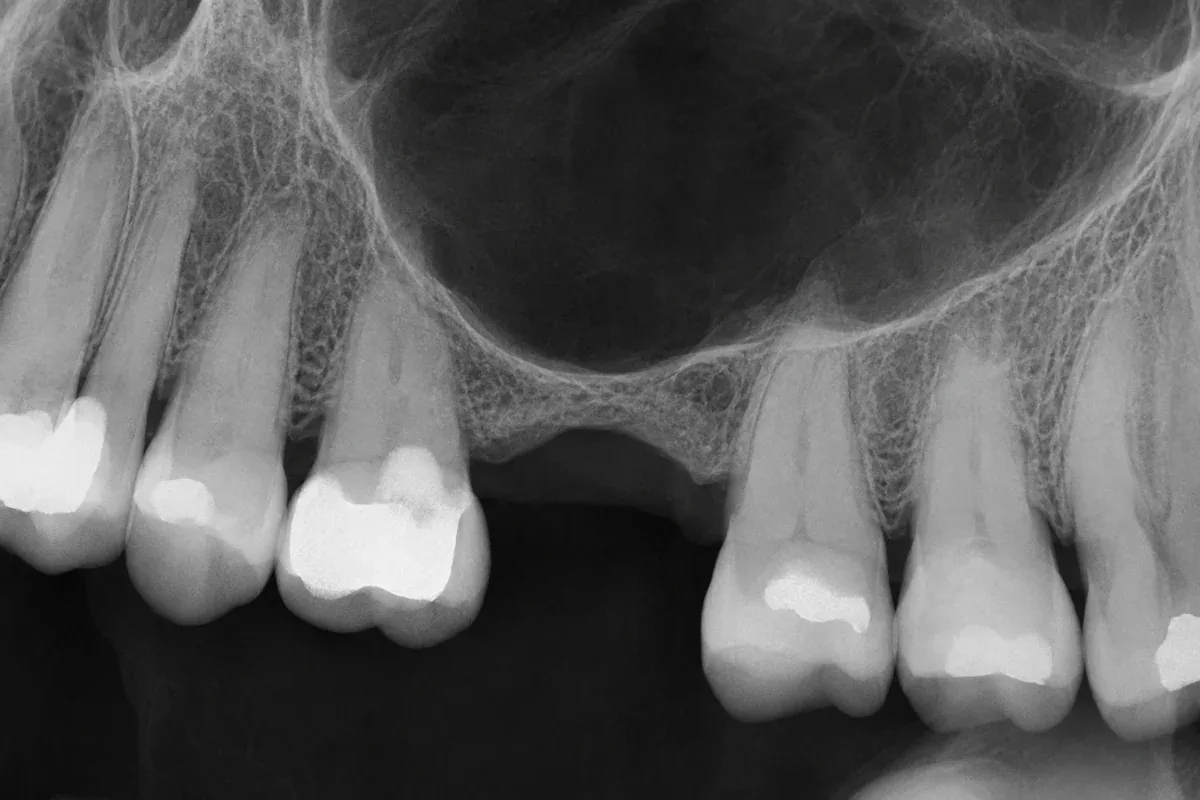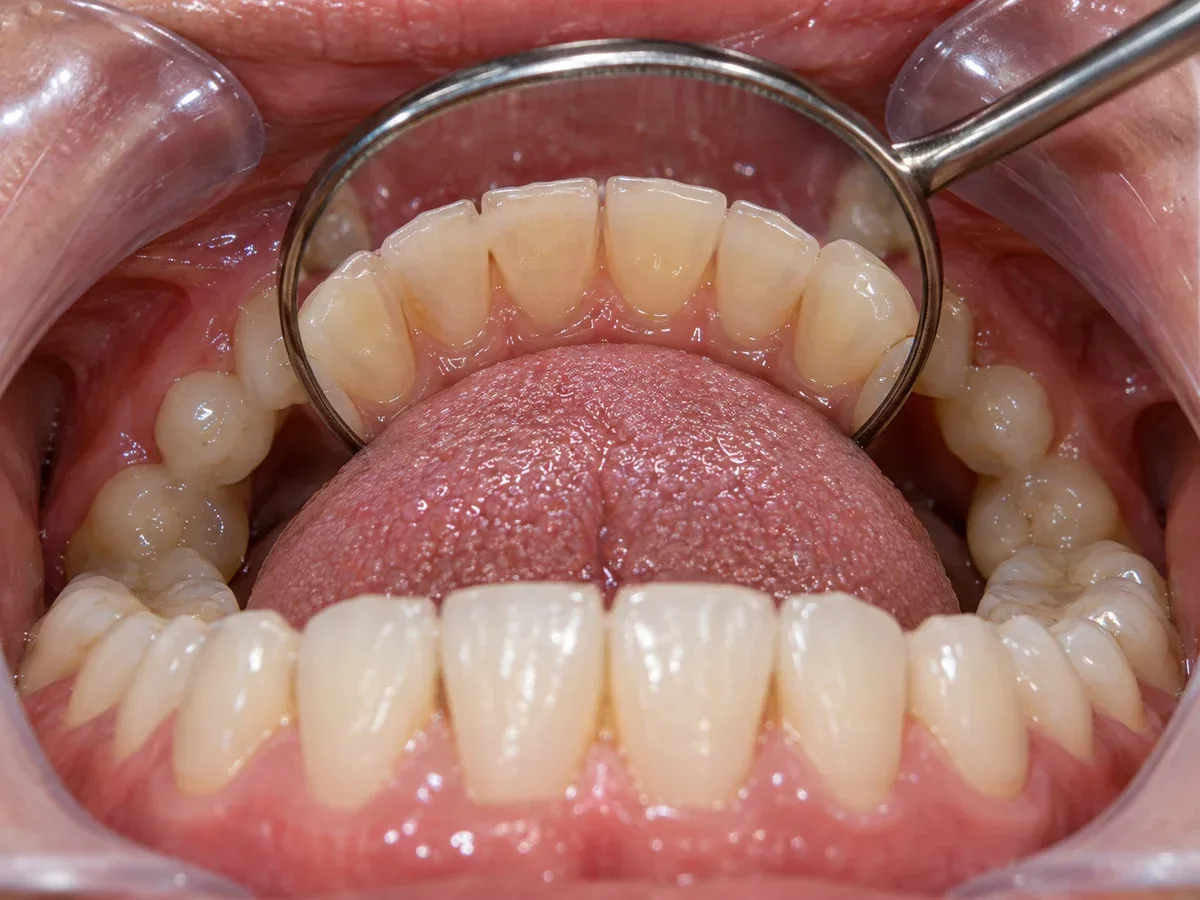
- "Linked to" and "causes" are different things. Most studies on gum disease and other illnesses are still at an early stage, and we report them at exactly that level.
- The same bacteria were also found in many healthy brains.
- The liver study itself says more long-term research is needed.
- So the conclusion is calm. There is no need for fear, just no reason to put off gum care.
At Reset Dental Clinic in Seomyeon, Busan, more patients now ask whether gum disease leads to dementia, or whether gum bacteria are linked to cancer. For patients living in or visiting Korea, we provide 1:1 English interpretation from the first consultation to the end of treatment.
In recent years, studies on dementia, digestive cancers, the liver and chronic kidney disease have indeed been reported one after another. But the headlines often sound much stronger than the studies themselves.
This column draws on four articles in Dailydental, the newspaper of the Korean Dental Association, and the KDCA National Health Information Portal page on systemic disease and gum treatment. It separates what has been confirmed from what is still a hypothesis.
What stage is the research on gum disease actually at?
Keep one distinction in mind throughout this column. Research usually moves forward in steps like these:
- observing that two things tend to appear together
- explaining how one could act on the other (the mechanism)
- confirming it in animal experiments
- testing in people whether treating one changes the other (intervention studies)
Most of the studies below sit in the first two or three steps. No study has yet confirmed in people that treating gum disease reduces these illnesses. The sources say so themselves.
So this column does not conclude that you should be afraid of gum disease. It concludes that you should not put off the care you already know about.
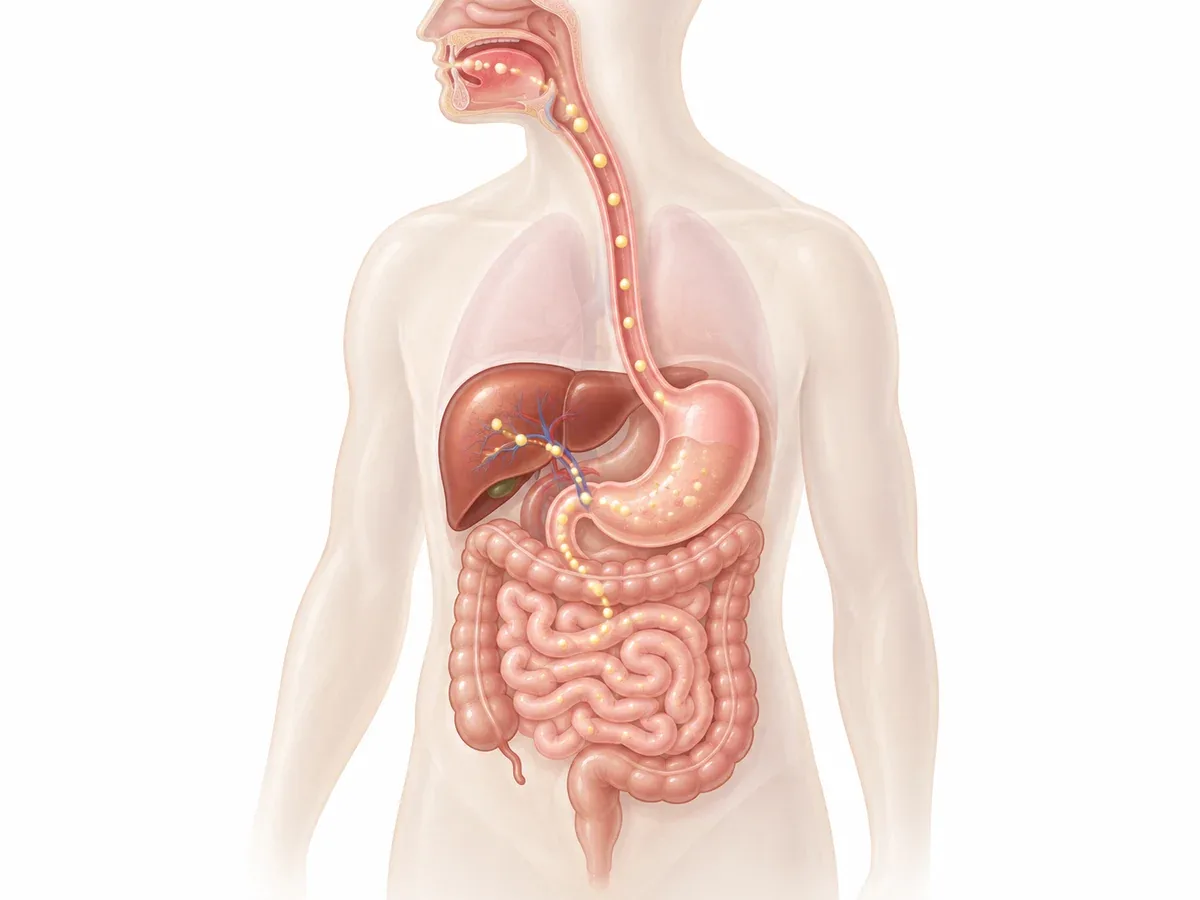
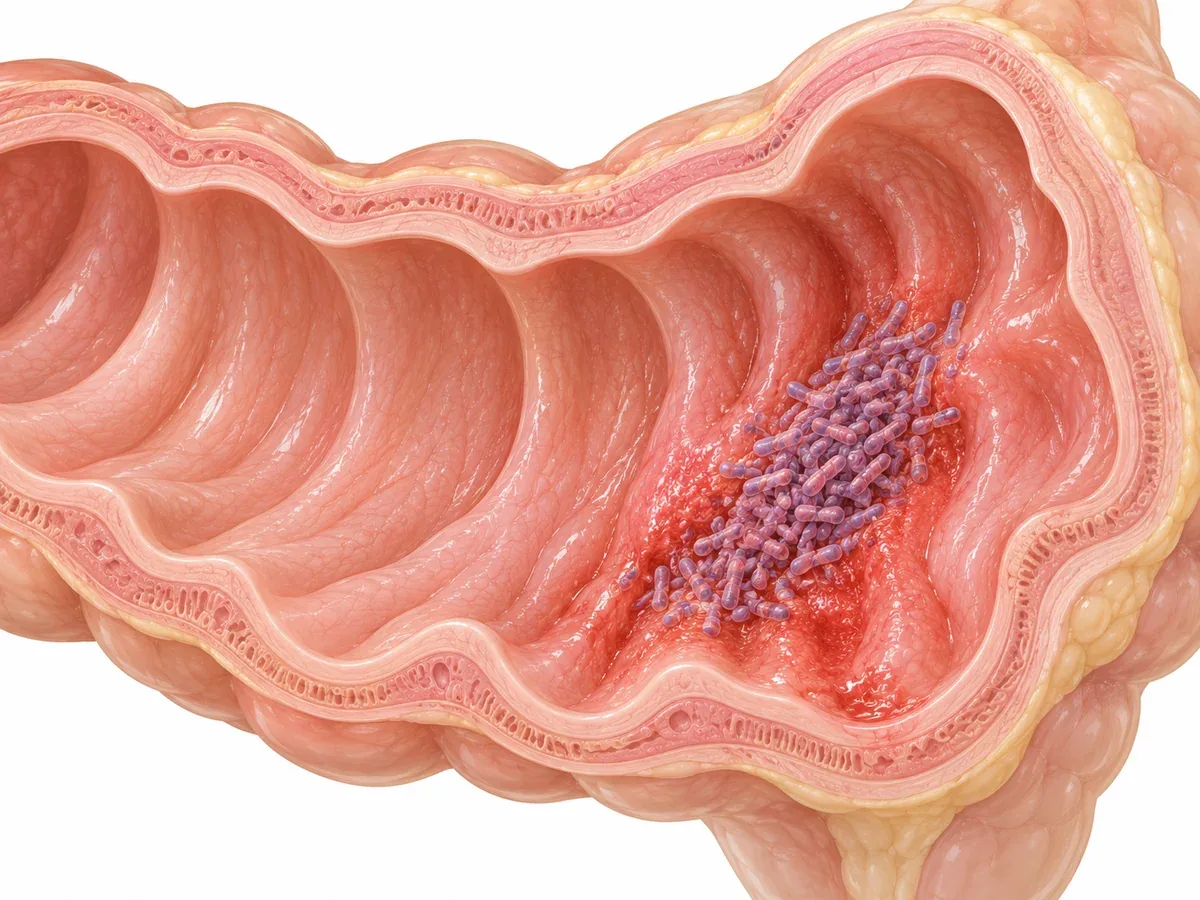
The starting point is one sentence from the KDCA page. When the gum tissues are inflamed, inflammatory substances and even the bacteria themselves can spread through the blood to the rest of the body.
The page names Porphyromonas gingivalis as a widely studied example. Up to here, the studies share the same premise. After that, they split by organ.
Is gum disease linked to dementia?
This is the most quoted link, and the most often exaggerated. The background is a 2019 study in the journal Science Advances. The team reported finding Porphyromonas gingivalis, a main cause of chronic periodontitis, in the brain tissue of Alzheimer's patients.
The researchers examined brain tissue from 3 Alzheimer's patients and 6 people without the disease. DNA of the bacterium was found in all 3 patients, and also in 5 of the 6 healthy people.
They then looked at gingipain, a toxic protein-cutting enzyme the bacterium produces. The figures are summarized below.
| Finding | Alzheimer's patients | People without the disease |
|---|---|---|
| Bacterial DNA in brain tissue | 3 of 3 | 5 of 6 |
| Gingipain in brain tissue | 96% | 38–52% |
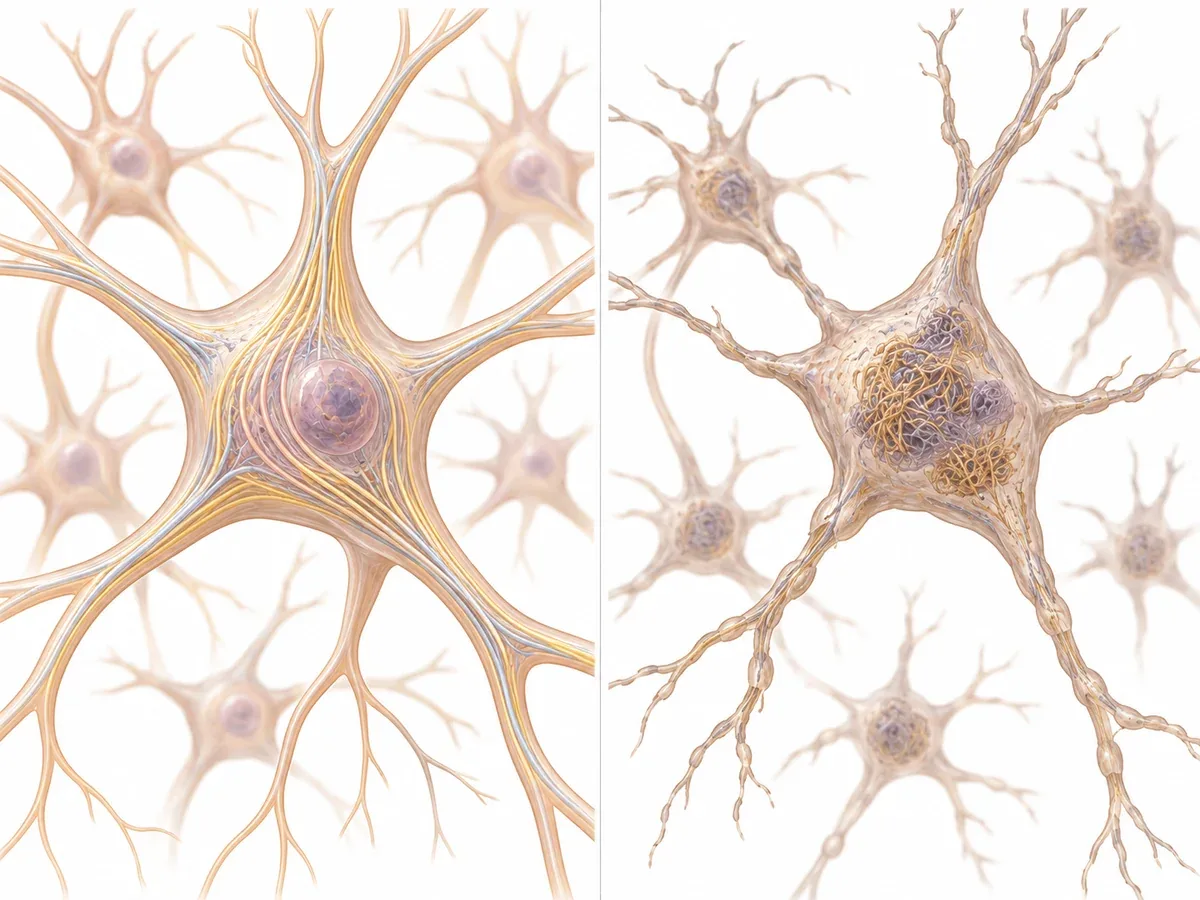
A mechanism was also proposed. In a healthy brain, tau protein supports the structure inside nerve cells. In Alzheimer's disease, it clumps abnormally into tangles and slowly kills the cells.
In the lab, tau exposed to gingipain was cut into pieces, and the pieces clumped more easily than normal tau. In mice, the bacterium moved to the brain, settled there and caused dementia-like changes.
A gingipain blocker developed by the team, COR388, is now in clinical trials with dementia patients.
Read this far, it may sound settled. Yet the article that reported the study itself urged caution in interpreting it, and added three caveats.
| Caveat | What the source says |
|---|---|
| First | Having periodontitis does not mean everyone will develop dementia |
| Second | Because the same bacterium was found in many healthy brains, a person's immune response or genetic makeup may matter more than the bacterium's presence |
| Third | Dementia has many causes acting together, so it is hard to say that managing periodontitis alone can fully prevent it |
The source's own conclusion is calm too. Rather than the extreme message "skip the dentist and you will get dementia," a balanced explanation is better. Oral health is part of overall health, and regular checkups and care may help lower the risk of several diseases.
The KDCA page likewise says just that dementia is one of the most actively studied areas at present.
Does gum disease raise the risk of digestive cancers?
These findings were presented at the 18th Gum Day event held by the Korean Academy of Periodontology. Two studies of very different kinds were introduced, so it helps to look at them separately.
The first used human data. Professor Park Jae-yong, a gastroenterologist at Chung-Ang University College of Medicine, analyzed National Health Insurance Service data. The risk of esophageal cancer was about 16% higher with tooth loss and about 10% higher with periodontal disease.
Poor habits also showed a significant correlation with esophageal cancer. These included brushing fewer than three times a day, skipping brushing before bed and not cleaning between the teeth. Please read "correlation" as written: the two appear together.
The second was about mechanism and animal experiments. Professor Kook Joong-ki of Chosun University School of Dentistry reported on Fna C2 (subspecies animalis C2), one of the bacteria behind gum disease.
He said it survives strong stomach acid, reaches the large intestine and worsens the early stages and progress of colorectal cancer. Animal experiments reportedly confirmed it as a direct risk factor for colorectal cancer. What is confirmed in animals and what is confirmed in people are different levels, so this is as far as we can go today.
The event also shared an easy-to-remember routine, the Academy's "3-2-4 rule":
- 3: brush carefully after meals, at least three times a day
- 2: have a dental checkup and scaling twice a year
- 4: clean between the teeth, where a regular brush cannot reach, with interdental brushes and floss (in Korean, "4-i 4-i" sounds like "in between")
How could mouth bacteria reach the liver?
This is a Korean-Belgian joint study published in the gastroenterology journal Gut in March 2026. Led by a team from Hallym University and KIST, it analyzed stool samples from 1,168 patients, ranging from fatty liver to hepatitis, cirrhosis and liver cancer. The results were checked against 2,376 public data sets.
As the disease advanced, the variety of gut bacteria fell step by step. Bacteria from the mouth, such as Veillonella, gradually took over from the bacteria common in healthy people.
In particular, the same strains in a patient's saliva and stool matched genetically. This was presented as evidence that bacteria really travel from the mouth to the gut.
A survival analysis was included too. The more Veillonella in the gut, the higher the death rate among patients with cirrhosis and liver cancer. Patients with the lowest bacterial variety had up to five times the risk of death compared with the normal pattern.
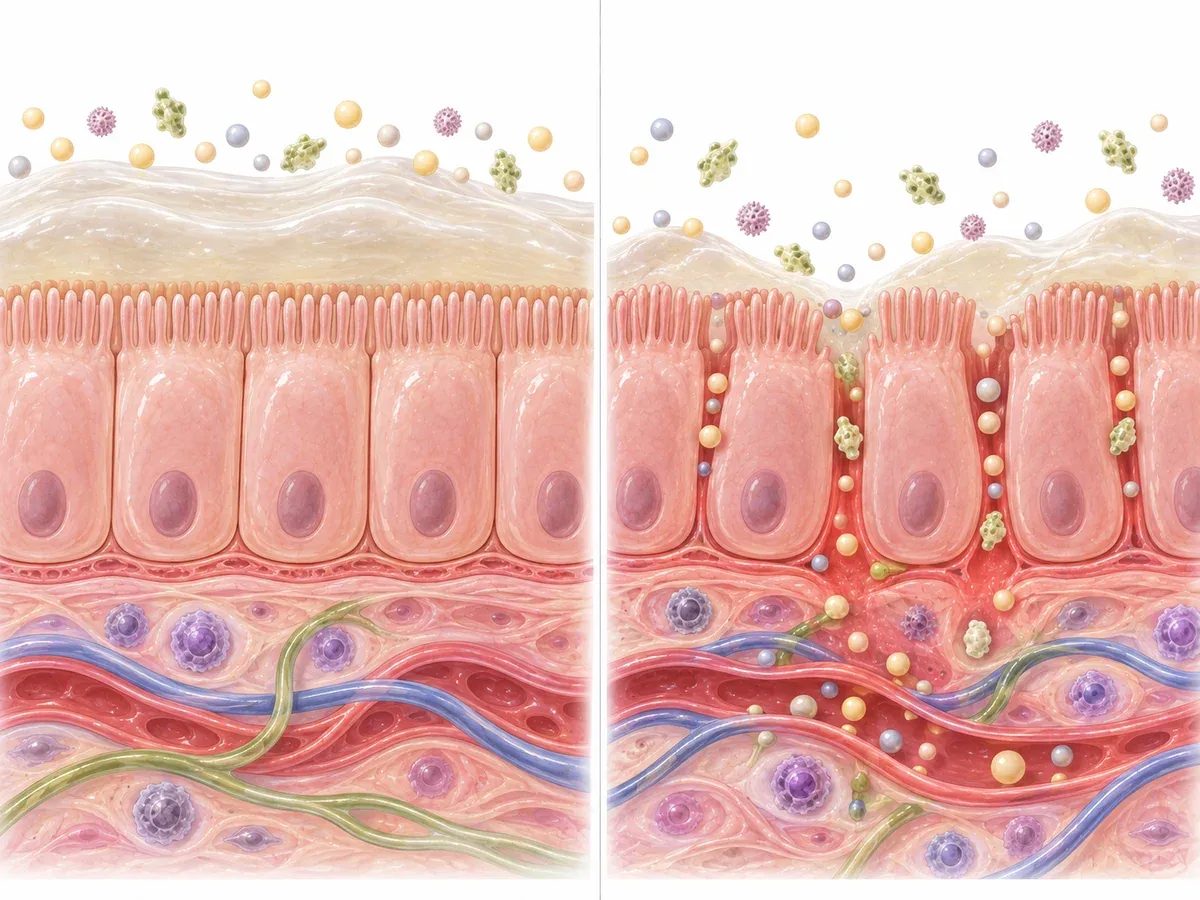
The mechanism is described as a vicious circle:
- A damaged liver releases less bile acid, which weakens the gut's antibacterial defense.
- The gut becomes more permeable, so mouth bacteria settle more easily.
- The settled bacteria damage the gut lining further, and endotoxin (LPS) travels through the blood to the liver and worsens inflammation.
- The damaged liver releases even less bile acid, and the circle repeats.
So what should be done? The source suggests the simplest step as the most realistic one: oral care. Scaling and gum treatment are the most direct way to reduce harmful bacteria in the mouth, and less bacteria in the mouth may mean less reaching the gut.
The source adds that clinical reports are building up of lower blood endotoxin and inflammation markers after gum treatment.
But the source drew its own line at the end. The study was cross-sectional, so more long-term research is needed to establish cause and effect. A cross-sectional study looks at conditions at one point in time, so it cannot say which came first.
The source called the idea that one scaling could start a whole-body intervention the study's most challenging hypothesis. It is a hypothesis, not a conclusion.
What about gum disease and chronic kidney disease?
This is an analysis by a team at the University of Cincinnati College of Medicine, published in BMC Nephrology. The team concluded that chronic kidney disease and gum disease may affect each other through several routes, such as body-wide inflammation and immune imbalance.
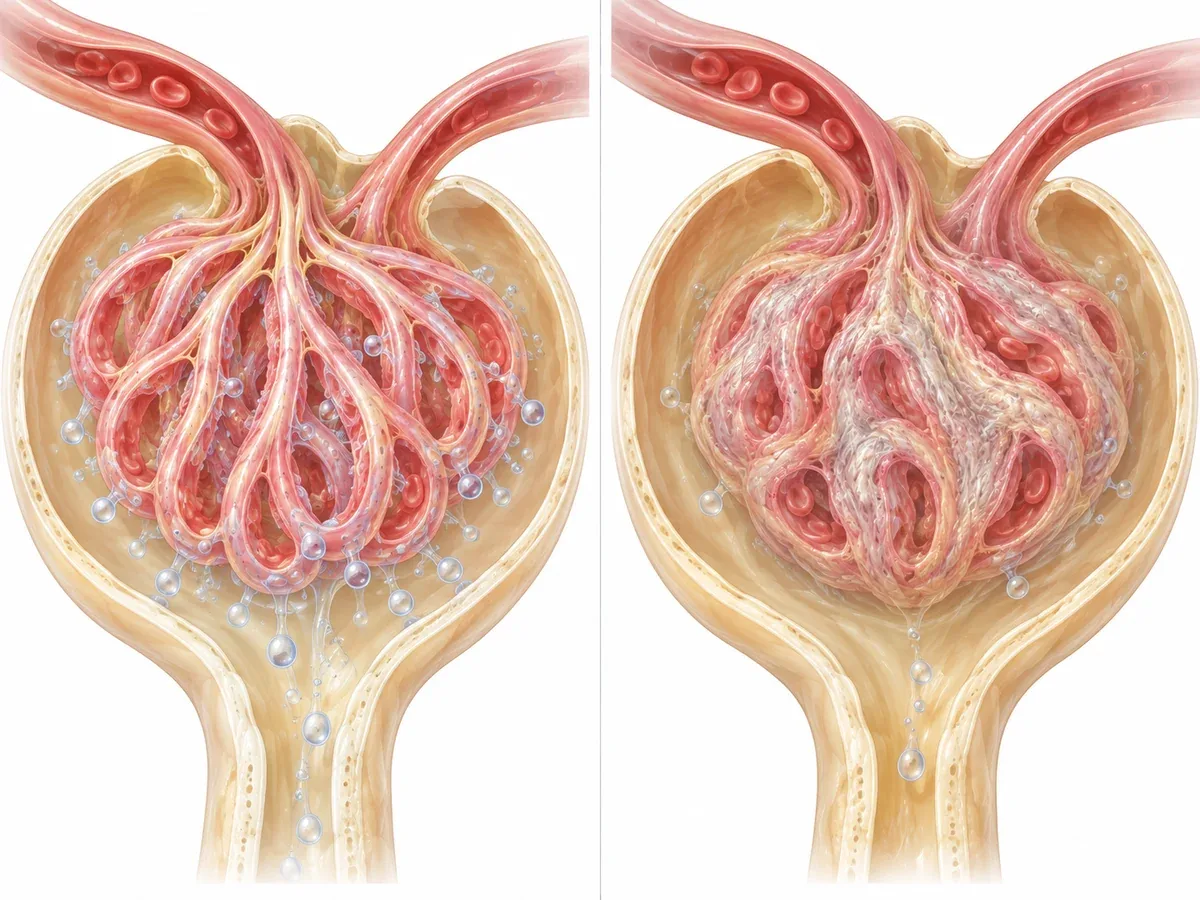
What they described is a two-way relationship. Chronic inflammation and bacterial stimulus from periodontitis can cause body-wide inflammation and damage to blood vessel linings, which may be linked to falling kidney function.
In the other direction, kidney disease brings uremia, weaker immunity and slower tissue repair. These can lower the defenses of the gums and make gum disease worse.
Measures of gum disease were linked with a lower glomerular filtration rate, a measure of how well the kidneys filter blood, and with higher inflammation markers.
Here too the team added a caveat. Large prospective intervention studies are needed to confirm long-term outcomes and cause. It stands in the same place as the studies above.
Still, this study offers one practical point right now. The team stressed patients on dialysis and those waiting for a kidney transplant.
These patients carry a heavy burden of oral disease because of immune suppression, many medicines and limited access to dental care. If a chronic infection in the mouth is found late, it can disrupt the transplant process.
So the team suggested including a standard oral assessment from early in care, not a last-minute check before transplant. Dentists and kidney doctors should work together at the start of dialysis, during transplant assessment and in long-term follow-up.
What should patients in Busan do about gum disease now?
If this column has made you anxious, we have written it badly. Here is the summary.
| Area | What was found | Type of evidence | Limit stated in the source |
|---|---|---|---|
| Dementia | Bacteria and gingipain in brain tissue | Small tissue study, lab and mouse experiments | Also found in healthy brains; many causes |
| Digestive cancers | Higher esophageal cancer risk; colorectal cancer mechanism | Statistical association; animal experiments | Correlation, and animal-level findings |
| Liver | Mouth bacteria in the gut; higher death rate | Cross-sectional study | Long-term studies needed for cause |
| Kidney | Two-way relationship | Analysis of existing research | Large intervention studies needed |
- What is confirmed: bacteria and inflammation in the mouth can travel through the blood and digestive tract. People with several illnesses are more often seen to have poor gum health.
- What is not confirmed: whether gum treatment changes the outcome of those illnesses. The sources use words like "hypothesis," "more is needed" and "expected."
- So nothing changes. There is one more reason to care for your gums, but no new method. The method is the one you already know.
In practice, the 3-2-4 rule is the answer: brushing after meals three times a day, checkups and scaling twice a year, and brushes and floss between the teeth.
| Situation | Suggested interval |
|---|---|
| No gum disease | Once a year |
| Past gum disease, or maintenance after treatment | Every 3–6 months |
One more request. If you are being treated for liver disease, chronic kidney disease or diabetes, please tell us at your visit.
If you are on dialysis or awaiting a transplant, it is wise to have your mouth checked in advance. An infection found late can upset the schedule. The timing and method of dental care are decided with your kidney doctor, so please bring your dialysis schedule and medicine list.
Frequently asked questions
Does gum disease cause dementia?
No such conclusion has been reached. The source notes that not everyone with periodontitis develops dementia. Dementia has many causes acting together, so managing gums alone is unlikely to prevent it.
Will I get cancer if I have gum disease?
That is not what the research says. What was reported is a statistical association, about 16% higher esophageal cancer risk with tooth loss and about 10% with periodontal disease. The role of bacteria in colorectal cancer has mainly been shown in animal experiments.
Will scaling improve my liver or kidneys?
That cannot be said. The source on the liver study called it the most challenging hypothesis, and noted that more long-term research is needed to prove cause.
Can I get gum disease care in English in Busan?
Yes. We offer 1:1 English interpretation from the first consultation through the end of treatment. The clinic is near Seomyeon Station Exit 2 (5-min walk), opposite Lotte Hotel Busan, and you can call 010-8555-2854.
What the research shows so far
is that these things "appear together."
"Treat your gums and that illness will improve"
is not in any of the sources yet.
So there is no need for fear.
But there is one more reason
not to put off your gum care.
If you are concerned about gum disease in Busan, Reset Dental Clinic offers 1:1 English interpretation from the first consultation through the end of treatment. For patients living in or visiting Korea, call 010-8555-2854 (+82-10-8555-2854 from abroad).
References
- KDA newspaper Dailydental, "Mouth Bacteria Reaching the Brain? The Striking Link Between Periodontitis and Dementia" — the 2019 Science Advances study; rates of P. gingivalis DNA in brain tissue and spinal fluid of Alzheimer's patients and healthy people; gingipain in 96% of patient brain tissue and 38–52% of healthy tissue; tau protein, tangles and the lab and mouse results; clinical trials of the gingipain blocker COR388; three caveats urging careful interpretation and the conclusion that a balanced explanation is better than an extreme message
- KDA newspaper Dailydental, "Gum Bacteria Reaching the Colon Raise Digestive Cancer Risk" (18th Gum Day, Korean Academy of Periodontology) — National Health Insurance Service data showing about 16% higher esophageal cancer risk with tooth loss and about 10% with periodontal disease; significant correlation with brushing fewer than three times a day, skipping bedtime brushing and not cleaning between teeth; how Fna C2 survives stomach acid and reaches the colon, and animal experiments; the "3-2-4 rule"
- KDA newspaper Dailydental, "Mouth Bacteria Harm the Liver After the Gut" — the Korean-Belgian study in Gut, March 2026 (1,168 patients, validated with 2,376 public data sets); falling gut bacterial variety and rising mouth-derived bacteria as disease progresses; matching strains in saliva and stool; Veillonella levels and death rates, and the risk in the low-variety group; the vicious circle of less bile acid, a leakier gut and endotoxin; gum treatment as the most direct way to cut bacterial load, and reports of lower endotoxin and inflammation markers after treatment; the caveat that a cross-sectional design needs long-term studies, and the phrase "most challenging hypothesis"
- KDA newspaper Dailydental, "Oral Health Items Needed in Chronic Kidney Disease Care" — the University of Cincinnati analysis in BMC Nephrology; a two-way relationship through body-wide inflammation, blood vessel lining damage, immune imbalance and oral microbial imbalance; links between dental measures, lower glomerular filtration rate and higher inflammation markers; the caveat that large prospective intervention studies are needed; emphasis on dialysis and transplant-waiting patients and possible transplant delays; a proposed dental and nephrology care system
- KDCA National Health Information Portal, "Systemic Disease and Periodontal Treatment" — how inflammatory substances and bacteria can spread through the blood from inflamed gums, with P. gingivalis as a key example; gum disease worsening several systemic diseases including chronic kidney disease; dementia as one of the most actively studied areas; scaling as the basic step of gum treatment, once a year without gum disease and every 3–6 months for maintenance
Written by Reset Dental Clinic Support Team
Medical review Dr. Na In-chae, Head Dentist · Periodontics Specialist
Last updated: September 19, 2026
This article is general information and does not replace diagnosis or treatment for individual patients. If you have symptoms, please see a dentist.