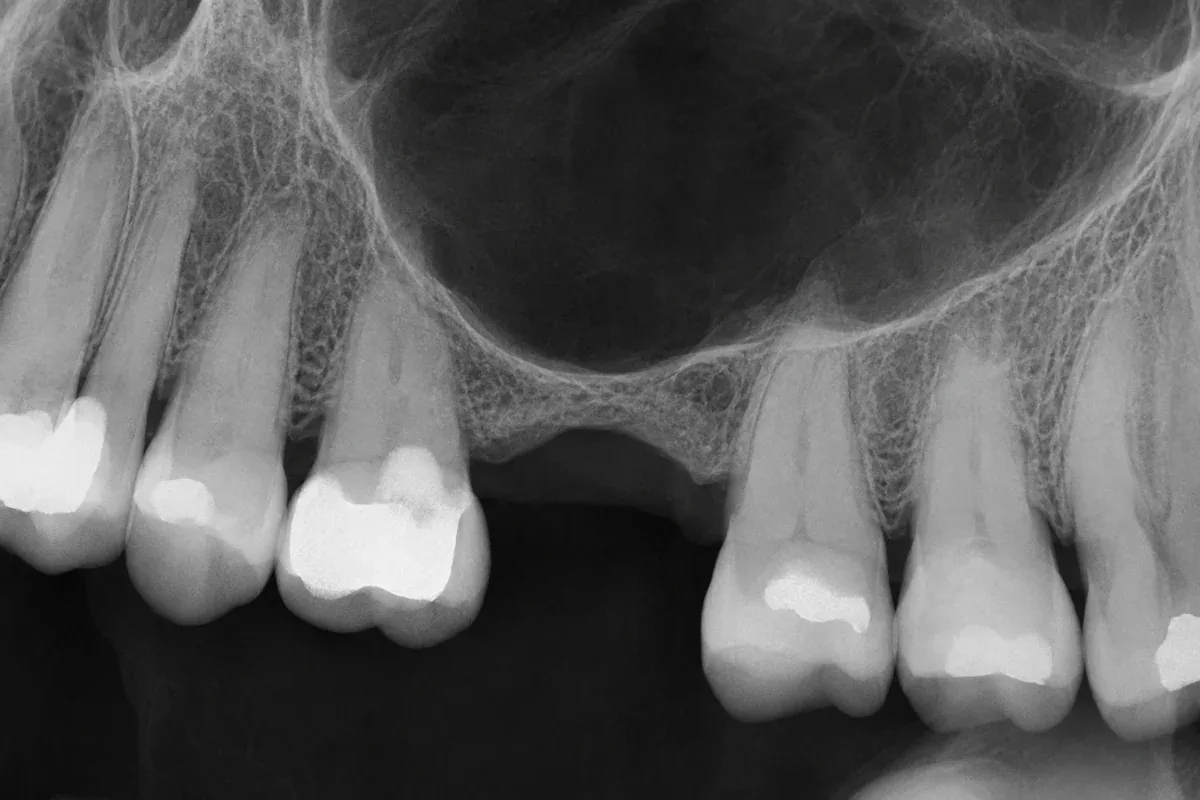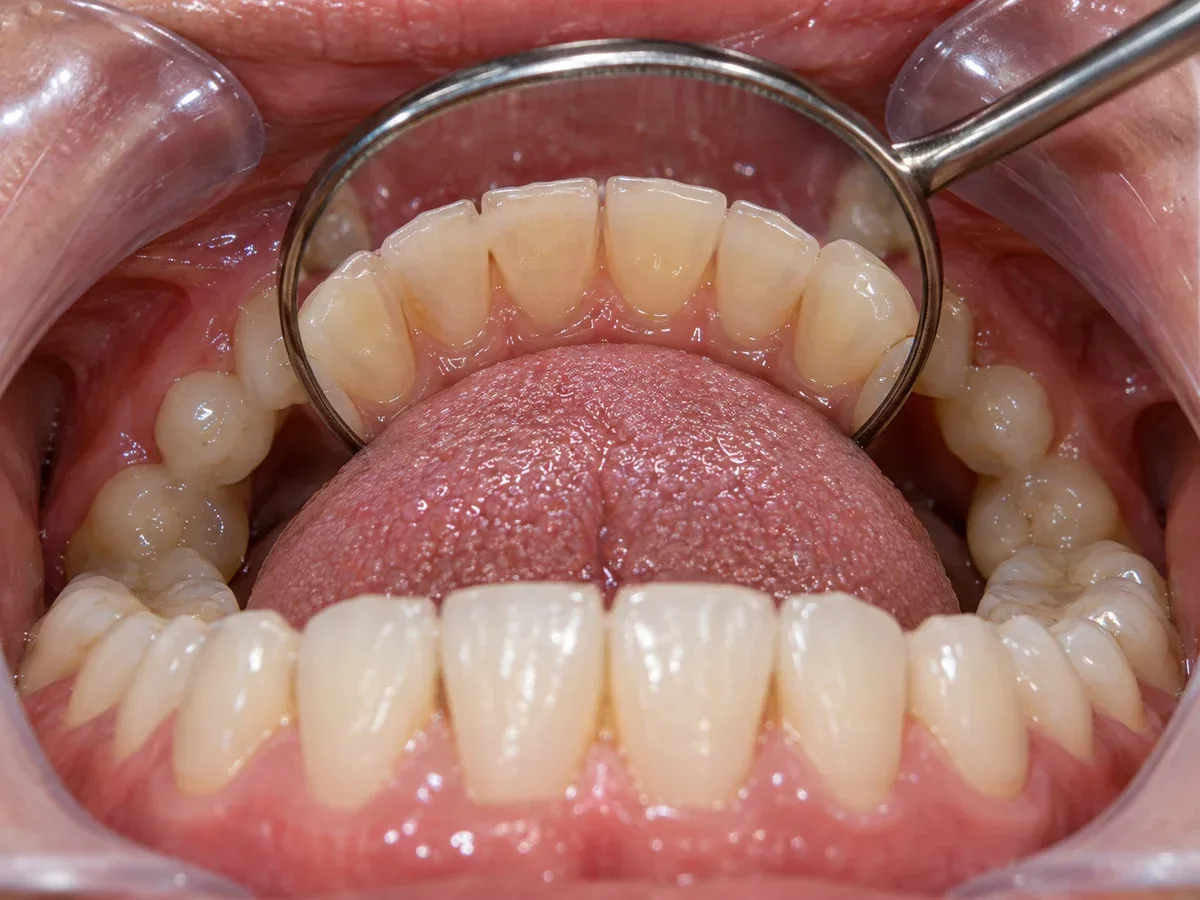
- The source defines a crown as covering the whole crown of the tooth, the part above the gum, and veneers as thin shells bonded after shaping one or part of a tooth's surfaces.
- In its words, a crown is stronger and more durable, but removes more tooth. Both halves sit in the same sentence.
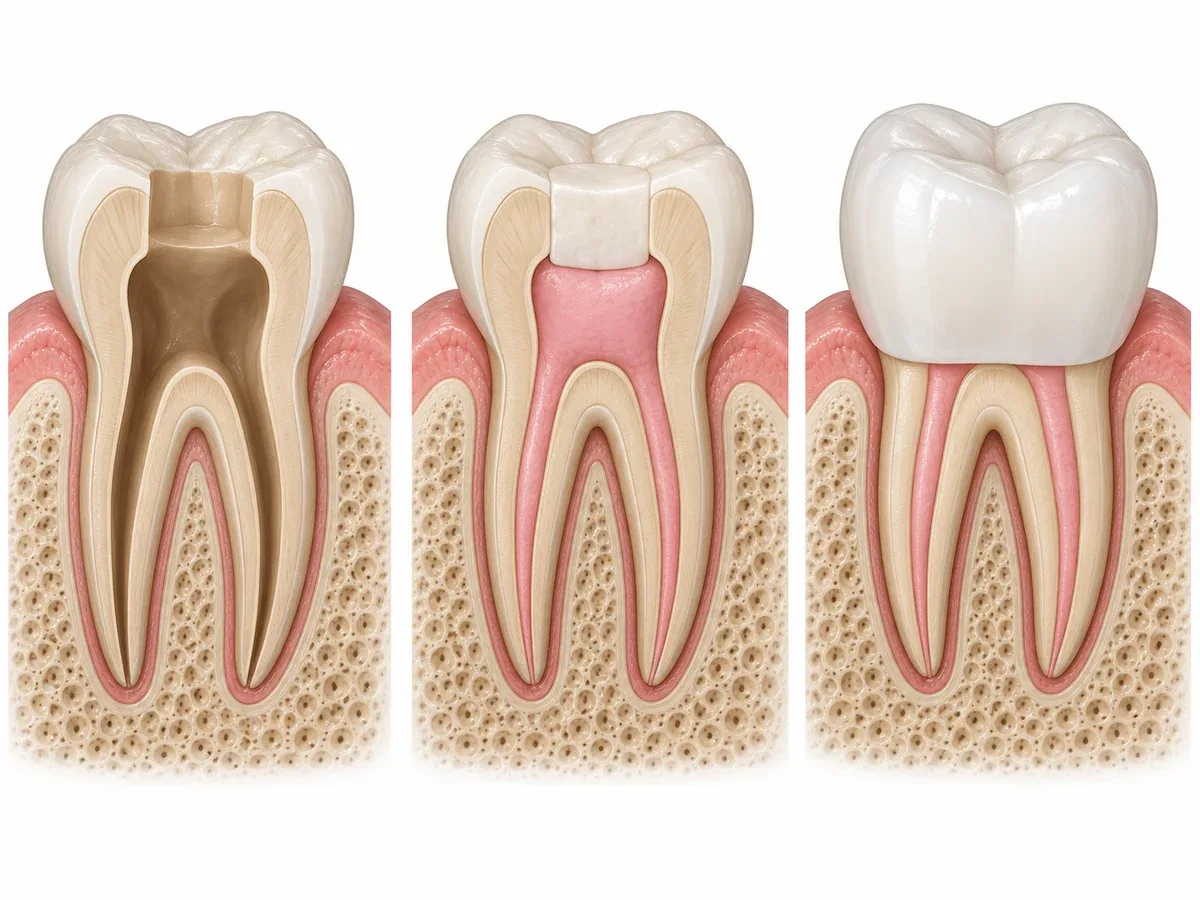
- They are used in different places. Teeth that must bear force, such as after root canal treatment or for a bridge, are listed on the crown side.
- When they break, the fix differs: veneers may be re-bonded or smoothed, while all-ceramic crowns are mostly removed and redone.
At Reset Dental Clinic in Seomyeon, Busan, we hear one question almost every day: what is the difference between veneers and a crown? For patients living in or visiting Korea, we provide 1:1 English interpretation from the first consultation through the end of treatment.
Helpfully, this exact question appears in the FAQ of the KDCA National Health Information Portal article "Laminate Treatment". A separate article, "All-Ceramic Crowns", covers the crown side.
We lay the two side by side and compare them in order. We look at coverage, tooth removed, typical uses and what happens when one breaks.
How much of the tooth do veneers and crowns cover?
Here is the source's answer as written. A restoration placed over a tooth that has been shaped to a narrower form is called a crown, and it involves shaping the whole tooth surface.
This makes it structurally and functionally different from veneers, which are made after shaping one or part of a tooth's surfaces.
The all-ceramic crown article describes the same thing in other words. Among crown treatments that cover the whole crown of a damaged tooth, the type that uses reinforced ceramic with no metal is called an all-ceramic crown.
Even at this point, it is clear the difference is more than a name. One works on a single layer of the front surface; the other wraps the whole visible part of the tooth.
Everything else follows from this difference.
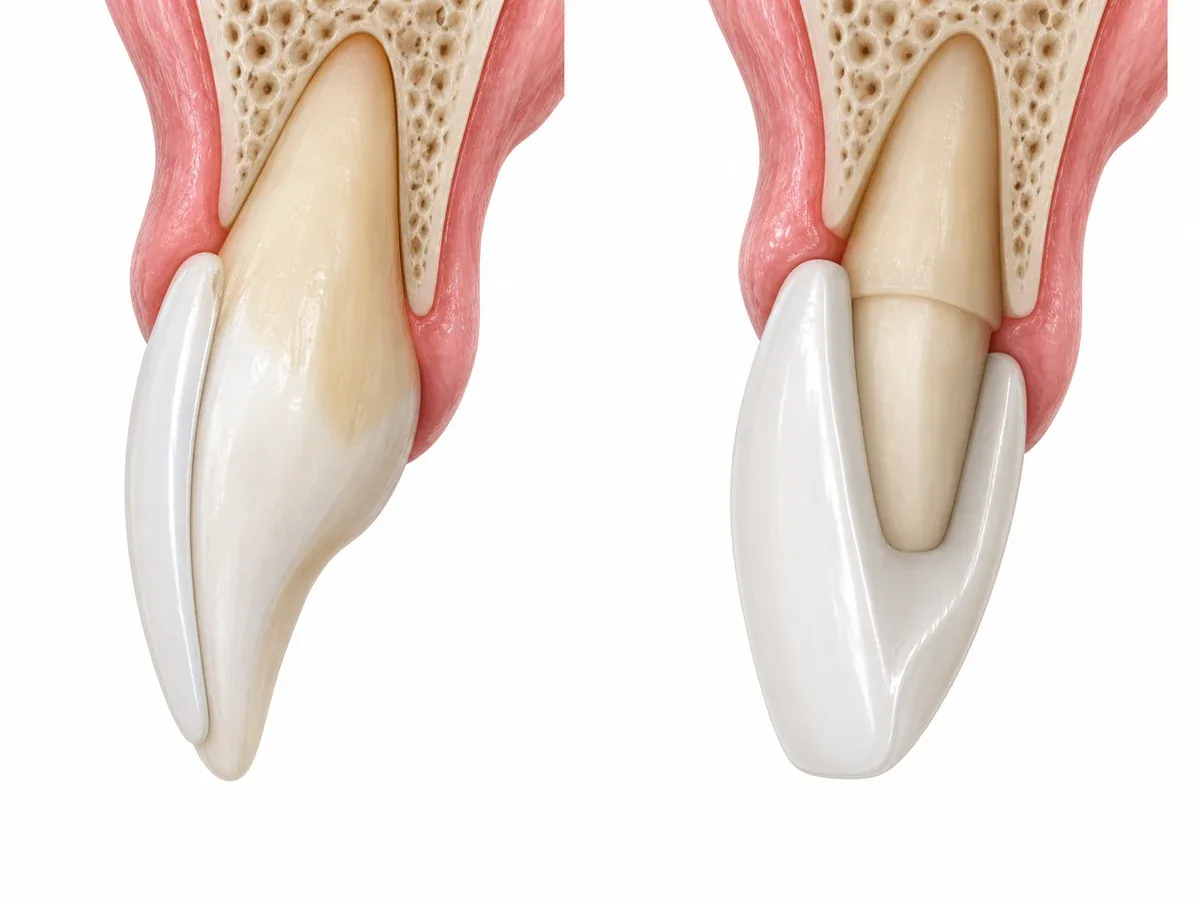
How much tooth is removed, and how much is left?
The source puts the trade-off in one sentence. Because a crown covers the tooth completely, it is stronger and more durable, but it removes more tooth. Reading one half without the other leads to misunderstanding.
The drawbacks in the all-ceramic crown article explain why. The first is that slightly more tooth must be removed than for a metal crown. Behind this is the need for thickness to achieve strength; a thicker cover means more shaping inside.
There are further conditions. The second drawback is that if the tooth is short, there is not enough room, and the crown cannot be made.
| Drawback | What it means |
|---|---|
| More tooth reduction | Slightly more than a metal crown, because thickness is needed for strength |
| Short teeth | Not enough room, so the crown cannot be made |
| Strength versus translucency | Stronger ceramic is less translucent, and more translucent ceramic is less strong |
| Weak bond to cement | When conditions are poor, the crown may come off |
The fourth drawback says high-strength ceramic bonds weakly to dental cement. So when conditions are poor, for example when the crown of the tooth is short, the restoration may come off. The source itself shows why a crown is not automatically the safer choice.
There is a reason we spend time on this in the clinic. Tooth structure that is removed does not come back.
What you can do ten years later, when a restoration needs replacing, depends on how much tooth you keep today. The amount removed also changes how the tooth feels afterward.
The dentin hypersensitivity article says that when enamel thins and dentin is exposed, outside stimuli reach the nerve and cause sensitivity. That is why we mention, for both treatments, that teeth may feel sensitive for a while.
So before starting, one question sums it up: how deep will today's shaping go?
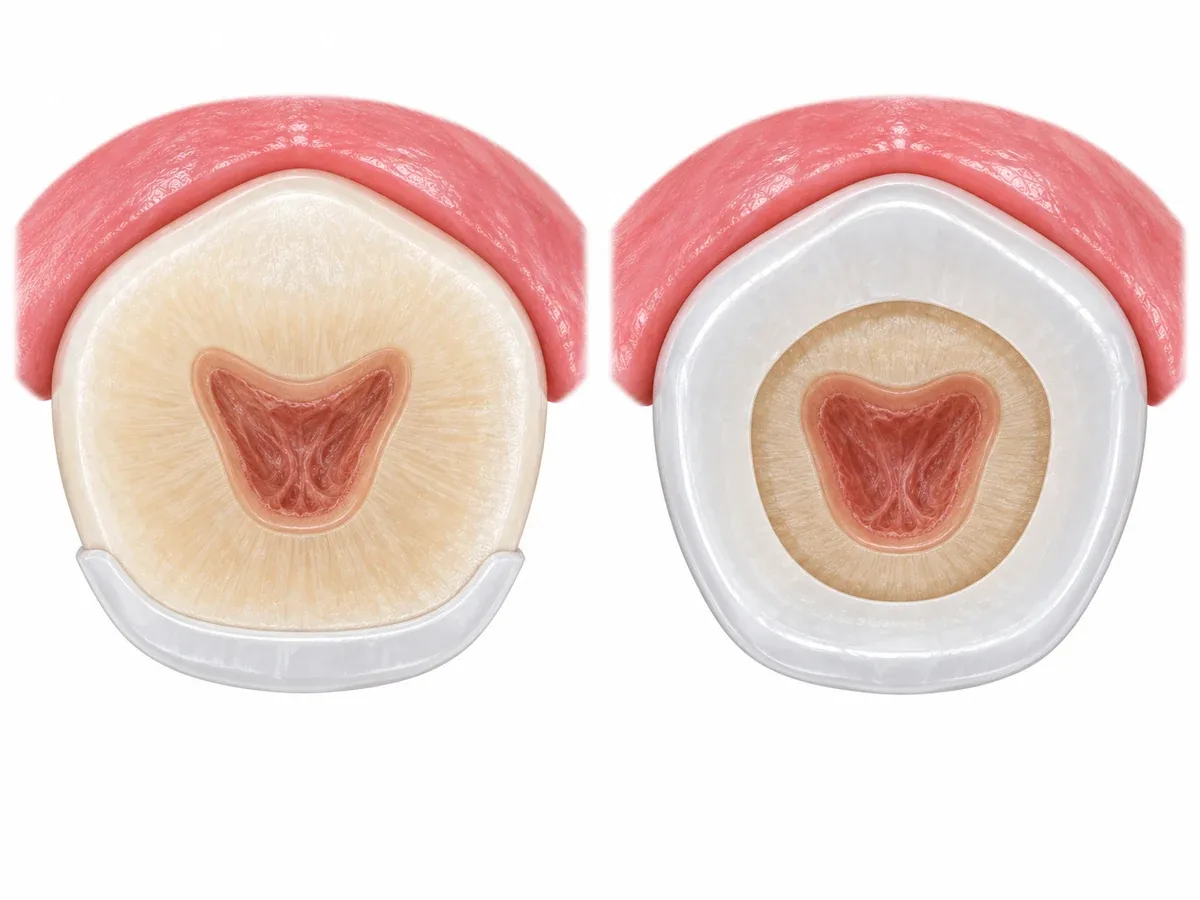
Where are veneers and crowns each used?
Setting the uses listed in the two articles side by side makes their character clear. The laminate article lists these uses for veneers:
- gaps between teeth
- discoloration, present from birth or acquired later
- decay in a small area
- mild problems with tooth position
- small or unusually shaped teeth
- fractures at the tip of a tooth
All of these are problems that can be solved at the front surface.
The all-ceramic crown article has a different feel. It groups its uses like this:
- Restoring damaged teeth: decay, heavy wear or attrition from grinding, fractures, and protecting a tooth from fracture after root canal treatment
- Replacing missing teeth: bridges over a gap
- Reshaping teeth: closing gaps between front teeth, slightly uneven alignment, discoloration, and unusual shape or size
You can see where the two overlap. Discoloration and gaps appear in both lists, so in these cases a choice has to be made.
The laminate article gives one guide for that choice. When teeth are severely out of position, it recommends crowns or orthodontic treatment.
Where they do not overlap, the picture is even clearer. Teeth after root canal treatment, teeth that anchor a bridge and badly broken teeth appear nowhere in the laminate article.
The root canal article, too, recommends a crown after treatment to keep the tooth from splitting. A tooth that must bear force needs to be wrapped.
How are veneers and crowns held in place?
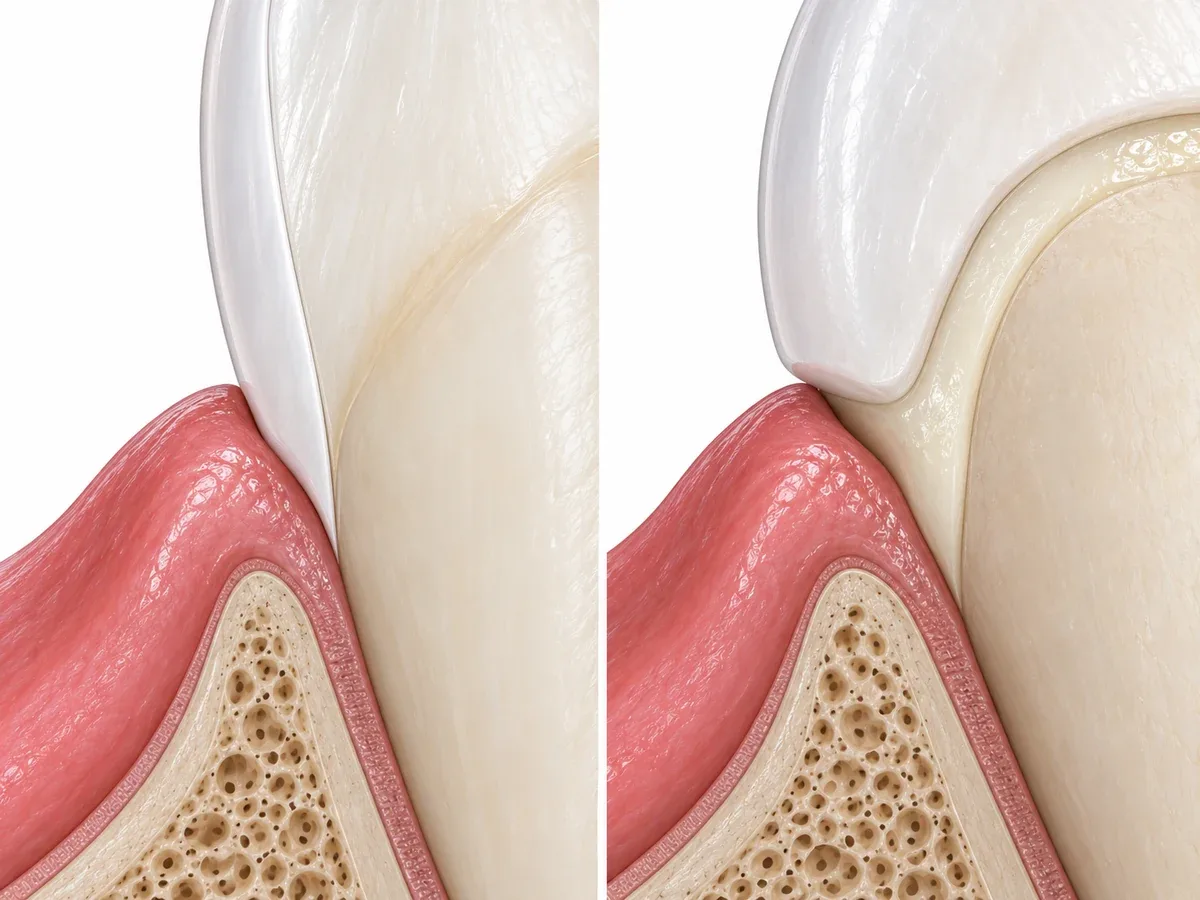
There is one more difference that is easy to miss. The source says veneers have fewer adhesive options than other restorations.
Resin-based adhesives are mostly used. To keep the look natural, the adhesive is clear or lightly colored.
A thin shell lets light through, so the color of the bonding layer beneath shows through as well. A crown that wraps the whole tooth hides its inside, so there is a wider choice of cementing materials.
Even the way they are attached reflects the character of each treatment. Veneers are bonded, while an all-ceramic crown is fitted with dental cement.
Where the bond sits differs too. Veneers bond to the enamel surface.
The laminate article's history explains this. Porcelain veneers were introduced once it became known that etching the inside of porcelain and bonding it with resin cement makes the bond stronger. For veneers, the bond is what holds everything in place.
What happens when veneers or crowns break?
Neither lasts forever. So what happens when something goes wrong is, in practice, the more important difference.
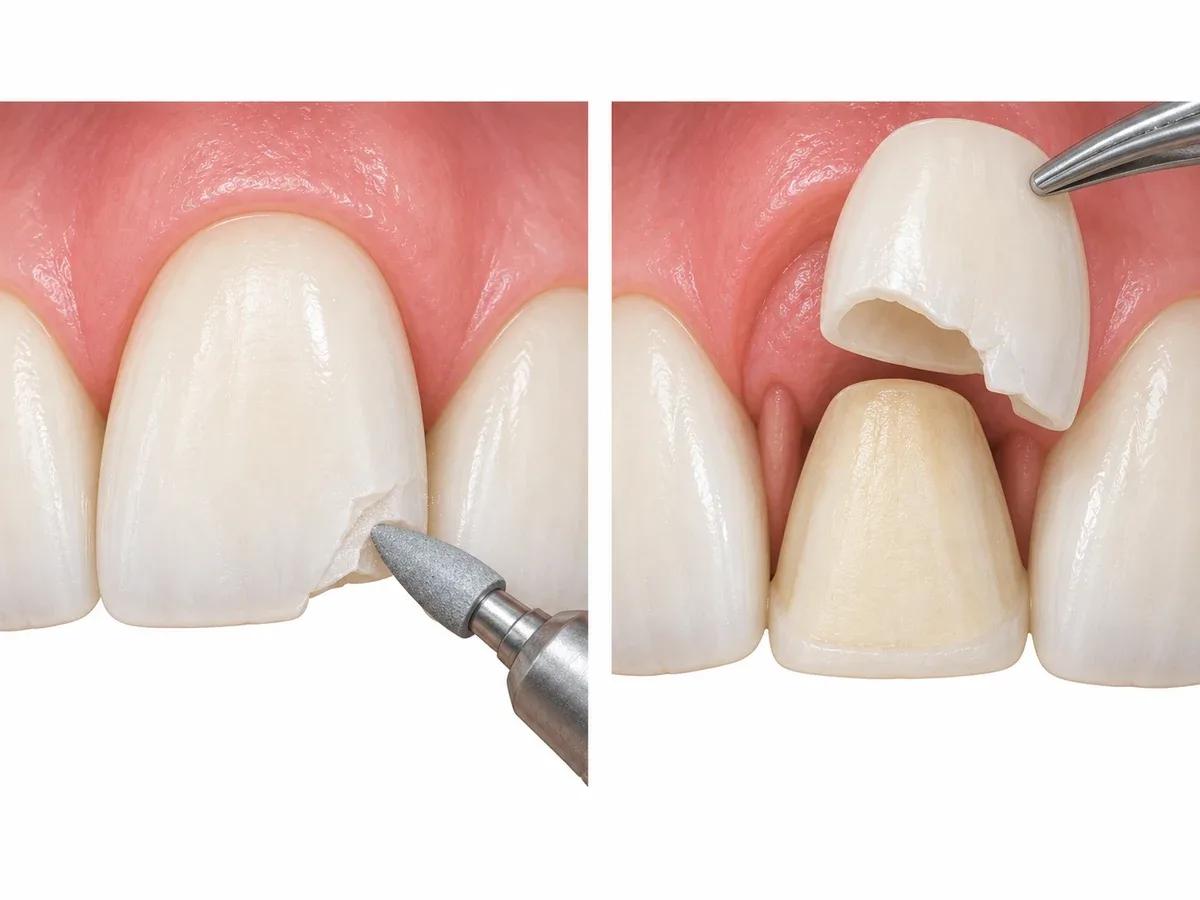
The laminate article says that if a veneer simply comes off and there is no decay, it can be bonded again. If the porcelain chips but the damage is small and does not greatly affect looks or function, it can be smoothed and kept in use. If the damage is severe, a new one is the better choice.
The FAQ in the all-ceramic crown article reads differently. Asked whether a partly damaged crown must be fully removed and redone, it answers that in most cases, the crown must be fully removed and redone. It adds that very small damage can rarely be smoothed or repaired with resin.
Another FAQ covers grinding down a crown that looks larger than the natural teeth around it. A crown thinned by grinding breaks more easily, and because the safe thickness is hard to know, a hole can form; then a new crown is needed.
| Situation | Veneers | All-ceramic crown |
|---|---|---|
| Comes off whole | Can be bonded again if there is no decay | Listed as a possible drawback when conditions are poor |
| Small chip | Can be smoothed and kept | Rarely smoothed or repaired with resin |
| Larger damage | A new one is recommended | Mostly removed and redone |
| Grinding it thinner | Not described | Breaks more easily; a new one may be needed |
Here are the lifespan statements, side by side. For veneers, the source first says the average period of use is hard to state, then gives around 5 to 10 years with proper care.
For all-ceramic crowns, it cites about 10 years in the literature. It notes that this varies a lot with the tooth's condition before treatment, oral hygiene, eating habits and upkeep.
It is hard to rank the two numbers against each other, because the sources attach conditions to both.
How do we compare veneers and crowns for patients in Busan?
This table lines up what the two articles say, point by point.
| Point | Veneers | All-ceramic crown |
|---|---|---|
| Coverage | One or part of a tooth's surfaces | The whole crown of the tooth |
| Tooth removed | Minimal shaping of the enamel surface | The whole tooth surface, slightly more than a metal crown |
| Strength | Relatively weaker, attached to part of the tooth | Stronger and more durable |
| Typical uses | Discoloration, gaps, small teeth, tip fractures | Protection after root canal treatment, bridges, large fractures and wear |
| When it is not possible | Severely misplaced position or alignment | A short tooth with too little room |
| How it is attached | Limited to resin-based adhesives | Fitted with dental cement |
| If part breaks | Re-bonding or smoothing may be possible | Mostly removed and redone |
| Lifespan in the sources | Hard to state; around 5–10 years | About 10 years in the literature |
No side wins every row. Where strength is needed, wrapping fits; where there is more tooth to keep, covering fits.
Choosing is less about ranking and more about checking which row your tooth fits into. For either option, the all-ceramic crown article lists a long set of checks before treatment.
- oral hygiene and gum disease
- the bite, including unusual biting pressure and the distance between upper and lower teeth
- the material of the opposing tooth, the tooth it bites against
- whether the nerve of the tooth is alive, by a pulp vitality test
- X-rays, a diagnostic model, and photos of the mouth and face
The laminate article also says a diagnostic model is used to judge whether veneers are possible or a crown is needed.
Can a crown later be changed to veneers? That is difficult. Once the whole tooth surface has been shaped, there is no surface left for a restoration that covers just the front, so the order runs in one direction.
Can the two be mixed in one mouth? The sources do not rule it out, and in practice it is sometimes the plan. But the two materials pass light differently, so matching color and thickness on side-by-side front teeth takes more care.
Aftercare overlaps a great deal. The two articles advise the following:
- avoid putting heavy force on very hard foods
- brush properly and have regular scaling
- consider a protective appliance if you grind or clench at night
- tell the hygienist about veneers before scaling, because ultrasonic scalers can damage porcelain
Frequently asked questions
Isn't a crown better than veneers because it is stronger?
The source does say a crown is stronger and more durable. But the same sentence says it removes more tooth, and the source also notes it cannot be made on a short tooth and may come off when conditions are poor. Strength comes at a cost in tooth structure.
Will a crown make my gums look dark?
The all-ceramic crown article lists the opposite as a strength. With no metal, it does not discolor the gums or cause a dark line at the gum edge. Bacteria also stick less to its smooth surface, lowering the risk of secondary decay and harm to gum tissue.
I heard ceramic breaks easily. Is that true for veneers and crowns?
It depends. The source says high-strength ceramic is less translucent and highly translucent ceramic is less strong, and a sudden bite on something hard can break it. It also says using high-strength ceramic alone lowers the risk of partial fracture compared with older porcelain, naming zirconia and lithium disilicate as the main materials.
Can I get veneers or a crown in English in Busan?
Yes. We offer 1:1 English interpretation from the first consultation through the end of treatment. The clinic is near Seomyeon Station Exit 2 (5-min walk), opposite Lotte Hotel Busan, and you can call 010-8555-2854 (+82-10-8555-2854 from abroad).
It is not a difference in name,
but in how much of the tooth is covered.
The source says a crown is stronger and more durable,
and in the same breath, that it removes more tooth.
How much tooth is there to keep,
and does that spot have to bear force?
Check those two things first.
If you are comparing veneers and crowns in Busan, we offer 1:1 English interpretation from your first consultation through the end of treatment. Call 010-8555-2854 to book a consultation.
References
- KDCA National Health Information Portal, "Laminate Treatment" — the definition (minimal shaping of the enamel surface, a thin 0.5–1.0 mm shell); the FAQ answer that crowns involve shaping the whole tooth surface and are stronger and more durable but remove more tooth; limited adhesive options, mainly clear or lightly colored resin-based adhesives; the stronger bond from etching porcelain and bonding with resin cement; six uses and the recommendation of crowns or orthodontics for severe misalignment; re-bonding and smoothing small chips; care with hard foods and ultrasonic scalers; a use period of around 5–10 years
- KDCA National Health Information Portal, "All-Ceramic Crowns" — the definition as a crown of reinforced ceramic without metal; no gum discoloration, good biocompatibility and lower risk of secondary decay; drawbacks (more tooth reduction than metal, not possible on short teeth, the strength–translucency trade-off, possible loss when conditions are poor); uses; pre-treatment checks; zirconia and lithium disilicate as main materials; the FAQ that damaged crowns are mostly removed and redone; 1–3 weeks and 1–3 visits; a lifespan of about 10 years in the literature; aftercare and appliances for grinding
- KDCA National Health Information Portal, "Root Canal Treatment" — removing infected pulp and sealing the canals, and the recommendation of a crown to keep the treated tooth from splitting
- KDCA National Health Information Portal, "Dentin Hypersensitivity" — how thinning enamel and exposed dentin let stimuli through and cause sensitivity
Written by Reset Dental Clinic Support Team
Medical review Dr. Kim Hyun-joo, Head Dentist · Esthetic Restorations
Last updated: September 19, 2026
This column is for general information and does not replace diagnosis or treatment for individual patients. If you have symptoms, please see a dentist.