

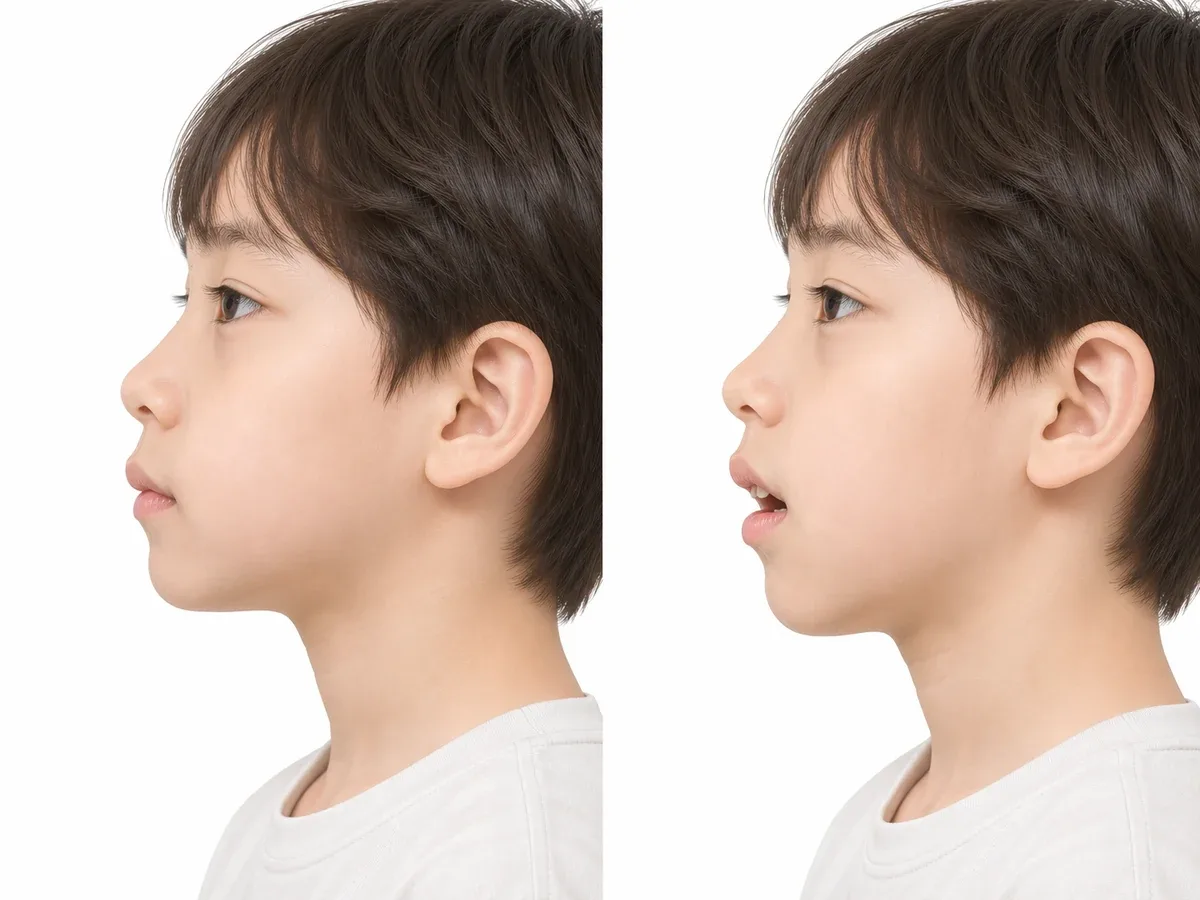
- Korean hospital guides list mouth breathing among the childhood habits that can cause a protruding mouth or make it worse.
- Tooth and jaw size are set by genes, but tooth position can change with habits like tongue thrusting, thumb sucking and mouth breathing.
- Most people who snore or have sleep apnea have a narrowed upper airway. In children, the main cause is enlarged tonsils and adenoids.
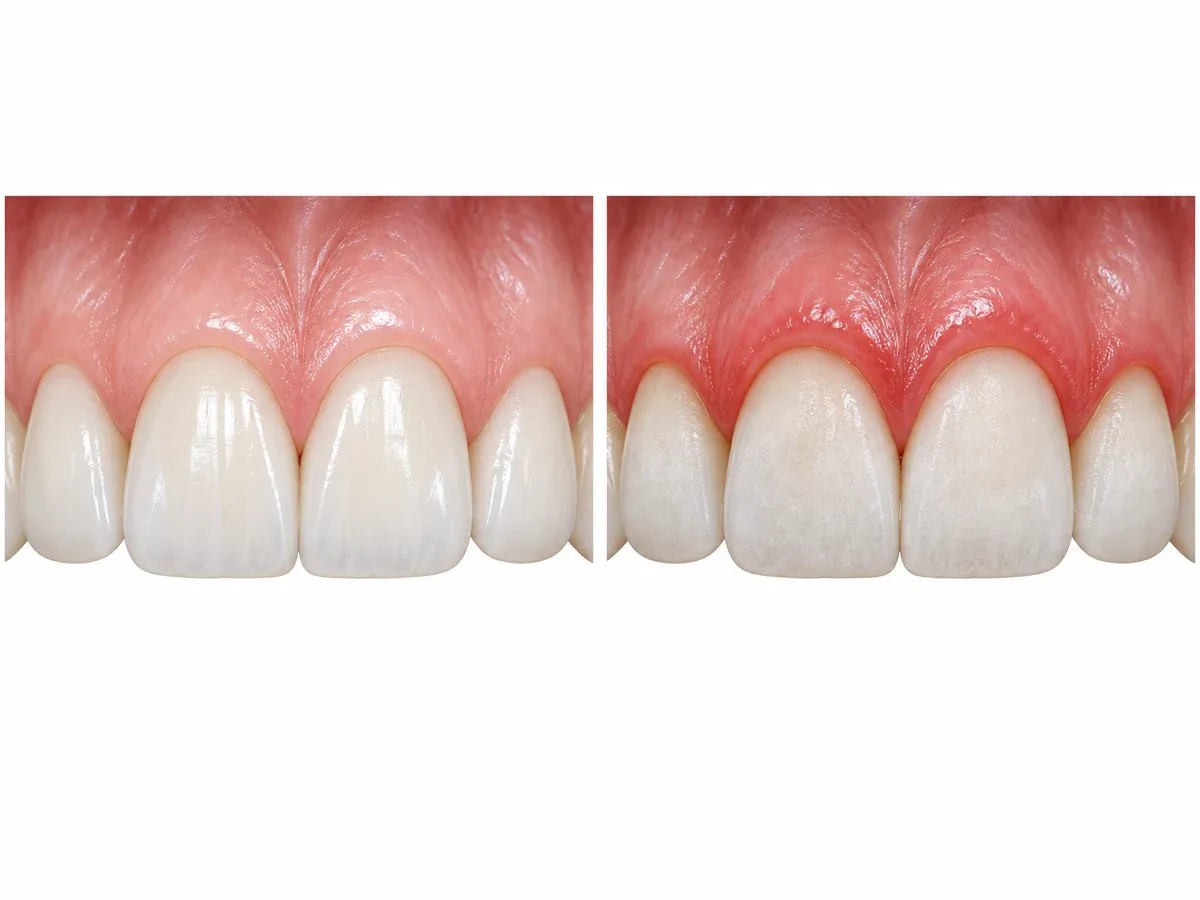
- Less saliva lets cavities and gum disease get worse faster.
At Reset Dental Clinic in Seomyeon, Busan, parents often tell us that their child's mouth is always open. It looks like a small habit, but mouth breathing can be linked to tooth position, sleep and a dry mouth. For patients living in or visiting Korea, we provide 1:1 English interpretation from the first consultation through the end of treatment.
This column follows five health references. Three are from Asan Medical Center in Seoul: its guides to a protruding mouth, dental arch problems and sleep apnea. Two are from the KDCA National Health Information Portal: its guides to dry mouth and to preventing oral disease.
Can mouth breathing really move your teeth?
Asan Medical Center's guide describes a protruding mouth (a Class II malocclusion) as the upper and lower front teeth and gums sitting forward. Genes play a large part. If parents have a protruding mouth structure, their children are more likely to have one too.
Yet the same guide says a protruding mouth can also develop from childhood habits, even with no family history. It lists these habits:
- pushing the tongue forward (tongue thrusting)
- sucking a thumb or finger
- biting the nails or lips
- mouth breathing
According to the guide, these habits can cause a protruding mouth or make an existing one worse. Mouth breathing sits on that list next to the more familiar habits.
Asan Medical Center's guide to dental arch problems follows the same logic. Tooth size and jaw size are decided by genes, so they cannot be changed. But tooth position can change for many reasons, such as frequent tongue thrusting, finger sucking or mouth breathing.
The two guides agree on one clear point. The size of the bones is inherited, but where each tooth stands is shaped by the forces around it. The lips, tongue and cheeks press on the teeth all day long.
| Habit | Protruding mouth guide | Dental arch guide |
|---|---|---|
| Tongue thrusting | Can cause or worsen a protruding mouth | Can change tooth position |
| Thumb or finger sucking | Can cause or worsen a protruding mouth | Can change tooth position |
| Nail or lip biting | Can cause or worsen a protruding mouth | Not listed |
| Mouth breathing | Can cause or worsen a protruding mouth | Can change tooth position |
Tooth size and jaw size are set by genes. Tooth position is not fixed in the same way.
Why do some people start mouth breathing?
Here, the order of cause and effect matters. Sometimes mouth breathing is simply a habit. In other cases, a person breathes through the mouth because breathing through the nose is hard.
Asan Medical Center's sleep apnea guide describes three types: obstructive, central and mixed. The obstructive type is the most common.
The guide says most people who snore or have sleep apnea have an anatomical narrowing of the upper airway. This airway runs from the nasal cavity down to the throat.
Other things can shrink the space inside the throat as well. The guide mentions these:
- fat building up around the neck because of obesity
- enlarged tissues, such as the tongue or the tonsils
- a jaw that is unusually small
- a short, thick neck
For children, the guide is direct. The main cause of snoring and sleep apnea in children is enlarged tonsils and adenoids.
So if a child snores heavily or sleeps with the mouth open, the teeth are not the whole story. The reason may lie further back, in the airway.
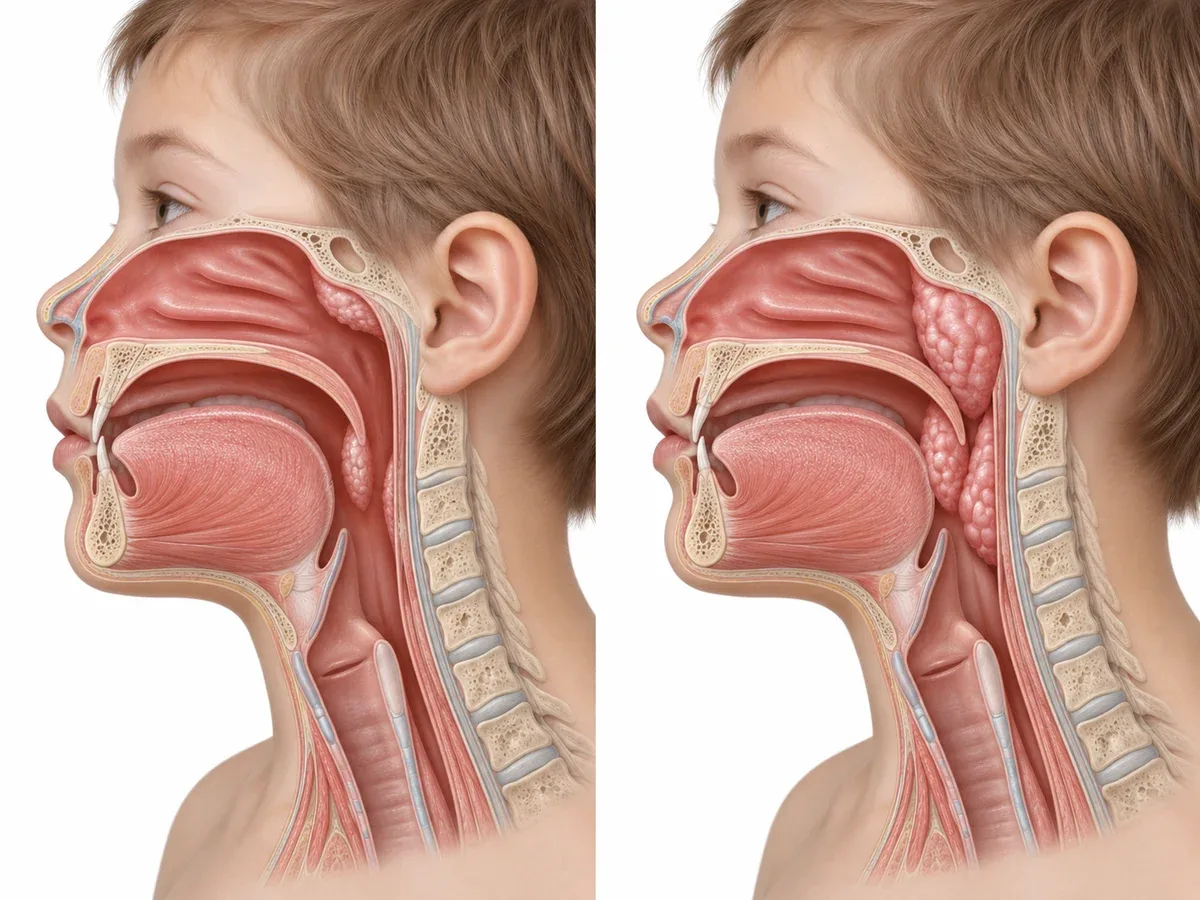
The protruding mouth guide adds one more link. It notes that sleep apnea can occur with a Class II malocclusion or a receding chin.
| Topic | What the guide says |
|---|---|
| Types | Obstructive, central and mixed; the obstructive type is the most common |
| Most patients | The upper airway, from the nasal cavity to the throat, is narrowed |
| Other factors | Neck fat from obesity, an enlarged tongue or tonsils, a small jaw, a short and thick neck |
| Children | The main cause is enlarged tonsils and adenoids |
| During apnea | Blood oxygen levels drop, and the person wakes during sleep to breathe |
What happens when mouth breathing dries the mouth?
Mouth breathing dries the mouth. The KDCA's guide to dry mouth (xerostomia) sets out what happens when saliva decreases.
Swallowing and speaking can become harder. Cavities, bad breath and changes in taste can follow. Above all, less saliva lets cavities and gum disease get worse faster.
Dry mouth does not always come from mouth breathing. The guide names several other causes:
- medication
- radiation therapy
- Sjögren's syndrome
- stress
- aging
That is why the first step is to find out why the mouth is dry. The guide's care advice starts with adjusting any medication that is causing it.
| Step | What it involves |
|---|---|
| Review medication | Adjust the medicine that is causing the dryness |
| Fluoride | Regular fluoride application |
| Check-ups | A dental check-up every 6 months |
| Water | Drink enough fluids |
| Gum | Chew sugar-free gum |
In the treatment room, we often see the same pattern in people with mouth breathing. The outer surfaces of the front teeth tend to look rough, and the gums are often red. Air passes over that spot all day and dries it out.
This is not about lazy brushing. The conditions in that mouth are simply different.
| Area | What the references say |
|---|---|
| Tooth position | Tooth position can change for many reasons, including mouth breathing |
| Sleep | The main cause of snoring and sleep apnea in children is enlarged tonsils and adenoids |
| Dry mouth | Cavities, bad breath and taste changes can follow; less saliva lets cavities and gum disease get worse faster |
Each row comes from a different reference, yet they point the same way. A habit at rest can reach the teeth, sleep and saliva.
What should families in Busan do about mouth breathing?
The steps below follow the references in order. The first job is to separate the causes before changing anything.
Step 1: Separate the causes
Whether the nose is blocked, or the tonsils or adenoids are enlarged, is not something a dentist decides. The sleep apnea guide names enlarged tonsils and adenoids as the main cause in children. So when needed, a check with the relevant medical department comes first.
This is also why telling a child to keep the mouth closed may not work. Practice makes sense when the child can breathe through the nose. If the nose is blocked, forcing the lips shut just makes things hard for the child.
Step 2: Correct habits early
The dental arch guide says habits such as finger sucking, tongue thrusting and mouth breathing should be corrected early. There is more room for change while a child is still growing.
Step 3: Care for a dry mouth
The KDCA guide to preventing oral disease gives clear basics. They matter even more when mouth breathing keeps the mouth dry.
- Brush at least twice a day with fluoride toothpaste, for 2 minutes or more, while looking in a mirror.
- Floss every day. The guide calls it essential.
- If the gum bone has receded and the gaps are wide, add an interdental brush.
- Rinse less after using fluoride toothpaste, which helps it work better.
- After an acidic drink, wait 30 minutes before brushing.
The guide recommends a dental check-up once a year. If you have had dental treatment before, it recommends one every 6 months.
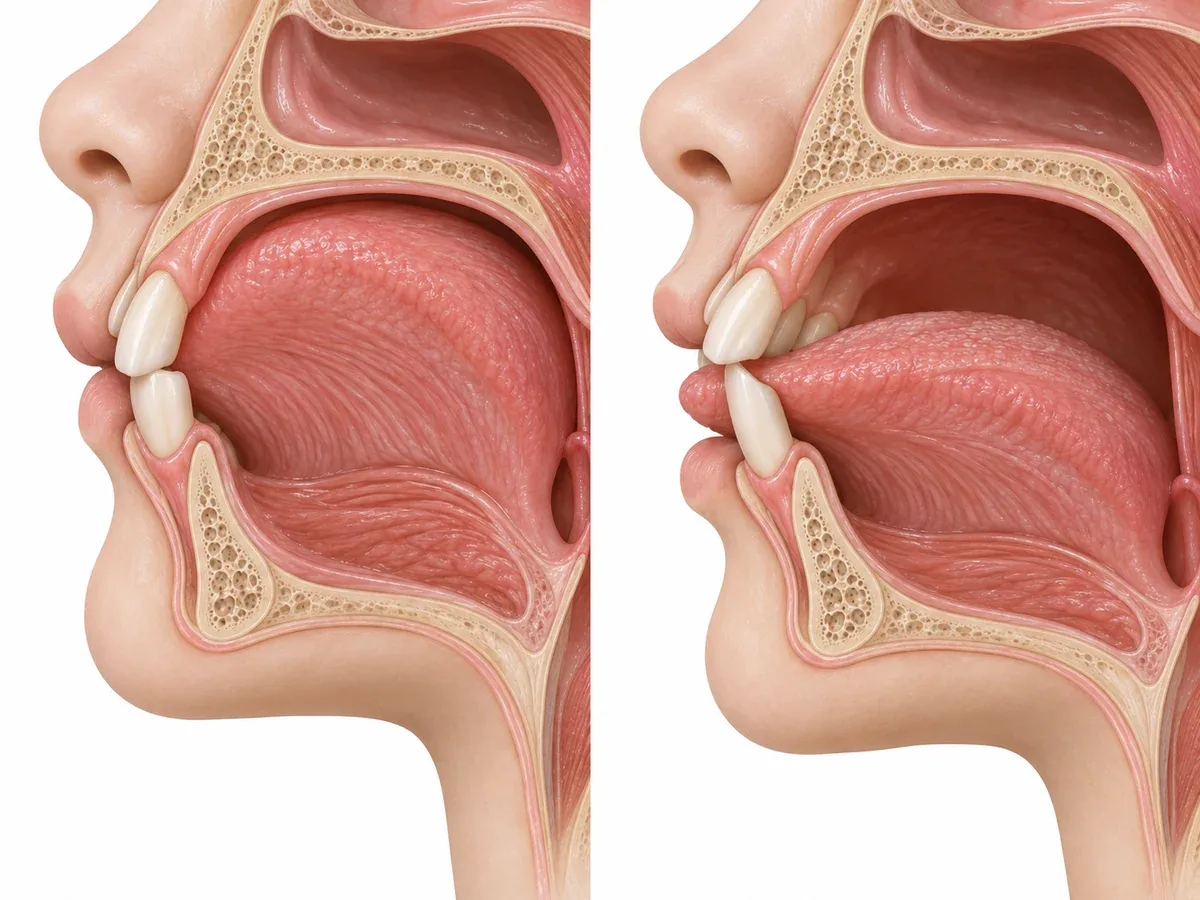
Where the tongue rests also acts as a force on the teeth. That is why tongue thrusting appears next to mouth breathing in both Asan Medical Center guides.
| Order | What to do |
|---|---|
| Separate the causes | For a blocked nose or enlarged tonsils and adenoids, see the relevant medical department first if needed |
| Habits | Finger sucking, tongue thrusting and mouth breathing should be corrected early |
| Brushing | At least twice a day with fluoride toothpaste for 2 minutes or more; flossing is essential |
| Check-ups | Once a year, or every 6 months if you have had dental treatment |
None of this has to happen at once. Start with the cause, then the habit, then daily care.
Does age change what can be corrected?
The habit itself can be adjusted at any age. What habit change cannot do is move bone back once it has set.
The dental arch guide explains the difference by age. Growing teenagers can often finish with orthodontic treatment alone. If jaw growth goes wrong, surgery may be needed in adulthood.
The same guide notes that malocclusion is becoming more common. It links this to cavities and to baby teeth being lost too early.
The protruding mouth guide also gives a simple reference point used in diagnosis. Picture a line from the tip of the nose to the tip of the chin. The lips normally sit 2–4 mm behind that line.
| Stage | Habits | Teeth and jaw |
|---|---|---|
| Growing child or teenager | Should be corrected early | Orthodontic treatment alone can often finish the job |
| Adult who has stopped growing | Can still be adjusted | Skeletal mismatch needs surgery; habits alone will not reverse it |
At a visit, these signs are worth mentioning to the dentist. Each one ties back to the references above.
- the mouth often hangs open at rest
- heavy snoring, or breathing that seems to stop during sleep
- rough front teeth and red gums at the front
- the tongue pressing against the teeth
- a mouth that often feels dry
What can change in your case is decided after looking at diagnostic records. Age is one factor, but the records show the rest.
Frequently asked questions
Does mouth breathing make the face longer?
These references do not say that face length changes. The protruding mouth guide does name mouth breathing as a habit that can cause or worsen a protruding mouth, and the dental arch guide says it can change tooth position. That is as far as the evidence goes, so we will not claim more.
My child snores heavily. Is that a dental problem?
The sleep apnea guide names enlarged tonsils and adenoids as the main cause in children. If snoring is frequent and breathing seems to stop during sleep, see the relevant medical department as well as a dentist. During apnea, blood oxygen drops and the person wakes during sleep to breathe.
Can adults still correct mouth breathing?
The habit can be adjusted at any age. Bone and tooth positions that have already set will not return through habit change alone, and the guide says skeletal mismatch in adults needs surgery. What can change for you is decided after reviewing diagnostic records.
Can I get a mouth breathing check in English in Busan?
Yes. We offer 1:1 English interpretation from the first consultation through the end of treatment. The clinic is near Seomyeon Station Exit 2 (5-min walk), opposite Lotte Hotel Busan, and you can call 010-8555-2854 (+82-10-8555-2854 from abroad).
Mouth breathing is more than a habit to scold.
It can be linked to tooth position,
sleep and a dry mouth.
Find the cause first, then work on the habit.
If you are concerned about mouth breathing in Busan, Reset Dental Clinic offers 1:1 English interpretation from your first consultation through the end of treatment. Call 010-8555-2854 to book a consultation.
References
- Asan Medical Center Disease Encyclopedia, "Protruding Mouth (Class II malocclusion)" — definition of the upper and lower front teeth and gums sitting forward; the strong role of genes; how childhood habits such as tongue thrusting, finger sucking, nail or lip biting and mouth breathing can cause or worsen it; the 2–4 mm lip line used in diagnosis; and the link between Class II malocclusion or a receding chin and sleep apnea
- Asan Medical Center Disease Encyclopedia, "Dental Arch Relationship Problems" — tooth and jaw size are set by genes, while tooth position can change with tongue thrusting, finger sucking or mouth breathing; the rise in malocclusion linked to cavities and early loss of baby teeth; orthodontics for growing teenagers versus surgery in adulthood; and the advice to correct bad habits early
- Asan Medical Center Disease Encyclopedia, "Sleep Apnea" — obstructive, central and mixed types; the narrowed upper airway in most patients; obesity, enlarged tongue or tonsils, a small jaw and a short thick neck as factors; enlarged tonsils and adenoids as the main cause in children; and falling blood oxygen with waking during sleep
- KDCA National Health Information Portal, "Dry Mouth (Xerostomia)" — causes such as medication, radiation therapy, Sjögren's syndrome, stress and aging; symptoms including trouble swallowing and speaking, cavities, bad breath and taste changes; faster progression of cavities and gum disease; and care through medication review, fluoride, 6-month check-ups, fluids and sugar-free gum
- KDCA National Health Information Portal, "Preventing and Managing Oral Disease" — brushing at least twice a day with fluoride toothpaste for 2 minutes or more; flossing and interdental brushes; rinsing less after fluoride toothpaste; waiting 30 minutes after acidic drinks; and check-ups once a year, or every 6 months after treatment
Written by Reset Dental Clinic Support Team
Medical review Dr. Kim Hyun-joo, Head Dentist · Integrated Dentistry Specialist
Last updated: September 19, 2026
This column is for general information and does not replace diagnosis or treatment for individual patients. If you have symptoms, please see a dentist.


