

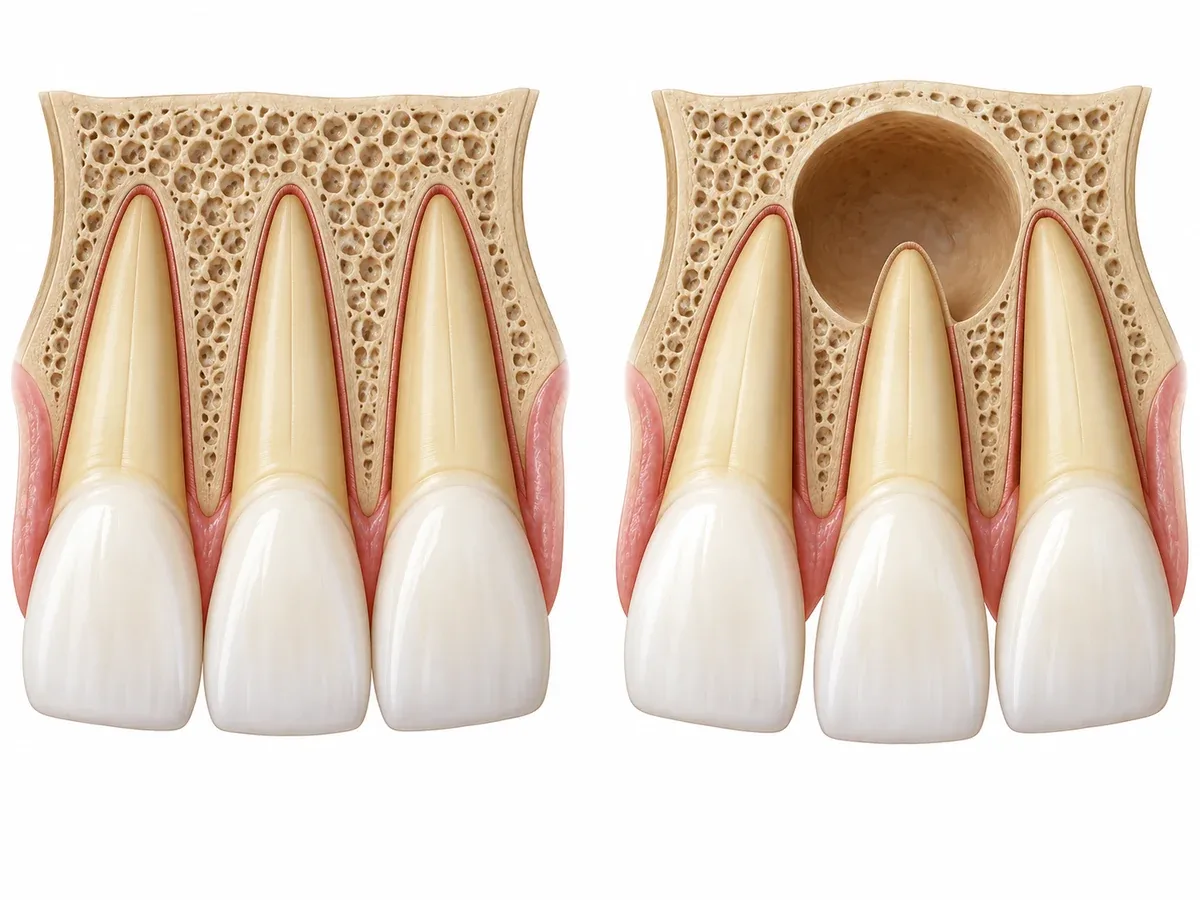
- A tooth cyst at the root tip (radicular cyst) is a fluid-filled sac that forms at the end of a tooth root. It grows out of old inflammation left by deep decay.
- Most cause no symptoms. As a cyst grows, swelling can appear, and the tooth may loosen if bone is lost.
- On an X-ray, it shows as a sac with a clear border hanging from the root tip.
- Treatment combines root canal treatment and removal of the cyst at the root tip.
At Reset Dental Clinic in Seomyeon, Busan, many patients are surprised when an X-ray shows a tooth cyst at the root tip. We offer 1:1 English interpretation for patients living in or visiting Korea, from the first consultation through the end of treatment. This column explains the tooth cyst using public sources from Asan Medical Center and the national health agency (KDCA).
Most of these patients had no pain, and nothing felt wrong. That quiet start is exactly what this condition is known for.
What is a tooth cyst at the root tip?
Dentists call it a radicular cyst. The Asan Medical Center source defines it as a condition in which a fluid-filled sac forms at the tip of a tooth root for various reasons.
The usual cause is severe tooth decay. The damage reaches all the way to the root tip. The inflammation sitting at the root tip then turns into a cyst.
So a tooth cyst is not a separate lump that appears out of nowhere. It is old inflammation that has changed its shape.
The source on periapical abscess, an infection around the root tip, describes the same course. A sac-like cyst can form at the root tip. Because the cyst destroys the surrounding bone as well as the root, it should be treated early.
We can trace the story back one step further. The source on acute pulpitis says that untreated inflammation of the pulp, the soft tissue inside the tooth, spreads to the membrane around the root.
From there, it can cause acute inflammation around the root tip (acute apical periodontitis) and gum disease. Treatment may then take longer.
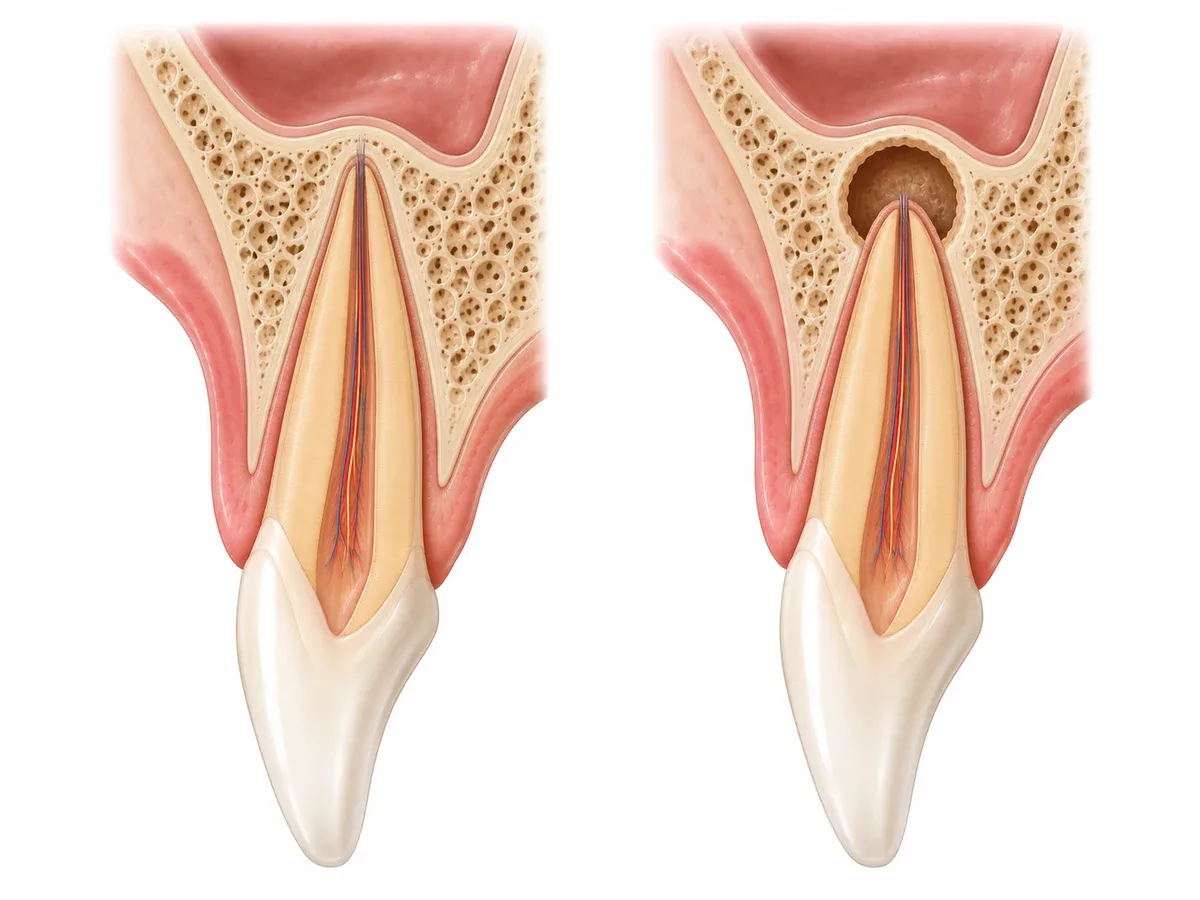
Put together, the sources describe a chain of events:
- Tooth decay becomes severe and damages the tooth down to the root tip.
- The pulp inside the tooth becomes inflamed.
- Inflammation spreads to the tissue around the root tip.
- That inflammation turns into a fluid-filled sac, a tooth cyst.
| Stage | What the sources say |
|---|---|
| Tooth decay | Severe decay damages the tooth down to the root tip |
| Pulp inflammation | Untreated pulpitis spreads to the membrane around the root |
| Root tip inflammation | It can cause acute apical periodontitis and gum disease, and treatment may take longer |
| Cyst | The inflammation at the root tip turns into a cyst, which also destroys the surrounding bone |
Acute pulpitis itself has two main causes in the source. One is bacterial infection of the pulp from tooth decay. The other is injury to the tooth.
Why do most people not notice a tooth cyst?
The symptom section of the source is short. Most radicular cysts cause no symptoms.
As the cyst grows, swelling can appear. If the cyst dissolves bone, the tooth may become loose. The cyst can also expand into the bone.
The section on the natural course repeats the same point. A tooth cyst often stays almost silent, or sits there without growing. But once it grows larger, it usually dissolves the bone around it.
If the cyst grows because of irritation, the area can swell badly. Bone can be lost, and the tooth may start to move.
Here is what the sources list as possible changes when a cyst grows:
- swelling of the area
- loss of the surrounding bone
- a loose tooth
- the cyst expanding into the bone
There is another reason for the silence. When the nerve inside a tooth has already died, no pain signal is sent at all.
This links to the source on tooth decay. It notes that at the stage of pulp necrosis, when the pulp has died, the tooth does not respond to sensitivity tests.
That is why a tooth cyst is usually found by chance. It tends to show up on an X-ray taken for some other reason.
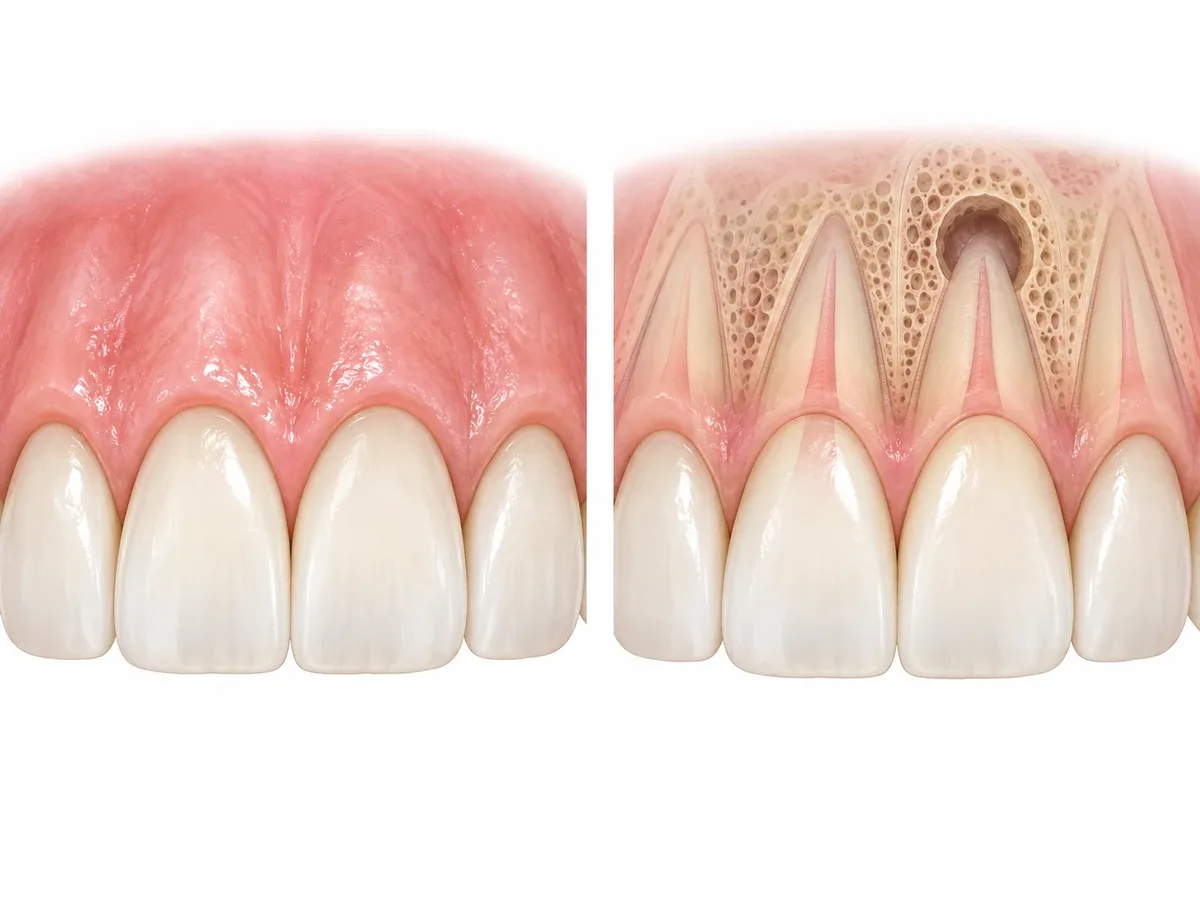
A quiet tooth is not always a healthy tooth. Feeling no pain simply means the tooth is not sending a signal.
How is a tooth cyst found in Busan dental clinics?
The answer is simple: with an X-ray. The source says that an X-ray shows a sac with a clear border hanging from the root tip.
A periapical abscess is also diagnosed with X-rays. In most cases, the inflammation is found at the root tip.
The source on acute pulpitis likewise says that an X-ray is used to check the condition of the root canal. All three problems sit in places you cannot see from the outside.
So imaging is at the center of diagnosis. You cannot see a tooth cyst in a mirror.
This is one reason a panoramic X-ray is taken at regular checkups. A condition that causes no pain often shows up on an image first.
| Condition | How it is diagnosed | What is seen |
|---|---|---|
| Radicular cyst (tooth cyst) | X-ray | A sac with a clear border at the root tip |
| Periapical abscess | X-ray | Inflammation, usually at the root tip |
| Acute pulpitis | X-ray | The condition of the root canal |
If your dentist mentions a shadow or sac at a root tip, ask to see the image together. Looking at it side by side makes the explanation much easier to follow.
How is a tooth cyst treated?
The source says a radicular cyst is treated with root canal treatment plus a procedure to remove the cyst at the root tip.
The fact that both steps are included matters. If the infection inside the tooth is not cleared, the cyst can come back even after it is removed.
The KDCA explains root canal treatment as removing the infected pulp, cleaning the inside and sealing it. If that does not work, the next step is surgery, such as apicoectomy (removing the root tip) or intentional replantation.
The periapical abscess source agrees. If symptoms continue despite root canal treatment, an apicoectomy is done.
The same source adds another case. Toxic products from bacteria can spread and cause granulation tissue, a kind of inflamed tissue, to grow on the root. An apicoectomy is needed then as well.
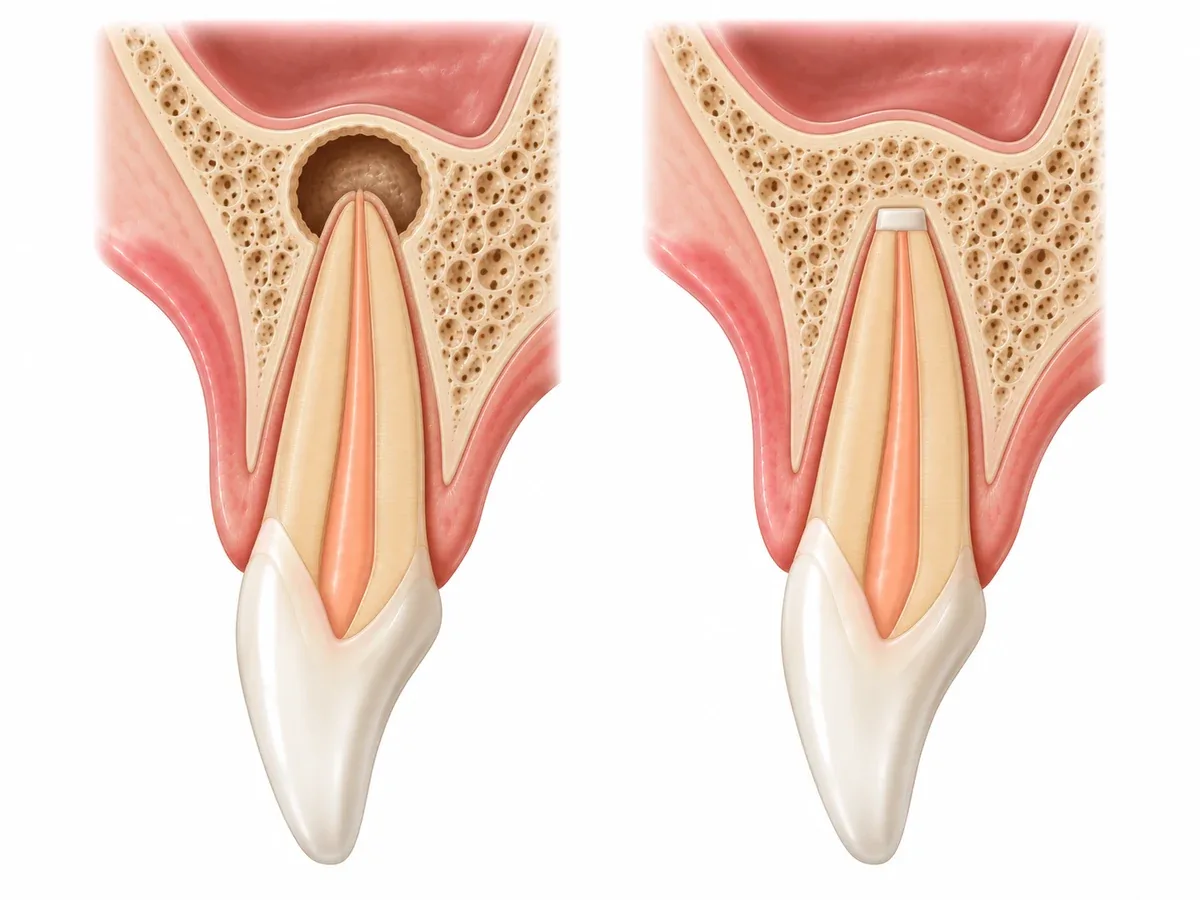
In broad steps, the treatment described in the sources looks like this:
- An X-ray confirms the sac at the root tip.
- Root canal treatment removes the infected pulp, cleans the canal and seals it.
- The cyst at the root tip is removed.
- If symptoms continue, surgery such as apicoectomy is considered.
- After treatment, a crown is recommended to keep the tooth from cracking.
The last step comes from the KDCA source. After root canal treatment, it recommends a crown to prevent the tooth from splitting.
What should you do during tooth cyst treatment?
The source gives two cautions. First, root canal treatment may not finish in one day.
Second, chewing hard food on the side being treated can break the tooth.
The periapical abscess source gives the same advice. Treatment is hard to finish in one visit, so you should keep coming until it is complete. Until then, avoid chewing on that side.
A tooth with its canal emptied is like a hollow pillar. It is at its weakest between the end of treatment and the day the crown goes on.
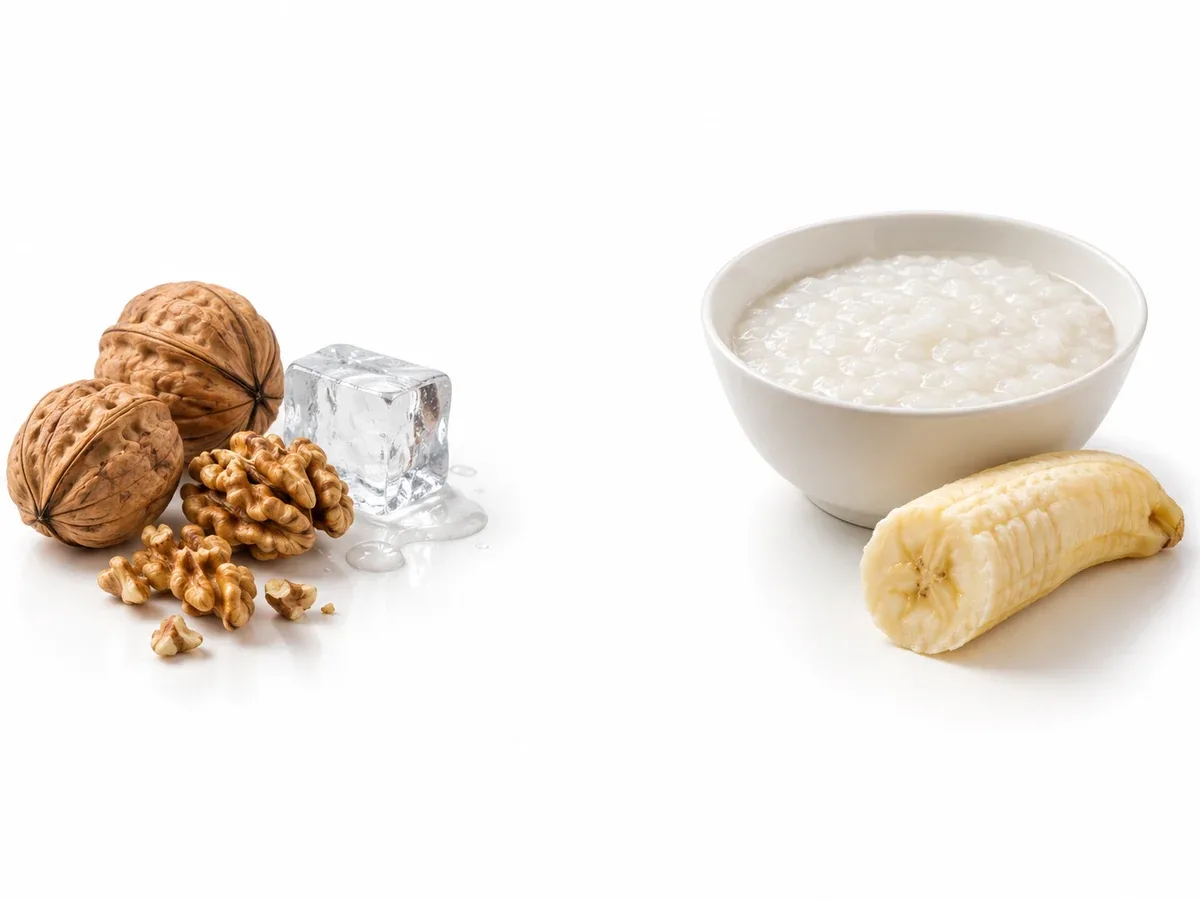
Here is a simple checklist for the treatment period:
- Expect more than one visit for the root canal treatment.
- Keep every appointment until the treatment is complete.
- Do not chew hard food on the treated side.
- Ask about a crown once the canal treatment is finished.
Stopping halfway goes against this advice. If you are visiting for a short stay, tell your dentist your schedule at the first visit.
| Topic | Radicular cyst source | Periapical abscess source |
|---|---|---|
| Diagnosis | An X-ray shows a sac with a clear border at the root tip | Diagnosed by X-ray; inflammation is usually found at the root tip |
| Treatment | Root canal treatment and removal of the cyst at the root tip | Apicoectomy if symptoms continue after root canal treatment; extraction if damage is severe |
| Cautions | Treatment may not finish in one day; hard food can break the tooth | Keep coming until treatment is complete; do not chew on that side until then |
When should you see a dentist about a tooth?
A tooth cyst is often silent, but the problems that lead to it are not always silent. The sources describe several warning signs.
The periapical abscess source says the tooth can feel as if it has risen, with severe pain. In the long-lasting (chronic) form, there may be no pain, but a small opening called a fistula forms on the gum.
The KDCA source says root canal treatment is needed in two situations. One is severe pain with cold or hot food. The other is pus that keeps coming back in the gum.
The source on acute pulpitis adds one more point. The condition can develop when the right time for treatment is missed.
| What you notice | What the source links it to |
|---|---|
| A tooth that feels raised, with severe pain | Periapical abscess |
| A small opening (fistula) on the gum, without pain | Chronic periapical abscess |
| Severe pain with cold or hot food | A sign that root canal treatment is needed |
| Pus that keeps returning in the gum | A sign that root canal treatment is needed |
| Swelling or a loose tooth | A tooth cyst that has grown |
Can it also appear in a tooth that already had a root canal? Yes. The abscess source says that after root canal treatment, a fracture of the root can be the cause.
Will the bone fill back in after surgery? These sources give no numbers for recovery time or for how much bone returns.
They are clear, though, that the goal is to remove the infection and the cyst. Progress is followed with X-rays.
A tooth cyst found early leaves more choices than one found late. If you live in Busan, regular X-ray checkups are the simplest way to catch one.
Frequently asked questions
Can I leave a tooth cyst alone if it does not hurt?
The source notes that a radicular cyst can stay almost silent or remain the same size. It also says that once it grows larger, it usually dissolves the bone around it. The periapical abscess source adds that a cyst destroys the surrounding bone as well as the root, so it should be treated early.
Will the tooth have to be pulled?
The treatment the sources describe is root canal treatment plus removal of the tooth cyst. The periapical abscess source does say that a badly damaged tooth needs extraction. The decision depends on how much tooth structure remains and the condition of the root, so it is made while looking at the X-ray together.
Can I get tooth cyst treatment in English in Busan?
Yes, we provide 1:1 English interpretation from your first consultation through the end of treatment. The clinic is near Seomyeon Station Exit 2 (5-min walk), opposite Lotte Hotel Busan. Call 010-8555-2854 (+82-10-8555-2854 from abroad).
A tooth cyst is old inflammation that has quietly changed shape.
It rarely hurts, so it is usually found on an X-ray.
Treatment clears the infection inside the tooth
and removes the cyst at the root tip.
Has an X-ray shown a tooth cyst, and would you like a second look in Busan? Reset Dental Clinic offers 1:1 English interpretation from your first consultation through the end of treatment. Call 010-8555-2854 to book a consultation.
References
- Asan Medical Center Disease Encyclopedia, "Radicular Cyst" — definition as a fluid-filled sac at the root tip; cause (severe decay damaging the tooth to the root tip, with the inflammation turning into a cyst); mostly no symptoms, swelling as it grows and a loose tooth if bone is lost; a clearly bordered sac on X-ray; treatment with root canal treatment and removal of the cyst; course and cautions during treatment
- Asan Medical Center Disease Encyclopedia, "Periapical Abscess" — a raised-feeling tooth with severe pain; decay spreading to the nerve, and root fracture after root canal treatment, as causes; a gum fistula without pain in chronic cases; diagnosis by X-ray; root canal treatment, extraction when damage is severe and apicoectomy when symptoms continue; granulation tissue and cysts that also destroy surrounding bone
- Asan Medical Center Disease Encyclopedia, "Acute Pulpitis" — inflammation of the pulp inside the tooth that can occur when the right time for treatment is missed; bacterial infection from decay and injury as causes; X-ray check of the root canal; progression to acute apical periodontitis and gum disease if left untreated
- KDCA National Health Information Portal, "Root Canal Treatment" — removing infected pulp, cleaning and sealing the canal; needed with severe pain to cold and hot or recurring gum pus; apicoectomy or intentional replantation if treatment does not work; a crown recommended afterwards to prevent cracking
Written by Reset Dental Clinic Support Team
Medical review Dr. Kim Hyun-joo, Head Dentist
Last updated: September 19, 2026
This column is for general information and does not replace diagnosis or treatment for individual patients. If you have symptoms, please see a dentist.


