

- Trigeminal neuralgia is a sudden, stabbing pain like an electric shock. It lasts seconds to 2 minutes.
- Attacks rarely happen during sleep, unlike pulpitis.
- Eating, washing the face, brushing and talking can set it off.
- It can appear far from where the problem really is.
One side of your face flashes with pain like a bolt of lightning, yet the dentist says your teeth look fine. Some patients visit several clinics with this kind of pain before they reach us in Seomyeon, Busan. At Reset Dental Clinic, you can go through every step with 1:1 English interpretation.
Pain from a tooth and pain from a nerve behave differently, and trigeminal neuralgia is the classic example of nerve pain in the face. This column sets out how to tell them apart.
We use public sources in this column. They are the Asan Medical Center disease encyclopedia entries on trigeminal neuropathy and acute pulpitis. We also use the KDCA National Health Information Portal pages on toothache and chronic pain, and on dental local anesthesia.
What is the trigeminal nerve, and what is trigeminal neuralgia?
The source describes the trigeminal nerve as a cranial nerve. It carries the sense of pain and temperature from the face and head to the brain.
Trigeminal neuropathy is a condition in which this nerve undergoes a disease-related change. It leads to abnormal sensation in the face and weakness of the chewing muscles.
When the main symptom is pain, the condition is called trigeminal neuralgia. The source calls it a relatively common type of cranial nerve pain.
According to the Asan Medical Center entry, it occurs in about 4.5 people per 100,000 each year. It is relatively common in women from middle age onward.
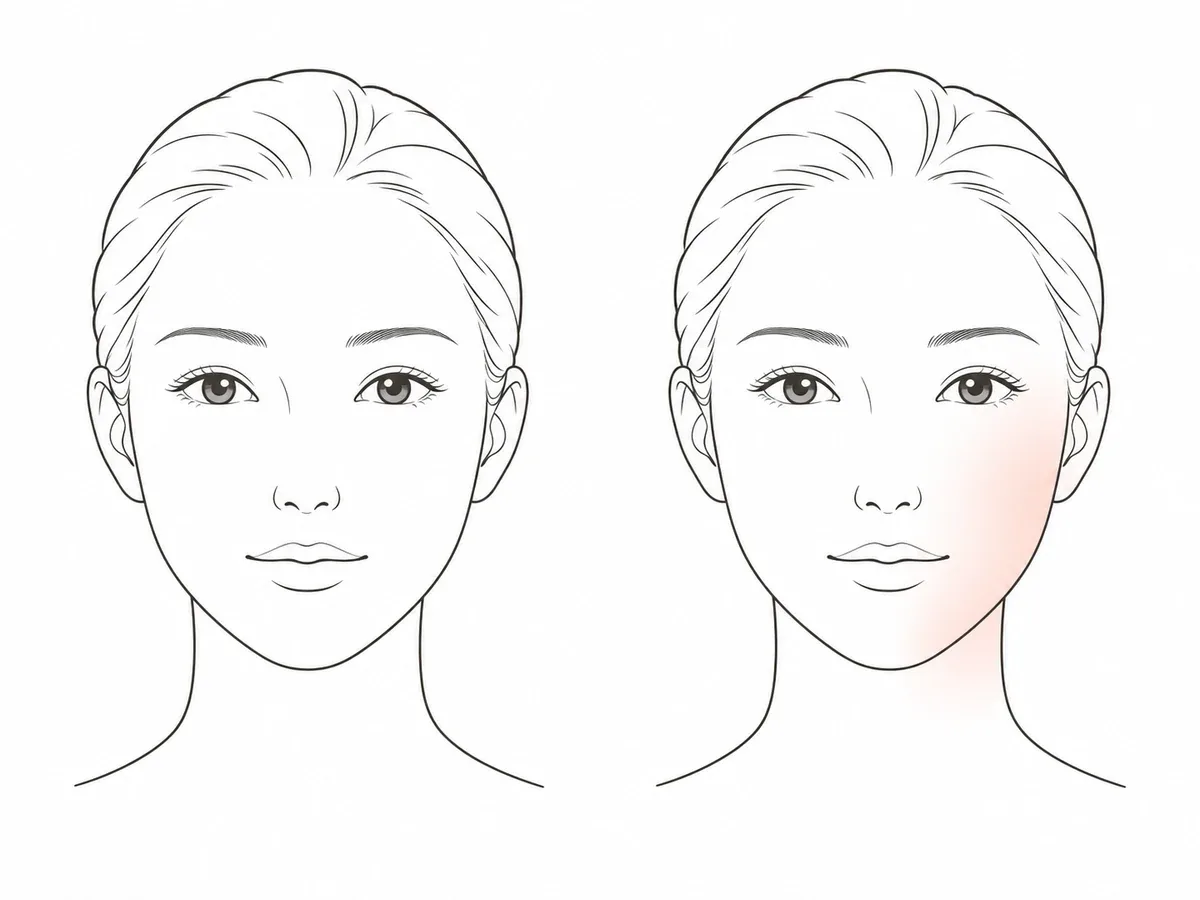
The terms below come up again and again in this column. Knowing them makes it easier to describe your pain to a dentist or doctor.
| Term | What the source says |
|---|---|
| Trigeminal nerve | A cranial nerve that carries pain and temperature sensation from the face and head to the brain |
| Trigeminal neuropathy | A disease-related change in this nerve, causing abnormal facial sensation and weaker chewing muscles |
| Trigeminal neuralgia | Trigeminal neuropathy in which pain is the main symptom |
| Painful tic | A sudden flinch of the face caused by pain that is hard to bear |
| Trigger point | A spot on the face that sets off the pain when touched |
| Acute pulpitis | Inflammation of the pulp inside the pulp chamber of a tooth |
Trigeminal neuralgia is a nerve problem, not a tooth problem. That single fact explains why dental treatment alone may not stop the pain.
What does trigeminal neuralgia feel like?
The source describes the pain in concrete terms. Trigeminal neuralgia usually appears on one side of the face. It mostly affects the areas served by the second and third branches of the trigeminal nerve.
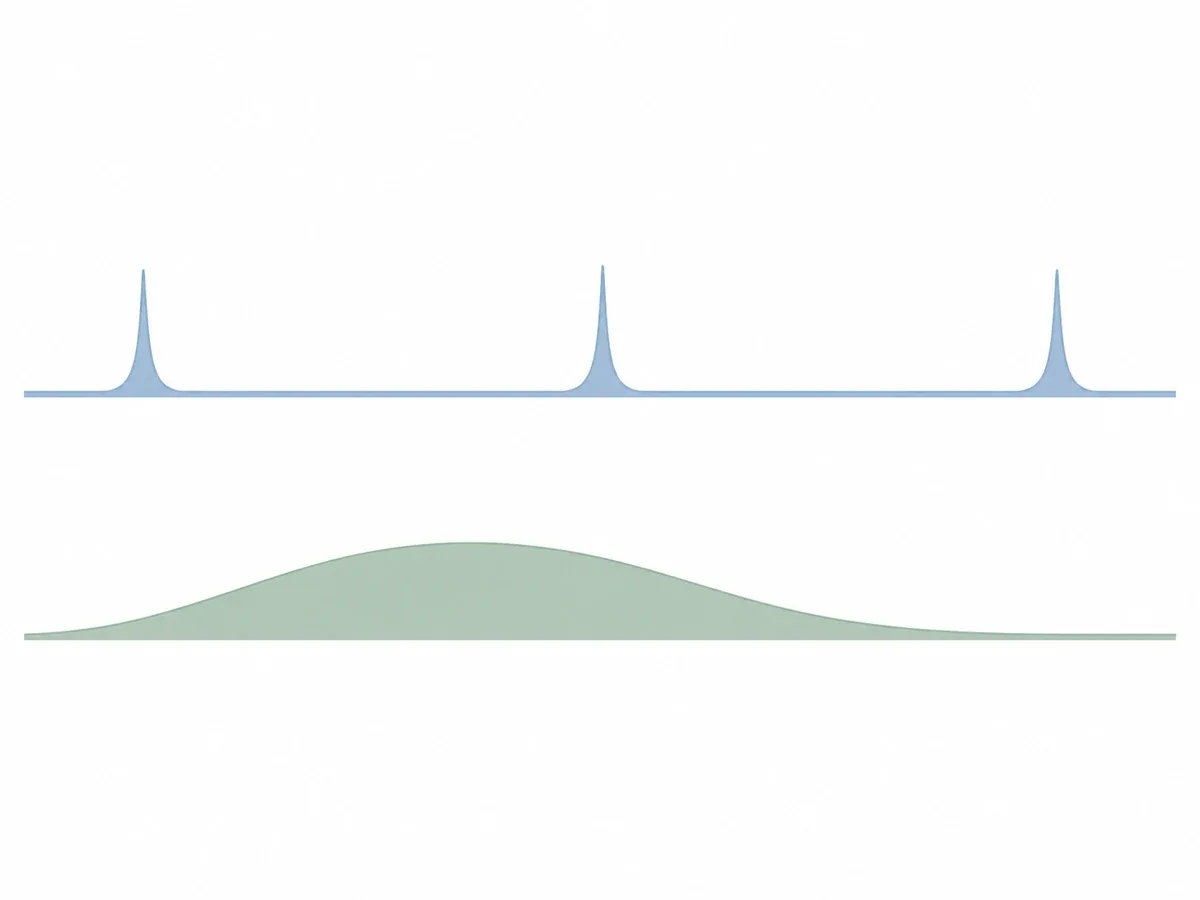
A severe pain, like being stabbed with a sharp awl or a knife, strikes suddenly. It feels like a strong electric current. It lasts from a few seconds to 2 minutes and then eases.
These attacks rarely happen during sleep. This detail is one of the clearest clues that separates nerve pain from tooth pain.
The pain can be so hard to bear that the face flinches for a moment. The source calls this a painful tic.
The pain may come on by itself. It may also be set off by talking or chewing food.
Touching a certain part of the face can also set it off. This area is called a trigger point.
There is one more important point. The pain mainly arises in the upper jaw and lower jaw branches, and it can appear somewhere quite different from where the problem really is. Other senses in the face are usually normal.
Put together, the source lists these features of an attack.
- a sudden, stabbing pain that feels like an electric shock
- usually on one side of the face, in the second and third branch areas
- lasting from a few seconds to 2 minutes, then easing
- rarely occurring during sleep
- sometimes felt in a place far from where the problem is
- other facial senses usually normal
The things that can set off an attack are ordinary parts of daily life.
- eating and chewing
- washing the face
- brushing the teeth
- talking
- touching a trigger point on the face
Because the triggers are so ordinary, some people start to avoid brushing or eating on one side. That is worth mentioning to your dentist, as it tells us a lot about the pattern.
How is trigeminal neuralgia different from a toothache?
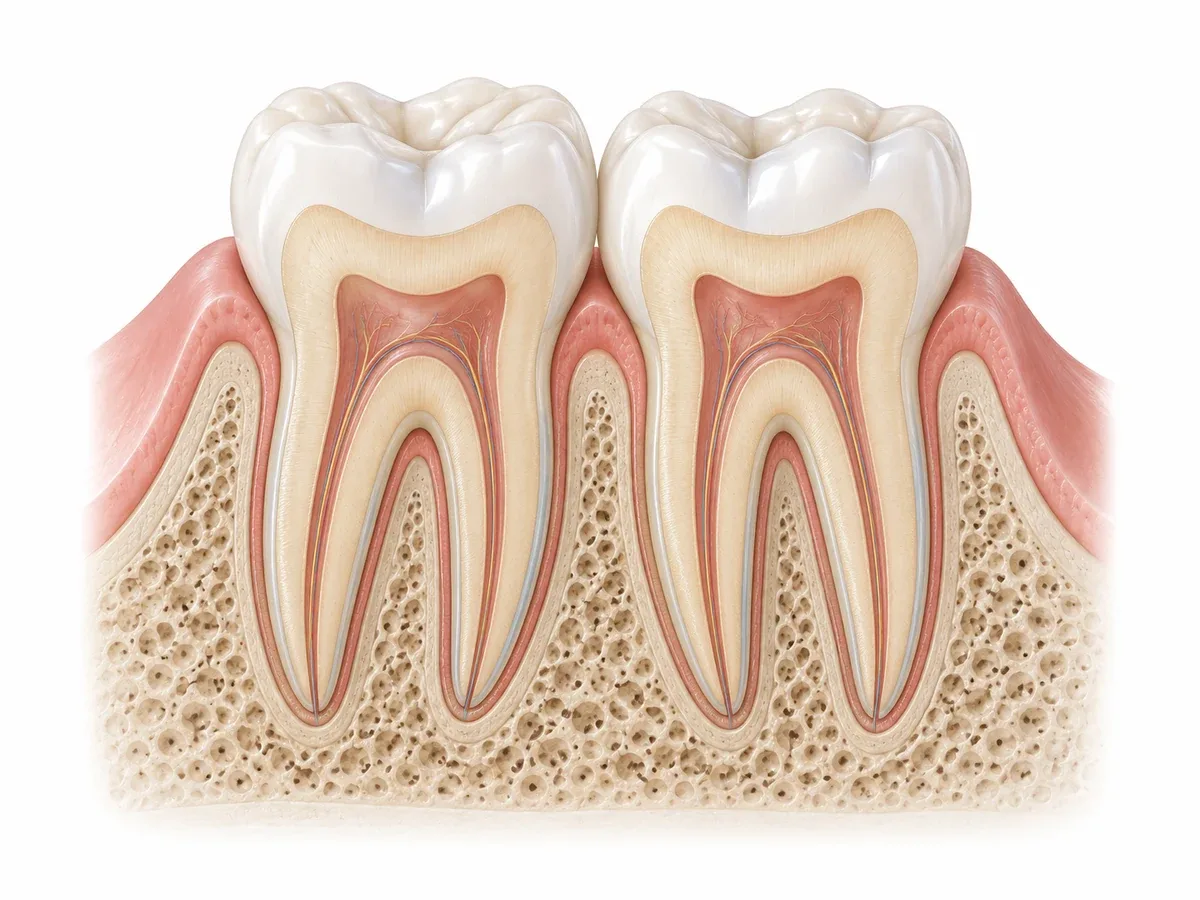
Placing the acute pulpitis entry next to the trigeminal neuralgia entry makes the difference clear. Pulpitis is inflammation of the pulp inside a tooth.
Pulpitis pain gets worse at night. It also gets worse when you drink cold water or eat something sweet.
Painkillers have little effect on pulpitis pain. It can even feel like a migraine or an earache, and it does not pass in a few seconds.
Trigeminal neuralgia, by contrast, flashes past within a few seconds to 2 minutes. It rarely happens during sleep, and harmless touches such as washing the face or brushing set it off.
Telling the two apart matters for a simple reason. If nerve pain is mistaken for a tooth problem, a patient may receive treatment they do not need.

| Feature | Acute pulpitis | Trigeminal neuralgia |
|---|---|---|
| Timing | Gets worse at night | Rarely occurs during sleep |
| Duration | Does not pass quickly | Lasts a few seconds to 2 minutes, then eases |
| What sets it off | Worse with cold water or sweet food | Set off by harmless things such as eating, washing the face, brushing and talking |
| Where it is felt | May feel like a migraine or an earache | May appear far from where the problem really is |
| Other notes | Painkillers have little effect | Mostly on one side, in the second and third branch areas |
The table is a guide, not a diagnosis. Both kinds of pain can be hard to place, so an examination is still needed.
Pulpitis pain is worst at night, while trigeminal neuralgia rarely strikes during sleep. If you remember one line from this column, make it that one.
What causes trigeminal neuropathy?
The source names injury as the most common cause of trigeminal neuropathy. A strong blow to the base of the skull can damage the trigeminal nerve as it passes through that complex area.
In such cases, other cranial nerves and nearby structures are often damaged along with it.
Among infections, the most common cause is shingles. An ear infection, or an infection at the tip of the petrous bone, can also spread to the nerve ganglion or nerve roots.
When that happens, the infection may affect the trigeminal nerve and the abducens nerve at the same time.
The source adds other possible causes. Tumors at the base of the brain can press on the trigeminal nerve.
Disease-related changes in the cavernous sinus or the superior orbital fissure, which the nerve passes through, can also cause it.
| Type | What the source says |
|---|---|
| Most common cause | Injury, when a strong blow reaches the base of the skull |
| Most common infectious cause | Shingles |
| Spreading infection | An ear infection or petrous apex infection spreading to the nerve ganglion or nerve roots |
| Other causes | Pressure from tumors at the base of the brain; changes in the cavernous sinus or superior orbital fissure |
None of these causes start in a tooth. That is why a dentist's role is to rule out tooth problems and then refer you on when needed.
How is trigeminal neuralgia diagnosed?
The source explains something that shows the nature of this condition well. Trigeminal neuropathy is not confirmed by objective tests such as imaging or blood tests.
The diagnosis relies on the patient's symptoms and the pattern of pain. For this reason, the features of trigeminal neuralgia need to be known accurately.
The source also notes the pattern doctors look for. Harmless actions such as eating, washing the face, brushing and talking set off the pain.
The pain strikes like lightning and runs along the areas the trigeminal nerve serves.
This means your own description becomes key diagnostic information. Notes kept over a few days can help a great deal.

Before your visit, try to note the following for each episode.
- When the pain started, including the time of day.
- How long it lasted, in seconds or minutes.
- What you were doing, such as eating, brushing, talking or washing your face.
- Whether it has ever woken you up at night.
- Which side of the face it was on, and where it seemed to be.
| Question | Why it helps |
|---|---|
| When did it start? | Pulpitis gets worse at night; trigeminal neuralgia rarely occurs during sleep |
| How long did it last? | Trigeminal neuralgia lasts a few seconds to 2 minutes; pulpitis pain lasts longer |
| What set it off? | Cold water or sweets point toward a tooth; washing, brushing or talking point toward the nerve |
| Does it happen at night? | Attacks during sleep are rare in trigeminal neuralgia |
| Did a painkiller help? | Painkillers have little effect on pulpitis pain |
What a dentist in Busan checks first
The KDCA page on toothache and chronic pain explains that the nerves of the mouth and face are closely intertwined. The way pain shows up can change with your physical and emotional state.
So the first job at a dental clinic is to find or rule out a cause in the teeth. We check with X-rays and an examination, looking at these points.
- whether there is a cavity
- whether there is inflammation at the root tip
- whether a tooth is cracked
- whether the pain is coming from the gums
If no cause is found in the teeth, we move on to the next step. The acute pulpitis entry also notes that pulpitis is diagnosed by checking the root canals on X-ray.
The same KDCA page states that a misaligned bite does not always cause pain. If the bite looks slightly off, it should not be blamed for the pain right away, and grinding down teeth for that reason calls for caution.
There is also a separate KDCA page on dental local anesthesia. How the pain responds to numbing can sometimes help in telling pain types apart, so we may explain that option in the clinic.
The KDCA page describes local anesthesia in these terms.
- it numbs the nerves around the treatment area and blocks pain, temperature, pressure and touch
- it does not affect consciousness, unlike general anesthesia or sedation
- it can be used as diagnostic anesthesia to find the cause of pain, and to ease nerve pain
- allergy or tolerance to the drug is possible, so your medical history is checked before treatment
Which department should you see? Start by finding out whether the pain comes from the teeth and gums.
If a dentist finds no cause, the next step is a nerve specialist. The source names injury, shingles and tumors as causes, so the right department decides which tests are needed.
Frequently asked questions
I had dental treatment, but the pain continues. Why?
It is worth looking at the pain pattern again. The source lists short attacks of a few seconds to 2 minutes, rare attacks during sleep, and triggers such as washing or brushing as signs of trigeminal neuralgia. If your pain fits this pattern, causes outside the teeth should be checked as well.
I cannot tell which tooth hurts. Is that normal?
It can be. Trigeminal neuralgia may appear far from where the problem really is. The pulpitis entry also says tooth pain can feel like a migraine or an earache, so both are checked with an examination.
Do painkillers help?
The sources used here do not describe drug treatment for trigeminal neuralgia in detail, so we will not cover it. The pulpitis entry does say that painkillers have little effect on pulpitis pain, so your response to medicine is a useful clue.
Can I get this checked in English in Busan?
Yes. We provide 1:1 English interpretation from your first consultation through the end of treatment. The clinic is near Seomyeon Station Exit 2 (5-min walk), opposite Lotte Hotel Busan, and you can call 010-8555-2854 (+82-10-8555-2854 from abroad).
A flash of pain on one side of the face is not always a toothache.
Pulpitis gets worse at night and lingers.
Trigeminal neuralgia strikes in seconds and rarely wakes you.
Your own notes on the pain are part of the diagnosis.
Living in or visiting Korea and wondering whether your face pain could be trigeminal neuralgia? Reset Dental Clinic in Busan will first check your teeth and gums, with 1:1 English interpretation. Call 010-8555-2854 to book a consultation, and bring your pain diary.
References
- Asan Medical Center disease encyclopedia, "Trigeminal Neuropathy" — definition of the trigeminal nerve and trigeminal neuropathy; trigeminal neuralgia as the form in which pain is the main symptom, about 4.5 per 100,000 people per year and relatively common in women from middle age; causes including injury, shingles and tumors at the base of the brain; one-sided stabbing pain in the second and third branch areas lasting seconds to 2 minutes; attacks rare during sleep; painful tic, trigger points and pain appearing away from the real site; diagnosis based on symptoms and pain pattern rather than imaging or blood tests
- Asan Medical Center disease encyclopedia, "Acute Pulpitis" — definition of pulpitis as inflammation of the pulp; cavity pain eased by painkillers while pulpitis pain is barely affected; pain worse at night and with cold water or sweet food; tooth pain that can feel like a migraine or earache; diagnosis by checking the root canals on X-ray
- KDCA National Health Information Portal, "Toothache and Chronic Pain" — the closely intertwined nerves of the mouth and face, and how pain changes with physical and emotional state; the need to look at the jaw joint and bite together; the statement that a misaligned bite does not always cause pain
- KDCA National Health Information Portal, "Dental Local Anesthesia" — definition of local anesthesia and how it blocks pain, temperature, pressure and touch; no effect on consciousness, unlike general anesthesia or sedation; its benefits; diagnostic anesthesia to find the cause of pain, local bleeding control and relief of nerve pain; possible allergy or tolerance and the need for a medical history check before treatment; topical, infiltration and nerve block types
Written by Reset Dental Clinic Support Team
Medical review Dr. Kim Hyun-joo, Head Dentist · Integrated Dentistry Specialist
Last updated: September 19, 2026
This column is for general information and does not replace diagnosis or treatment for individual patients. If you have symptoms, please see a dentist.


