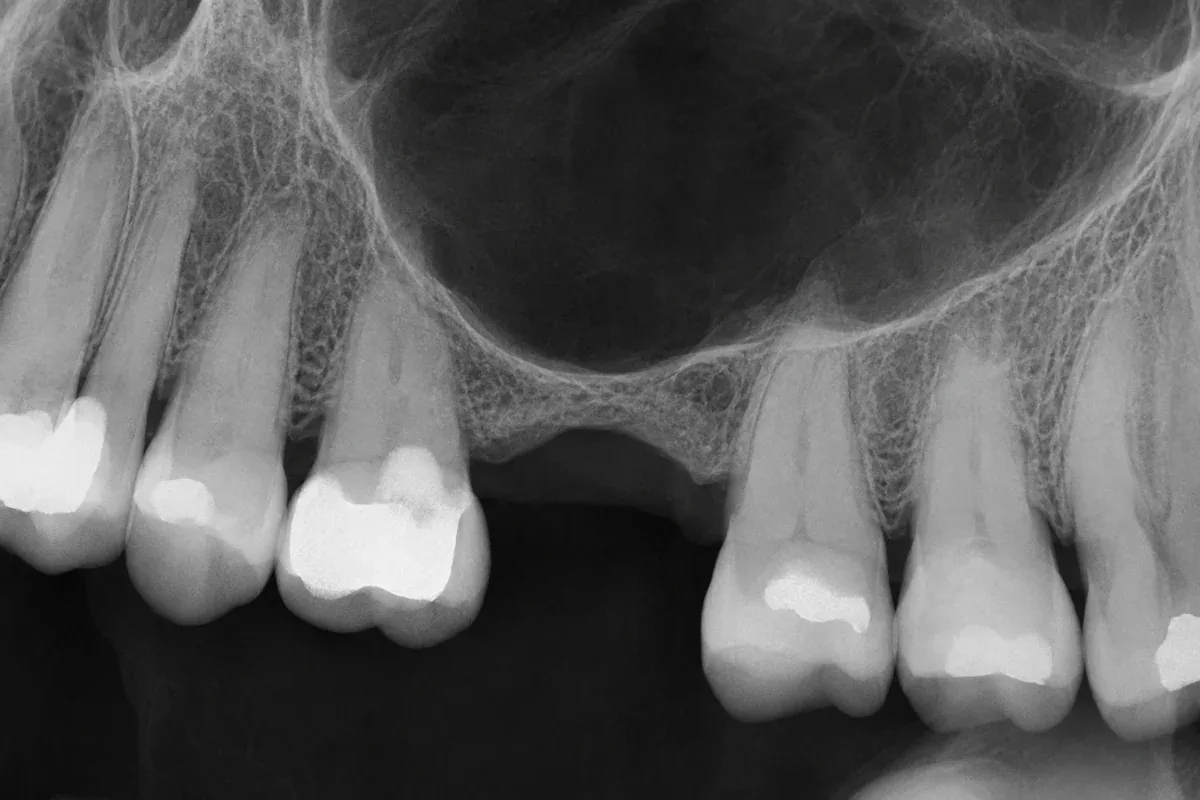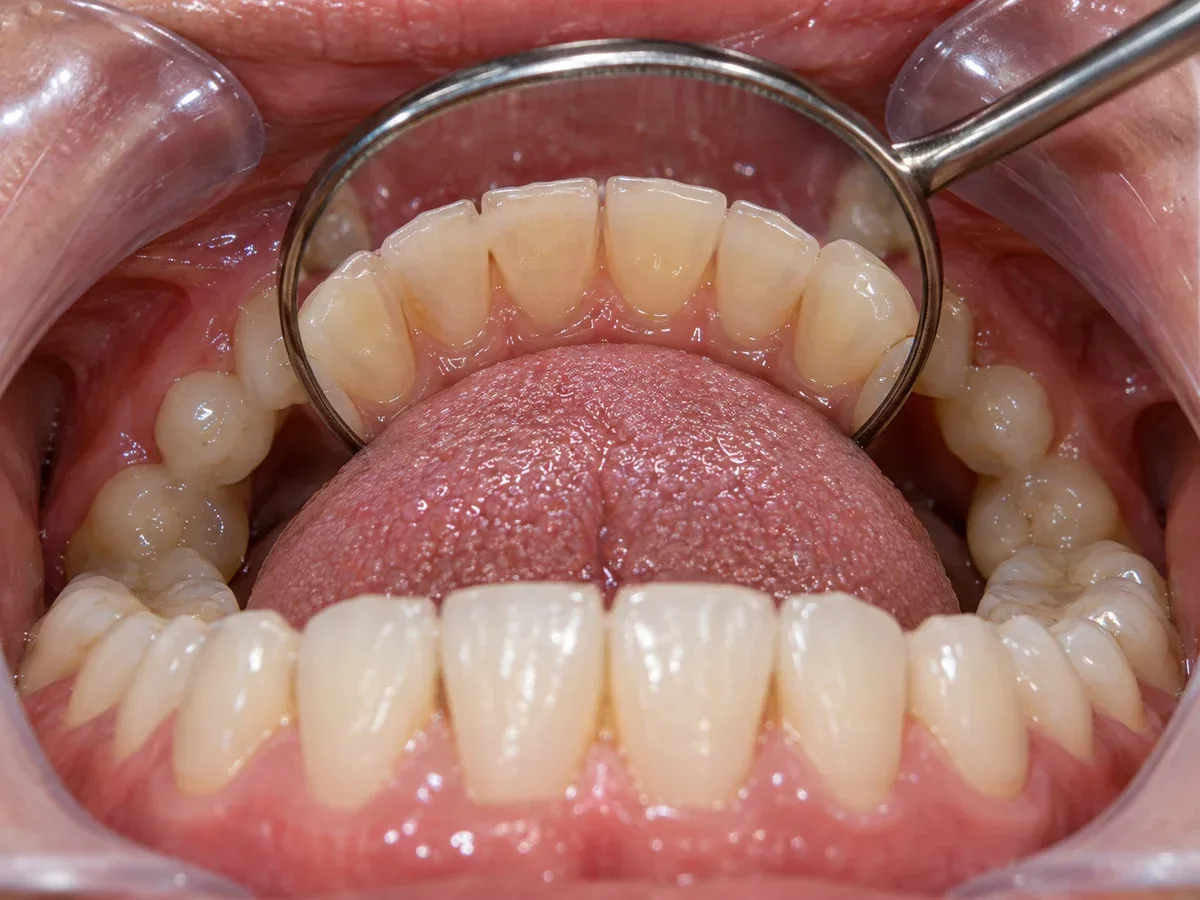
- The KDCA lists orthodontic purposes as an official reason for tooth extraction, next to severe decay, pulp necrosis and severe gum disease.
- In protruding-mouth surgery, a premolar is removed and its space is used to move the front teeth back. Braces use space in the same way.
- Tooth extraction has possible complications, including root fracture, nerve damage, sinus perforation, infection and dry socket.
- Which tooth is removed, and why, should be agreed in writing before treatment starts.
At Reset Dental Clinic in Seomyeon, Busan, one question comes up often: do I have to lose teeth to get braces? For patients living in or visiting Korea, we provide 1:1 English interpretation from the first consultation through the end of treatment.
Neither approach is better in general. To move teeth, there has to be space for them to move into, and whether that space exists differs from person to person.
This column draws on the KDCA National Health Information Portal's guide to tooth extraction and Asan Medical Center's guides to a protruding mouth, dental arch problems and dry socket. It also uses a dental news report on an orthodontic dispute.
Why are teeth sometimes removed for braces?
The KDCA's guide gives several reasons for tooth extraction. They include severe decay, pulp necrosis (death of the nerve inside the tooth) and severe gum disease. Orthodontic purposes are on the same list.
So removing a healthy tooth for braces is not an unusual exception. It is a reason written into public health guidance.
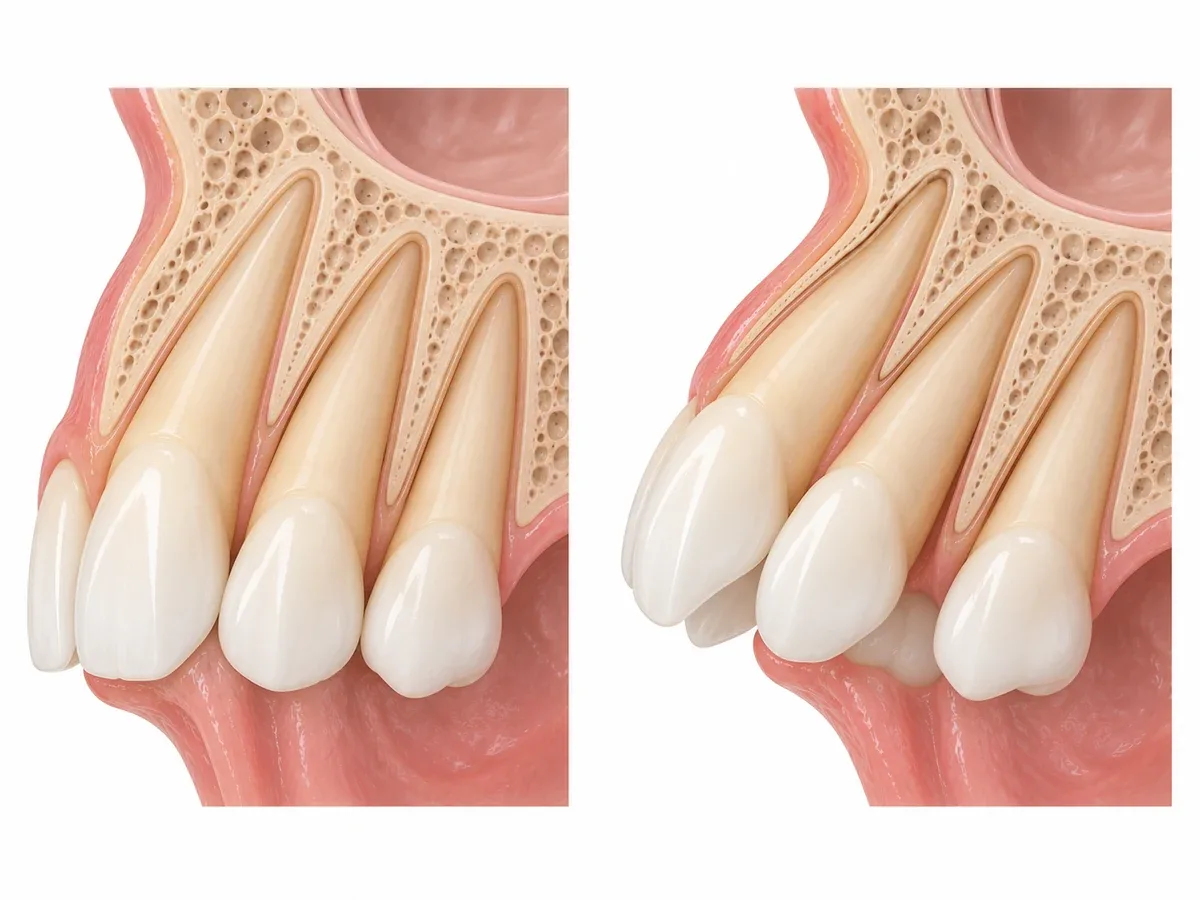
The reason is space. Asan Medical Center's protruding mouth guide shows the principle through a surgery called anterior segmental osteotomy. A premolar is removed, and that space is used to push the front teeth, canines and gum bone backward.
Braces use the same space to move the front teeth back. The tool is different, but the logic is the same.
If there is already enough space, or space can be made, no tooth is removed. Tooth extraction is not the sole way to create room.

Which option is possible can be known after measuring. The dentist looks at tooth size, jaw size and how far the front teeth lean forward.
Asan Medical Center's dental arch guide describes how this is diagnosed. It lists these records:
- X-rays that show the whole head and all the teeth
- photos of the face and the inside of the mouth
- dental models taken from impressions of the teeth
With these records, the dentist can see the problems in the overall relationship between the teeth and jaws. The same guide notes that tooth size and jaw size are set by genes.
How is the space from a tooth extraction used?
After a tooth extraction, the gap does not simply vanish. The force of the braces slowly moves the front teeth into that space.
As the protruding mouth guide explains, the front teeth and canines then move back. This reduces how far the front of the mouth sticks out.
This takes time. The KDCA's guide to jaw surgery says the length of orthodontic treatment before surgery depends on each patient's teeth and skeleton. It does not give a fixed number.
The speed at which a space closes varies from person to person. A plan should say how the space will be used, not just which tooth goes.

The protruding mouth guide also explains when braces can help and when surgery is needed too. It depends on where the gum bone sits and how severe the protrusion is.
| Situation | What the guide says |
|---|---|
| Gum bone in a normal position, teeth tilted forward | Braces can help |
| Gums also protrude, or the protrusion is severe | Braces and surgery are needed together |
| A surgery case treated with braces alone | Teeth tilt back, but the mouth often does not move back as much as hoped |
| Before and after surgery | Orthodontic care is needed, and teeth are often removed in advance |
In short, removed space is a tool. How it is used decides the result.
What are the risks of tooth extraction?
The KDCA guide lists the possible complications of tooth extraction. It names five.
- root fracture
- nerve damage
- sinus perforation (an opening into the sinus above the upper back teeth)
- infection
- dry socket
The guide also advises talking to a specialist first if you have heart disease, a blood disorder or uncontrolled diabetes.
For anesthesia, the guide lists local anesthesia, sedation and general anesthesia. After tooth extraction, it advises no alcohol or smoking for at least one week.
Of these complications, dry socket deserves a closer look. Asan Medical Center's guide calls it alveolar osteitis.
After a tooth is removed, a blood clot forms in the socket. If the clot is lost or dissolves, the bone and nerve underneath are exposed to air and food. Infection and severe pain can follow.
According to the guide, this happens in about 2–5% of patients who have a tooth removed. The guide names smoking as the biggest risk factor.
It advises stopping smoking for at least two weeks before and after tooth extraction.

| Item | What the references say |
|---|---|
| Reasons | Severe decay, pulp necrosis, severe gum disease, orthodontic purposes and others |
| Complications | Root fracture, nerve damage, sinus perforation, infection, dry socket |
| Talk to a specialist first | If you have heart disease, a blood disorder or uncontrolled diabetes |
| Afterwards | No alcohol or smoking for at least one week |
| Dry socket | About 2–5% of patients; smoking is the biggest factor |
How should you care for the socket after tooth extraction?
Asan Medical Center's dry socket guide lists five cautions. They are simple, but each one protects the clot.
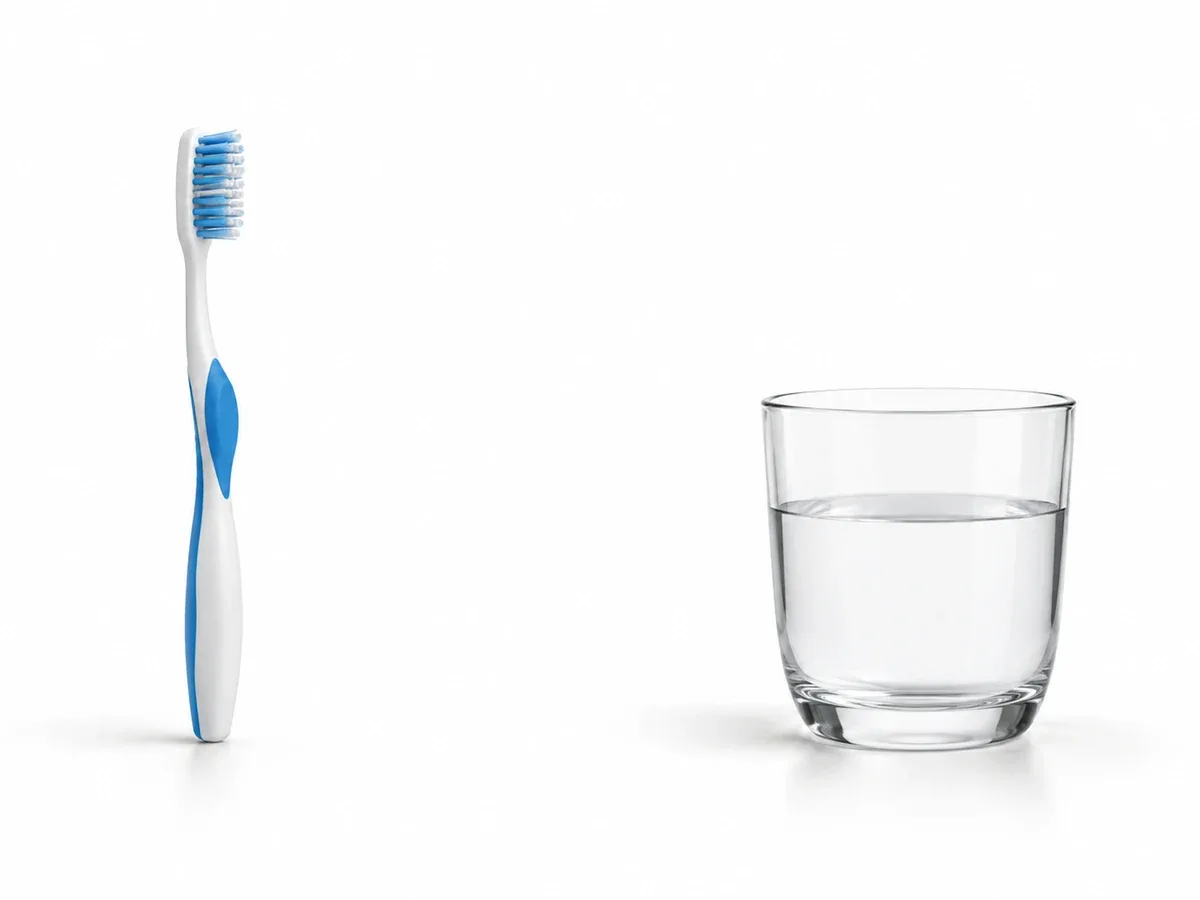
- Do not brush the extraction site. Rinse with clean water, saline or mouthwash instead.
- Avoid alcohol. It speeds up blood flow, which interferes with stopping the bleeding and adds to swelling.
- Do not smoke. Smoke irritates the site, and the sucking force creates negative pressure that disturbs the clot.
- Avoid hard exercise, saunas and hot baths.
- Go to the clinic if bleeding continues while biting on gauze, or if you have a fever or heavy swelling.
It also helps to know how dry socket pain behaves. The guide says the pain usually starts about two days after tooth extraction and gets worse over time.
The pain may spread toward the ear. Bad breath or an unpleasant taste may also appear.
If the site hurts more two or three days later than on the day itself, do not just put up with it. Contact the clinic.
Smokers often ask whether a short break is enough. The guide is clear that the break should cover at least two weeks before and after, and the KDCA guide adds at least one week without alcohol or smoking.
| Item | What the guide says |
|---|---|
| Brushing | Do not brush the site; rinse with clean water, saline or mouthwash |
| Alcohol | Speeds up blood flow, interferes with clotting and adds to swelling |
| Smoking | Smoke irritates, and the sucking force creates negative pressure that disturbs clotting |
| Exercise and bathing | Avoid hard exercise, saunas and hot baths |
| When to seek care | Bleeding that continues with gauze, fever or heavy swelling |
What happens step by step when braces involve tooth extraction?
Every plan is different, but the references above point to a common order. Seeing it laid out makes it easier to ask the right questions.
- Records are taken: X-rays of the head and teeth, face and mouth photos, and dental models.
- Tooth size, jaw size and the lean of the front teeth are measured to see how much space is missing.
- The dentist decides whether space can be made without removing teeth, or whether tooth extraction is needed.
- If a tooth is to be removed, heart disease, blood disorders or uncontrolled diabetes are discussed with a specialist first.
- The tooth is removed under local anesthesia, sedation or general anesthesia, and the socket is cared for as described above.
- Braces slowly move the front teeth into the space, at a pace that depends on each patient.
Steps 1 to 3 happen before anything is removed. This is the stage where the plan should be explained and written down.
Step 4 is easy to skip, but the KDCA guide mentions it on purpose. General health can change how a tooth extraction should be handled.
Steps 5 and 6 are where time comes in. The space does not close in a set number of months, because each person's teeth and skeleton differ.
If a step is unclear, ask about it before moving on. A tooth that has been removed cannot be put back, so the order matters.
What should be agreed in writing before braces in Korea?
A dental news report described a dispute handled by Korea's medical dispute mediation agency. A patient had orthodontic treatment for about six years but still had a malocclusion (a poor bite) at the end.
Another dental clinic later diagnosed the problem. The findings included missing upper and lower premolars on both sides, resorption of the left jaw joint and a crossbite on the left back teeth. Asymmetry and a deep bite were also noted.
The agency found it hard to judge whether the care had been appropriate. There were no first-visit records or X-ray images to review.
Even so, it led the parties to a settlement. The malocclusion remained, and the original goal of treatment had not been reached.
The agency also found a failure to explain. There was no treatment consent form, and proper explanation did not appear to have been given during treatment.
| Point | What was reported |
|---|---|
| Treatment | About six years of orthodontic treatment |
| Later diagnosis | Missing premolars on both sides of both jaws, left jaw joint resorption, crossbite, asymmetry and deep bite |
| Records | No first-visit records or X-ray images |
| Outcome | Settlement, and responsibility for insufficient explanation |
This matters even more when braces involve tooth extraction. A removed tooth cannot be put back.
The report's advice to dentists was plain. Start with an accurate diagnosis and a realistic, achievable goal, explain side effects fully, and begin after written consent.
Before you start, ask for these points and keep them in writing:
- which teeth will be removed
- why those teeth were chosen
- how the space will be used afterwards
- how far your teeth and profile can realistically change
Frequently asked questions
Is there a way to do braces without tooth extraction?
If there is space, or space can be made, no tooth is removed. Which option is possible can be known after measuring, and lining teeth up without space can push the front teeth forward. The protruding mouth guide notes that when surgery cases use braces alone, the mouth often does not move back as much as hoped.
Which teeth are usually removed?
The protruding mouth guide names the premolars, which sit in a good spot for moving the front teeth back. The actual choice also depends on decay, gum health and remaining root length.
Does tooth extraction hurt?
The KDCA guide says local anesthesia, sedation or general anesthesia is used. Aftercare matters more than the moment of removal. If pain starts about two days later and keeps getting worse, it may be dry socket, which the guide says affects about 2–5% of patients.
Can I get braces and tooth extraction advice in English in Busan?
Yes. We offer 1:1 English interpretation from the first consultation through the end of treatment. The clinic is near Seomyeon Station Exit 2 (5-min walk), opposite Lotte Hotel Busan, and you can call 010-8555-2854 (+82-10-8555-2854 from abroad).
Extraction or not is a question of space.
A removed tooth cannot be put back.
So which tooth, and why,
should be clear before you begin.
If you are weighing braces with or without tooth extraction in Busan, Reset Dental Clinic offers 1:1 English interpretation from your first consultation through the end of treatment. Call 010-8555-2854 to book a consultation.
References
- KDCA National Health Information Portal, "Tooth Extraction" — reasons including severe decay, pulp necrosis, severe gum disease and orthodontic purposes; local anesthesia, sedation and general anesthesia; no alcohol or smoking for at least one week afterwards; possible complications such as root fracture, nerve damage, sinus perforation, infection and dry socket; and consulting a specialist first for heart disease, blood disorders or uncontrolled diabetes
- Asan Medical Center Disease Encyclopedia, "Protruding Mouth (Class II malocclusion)" — definition; when braces alone can help and when braces and surgery are needed together; limits of braces alone in surgery cases; anterior segmental osteotomy using premolar extraction space to move the front teeth, canines and gum bone back; and orthodontic care with extractions before and after surgery
- Asan Medical Center Disease Encyclopedia, "Dry Socket (Alveolar Osteitis)" — how loss of the blood clot exposes bone and nerve, causing infection and severe pain; occurrence in about 2–5% of extraction patients; smoking as the biggest factor and two weeks without smoking before and after; pain that starts about two days later, worsens and may spread toward the ear; and aftercare cautions including rinsing instead of brushing
- KDA newspaper Dailydental (Chiui Sinbo), "Set treatment goals and agree in advance for orthodontic treatment" — a long-term orthodontic dispute shared by the national medical dispute mediation agency; the later diagnosis; the lack of first-visit records and X-rays; responsibility for insufficient explanation without a consent form; and advice to set realistic goals, explain side effects and start after written consent
- Asan Medical Center Disease Encyclopedia, "Dental Arch Relationship Problems" — definition; tooth and jaw size set by genes; diagnosis with head and dental X-rays, face and intraoral photos and dental models; and orthodontic treatment to correct tooth position
Written by Reset Dental Clinic Support Team
Medical review Dr. Kim Hyun-joo, Head Dentist · Integrated Dentistry Specialist
Last updated: September 19, 2026
This column is for general information and does not replace diagnosis or treatment for individual patients. If you have symptoms, please see a dentist.