

- Researchers described gum disease and chronic kidney disease as a two-way relationship. Each one can make the other worse.
- As chronic kidney disease progresses, the burden and severity of oral disease tend to rise.
- Dialysis patients and people waiting for a kidney transplant carry a higher burden of oral disease.
- The researchers also said that larger prospective intervention studies are needed to confirm cause and effect.
At Reset Dental Clinic in Seomyeon, Busan, we often meet kidney patients who have put off dental care because they feel too unwell to think about their teeth. Yet recent research suggests the mouth, and gum disease in particular, should be checked from the early stages. For patients living in or visiting Korea, we provide 1:1 English interpretation from your first consultation through the end of treatment.
This column is based on four sources. The first is a study from the University of Cincinnati College of Medicine in the United States, as reported by the Korean Dental Association's newspaper. The others are health guides from the national disease control agency (KDCA) and Asan Medical Center in Seoul.
We will go through what the study found, how the kidneys and gums may affect each other, and where the evidence stops. We will also cover what this means if you are on dialysis or waiting for a transplant.
What did the study on kidney and gum disease find?
The research team at the University of Cincinnati College of Medicine looked at chronic kidney disease (CKD) and oral disease. They focused especially on gum disease, also called periodontal disease.
Their analysis suggests the two conditions can influence each other. They named four pathways that may link them:
- inflammation throughout the body (systemic inflammation)
- problems with the inner lining of blood vessels (endothelial dysfunction)
- an imbalance in how the immune system is regulated
- an imbalance in the bacteria that live in the mouth
The study was published in a recent issue of the international journal BMC Nephrology.
A blind spot in everyday care
The team pointed to a problem in how care is organized. Gum disease and tooth decay are common in people with CKD. Even so, oral health is not fully reflected in routine kidney care.
Kidney patients and dental patients have long been treated as two separate areas. The researchers argued that this split leaves a blind spot in patient care.
In practice, a kidney specialist may not ask about the gums. A dentist may not know how well the kidneys are working. The same person sits in both chairs, yet the information often stays apart.

What changes in the mouth as kidney disease progresses?
According to the researchers, as CKD progressed, the burden and severity of oral disease tended to rise. The worse the kidneys, the worse the mouth tended to be.
The study also named specific measurements. Several dental and gum scores were linked with lower kidney filtration and with higher markers of inflammation.
| Measurement | What it describes | Linked with |
|---|---|---|
| DMFT index | Decayed, missing and filled permanent teeth | Lower filtration rate, higher CRP and IL-6 |
| Plaque index | How much plaque sits on the teeth | Lower filtration rate, higher CRP and IL-6 |
| Gingival index | How inflamed the gums are | Lower filtration rate, higher CRP and IL-6 |
| Clinical attachment loss | How much gum support around the teeth has been lost | Lower filtration rate, higher CRP and IL-6 |
Put simply, the numbers moved in the same direction. As kidney function dropped and inflammation rose, the scores for decay and gum health also got worse.
The glomerular filtration rate shows how well the kidneys filter the blood. CRP and interleukin-6 are blood markers of inflammation in the body.
This does not mean every kidney patient has poor teeth. It describes a tendency seen across the patients studied. That tendency is the reason the researchers called for closer attention to the mouth.
How do the kidneys and gums affect each other?
The research team explained the two-way link in two directions. Each direction has its own path.
From the gums to the body: gum disease brings long-lasting inflammation and constant irritation from bacteria. This can trigger inflammation throughout the body and damage to blood vessel linings, which may be linked with a decline in kidney function.
From the body to the gums: CKD can lead to a buildup of waste products in the blood (uremia). It can also weaken the immune system and slow tissue healing.
Together, these changes lower the defenses of the tissues around the teeth. As a result, gum disease can get worse.
What Asan Medical Center's guides say
Health guides from Asan Medical Center point in the same direction. Its page on chronic periodontitis lists several things that affect how the disease progresses:
- smoking
- stress
- taking medications
- age
- general illnesses and imbalances, such as diabetes and cardiovascular disease
Its page on periodontal abscess explains the cause in plain terms. An abscess can form when the body's resistance drops and it cannot fight off invading bacteria.
The same page adds a note about diabetes. People with diabetes develop mouth infections and gum disease more easily than people without it.
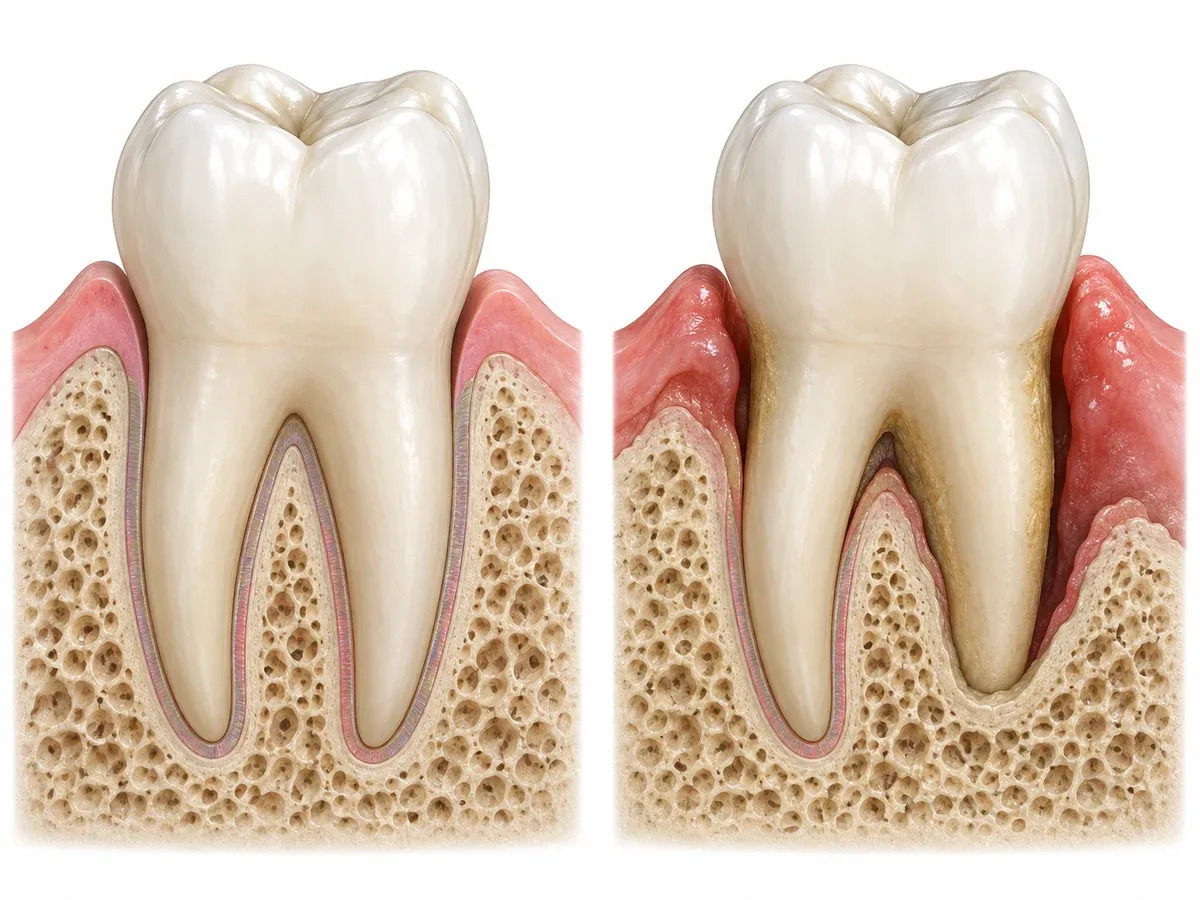
| Direction | What happens | What it is linked with |
|---|---|---|
| From the gums to the body | Chronic inflammation and bacterial irritation from gum disease | May be linked with lower kidney function, through systemic inflammation and blood vessel lining damage |
| From the body to the gums | Uremia, weaker immunity and slower tissue healing | Lower defenses in the gum tissue, which can make gum disease worse |
| Scores that moved together | DMFT, plaque index, gingival index, clinical attachment loss | Lower glomerular filtration rate and higher CRP and interleukin-6 |
What does this research not prove yet?
The news report ends with an important line. The researchers said that larger prospective intervention studies are needed to confirm long-term outcomes and cause and effect.
So what has been shown so far is a tendency for the two to appear together, plus a plausible explanation of how. It has not been shown that treating gum disease improves kidney function.
This line matters. A link is not the same as proof that one thing causes the other. We think it is fair to tell patients exactly where the evidence stands.
The KDCA describes gum disease as a chronic infection caused by bacteria. It also notes that gum disease shares risk factors with other chronic illnesses.
Its guide lists conditions that gum disease may make worse:
- cardiovascular disease
- high blood pressure
- diabetes
- low birth weight and premature birth
- rheumatoid arthritis
- chronic kidney disease
- osteoporosis
Chronic kidney disease is on that list. In other words, a national health agency also recognizes the link itself. The same guide notes that many general illnesses can affect the nature and severity of gum disease.
What if you are on dialysis or waiting for a kidney transplant?
The study put special weight on one group. It named dialysis patients and people waiting for a kidney transplant.
These patients carry a higher burden of oral disease for several reasons. The researchers listed four:
- medicines that suppress the immune system
- taking many different medications at the same time
- limited access to dental care
- the effects of CKD on the whole body
The report also describes a real problem that can follow. If a chronic infection in the mouth is found late, before a kidney transplant, the transplant process can be disrupted.
Some chronic infections in the mouth cause no pain for a long time. An abscess at the tip of a root or a cyst around a root can sit quietly for years. If you start looking for them right before a transplant, the schedule can slip.

What the research team proposed
The team suggested going beyond a quick dental check just before a transplant. They proposed that a standard oral assessment should be part of CKD care from the early stages.
They called for dentists and kidney specialists to work together at three points. These are the start of dialysis, the transplant assessment, and long-term follow-up.
They also listed what such teamwork needs. It needs standard oral assessments, linked electronic medical records, a referral system between dental and kidney clinics, and training for medical staff.
Finally, they stressed two changes in attitude. Dentists should build their skills in treating patients at high risk from general illness. Kidney care should treat oral health as a key item to manage.
| Item | The team's proposal |
|---|---|
| Groups given special weight | Dialysis patients and people waiting for a kidney transplant |
| When to assess the mouth | From the early stages of CKD care, not just a formal check before transplant |
| When to work together | Start of dialysis, transplant assessment, long-term follow-up |
| What is needed | Standard oral assessment, linked medical records, a referral system, staff training |
| What still needs checking | Long-term outcomes and cause and effect, through larger prospective intervention studies |
What you can do as a patient
Your part is simple. Tell your dentist the following before treatment starts:
- your diagnosis and the stage of your kidney disease, if you know it
- every medication you take, ideally as a written list
- whether you are on dialysis, and on which days
- whether a kidney transplant is planned
With this information, we can plan the order and method of treatment around your health. Many medications can also cause a dry mouth, which is worth mentioning too.

How is gum disease treated and managed in Busan?
There is no special method just for kidney patients. The basic approach to gum disease is the same for everyone.
According to the KDCA, gum treatment is applied step by step, matched to how severe the disease is. The steps are listed below.
| Step | What it involves |
|---|---|
| Scaling | Removing plaque and tartar from the tooth surfaces |
| Root planing | Smoothing the root surfaces below the gum line |
| Subgingival curettage | Cleaning the inflamed tissue inside the gum pocket |
| Flap surgery | Opening the gum to clean deeper areas directly |
In Korea, scaling is covered by National Health Insurance once a year for adults aged 19 and over. If you have gum disease, scaling is advised at least every six months.
Chronic periodontitis is an inflammation of the tissues around the teeth. Over time it destroys the gums and the bone that holds the teeth.
Asan Medical Center notes that it usually does not hurt much in the early stages. Discomfort tends to appear once the disease has progressed quite far.
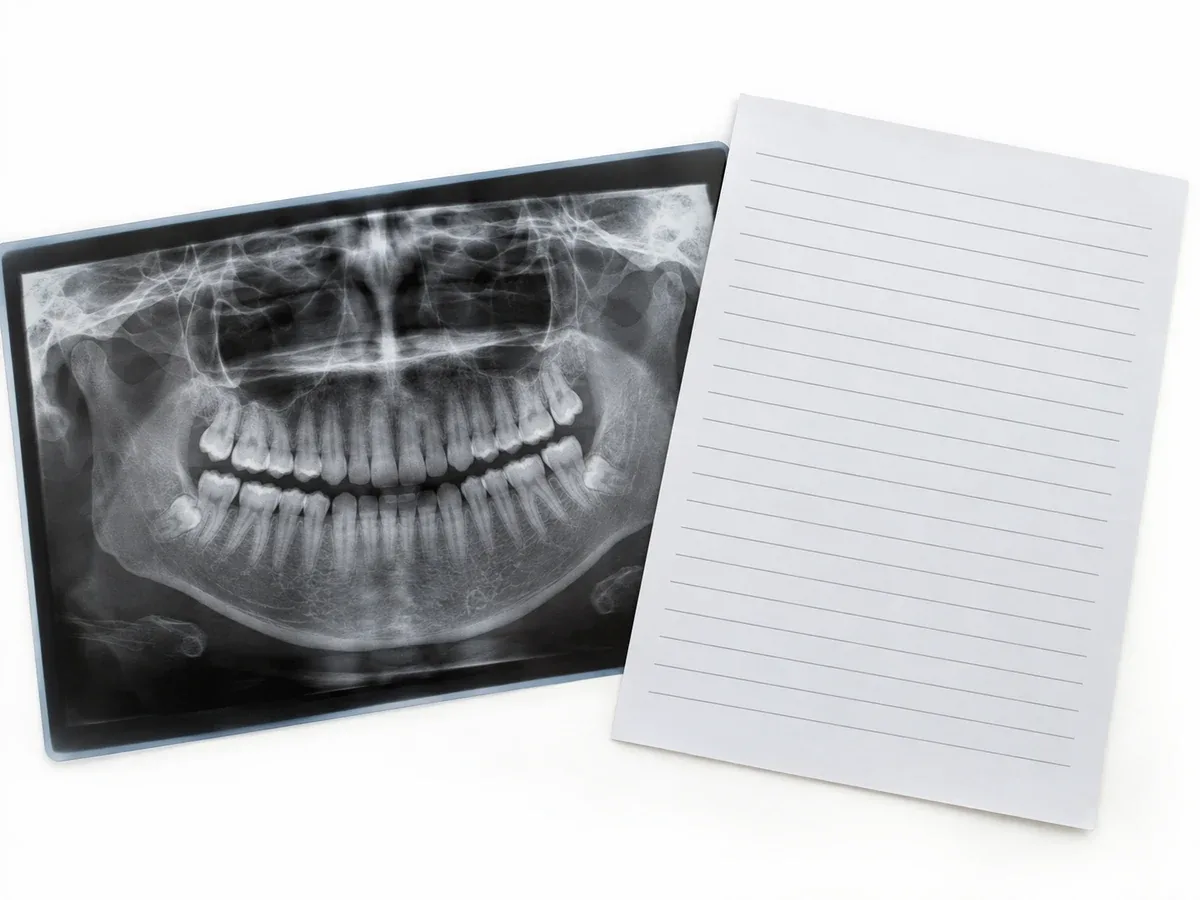
That is why checkups matter even when nothing hurts. A dentist measures the depth of the gum pockets with a thin probe. X-rays show how much bone has been lost.
A periodontal abscess can behave differently. In its acute form it can cause spreading pain and loose teeth. Rarely, it comes with fever or weakness.
When you feel unwell, the mouth is easy to push to the back of the queue. The sources suggest the opposite order. Gum care is worth starting early, especially when your general health is under strain.
Frequently asked questions
Will treating my gum disease improve my kidneys?
We cannot say that. The researchers themselves said that larger prospective intervention studies are needed to confirm long-term outcomes and cause and effect. What has been shown is a tendency for the two to worsen together, and an analysis of how that may happen.
Can I have dental treatment while on dialysis?
The study actually proposes that dentists and kidney specialists work together from the start of dialysis. Timing and methods depend on your dialysis schedule, medications and general health, so please tell us in advance. Bring your medication list, since taking many medications was one reason the study gave for higher oral disease burden.
I am waiting for a kidney transplant. What should I do?
The report notes that a chronic infection in the mouth found late can disrupt the transplant process. It is better to check early rather than rely on a quick check just before surgery. We use X-rays to look for hidden infection, even when nothing hurts.
Can I get this care in English in Busan?
Yes. We offer 1:1 English interpretation from the first consultation through the end of treatment. The clinic is near Seomyeon Station Exit 2 (5-min walk), opposite Lotte Hotel Busan, and you can call 010-8555-2854 (+82-10-8555-2854 from abroad).
Gum disease and kidney disease can affect each other in both directions.
The link is clear enough to act on,
even though cause and effect are still being studied.
Checking the mouth early can help avoid delays later.
If you live with kidney disease in Busan, Reset Dental Clinic offers 1:1 English interpretation from your first consultation through the end of treatment. Call 010-8555-2854 to book a checkup, and bring your medication list.
References
- Korean Dental Association newspaper Dailydental (Chiui Sinbo), "Oral Health Items Needed in Chronic Kidney Disease Care" — summary of the University of Cincinnati College of Medicine study in BMC Nephrology on the two-way link between chronic kidney disease and gum disease, the oral scores linked with kidney filtration and inflammation markers, the higher oral disease burden in dialysis and transplant-waiting patients, and the proposed dental and kidney teamwork
- KDCA National Health Information Portal, "Systemic Disease and Periodontal Treatment" — gum disease as a chronic bacterial infection sharing risk factors with other chronic illnesses, the conditions it may worsen including chronic kidney disease, and step-by-step treatment matched to severity
- Asan Medical Center Disease Encyclopedia, "Chronic Periodontitis" — definition, factors that affect progression including diabetes and cardiovascular disease, an early course that usually causes little pain, and diagnosis with pocket probing and X-rays
- Asan Medical Center Disease Encyclopedia, "Periodontal Abscess" — definition, how lowered body resistance allows bacterial invasion, symptoms, and the higher risk of oral infection in people with diabetes
Written by Reset Dental Clinic Support Team
Medical review Dr. Kim Hyun-joo, Head Dentist · Integrated Dentistry Specialist
Last updated: September 19, 2026
This column is for general information and does not replace diagnosis or treatment for individual patients. If you have symptoms, please see a dentist.


