

- For adults in Busan as much as for children, fluoride treatment is used to prevent tooth decay or to stop it from progressing. The sources do not limit it by age.
- On the tooth surface, demineralization and remineralization go back and forth all the time. Acid dissolves enamel, and calcium, phosphate and fluoride repair it.
- Professional fluoride treatment is a high-concentration application by a dentist or dental hygienist. Home products such as fluoride toothpaste and fluoride mouth rinse are low-concentration.
- Professional products are strong enough that misuse by an individual can cause acute and chronic toxicity, so they are applied under professional judgment and control.
Many people think fluoride treatment is something for children, and adults at our clinic in Seomyeon, Busan are often surprised to hear otherwise. The published sources describe the same job for fluoride at every age, and adults with a dry mouth or frequent cavities may need it more. For patients living in or visiting Korea, we provide 1:1 English interpretation from your first consultation through the end of treatment.
This column is based on four public sources. Three come from Korea's national health information portal: "Fluoride Application", "Oral Disease Prevention and Management" and "Dry Mouth". The fourth is the "Dental Caries" entry from Asan Medical Center's disease encyclopedia.
How does tooth decay start?
The sources begin by explaining how a cavity forms. Bacteria grow on a tooth after they attach to its surface, using the carbohydrates we eat. The sticky layer of bacteria that builds up is called plaque, also known as a dental biofilm.
The bacteria in plaque break down the carbohydrates in food. As they do, they produce acids such as lactic acid. These acids dissolve the surface of the tooth, and that is how decay begins.
The Asan Medical Center entry describes it in a similar way. Plaque bacteria break down sugar and starch, and the acid they make attacks the enamel. Dental caries is the disease in which enamel is damaged and decay reaches the dentin and pulp beneath it.
Two terms matter here. When acid dissolves enamel, the outer layer of the tooth, the process is called demineralization.
The opposite process is called remineralization. Calcium, phosphate and fluoride in the mouth attach to the weakened area and restore it.
So the tooth surface is always losing and regaining mineral. A cavity is what you get when the dissolving side keeps winning for a long time.
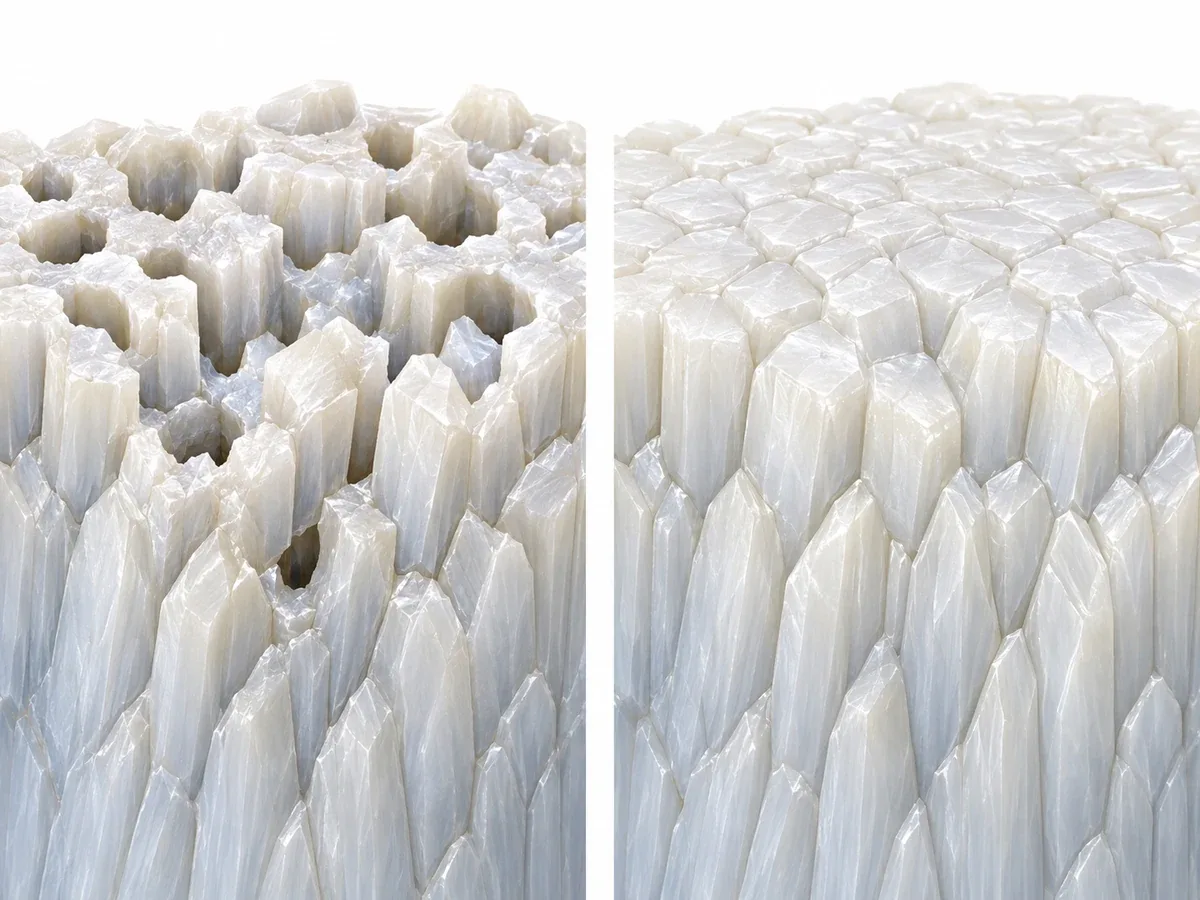
Put simply, the chain of events looks like this:
- Bacteria attach to the tooth surface, using the carbohydrates we eat.
- They build up into plaque, a layer of bacteria on the tooth.
- Plaque bacteria break down carbohydrates and produce acids such as lactic acid.
- The acid dissolves enamel minerals (demineralization).
- Calcium, phosphate and fluoride can rebuild the weakened spot (remineralization).
- If dissolving outpaces rebuilding for long enough, a cavity forms.
What does fluoride actually do?
The national portal describes fluoride as a colorless, nonmetallic element in the halogen group. It adds that fluoride is a trace element the human body needs, with a particular property of preventing tooth decay.
The purpose of fluoride treatment is stated just as clearly. It is used to prevent tooth decay or to stop it from progressing.
That second half is easy to miss. It means fluoride treatment is also used to halt early decay that has already started, not just to protect healthy teeth.
Early decay is usually silent. According to the Asan Medical Center entry, when caries is limited to the enamel, people feel almost no pain.
That quiet stage is also the stage with room to reverse. While decay stays in the enamel, remineralization still has a chance to repair it.
As decay goes deeper, the symptoms change. The same entry lists them stage by stage.
| How far decay has reached | What people usually feel | What it means |
|---|---|---|
| Limited to the enamel | Almost no pain | There is still room for remineralization |
| Near the border with the dentin | Sensitivity to cold | Decay is moving past the enamel |
| Into the dentin | Pain when chewing | The decayed area needs to be removed and filled |
How is professional fluoride treatment different from home care?
The sources divide fluoride application into two types. The difference starts with who applies it and how strong it is.
The first is professional fluoride application. It is a high-concentration treatment carried out by a dentist or a dental hygienist.
The sources attach a clear caution to it. Professional products contain fluoride at high concentration, so misuse by an individual can cause acute and chronic fluoride toxicity. For that reason, professional application should be done under proper professional judgment and control.
The second is self-applied fluoride. Here a person uses a low-concentration fluoride product at home. The typical examples are fluoride toothpaste and fluoride mouth rinse.
It helps to remember that the product used at the clinic and the one used at home differ in strength from the start. So when patients ask whether they can simply apply the same thing at home, our answer is no.

| Item | Professional application | Self-applied fluoride |
|---|---|---|
| Who applies it | A dentist or dental hygienist | The individual |
| Concentration | High | Low |
| What the source says | Misuse by an individual can cause acute and chronic toxicity, so it is done under professional control | The typical methods are fluoride toothpaste and fluoride mouth rinse |
In practice, home fluoride and fluoride treatment at the clinic are not rivals. Home care is the daily base, and professional fluoride treatment is added when the risk of decay is higher.
How can you get more from fluoride at home?
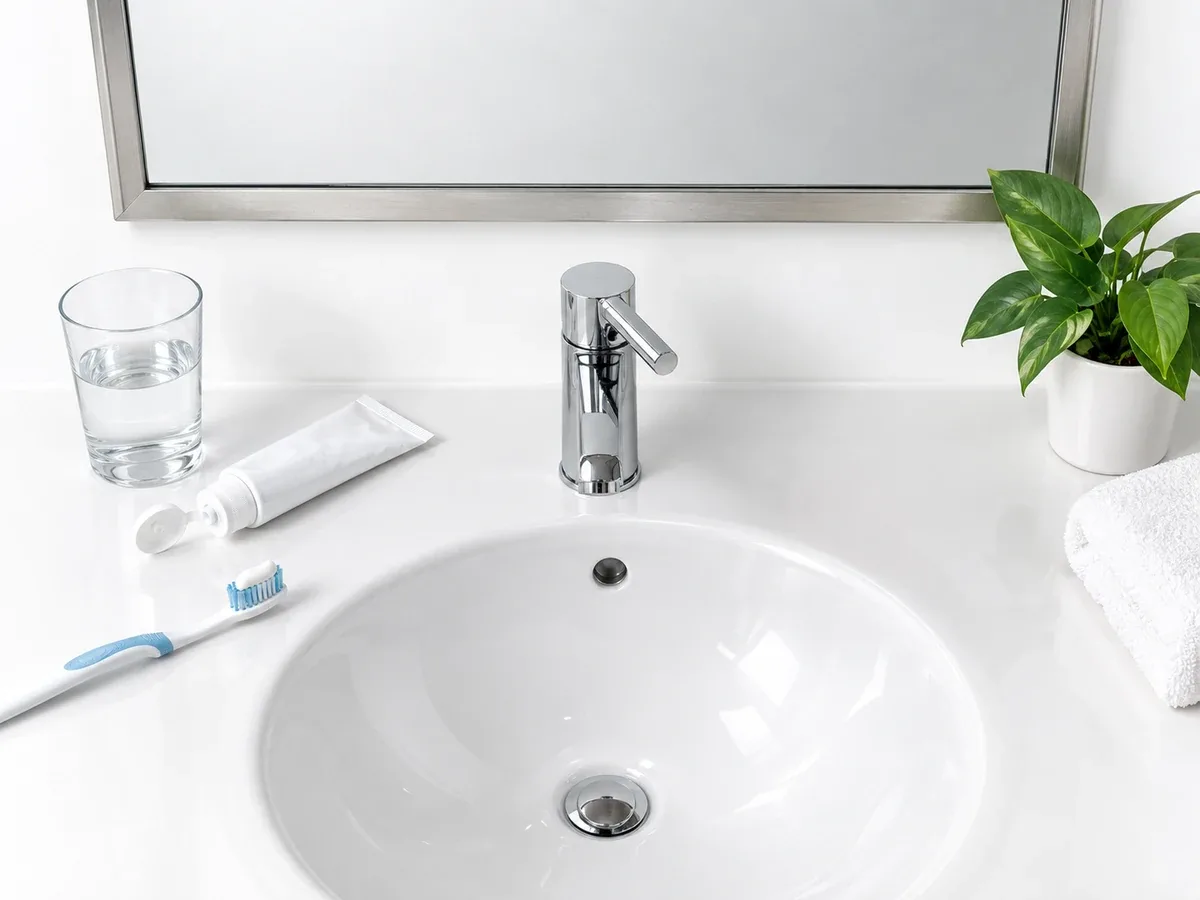
The national portal's page on oral disease prevention sets out a standard for daily self-care. It is simple, but each item has a reason behind it.
Brush at least twice a day with fluoride toothpaste, for at least two minutes, while looking in a mirror. Flossing is essential. If the gum and bone have receded and the gaps between teeth are wide, add an interdental brush.
One item is often overlooked. Rinsing less after using fluoride toothpaste makes it work better. Rinsing many times washes away the fluoride that should stay on your teeth.
Another item concerns acidic drinks. If you have had one, wait 30 minutes before brushing. This avoids scrubbing a surface that the acid has just softened.
Check-ups are recommended once a year. If you have had dental treatment before, the recommended interval is every six months.
| Item | What the source says |
|---|---|
| Brushing | At least twice a day with fluoride toothpaste, for two minutes or more, looking in a mirror |
| Floss | Essential; add an interdental brush if the gaps are wide |
| Rinsing | Rinsing less after fluoride toothpaste makes it work better |
| Acidic drinks | Brush 30 minutes after drinking one |
| Check-ups | Once a year, or every six months with a history of treatment |
If you want a short routine to follow tonight, here it is:
- Put fluoride toothpaste on your brush and stand in front of a mirror.
- Brush for at least two minutes, covering every surface.
- Floss, and use an interdental brush where the gaps are wide.
- Spit out the foam and rinse lightly, not many times.
- After an acidic drink, wait 30 minutes before you brush.
When do adults in Busan need fluoride treatment more?
The national portal's page on dry mouth lists how to manage it. Alongside adjusting any medicine that causes it, the list includes regular fluoride application, check-ups every six months, drinking water and sugar-free gum.
The reason is in the same source. When saliva decreases, tooth decay and gum disease get worse quickly.
Saliva rinses the mouth and neutralizes acid. It also supplies the calcium and phosphate that remineralization needs. When that flow drops, the balance tips toward demineralization.
The source lists several causes of dry mouth:
- taking medications
- radiation therapy
- Sjögren's syndrome
- stress
- aging
It also lists the problems a dry mouth can bring:
- difficulty swallowing and speaking
- tooth decay
- bad breath
- changes in taste
The Asan Medical Center entry adds two more situations. In people with diabetes whose blood sugar is poorly controlled, saliva flow drops and decay-causing bacteria become more active, so caries develops easily.
After radiation therapy, salivary gland function can fall, and a lot of decay can follow. If you take several medicines, or your mouth feels drier as you get older, fluoride treatment is not just for children.
Here is how the sources describe managing a dry mouth, side by side with the reason behind each step. Regular fluoride treatment sits in the middle of that list.
| Step | Why it matters |
|---|---|
| Adjusting the medicine that causes it | Medications are one of the listed causes of dry mouth |
| Regular fluoride application | With less saliva, decay gets worse quickly, so the rebuilding side needs support |
| Check-ups every six months | Decay and gum disease can progress faster in a dry mouth |
| Drinking water | Helps with the dryness itself |
| Sugar-free gum | Listed by the source as part of dry mouth management |
None of these steps replaces the others. For an adult with a dry mouth, fluoride treatment is one part of this whole routine.
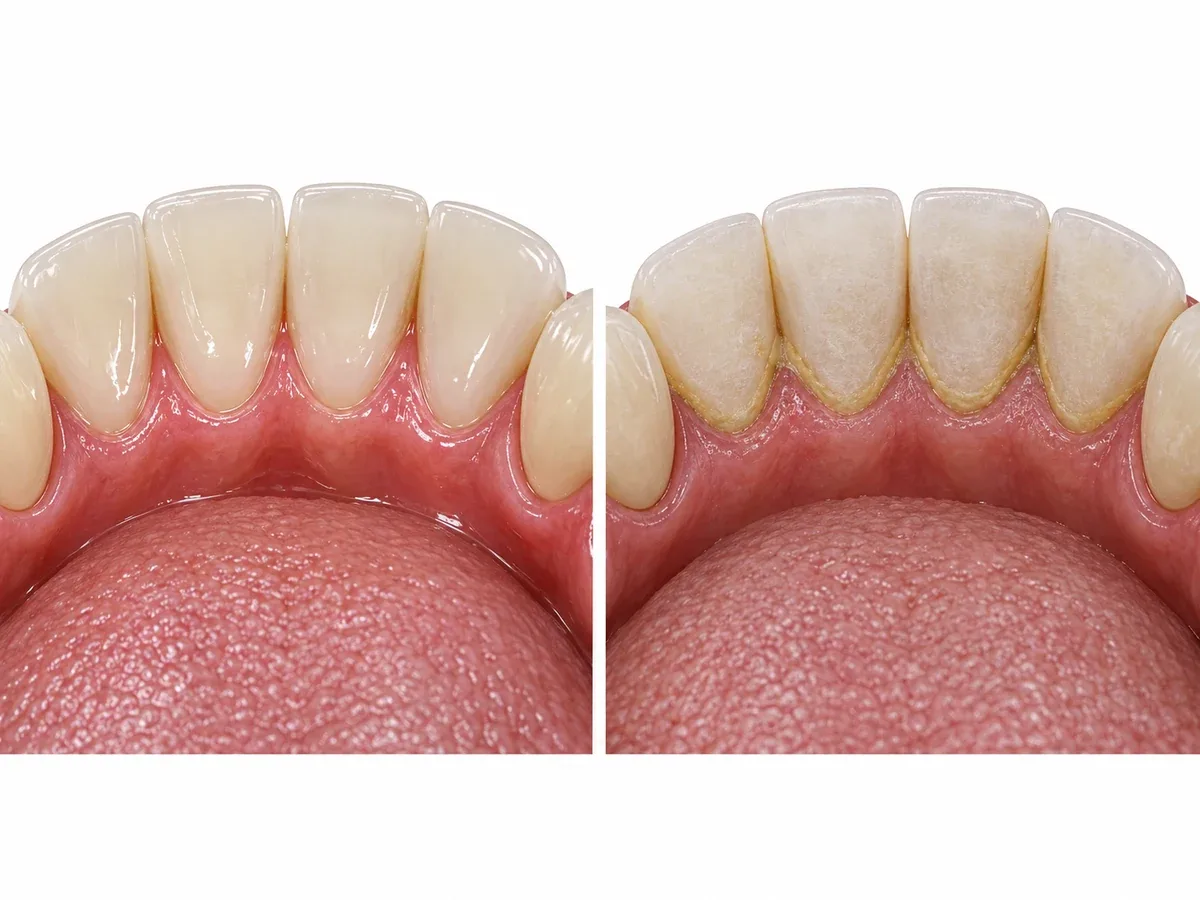
What if decay has already gone past the early stage?
Fluoride has a clear role, but it also has limits. Knowing where that line sits helps you set the right expectations.
The sources include stopping progression in the purpose of fluoride treatment. That applies to early decay, while it is still within the enamel.
Once caries has reached the dentin, the Asan Medical Center entry describes a different treatment. The decayed area is completely removed and then filled with gold or tooth-colored resin.
You usually cannot tell the stage by feel alone, because early decay hurts so little. Whether a spot can still be reversed is checked with X-rays and an examination.
That is one more reason to keep regular check-ups. A white spot found before the surface breaks down still leaves room for fluoride treatment to help.

Frequently asked questions
Can adults get fluoride treatment?
Yes. The sources do not limit fluoride treatment by age, and the dry mouth guide includes regular fluoride application in its management. If you get cavities often or your mouth feels dry, it is worth asking about.
Is fluoride harmful to the body?
The sources describe fluoride as a trace element the body needs. They also state clearly that misuse of high-concentration professional products can cause acute and chronic toxicity. That is why high-concentration application is done under professional judgment and control, while home toothpaste and mouth rinse are low-concentration products.
If I use fluoride toothpaste, do I still need fluoride treatment?
The two differ in strength. The sources name fluoride toothpaste and mouth rinse as typical self-applied products, and describe professional application as high-concentration. We treat home care as the base and add professional treatment when the risk is higher.
Can I get fluoride treatment in English in Busan?
Yes. We offer 1:1 English interpretation from the first consultation through the end of treatment. The clinic is near Seomyeon Station Exit 2 (5-min walk), opposite Lotte Hotel Busan, and you can call 010-8555-2854 (+82-10-8555-2854 from abroad).
Fluoride works the same way at any age.
Tooth surfaces are always losing and regaining mineral.
Fluoride helps the rebuilding side,
and a dry mouth tips the balance the other way.
If you are wondering whether fluoride treatment makes sense for you in Busan, Reset Dental Clinic offers 1:1 English interpretation from your first consultation through the end of treatment. Call 010-8555-2854 to book a check-up.
References
- KDCA National Health Information Portal, "Fluoride Application" — the purpose of fluoride application (preventing decay or stopping its progression); how plaque bacteria break down carbohydrates into acids such as lactic acid; the definitions of demineralization and remineralization; fluoride as a trace element the body needs; professional high-concentration application by a dentist or hygienist, and the risk of acute and chronic toxicity from misuse; self-applied low-concentration products such as fluoride toothpaste and mouth rinse
- KDCA National Health Information Portal, "Oral Disease Prevention and Management" — brushing at least twice a day with fluoride toothpaste for two minutes or more while looking in a mirror; floss as essential, with interdental brushes for wide gaps; rinsing less after fluoride toothpaste; brushing 30 minutes after acidic drinks; yearly check-ups, or every six months with a history of treatment
- KDCA National Health Information Portal, "Dry Mouth (Xerostomia)" — causes including medications, radiation therapy, Sjögren's syndrome, stress and aging; symptoms such as difficulty swallowing and speaking, decay, bad breath and taste changes; faster worsening of decay and gum disease when saliva drops; management with medicine adjustment, regular fluoride application, six-monthly check-ups, water and sugar-free gum
- Asan Medical Center Disease Encyclopedia, "Dental Caries" — the definition of caries; how acid from plaque bacteria attacks enamel; symptoms by stage (little pain in enamel, cold sensitivity near the dentin, pain on chewing in the dentin); higher caries risk with poorly controlled diabetes and after radiation therapy; removing decay and filling with gold or tooth-colored resin
Written by Reset Dental Clinic Support Team
Medical review Dr. Kim Hyun-joo, Head Dentist · Integrated Dentistry Specialist
Last updated: September 19, 2026
This column is for general information and does not replace diagnosis or treatment for individual patients. If you have symptoms, please see a dentist.


