- A jaw dislocation is when the lower jaw slips forward or to the side. It mostly happens while yawning, laughing hard, after an injury or with the mouth open for a long time.
- In an acute case, the mouth cannot close, it hurts, and the bite and swallowing are affected.
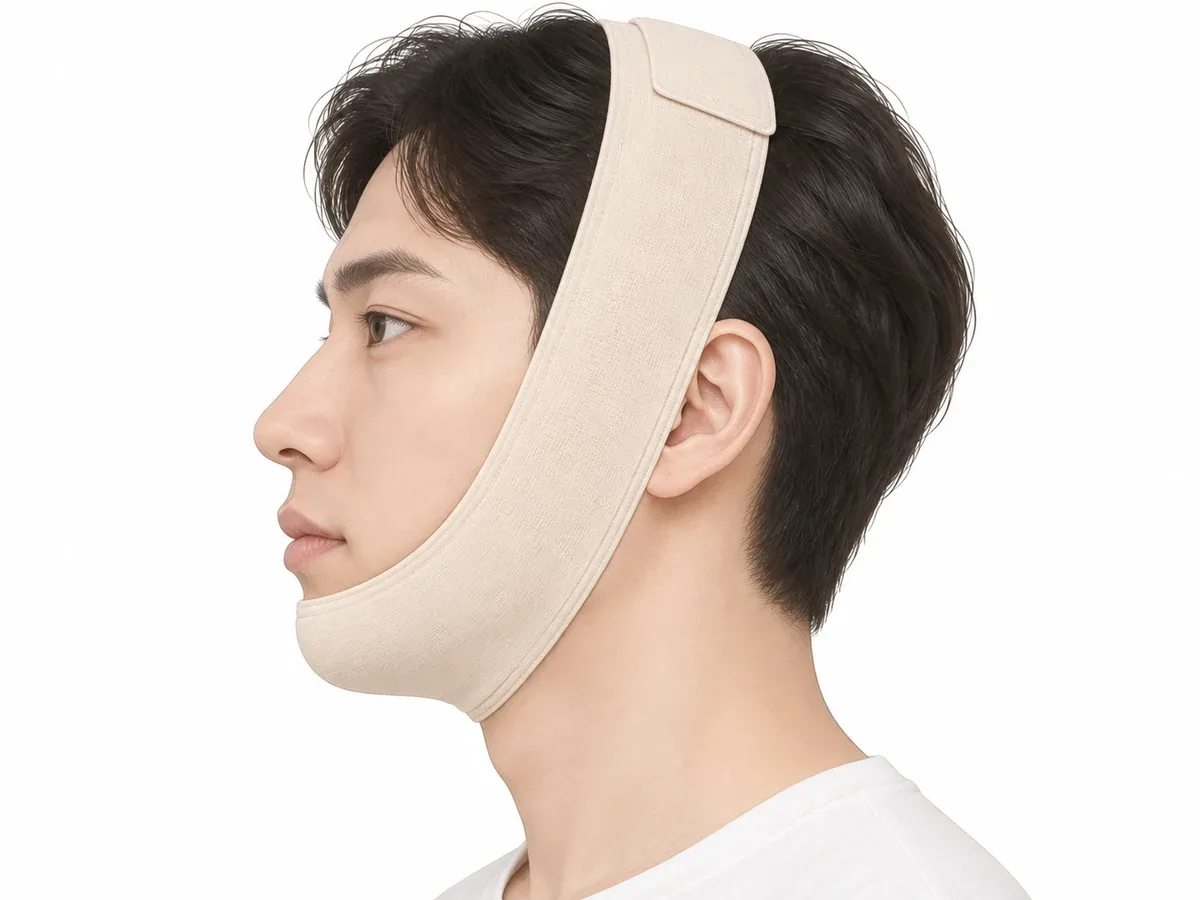
- Treatment pushes the lower jaw back into place, and the jaw is then wrapped with an elastic bandage for 2–3 days.
- After one dislocation, care is needed so that it does not become habitual, and your dentist should know your history.
Some patients at our clinic in Seomyeon, Busan tell us their jaw came out during a big yawn, or while taking a large bite of a lettuce wrap. It is not rare, and once the jaw is put back it usually feels better quickly. For patients living in or visiting Korea, we provide 1:1 English interpretation from the first consultation through the end of treatment.
The real issue is what comes next, because a jaw that has come out once can come out again more easily. This column draws on the Asan Medical Center disease encyclopedia entries on jaw dislocation, TMJ disorders and facial asymmetry, and the KDCA National Health Information Portal page on teeth grinding.
What is a jaw dislocation?
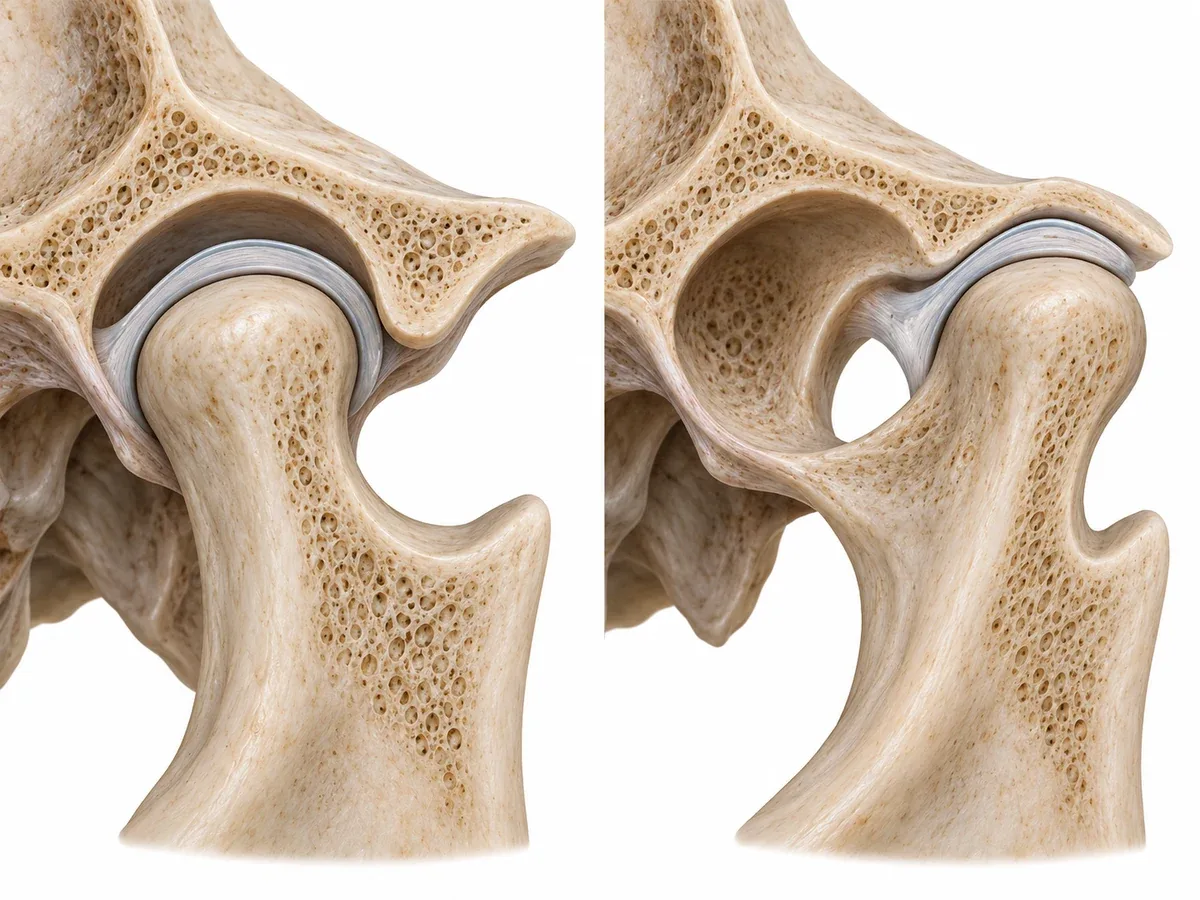
The Asan Medical Center encyclopedia describes jaw dislocation as a condition in which the lower jaw slips forward or to the side for some reason. The joint no longer sits where it should.
The source gives two kinds of background. In some people, the anatomy of the jaw joint makes it come out easily.
In others, it happens because the joint capsule and ligaments around the jaw joint have become loose. Either way, the joint is less able to stay in place.
The source also says when it tends to happen:
- while yawning
- while laughing hard
- after an injury
- when the mouth stays open for a long time
- rarely, while singing
You can probably see what these have in common. Each one involves opening the mouth wide, or keeping it open for a long time.
| Factor | What the source says |
|---|---|
| Anatomy | In some people, the jaw joint comes out easily by its structure |
| Loose tissue | The joint capsule and ligaments around the joint have become loose |
| Situations | Yawning, laughing hard, injury, opening the mouth for a long time, rarely singing |
What happens when the jaw dislocates?
The source separates acute and chronic cases. The signs are quite different.
In an acute jaw dislocation, the following appear:
- the mouth cannot close
- pain
- a bad bite (malocclusion)
- trouble swallowing
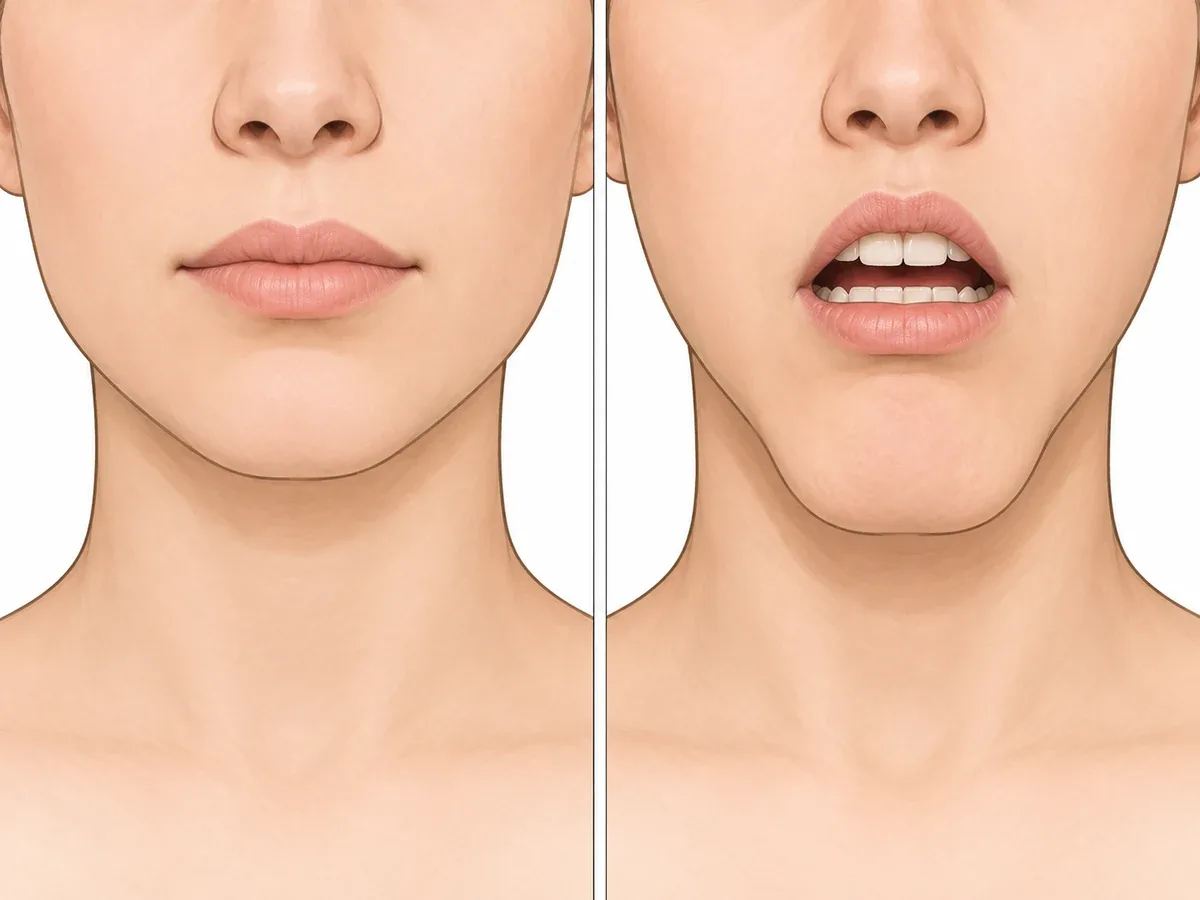
In a chronic case, facial asymmetry and a bad bite develop. Speech becomes unclear, and trouble chewing makes meals and daily life hard.
Diagnosis is usually not difficult. The source says a dislocated jaw can be easily diagnosed because the shape of the face visibly changes.
Even so, X-rays and CT scans are taken when a dislocation has happened. They are used to look at the anatomy of the jaw joint.
| Type | What the source says |
|---|---|
| Acute | The mouth cannot close, it hurts, and a bad bite and trouble swallowing appear |
| Chronic | Facial asymmetry, a bad bite, unclear speech, and trouble chewing that makes meals and daily life hard |
| Diagnosis | Easy to see because the face changes shape; X-rays and CT are taken |
The chronic signs are worth noting. The facial asymmetry entry also lists an uneven bite and chewing mainly on one side among its typical features.
That entry describes facial asymmetry as a difference in the length or area of the two sides of the face, with the line of the lips not level. It also lists a center line between the eyebrows and chin that does not match, and upper and lower teeth whose centers do not line up.
So a chronic jaw dislocation is not just a problem of the joint. Over time, it can show up in the face and the bite as well.
How is a jaw dislocation treated?
Since the lower jaw has come out, the treatment is to push the lower jaw back into its original position. The source states this plainly.
If the patient is in severe pain, general anesthesia is sometimes used. That tells you how tense the muscles around the joint can be.
After treatment, the jaw is wrapped with an elastic bandage for 2–3 days so it does not come out again. Putting the jaw back is not the end of the job.
The bandage gives the loosened area time to settle. It also keeps the mouth from opening wide during those first days.
It is wiser not to force the jaw back by yourself. The source mentions general anesthesia for severe pain because pushing hard against tense muscles makes the job harder, not easier.
If your mouth will not close, leave it as it is and get medical care. Forcing it can strain the muscles and ligaments.
Put together, the course of a typical acute jaw dislocation looks like this:
- The mouth will not close after a yawn, a wide bite or an injury.
- You avoid forcing it and seek medical care.
- The jaw is examined, with X-rays and CT to see the joint.
- The lower jaw is pushed back into place, under general anesthesia if pain is severe.
- An elastic bandage holds the jaw for 2–3 days.
- Afterwards, you take care so the jaw dislocation does not become habitual.
How can you keep it from happening again?
The source's advice is short but clear. If your jaw has come out once, take care so that it does not become habitual.
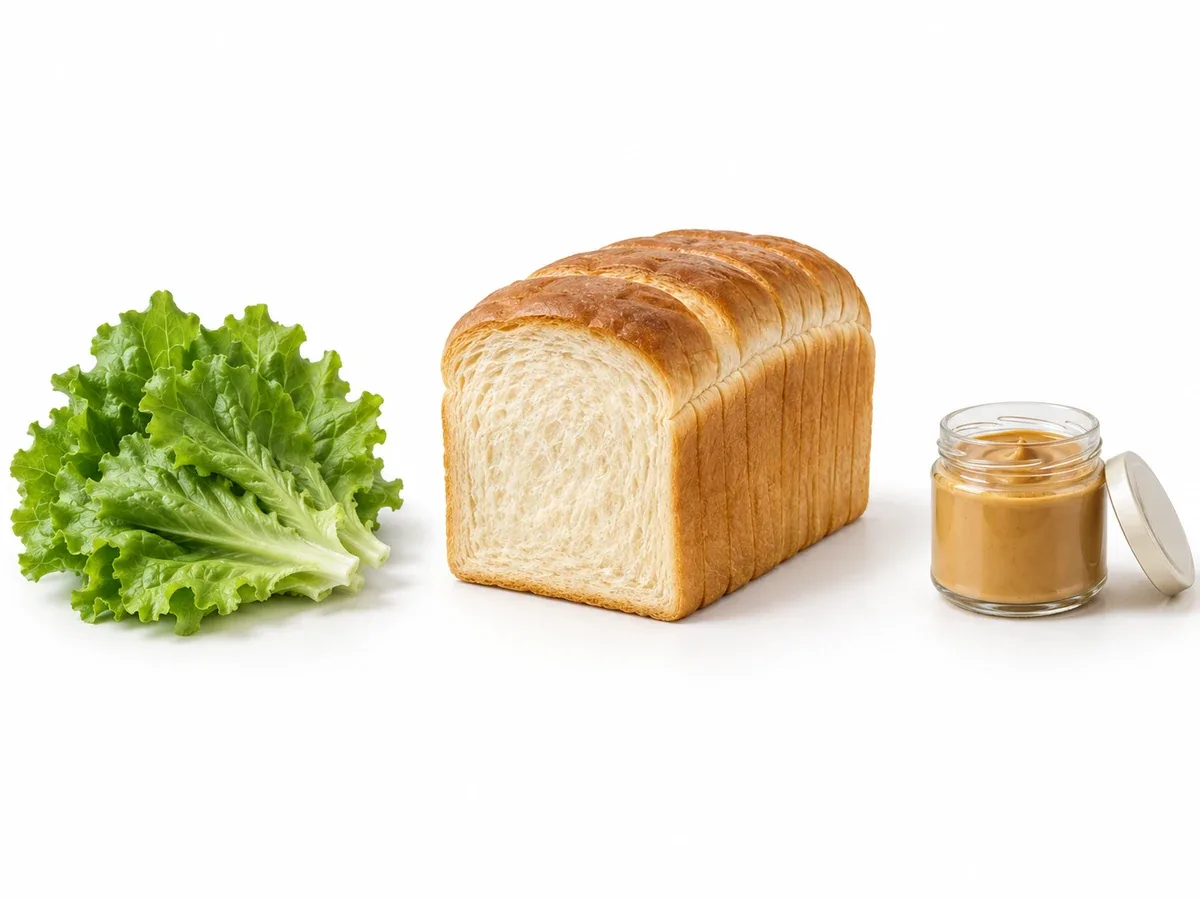
It says to be careful when yawning or eating large bites, such as a Korean lettuce wrap. In short, avoid the wide-open moments listed earlier.
The Asan entry on TMJ disorders gives five cautions that are also worth following:
- avoid opening the mouth wide
- avoid staying tense for long periods
- build a habit of keeping the upper and lower teeth apart
- put a warm compress on the painful area
- avoid hard and chewy foods
Small habits help here. Knowing the risky moments in advance makes it easier to open a little less when they come.
Each caution links back to the causes of jaw dislocation. Opening wide is the direct trigger, so it comes first on the list.
Keeping the teeth apart at rest and avoiding long tension give the jaw muscles a break. Avoiding hard and chewy foods spares the joint from long, heavy chewing.
| When | What the source says |
|---|---|
| Treatment | The lower jaw is pushed back into place (general anesthesia is sometimes used for severe pain) |
| After treatment | The jaw is wrapped with an elastic bandage for 2–3 days so it does not come out again |
| Daily life | Take care when yawning or eating large bites such as lettuce wraps |
| Dental visits | Tell the dentist your history in advance, as the jaw can come out during treatment |
Is jaw dislocation the same as a TMJ disorder?
They overlap, but they are not the same thing. A TMJ disorder is a broad term covering several conditions of the chewing muscles and the jaw joint.
A jaw dislocation is a specific event in which the lower jaw leaves its joint position. One is a category, the other is something that happens.
Still, the TMJ disorder entry includes a telling line. In severe cases, the mouth cannot open, or suddenly cannot close.
We read this as a sign that a jaw joint which is already unstable may dislocate more easily. The causes of jaw dislocation also include a loosened joint capsule and ligaments.
The TMJ disorder entry lists pain in the ear, cheek or temple when opening the mouth, and a clicking sound. It names injury and stress as the biggest causes, along with long chewing of hard food and clenching.
It also warns that a TMJ disorder left alone for a long time can lead to arthritis, jaw asymmetry and a mouth that barely opens. If you have these signs as well as a past jaw dislocation, both are worth checking together.
| Item | Jaw dislocation | TMJ disorder |
|---|---|---|
| What it is | The lower jaw slips forward or to the side | A broad term for conditions of the chewing muscles and joint |
| Main causes | Joint anatomy, loose capsule and ligaments, wide opening | Injury and stress; chewing hard food, clenching |
| First treatment | Pushing the jaw back, then an elastic bandage for 2–3 days | Conservative care, mainly physical therapy and bite splints |
| If it continues | Chronic cases bring facial asymmetry and a bad bite | Arthritis, jaw asymmetry and limited opening |
If you grind your teeth, it is worth paying extra attention. The KDCA page on teeth grinding lists these effects:
- tooth wear and fractures
- gum disease
- TMJ disease
- headaches
The page links grinding with stress, sleep disorders, smoking, drinking, caffeine and certain medicines. It also states that a misaligned bite is not a cause of grinding.
The same page names a stabilization splint as the most widely used treatment for grinding. It is combined with botulinum toxin injections, stress management and cognitive behavioral therapy.
What should your dentist in Busan know?
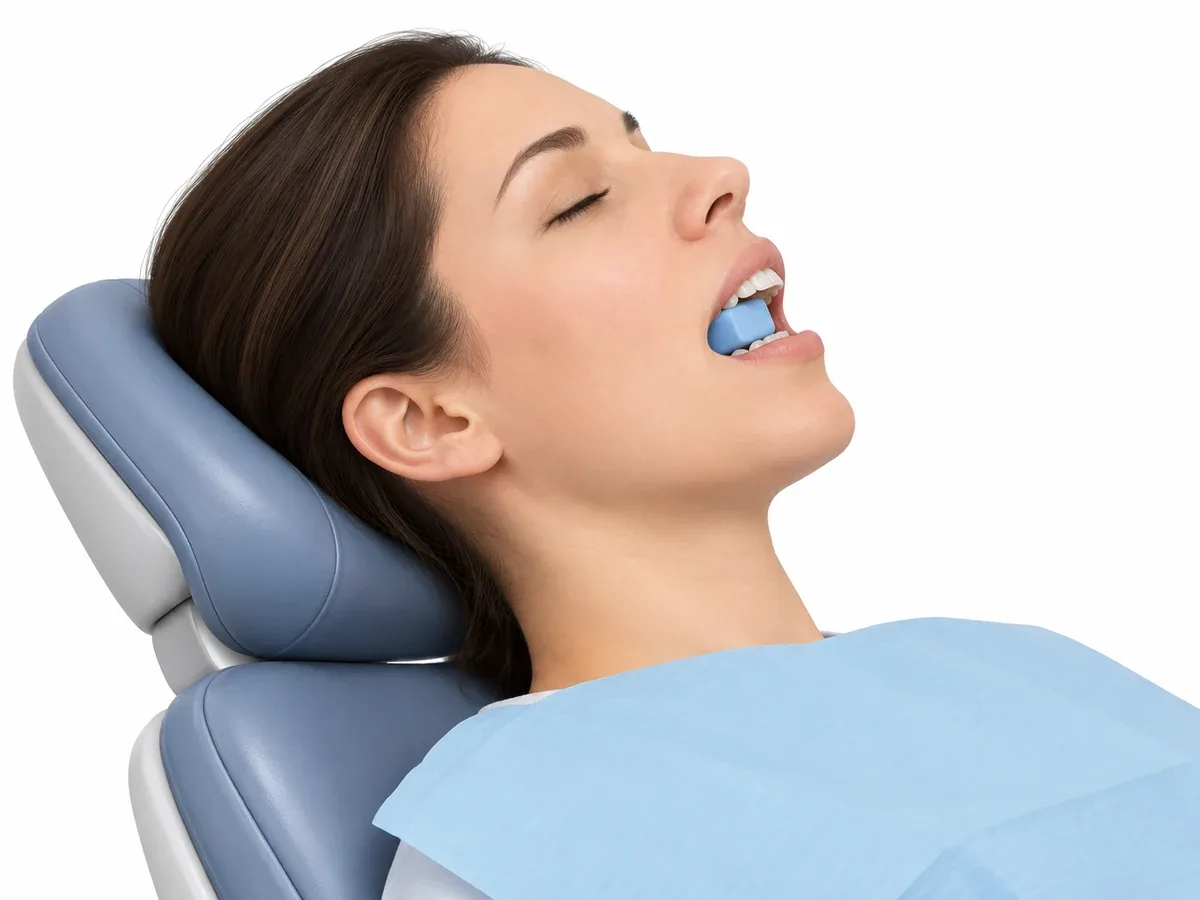
There is one line in the source that matters most for anyone visiting a dentist. Because the jaw can come out during dental treatment, you should tell your dentist about your history in advance.
Many dental procedures require the mouth to stay open for a long time. That is exactly one of the situations the source links with jaw dislocation.
If we know beforehand, the treatment can be adjusted. We can add short breaks, limit how wide the mouth opens and use a bite rest.
A long procedure can also be split into shorter sessions. The aim is to get the dental work done without putting the jaw in a risky position.
Before your appointment, it helps to have these details ready:
- when your jaw first came out, and what you were doing
- how many times it has happened since
- whether it went back by itself or needed treatment
- whether you grind or clench your teeth
Frequently asked questions
My jaw went back by itself. Do I still need to see someone?
Even a single jaw dislocation is worth noting down. The source's warning about it becoming habitual means it can happen again, and chronic cases can lead to facial asymmetry, a bad bite and speech problems.
Can I put my jaw back at home?
We do not recommend it. The source says the jaw is pushed back into place, sometimes under general anesthesia when pain is severe. If your mouth will not close, leave it and get medical care, as forcing it can strain the muscles and ligaments.
My jaw keeps coming out. Do I need surgery?
The source lists putting the jaw back and an elastic bandage as the treatment, and does not present surgery as the usual step. What comes next for repeat cases depends on your condition, so first record how often it happens and in what situations.
Can I get this checked in English in Busan?
Yes. We provide 1:1 English interpretation from the first consultation through the end of treatment. The clinic is near Seomyeon Station Exit 2 (5-min walk), opposite Lotte Hotel Busan; call 010-8555-2854 (+82-10-8555-2854 from abroad).
Putting the jaw back is the first step. Keeping it from coming out again is the real goal.
Open less when you yawn,
take smaller bites,
and tell your dentist about any past jaw dislocation.
If you have had a jaw dislocation and need dental care in Busan, Reset Dental Clinic offers 1:1 English interpretation from your first consultation through the end of treatment. Call 010-8555-2854 to book.
References
- Asan Medical Center Disease Encyclopedia, "Jaw Dislocation" — definition, anatomy and loose capsule and ligaments as causes, typical situations, acute and chronic signs, diagnosis by appearance with X-ray and CT, pushing the jaw back with general anesthesia if pain is severe, a 2–3 day elastic bandage, and cautions including telling your dentist in advance
- Asan Medical Center Disease Encyclopedia, "Temporomandibular Joint Disorder" — definition, causes including injury and stress, symptoms such as sudden inability to close the mouth, conservative treatment first, the course if left untreated, and daily cautions
- Asan Medical Center Disease Encyclopedia, "Facial Asymmetry" — definition, acquired asymmetry after childhood jaw injury, typical features such as a shifted dental midline and one-sided chewing, and diagnostic tests
- KDCA National Health Information Portal, "Teeth Grinding (Bruxism)" — sleep and daytime bruxism, related factors, the note that malocclusion is not a cause, effects including TMJ disease, and treatment with a stabilization splint
Written by Reset Dental Clinic Support Team
Medical review Dr. Kim Hyun-joo, Head Dentist
Last updated: September 19, 2026
This column is for general information and does not replace diagnosis or treatment for individual patients. If you have symptoms, please see a dentist.