

- In one orthodontic treatment dispute, the care could not be judged: there were no first-visit records or X-rays.
- Explain realistic, achievable goals and side effects, then start after written consent.
- Check and record any jaw joint history before treatment.
- Confirm who treats you and how often you are checked.
Once orthodontic treatment begins, it stays with you for years. What is checked and recorded on the first day shapes much of how satisfied you feel on the last. For patients living in or visiting Korea, our clinic in Seomyeon, Busan provides 1:1 English interpretation from the first consultation through the end of treatment.
This column sets out what to check before you start. It draws on dispute cases reported by Dailydental, the newspaper of the Korean Dental Association. It also uses Asan Medical Center's public information on jaw joint disorders.
Were records taken on the first day?
The national agency that mediates medical disputes shared a long orthodontic treatment dispute. The first problem it raised was about records.
The agency found no first-visit records and no X-ray images. So it said it was hard to judge whether the care had been appropriate.
Being unable to judge hurts both sides. The patient cannot show what the teeth looked like at the start. The dentist cannot prove what has improved.
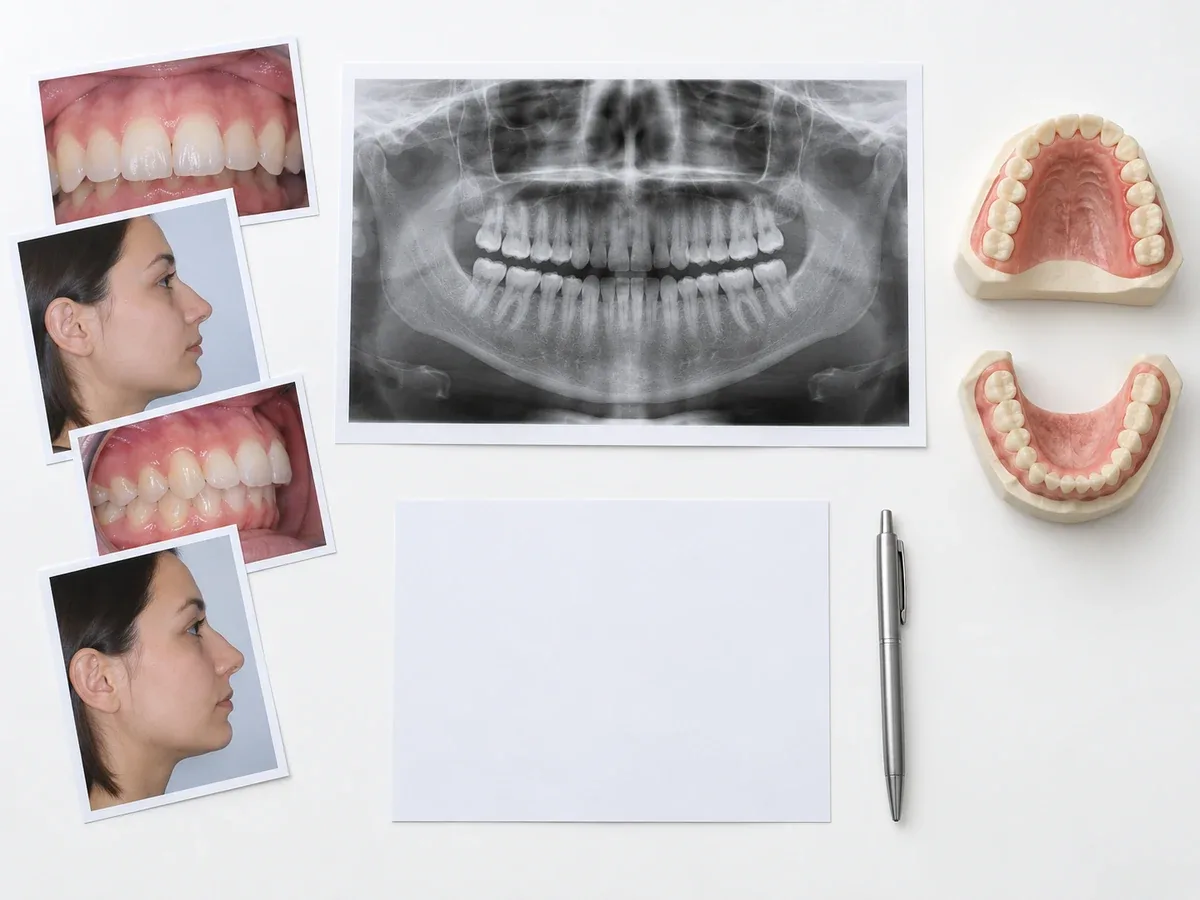
That is why the first day of orthodontic treatment usually includes X-rays, photos and models. Asan Medical Center's page on dental arch problems lists the records used for diagnosis:
- X-rays that show the whole head and all of the teeth
- photos of the face
- photos inside the mouth
- models of the teeth
Together, these show how the upper and lower teeth relate to each other. They are the basis for the diagnosis. They are also the yardstick for every comparison later.
| Record | What it shows | Later use |
|---|---|---|
| X-rays of the head and teeth | How the teeth and jaws relate overall | Basis for the diagnosis |
| Facial photos | The face at the start | Comparing change over time |
| Intraoral photos | The teeth and gums at the start | Comparing change over time |
| Dental models | How the upper and lower teeth meet | Checking progress side by side |
Have you agreed on the goal in the same words?
The agency also looked at explanations. Orthodontic treatment requires keeping the patient informed, even during treatment. That includes the current state of the teeth, the plan and the time still needed.
In this case, the agency found no consent form and no sign of a proper explanation. It held the clinic responsible for not explaining enough.
The Korean Dental Association's director of legal affairs commented on the case. A patient's expectations and the goals a dentist can reach may not match. So the goals need a full explanation, clear talk and agreement in advance.
The director also listed what to cover before orthodontic treatment starts. Once these are explained, treatment should begin after written consent.
- an accurate diagnosis
- several realistic goals that can actually be reached
- possible side effects
In another case, an official of the mediation agency added a point. Orthodontic treatment carries a duty to the process and also a duty to the result.
That is why matching goals before orthodontic treatment matters so much. "Straighter teeth" can mean different things to a patient and to a dentist.
A written agreement works well when it records the points below. Each comes from the advice in the dispute cases.
- the diagnosis and the records it was based on
- the goals that can be reached, and what is hard to reach
- the expected time, and what could make it longer
- possible side effects
- how often you will be checked, and by whom
Read it before you sign, and keep a copy. If anything is unclear, ask before treatment starts rather than halfway through.
Has your jaw joint been checked?
In the same article, a vice president of the Korean Academy of Dental Science gave clear advice. A history of jaw joint disorders should be carefully checked and recorded before orthodontic treatment.
A detailed jaw joint exam should also be part of the orthodontic diagnosis. If a problem appears during treatment, the dentist should respond properly, for example with a referral to oral medicine. This helps prevent disputes later.
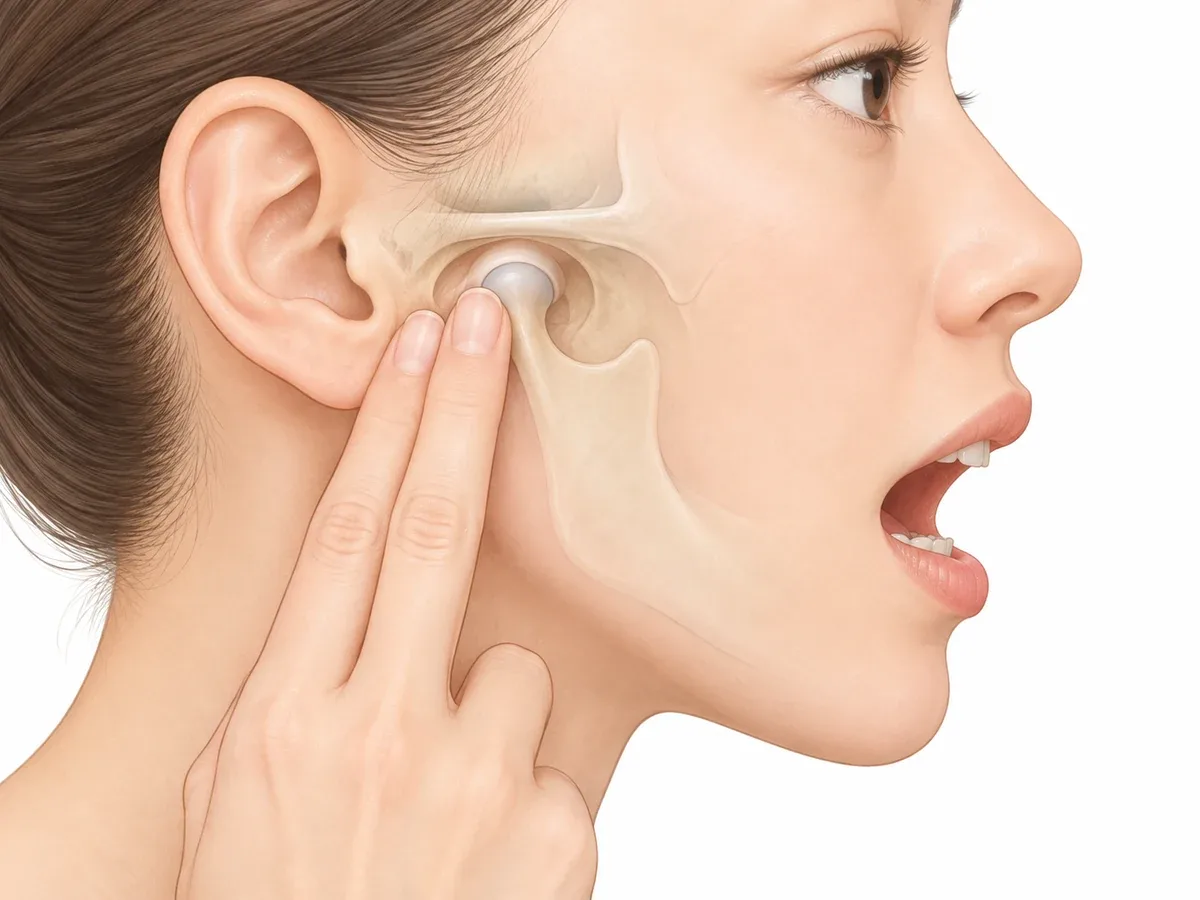
Asan Medical Center's page on temporomandibular disorder (TMD) shows why this advice carries weight. TMD is a term covering several conditions of the chewing muscles and the jaw joint.
The page lists these symptoms:
- pain around the ear, cheek or temple when opening the mouth
- a clicking sound from the jaw
- in severe cases, being unable to open the mouth
- in severe cases, suddenly being unable to close it
Left alone for a long time, these problems can lead to arthritis, jaw asymmetry and limited mouth opening. Diagnosis uses a bite exam, X-rays, MRI and electromyography, a test of muscle activity.
| Item | What the source says |
|---|---|
| What it is | Several conditions of the chewing muscles and the jaw joint |
| Symptoms | Pain near the ear, cheek or temple, clicking, trouble opening or closing |
| Diagnosis | Bite exam, X-rays, MRI, electromyography |
| If left untreated | Arthritis, jaw asymmetry, limited mouth opening |
So if your jaw clicks now, or has ever hurt, mention it at the orthodontic treatment consultation, even if it seems minor. Whether it is in the record or not can make a big difference later.
Who will see your orthodontic treatment through to the end?
The Korea Consumer Agency shared a case of clear aligner treatment that lasted four years. One problem it pointed out was that the treating dentist changed several times without prior explanation.
The same case raised other problems too. Enamel between the teeth was reduced too much, and attachments were not used when the aligners were not working well enough.
The clinic was found to have failed its duty of care and was ordered to pay damages. An agency official also noted another problem. The patient's condition was not checked closely every 4–6 weeks.
How often you are seen, and who sees you, are part of the plan. In long orthodontic treatment, it helps to confirm these points:
- whether the dentist who made the diagnosis and plan will see you to the end
- how you will be told if the treating dentist changes
- how your records will carry over from one visit to the next
- how often your progress will be checked
For expats and students who may move during orthodontic treatment, the last two points matter even more. Records that carry over make a handover much easier.

| Topic | Case finding or advice |
|---|---|
| Records | Without first-visit records and X-rays, the care could not be evaluated |
| Explanation and consent | No consent form and no proper explanation, so the clinic was held responsible |
| Goals | Explain realistic, achievable goals and side effects, then start after written consent |
| Jaw joint | Check and record jaw joint history; do a detailed exam at diagnosis |
| Treating dentist | Dentists changed several times without prior explanation |
| Check-up interval | The condition was not checked closely every 4–6 weeks |
What does the plan actually include?
Orthodontic treatment is not covered by national health insurance. A national survey reported by Dailydental found that fees for the same non-covered dental item vary widely between institutions.
There are reasons for the gap. The report explained it by the extent of the problem, the tooth's position and condition, and the difficulty of the case.
So rather than comparing totals alone, ask what the plan includes. That gives a more accurate picture.
Check which of these are part of the plan:
- diagnostic records
- the appliances themselves
- regular check-ups
- retention care after the braces or aligners come off
| Item | Question to ask |
|---|---|
| Diagnostic records | Are X-rays, photos and models part of the plan? |
| Appliances | Which braces or aligners are planned? |
| Regular check-ups | How often will progress be checked? |
| Retention care | What happens after the appliances come off? |
Dailydental has also reported on illegal dental advertising in a popular app. Luring patients with inducements for profit can breach Article 27 of the Medical Service Act. This is one more reason a price list is a poor first basis for choosing.
What should you ask at an orthodontic treatment consultation in Busan?
We suggest five questions. Each one comes from the cases and advice above.
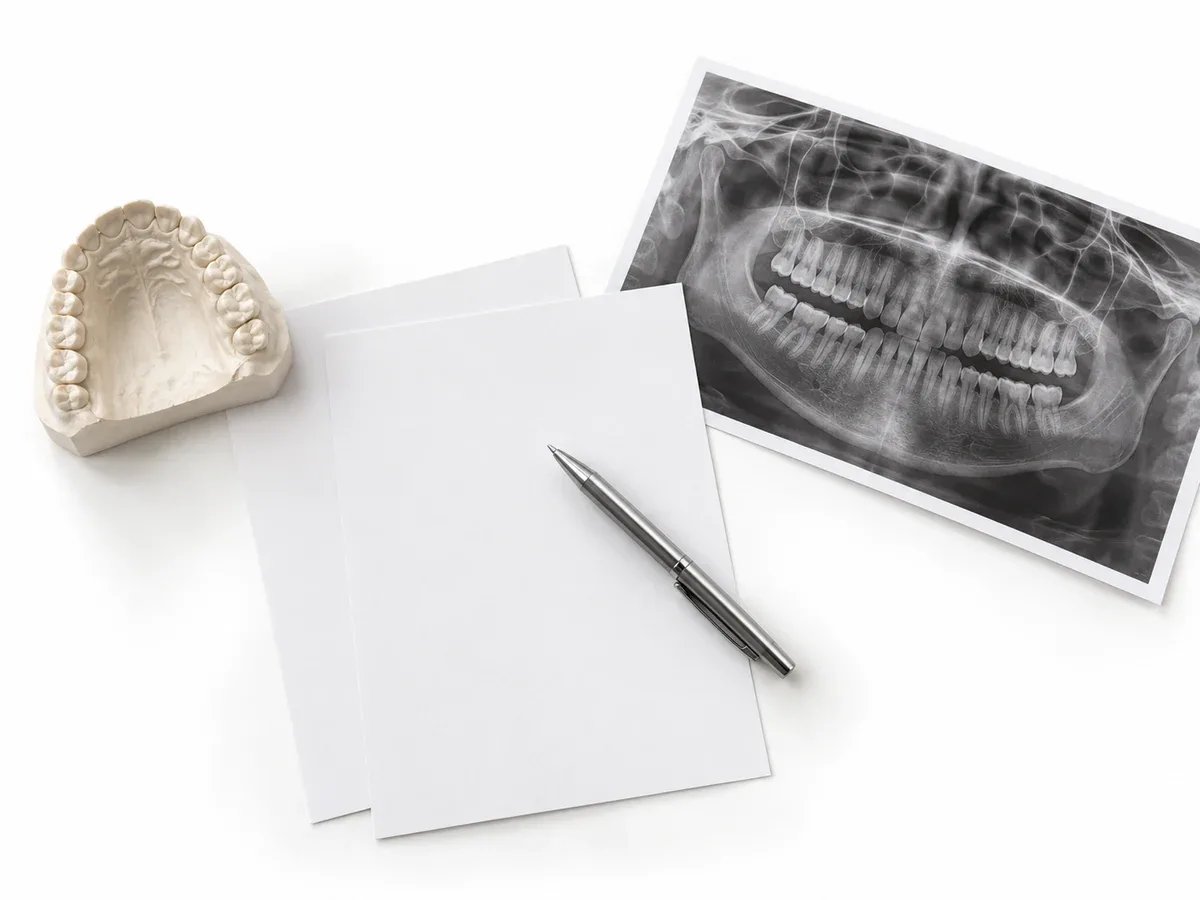
- What records was my diagnosis based on?
- What goals can be reached, and what do you think is hard to reach?
- How long is treatment expected to take, and what could make it longer?
- How often will I be checked, and by whom?
- What does the plan include, from records to retention care?
| Question | Why it matters |
|---|---|
| Records behind the diagnosis | Without first-visit records, the care in one case could not be evaluated |
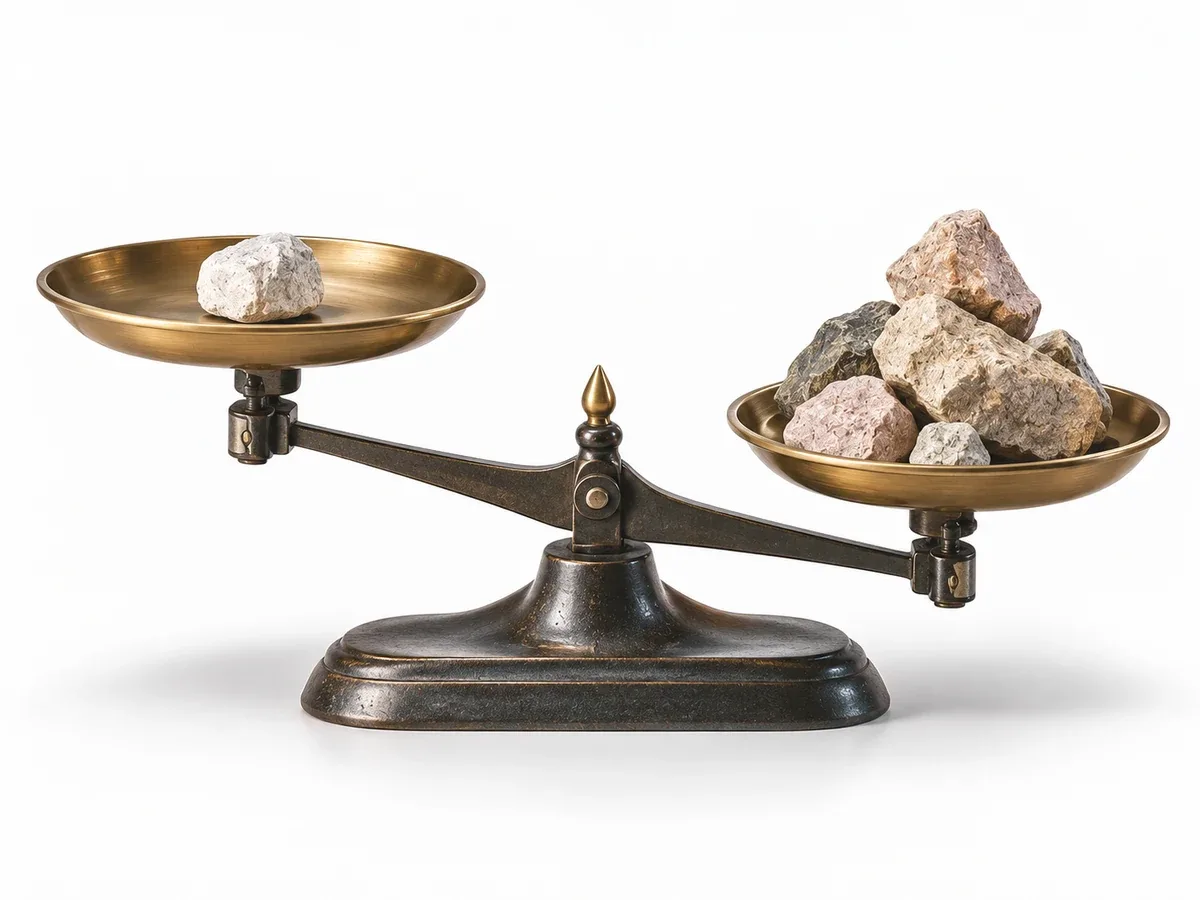
| Reachable and hard goals | Expectations and achievable goals may not match |
| Expected time | Patients should know the time still needed, even during treatment |
| Check-ups and dentist | Unexplained changes of dentist and missed 4–6 week checks were problems |
| What is included | Fees for the same item vary widely between institutions |
You may bring a notebook and write down the answers. You can then compare them with the consent form before you sign.
It is also fine to hear more than one opinion. When you compare, look at the basis of the diagnosis and the goals first.
Differences between institutions mix together difficulty and scope. Two plans can differ for good reasons.
Frequently asked questions
Do I really need to sign a consent form?
One thing the agency pointed out was that there was no consent form. The legal affairs director also advised explaining side effects and starting after written consent. A consent form protects the clinic, but it also records what was promised to you.
Is there anything to check during orthodontic treatment?
Yes. The agency said patients should be kept informed about their teeth, the plan and the time still needed. About once every six months, ask which stage you are in and which first goals remain.
Is it all right to consult more than one clinic?
Yes. When you compare, look at the basis of the diagnosis and the goals rather than the total alone. As the national survey showed, the same item can differ widely between institutions, and that gap mixes together difficulty and scope.
Can I get orthodontic treatment in English in Busan?
Yes. We offer 1:1 English interpretation from the first consultation through the end of treatment. The clinic is near Seomyeon Station Exit 2 (5-min walk), opposite Lotte Hotel Busan, and you can call 010-8555-2854 (+82-10-8555-2854 from abroad).
The first day shapes the last day.
Leave records.
Agree on the goal in writing.
Check the jaw joint before you start.
If you are considering orthodontic treatment in Busan, Reset Dental Clinic offers 1:1 English interpretation from your first consultation through the end of treatment. Call 010-8555-2854 to book a consultation, and bring the five questions above.
References
- Dailydental (Korean Dental Association newspaper), "Set Treatment Goals and Agree in Advance Before Orthodontics" — a long-term orthodontic dispute case shared by the national mediation agency, the finding that the care could not be evaluated without first-visit records and X-rays, the clinic's responsibility for missing consent and explanation, and advice from the association's legal affairs director and a vice president of the Korean Academy of Dental Science on goals, written consent and jaw joint checks
- Dailydental (Korean Dental Association newspaper), "Clear Aligner Treatment: Care Needed With Attachments and Enamel Reduction" — a clear aligner damages case shared by the Korea Consumer Agency: treating dentists changed several times without explanation over four years, excessive enamel reduction, attachments not used, a failure of the duty of care, and the lack of close checks every 4–6 weeks
- Dailydental (Korean Dental Association newspaper), "HIRA Discloses Crown and Implant Fees" — results of the national survey of 42 non-covered dental items, the wide differences between institutions, and the reasons given: extent of decay, tooth position and condition, and difficulty
- Dailydental (Korean Dental Association newspaper), "Illegal Dental Ads Flood an App With 10 Million Users" — cases of excessive price advertising in an app, why it may count as luring patients for profit under Article 27 of the Medical Service Act, and concerns about enforcement
- Asan Medical Center Disease Encyclopedia, "Temporomandibular Disorders" — definition, symptoms such as pain, clicking and trouble opening or closing the mouth, diagnosis with bite exams, X-rays, MRI and electromyography, and the risk of arthritis, asymmetry and limited opening if left untreated
Written by Reset Dental Clinic Support Team
Medical review Dr. Kim Hyun-joo, Head Dentist · Integrated Dentistry Specialist
Last updated: September 19, 2026
This column is for general information and does not replace diagnosis or treatment for individual patients. If you have symptoms, please see a dentist.


