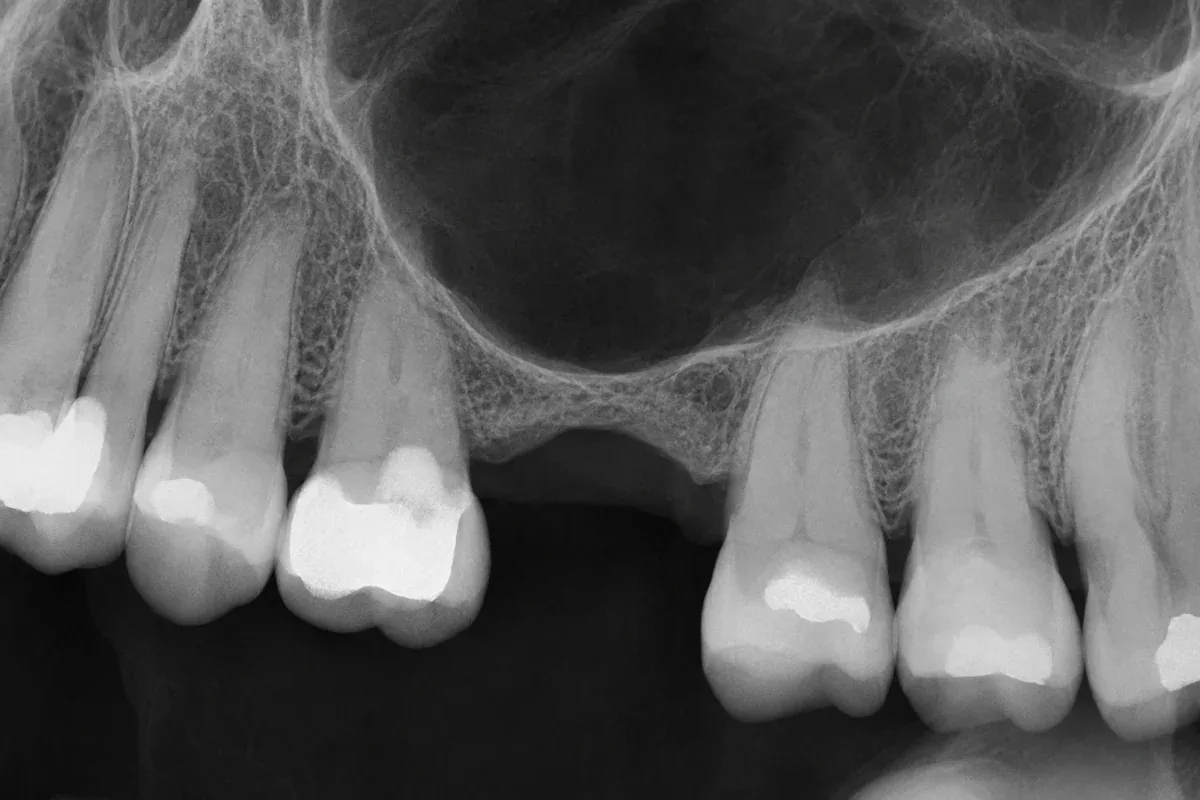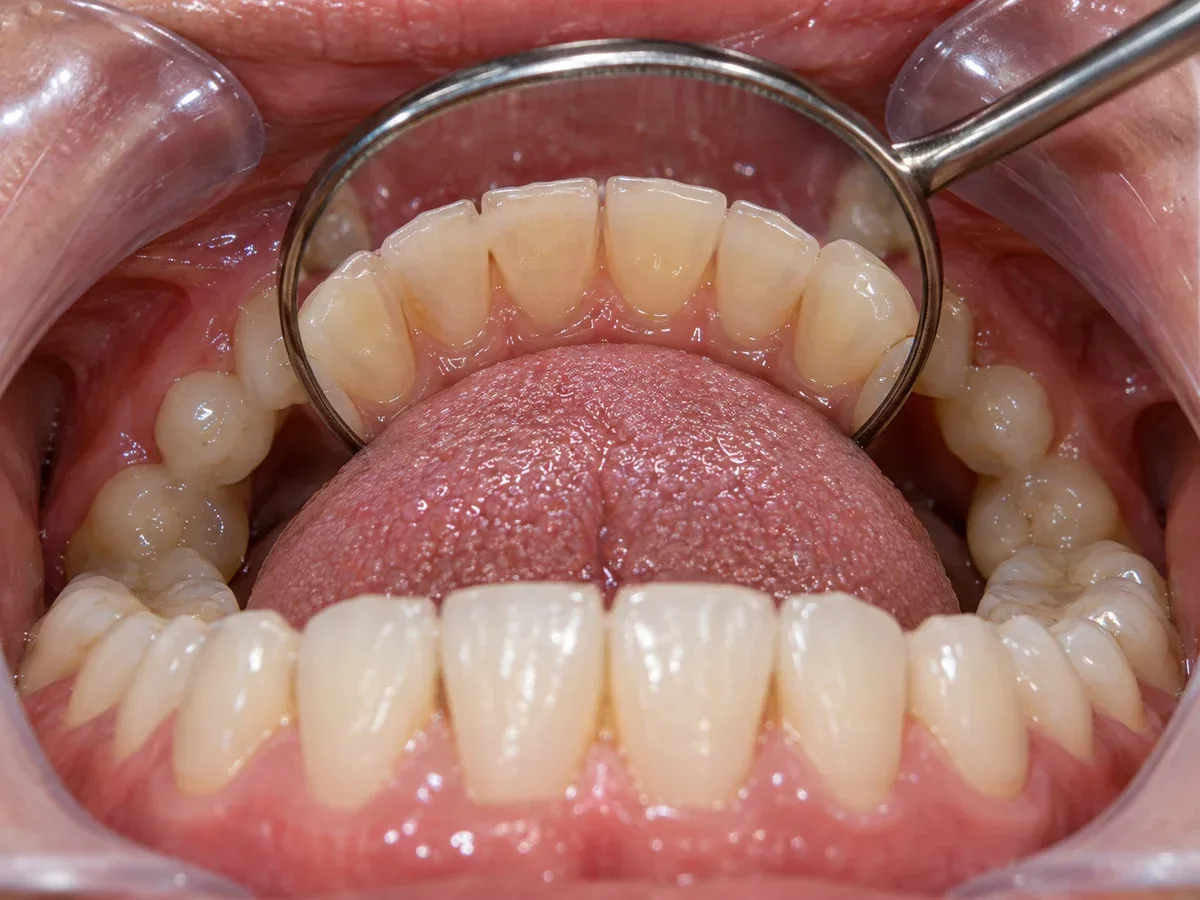
- In pregnancy, estrogen and progesterone rise sharply, and gums react strongly to plaque.
- About half of pregnant women get pregnancy gingivitis.
- It often peaks around the 8th month and eases about 2 months after birth.
- Swollen gums react more to plaque, so daily care matters more.
"My gums have bled when I brush ever since I got pregnant." We hear this often at our clinic in Seomyeon, Busan, and pregnancy gingivitis is usually the reason. At Reset Dental Clinic, expecting mothers can go through every visit with 1:1 English interpretation.
Many women put up with it, thinking the body is simply more sensitive now. Yet public medical sources explain why it happens and even when it tends to settle down.
This column draws on the Asan Medical Center disease encyclopedia entries on gingivitis and chronic periodontitis. It also uses the KDCA National Health Information Portal pages on scaling and on preventing oral disease.
Why do gums swell during pregnancy?
The gingivitis entry explains that gum inflammation is caused by plaque, a film of bacteria that forms on the teeth. When hardened tartar builds up too, the gap between gum and tooth opens, bacteria get in and inflammation starts.
So far, this has nothing to do with pregnancy. It is the basic cause of gum inflammation for everyone.
The entry, however, adds a separate note: gingivitis is linked to female hormones. This is where pregnancy comes in.
The entry gives two times in life when this link shows up clearly.
- In puberty, girls produce high levels of female hormones. Blood vessels in the gums widen, and gum bacteria grow and multiply faster, so gingivitis is common.
- During pregnancy, estrogen and progesterone rise sharply. This can lead to pregnancy gingivitis.
The diagnosis section of the entry gives more detail. When pregnancy sends female hormones up sharply, the gums show a strong inflammatory and overgrowth reaction to local plaque.
As a result, about half of pregnant women experience pregnancy gingivitis. In other words, it is a common condition, not a rare one.
The key point is that the hormones do not create the plaque. They make the gums react more strongly to the plaque that is already there.
That is why pregnancy gingivitis is about how the gums respond, not a sign that you suddenly started brushing badly. The same plaque simply causes a bigger reaction.

Gum problems are also common outside pregnancy. The same entry gives these figures for gum disease in adults.
| Age group | Share with gum disease |
|---|---|
| Adults aged 20 and over | More than 50% |
| Adults aged 35 and over | 75% |
| Middle-aged and older adults, 40 and over | 80–90% |
When does pregnancy gingivitis get worse, and when does it settle?
The source gives a timeline. If pregnancy has caused gingivitis, it starts to get worse around the 2nd to 3rd month of pregnancy.
Pregnancy gingivitis is at its worst between the second and third trimesters, usually around the 8th month. The symptoms then ease about 2 months after giving birth.
The source goes on to recommend a dental visit after that to check your gums. In other words, do not simply leave it once the swelling goes down.
Here is a point that is easy to misread. The swelling easing with time does not mean the tartar that built up meanwhile has gone too.
The swelling may go down, but the cause stays. Tartar does not disappear on its own after the birth.

| When | What the source says |
|---|---|
| Around months 2–3 of pregnancy | It starts to get worse |
| Between the 2nd and 3rd trimesters | It is usually at its worst around the 8th month |
| About 2 months after birth | The symptoms ease |
| After that | A return visit to the dentist to check your gums is recommended |
Knowing this timeline helps you plan. The months when gums are most reactive are the months when daily care needs the most attention.
The source also notes that swollen gums react even more to plaque. So with pregnancy gingivitis, plaque left in place matters even more than usual.
What happens if pregnancy gingivitis is left alone?
The gingivitis entry describes how the condition can move forward. The early signs are easy to spot, and the later ones are more serious.
- the gums turn red
- the gums bleed when you brush
- as it progresses, bad breath can appear
- eating can become uncomfortable
- if it gets worse, it can progress to periodontitis, an inflammation of the tissues around the teeth
The chronic periodontitis entry sets out this progression in four stages. It also notes that early gum disease is usually not painful, and discomfort tends to appear once it is well advanced.
- Gingivitis.
- Early periodontitis.
- Moderate periodontitis, when the gums start to recede and gaps begin to open between teeth.
- Advanced periodontitis.
The same entry lists factors that affect how gum disease progresses. Pregnancy and hormonal changes are both on that list.
- poorly fitting dental restorations and a misaligned bite
- smoking, stress and bad habits
- certain medicines, age and hormonal changes
- general conditions such as diabetes, heart and blood vessel disease, pregnancy and poor nutrition
There is an important difference between the stages. Gingivitis can be reversed.
The entry says gingivitis can usually be brought back to healthy gums by brushing carefully and using floss. Once it becomes periodontitis and bone is lost, however, that bone does not come back by itself.
Gingivitis can be reversed; lost bone cannot. That is the whole reason to act early, during pregnancy and after it.
| Point | Gingivitis, including pregnancy gingivitis | Periodontitis |
|---|---|---|
| What is inflamed | The gums | The tissues around the teeth, including the jawbone |
| Common signs | Red gums that bleed when you brush | Receding gums and gaps opening between teeth |
| Pain | Gum disease is usually not painful early on | Discomfort tends to appear once it is well advanced |
| Can it be reversed? | Usually, with careful brushing and flossing | Lost bone does not come back by itself |
Pregnancy gingivitis sits on the reversible side of this table. Keeping it there is the goal of home care and scaling.
What can you do at home during pregnancy?
First, do the basics more carefully. The KDCA page on preventing oral disease recommends brushing at least twice a day with fluoride toothpaste, for at least 2 minutes, while looking in a mirror.
The same page says flossing is essential. Rinsing less after using fluoride toothpaste makes it work better.
If the bone has receded and the gaps between teeth are wide, the page adds that interdental brushes can be used as well.
Second, do not avoid brushing because your gums bleed from pregnancy gingivitis. Bleeding gums are a common sign of gingivitis, and careful brushing and flossing are exactly what the source names for recovery. That does not mean scrubbing hard.
Third, change your routine when morning sickness makes brushing hard. Pregnancy gingivitis still needs daily cleaning on those days. The KDCA page says to wait 30 minutes before brushing after an acidic drink.
If you brush hard right after stomach acid comes up, you may damage the weakened surface further. It is better to follow these steps.
- Rinse your mouth with water first.
- Give it some time before you brush.
- Brush gently with fluoride toothpaste, and rinse less afterwards.
- Floss once your stomach has settled.
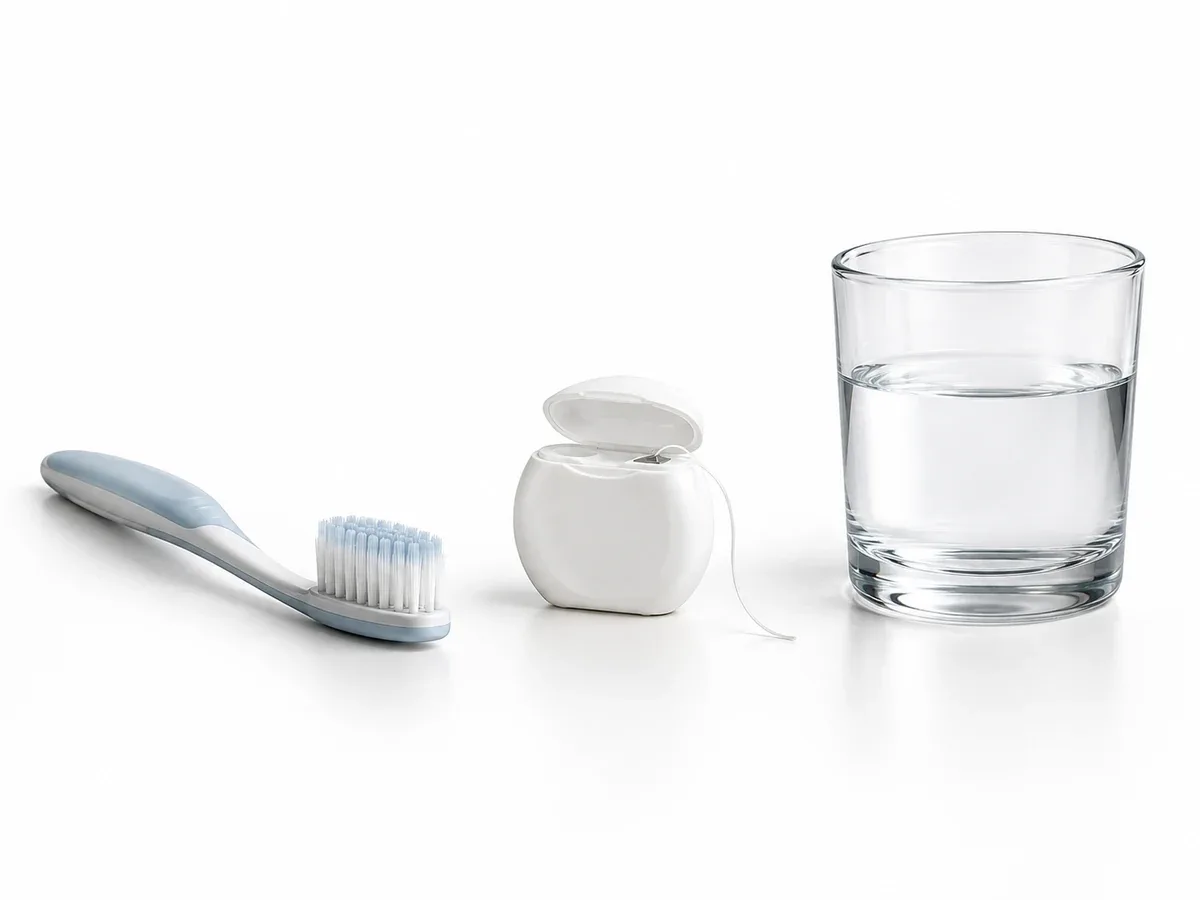
| Task | How |
|---|---|
| Brushing | At least twice a day with fluoride toothpaste, 2 minutes or more, looking in a mirror |
| Flossing | Essential |
| Rinsing | Rinsing less after fluoride toothpaste makes it work better |
| When gums bleed | Keep brushing, but do not scrub hard |
| Acidic drinks | Brush 30 minutes after drinking |
| Acid from morning sickness | Rinse with water first and wait before brushing |
Can I have scaling during pregnancy?
For gingivitis, including pregnancy gingivitis, the entry names proper brushing and regular scaling as the treatment. Scaling is the professional cleaning that removes plaque and tartar.
The KDCA scaling page describes it as a basic treatment for removing plaque and tartar. If you have gum disease, it recommends scaling at least every 6 months.
Knowing what may happen after scaling can save you a surprise. The KDCA page describes several normal changes.
- Sensitivity after scaling goes away within a few weeks.
- A feeling that the teeth are loose is part of the swollen gums settling down.
- Gaps between the teeth that look wider afterwards are also normal.
During pregnancy, however, the timing of treatment, your position in the chair and whether X-rays are taken are adjusted to how you feel.
Please tell us in advance that you are pregnant and how many weeks along you are. We will plan the visit around that.
Scaling removes the tartar that keeps pregnancy gingivitis going. Brushing and flossing at home then keep the plaque from building up again.
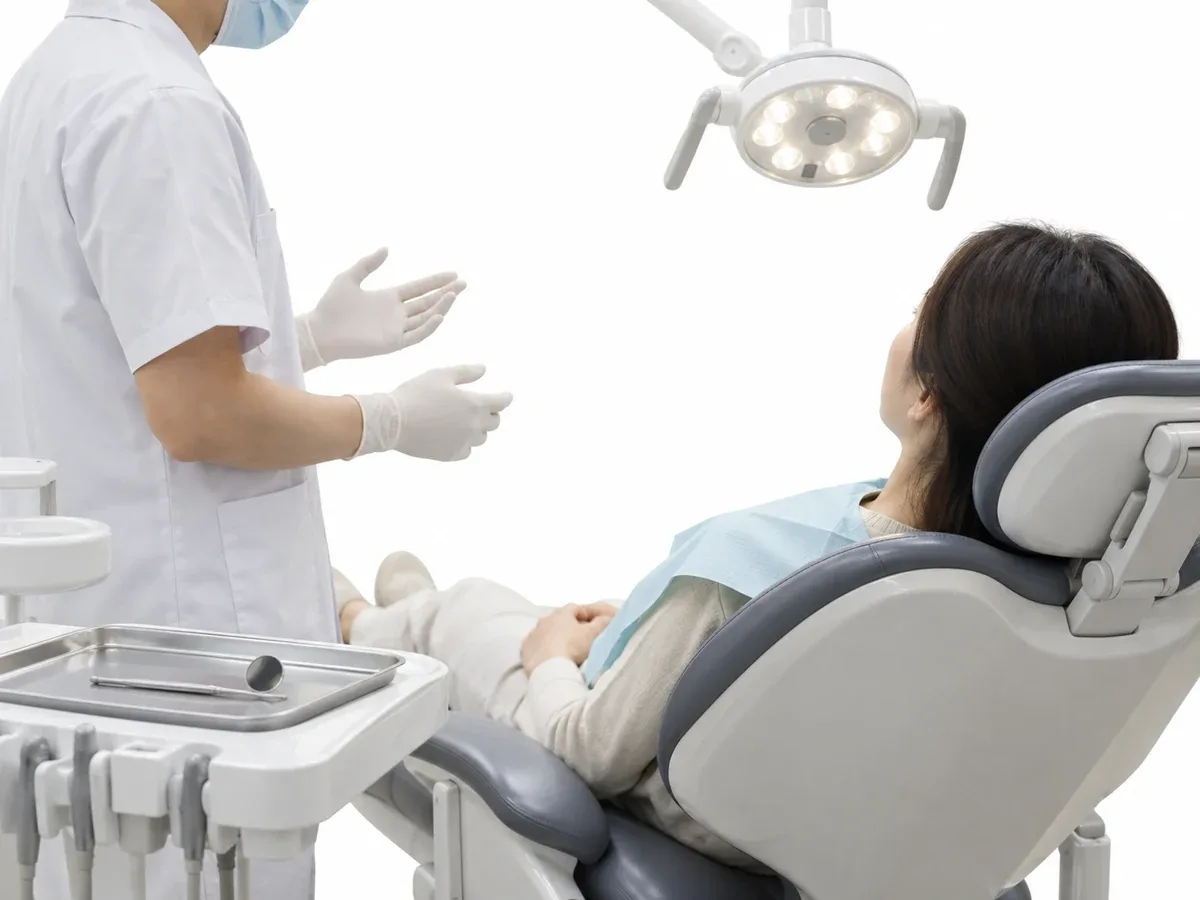
What should expecting mothers in Busan tell the dentist?
A short conversation at the start of the visit makes the rest easier, especially if pregnancy gingivitis is the reason you came. For patients living in or visiting Korea, a few details help us plan safely around the pregnancy.
- that you are pregnant, and how many weeks along you are
- how you are feeling on the day, including morning sickness
- when your gums bleed or swell, and whether a spot keeps growing
The KDCA page on preventing oral disease recommends a dental check-up once a year. If you have had dental treatment before, it recommends a check-up every 6 months.
After the birth, the gingivitis entry recommends a return visit once the symptoms of pregnancy gingivitis ease. Easing symptoms and a removed cause are two different things.
Puberty follows the same principle. The timing is different, but the gums of teenage girls also react more strongly, so basic care matters most in those years.

Frequently asked questions
Will pregnancy gingivitis go away by itself after the birth?
The source says pregnancy gingivitis eases about 2 months after birth, and recommends a dental visit after that to check your gums. The symptoms settling and the cause going away are not the same thing.
My gums bleed. Should I brush less?
No, the opposite. The gingivitis entry says gingivitis can usually recover with careful brushing and flossing. Avoiding brushing because of bleeding makes the inflammation last longer.
A spot on my gum has swollen up like a lump. What should I do?
The source says that in pregnancy the gums show a strong inflammatory and overgrowth reaction to plaque. The amount and shape of the swelling differ from person to person. If the spot keeps growing or bleeds often, it is better to have it checked.
Can I get gum care in English in Busan while pregnant?
Yes. We provide 1:1 English interpretation from your first consultation through the end of treatment. The clinic is near Seomyeon Station Exit 2 (5-min walk), opposite Lotte Hotel Busan, and you can call 010-8555-2854 (+82-10-8555-2854 from abroad).
Pregnancy makes gums react more strongly to the same plaque.
It often peaks around the 8th month
and eases about 2 months after birth.
The tartar, however, stays until it is removed.
If you are pregnant in Busan and worried about pregnancy gingivitis, Reset Dental Clinic can check your gums with 1:1 English interpretation. Call 010-8555-2854 and tell us how many weeks along you are.
References
- Asan Medical Center disease encyclopedia, "Gingivitis" — definition of gingivitis as gum inflammation; plaque as the cause, with hardened tartar opening the gap between gum and tooth so bacteria get in; gum disease in more than 50% of adults over 20, 75% over 35 and 80–90% over 40; the link with female hormones in puberty and pregnancy; the strong inflammatory and overgrowth reaction to plaque, with about half of pregnant women having pregnancy gingivitis; swollen gums reacting more to plaque; worsening from months 2–3, peaking around month 8 and easing 2 months after birth, with a dental check afterwards; red and bleeding gums, bad breath, discomfort when eating and possible progression to periodontitis; recovery with careful brushing and flossing, and the need for proper brushing and regular scaling
- Asan Medical Center disease encyclopedia, "Chronic Periodontitis" — definition as inflammation of the tissues around the teeth that destroys gums and jawbone; factors affecting progression such as poor restorations, misaligned bite, smoking, stress, habits, medicines, age and hormonal changes, plus diabetes, heart and blood vessel disease, pregnancy and poor nutrition; the four stages, with receding gums and opening gaps at the moderate stage; little pain in the early stages
- KDCA National Health Information Portal, "Scaling (Tartar Removal)" — scaling as a basic treatment that removes plaque and tartar; scaling at least every 6 months for people with gum disease; sensitivity fading within a few weeks, a loose feeling as swollen gums settle, and wider-looking gaps as normal after scaling
- KDCA National Health Information Portal, "Preventing and Managing Oral Disease" — brushing at least twice a day with fluoride toothpaste for 2 minutes while looking in a mirror; flossing as essential and interdental brushes for wide gaps; rinsing less after fluoride toothpaste; brushing 30 minutes after acidic drinks; a check-up once a year, or every 6 months with a treatment history
Written by Reset Dental Clinic Support Team
Medical review Dr. Kim Hyun-joo, Head Dentist · Integrated Dentistry Specialist
Last updated: September 19, 2026
This column is for general information and does not replace diagnosis or treatment for individual patients. If you have symptoms, please see a dentist.